
Picture yourself in a Tokyo bar at dusk, watching a bartender pour with deliberate grace, each movement a small ritual that transforms simple ingredients into something magical. Japanese cocktails represent a philosophy of balance, precision, and respect for craft that elevates drinking from casual to ceremonial. These drinks showcase Japanese cocktail techniques that emphasize clean flavors, artful presentation, and often incorporate sake, yuzu, or delicate bitters that whisper rather than shout.
What makes this approach special is the obsessive attention to detail and the way each element serves a purpose beyond mere decoration. Whether you are a home bartender seeking to expand your skills or someone curious about Japanese drinking culture, mastering a Japanese cocktail recipe opens a door to a world where simplicity and sophistication dance together on your palate.
Why You’ll Love This Recipe
A Japanese cocktail teaches you bartending fundamentals while delivering restaurant-quality drinks at home. You will impress guests and feel genuinely proud of what you create.
- Elegant and balanced flavors that feel refined without being pretentious
- Techniques applicable to dozens of other cocktails you will want to make
- Perfect for date nights, dinner parties, or simply treating yourself after a long day
- Uses accessible ingredients you can source from most liquor stores
- Teaches you how temperature, dilution, and timing transform a drink
My Experience Making This Recipe
I first encountered this style of cocktail at a small bar in Shibuya, where the bartender spent five full minutes on a single drink. My initial reaction was skepticism until I tasted it and understood that every second mattered.
Back home, I practiced the recipe dozens of times, learning that ice temperature changes everything and that rushing the process ruins the entire point. My friends noticed the difference immediately, and now making one of these cocktails has become my go-to move when I want to show off without seeming like I am trying too hard.
The sensory experience of crafting this drink is where the real satisfaction lives. The sound of ice chilling, the clarity of the finished drink, and that first sip that arrives perfectly balanced feel like a small victory every single time.
Recipe Overview
- Recipe Name: Classic Japanese-Style Whiskey Cocktail
- Servings: 1 cocktail
- Prep Time: 2 minutes
- Cook Time: 0 minutes
- Total Time: 2 minutes
- Course: Beverage
- Cuisine: Japanese
- Calories Per Serving: 120
Equipment You Will Need
- Mixing glass or cocktail stirring pitcher
- Bar spoon with a long handle
- Jigger for precise measurement (preferably with 1 oz and 0.5 oz markings)
- Cocktail strainer (Hawthorne or julep style)
- Coupe glass or rocks glass, chilled
- Ice (preferably large format or cube ice, not crushed)
- Vegetable peeler or channel knife for garnish
- Small cutting board and paring knife
Ingredients for Classic Japanese-Style Whiskey Cocktail
- Japanese whisky (Hibiki, Yamazaki, or Hakushu): 2 oz
- Dry vermouth: 0.5 oz
- Japanese bitters (Yuzu bitters or Kakegawa bitters): 2 to 3 dashes
- Ice (large cube or block): enough to fill mixing glass
- Lemon twist or yuzu peel: 1 small piece for garnish
Ingredient Notes and Substitutions
- Japanese Whisky: Japanese whisky brings smoothness and subtle fruit notes that define this cocktail. If unavailable, use a high-quality dry Scotch, though the flavor profile will shift toward more robust tones.
- Dry Vermouth: Vermouth adds complexity and a touch of herbal dry finish that balances the whisky’s sweetness. French vermouth like Noilly Prat works well, or substitute with sake for a different but equally Japanese approach.
- Japanese Bitters: These bitters bring a signature botanical character specific to Japanese bartending. Standard Angostura bitters work in a pinch, but they will make the drink taste less authentically Japanese.
- Ice: Large ice cubes melt more slowly and keep the drink colder longer than standard ice. Regular cube ice will work but demands you drink faster to avoid over-dilution.
- Yuzu Peel: Yuzu brings a bright, complex citrus note unique to Japanese cuisine. Regular lemon peel will substitute adequately if yuzu is not in your market.
How to Make Classic Japanese-Style Whiskey Cocktail
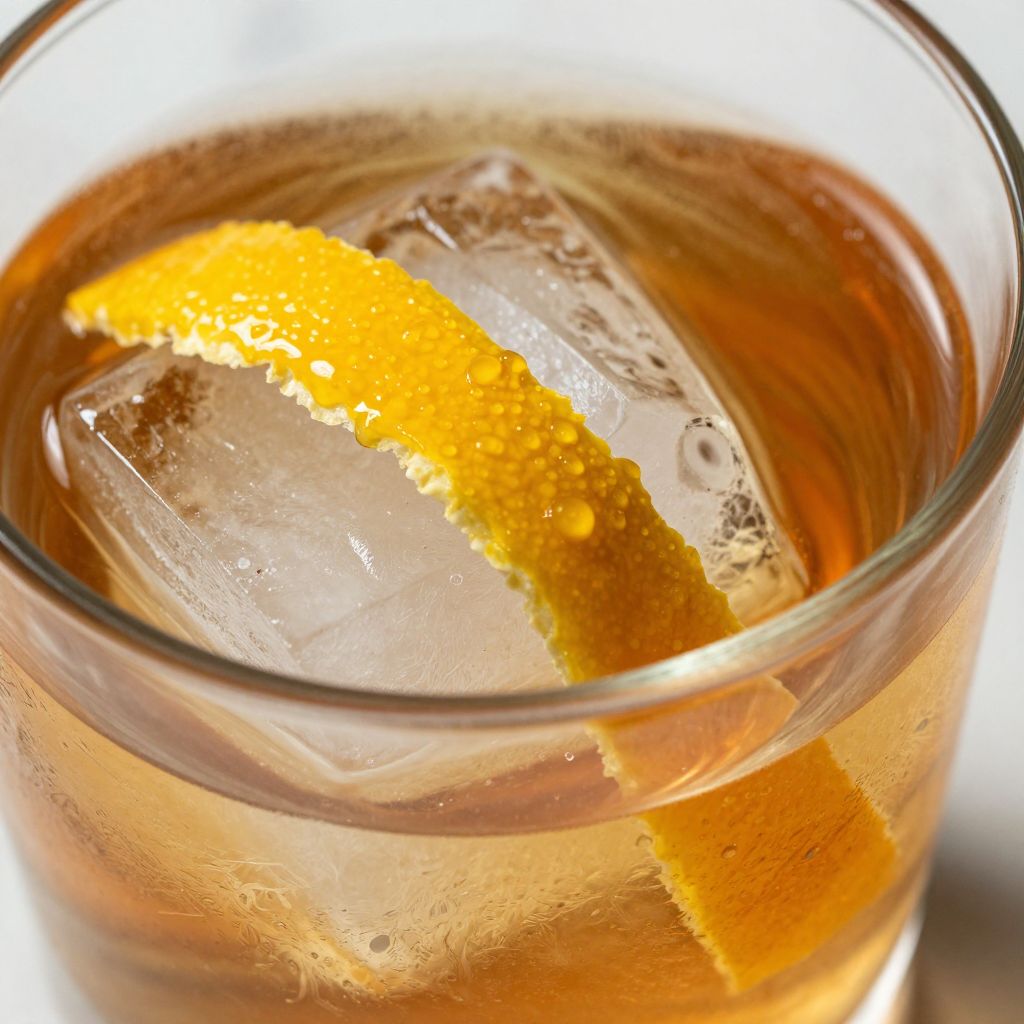
Step 1: Chill Your Glass
Place your coupe or rocks glass in the freezer for at least two minutes before you begin making the cocktail. A cold glass keeps the drink cold longer and prevents the flavors from warming and flattening out as you sip.
Step 2: Fill the Mixing Glass with Ice
Add large ice cubes to your mixing glass until it is about three-quarters full. Large ice cubes melt slowly and chill the drink without excessive dilution, which is the cornerstone of Japanese bartending philosophy.
Step 3: Measure the Japanese Whisky
Using your jigger, pour exactly 2 oz of Japanese whisky into the mixing glass. Precision matters here because the whisky provides the backbone, and too much will overpower the delicate vermouth and bitters.
Step 4: Add the Dry Vermouth
Carefully pour 0.5 oz of dry vermouth into the mixing glass. The vermouth softens the whisky’s intensity and adds herbal complexity that makes this drink feel sophisticated rather than harsh.
Step 5: Add the Bitters
Add 2 to 3 dashes of Japanese bitters into the mixing glass, stirring once or twice before adding them so they distribute evenly. Bitters are concentrated flavor bombs, so resist the urge to over-pour unless you prefer a more pronounced botanical taste.
Step 6: Stir the Cocktail
Using your bar spoon, stir the mixture slowly for about 30 seconds, focusing on smooth, circular motions rather than aggressive stirring. Slow stirring chills and dilutes the drink gently, allowing the flavors to marry while keeping it from becoming watered down.
Step 7: Strain into Your Chilled Glass
Place your cocktail strainer over the mixing glass and pour the drink into your chilled coupe or rocks glass. Straining removes the ice and any small chips that could dilute the drink further once it lands in the glass.
Step 8: Garnish with Yuzu or Lemon Peel
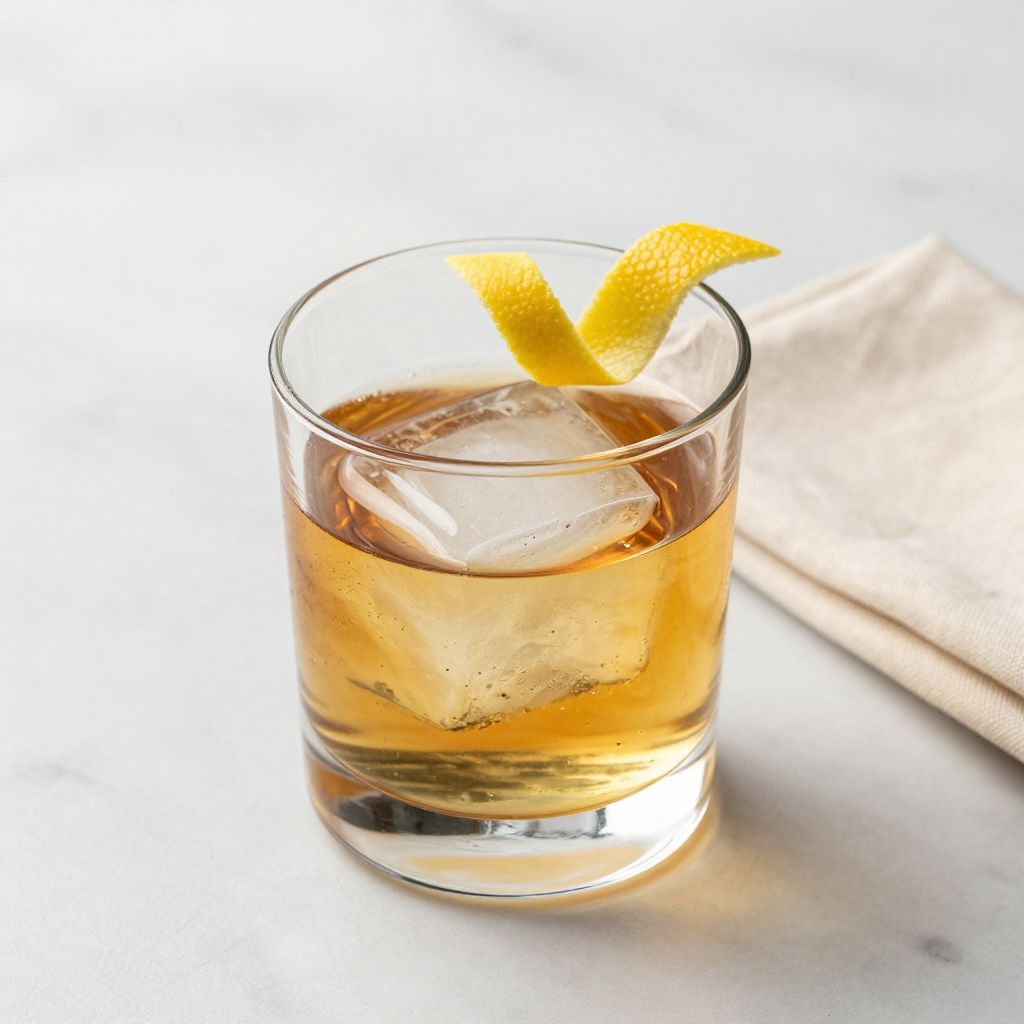
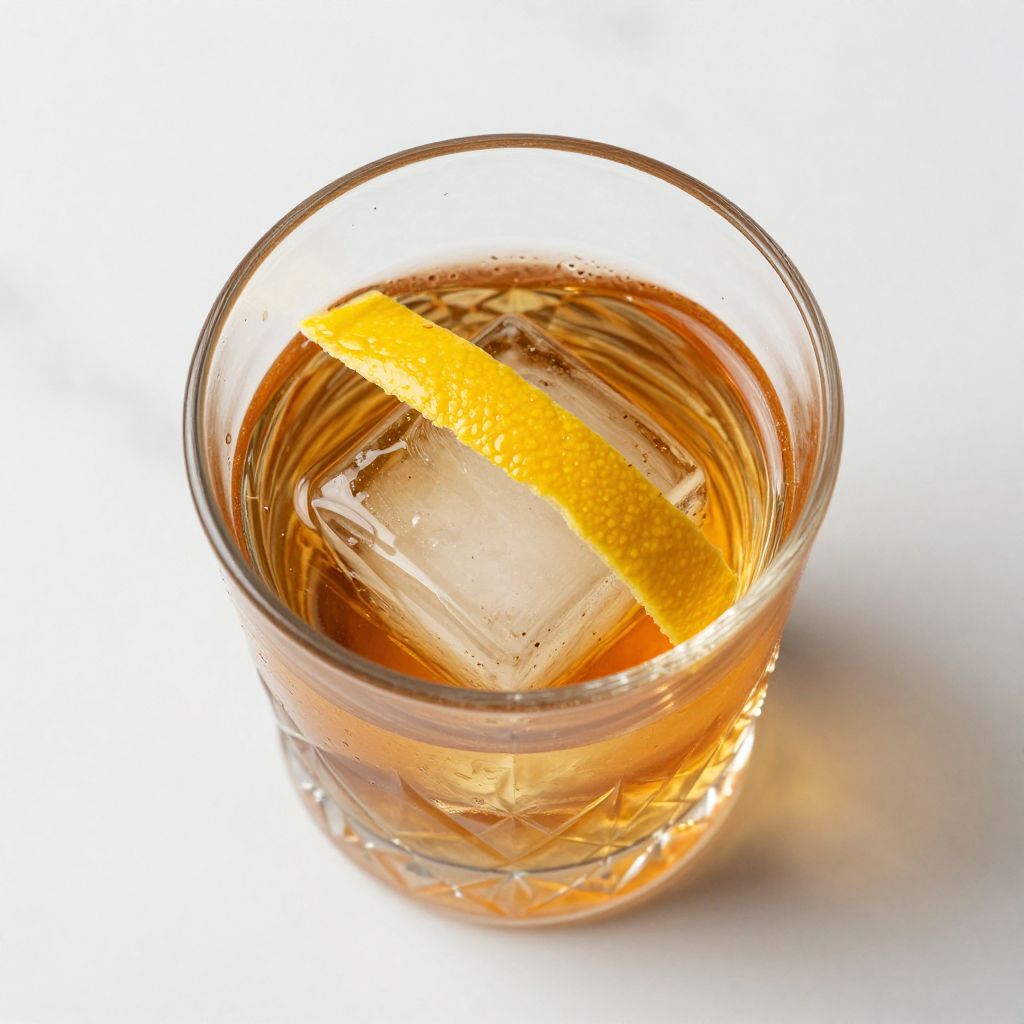
Using your vegetable peeler, create a thin, long twist of yuzu or lemon peel and place it over the surface of the cocktail. The oils from the peel express directly into the drink when you twist it, adding a bright, subtle aroma that completes the experience.
Pro Tip: The quality of your ice matters more than any other single ingredient; invest in a Lewis bag or ice maker that produces large format ice, and your cocktails will transform immediately.
Tips for the Best Classic Japanese-Style Whiskey Cocktail
- Keep all your equipment and glassware cold before you begin, as warmth is the enemy of a perfectly balanced cocktail. Even five seconds of warming changes the dilution rate and final flavor.
- Stir slowly and deliberately for the full 30 seconds rather than rushing; Japanese bartenders believe the ritual of preparation is part of the drink itself.
- Measure everything with your jigger, never free-pouring, because even experienced bartenders cannot match the precision of actual measurement in this style of drink.
- Use Japanese whisky specifically if possible, as it has a distinctly lighter body and more delicate profile than Scotch or American whiskey.
- Express the citrus peel oils over the drink by twisting it, but avoid letting the pith touch the liquid surface, as it tastes bitter and ruins the clean presentation.
- Serve immediately after straining and never let the cocktail sit waiting, as it begins to warm and dilute the moment it leaves the ice.
Common Mistakes to Avoid
- Over-stirring or stirring too aggressively introduces too much air and over-dilutes the drink before it even reaches your glass. Slow, gentle stirring is the Japanese way.
- Using crushed ice instead of large cubes melts too quickly and turns your carefully balanced cocktail into a watered-down disappointment within minutes.
- Skipping the chilling step for your glass seems like a small shortcut but results in a warm cocktail that tastes flat and one-dimensional rather than vibrant.
- Pouring without measuring leads to inconsistent drinks where sometimes the whisky dominates and sometimes the vermouth takes over, destroying the carefully crafted balance.
- Using low-quality or non-Japanese whisky fundamentally changes the entire character of the drink and defeats the purpose of following a Japanese recipe.
Serving Suggestions
Serve this cocktail before dinner to open your palate or after a light meal when you want something elegant without being heavy. The balanced flavors pair well with Japanese cuisine and work equally well as a standalone sipper on a quiet evening.
- Pair with light appetizers like edamame, seaweed snacks, or cucumber with miso
- Serve alongside sashimi or nigiri sushi for a refined tasting experience
- Enjoy after a meal of grilled fish or yakitori chicken
- Present at a dinner party where you want to demonstrate bartending skill
- Sip solo while reading or reflecting in a quiet moment
Variations to Try
- Sake Variation: Replace the dry vermouth with premium sake for a more traditionally Japanese approach that shifts the flavor toward cleaner, more delicate tones.
- Yuzu Forward: Add 0.25 oz of yuzu juice and reduce the vermouth to 0.25 oz for a brighter, more citrus-forward expression that feels fresher and lighter.
- Smoky Version: Switch to a peated Japanese whisky like Hakushu Heavily Peated for a more complex, wood-forward character that pairs beautifully with the herbal vermouth.
- Green Tea Twist: Add a small splash of premium green tea and reduce the vermouth slightly for an earthy, sophisticated variation that feels uniquely Japanese.
- Umami Depth: Add a single dash of ponzu bitters or a tiny pinch of kombu salt to the rim for a savory, umami-forward variation that challenges the palate in interesting ways.
Dietary Adaptations
- Gluten-Free: Japanese whisky is naturally gluten-free, though verify your vermouth brand; most quality vermouths are gluten-free, but some budget brands may contain gluten additives.
- Vegan: This cocktail is naturally vegan as it contains only spirits, vermouth, bitters, and citrus peel with no animal products or byproducts.
- Lower Alcohol: Reduce the whisky to 1.5 oz and add 0.5 oz of non-alcoholic sake or water to maintain balance while lowering the overall alcohol content.
- Sugar-Conscious: This cocktail contains minimal sugar from the vermouth and bitters, making it suitable for low-carb or keto diets compared to sweeter cocktail styles.
Storage and Reheating
Refrigerator
Do not store prepared cocktails in the refrigerator, as they will become diluted and flat as the ice melts. Store unopened bottles of whisky and vermouth in a cool, dark cabinet away from direct sunlight for up to five years.
- Keep opened vermouth bottles sealed and refrigerated for up to three months
- Store bitters in a cool, dark place for up to two years
Freezer
You can freeze ice for cocktails in advance, and Japanese bartenders often freeze large format ice blocks overnight for the perfect chilling capacity. Pre-chilled glassware can be stored in the freezer between uses if you make cocktails regularly.
- Prepare ice blocks the night before serving cocktails
- Store chilled glasses in the freezer for up to several hours before serving
Reheating
This is a cold cocktail that should never be reheated; always make fresh cocktails immediately before serving to ensure optimal temperature and flavor balance. If your cocktail becomes warm while sitting, simply discard it and make a fresh one rather than attempting to chill it again.
Nutrition Information
| Nutrient | Amount |
|---|---|
| Calories | 120 |
| Total Fat | 0g |
| Saturated Fat | 0g |
| Carbohydrates | 1g |
| Fiber | 0g |
| Sugar | 0g |
| Protein | 0g |
| Sodium | 2mg |
| Cholesterol | 0mg |
These values represent the alcohol and trace ingredients only and may vary slightly based on specific brand selections and exact measurements used. Alcohol content contributes most of the calories, while spirits themselves contain no fat, protein, or significant carbohydrates.
Frequently Asked Questions
Can I make this cocktail without Japanese whisky?
You can substitute with quality Scotch or even premium American whiskey, though the flavor will shift significantly and lose some of the elegance that defines the Japanese style. The drink will still be good, but it will not taste authentically Japanese.
What if I cannot find Japanese bitters?
Standard Angostura bitters will work as a substitute, though they taste more robust and less delicate than the traditional versions. You can also order Japanese bitters online from specialty liquor retailers if you want to stay true to the recipe.
How long should I actually stir the cocktail?
Stir for a full 30 seconds with slow, deliberate motions rather than rapid shaking, as this is what Japanese bartenders consider the proper technique. Timing matters because 20 seconds under-dilutes the drink while 45 seconds over-dilutes it.
Can I make this ahead for a party?
No; cocktails must be made individually moments before serving, as preparing them ahead means they will become warm and watered down by the time guests arrive. You can prep your ingredients and chill your glasses and equipment in advance, then make drinks to order.
Is the yuzu peel essential or just decoration?
The peel serves a real purpose by expressing its oils into the drink, contributing bright citrus aromatics that complete the flavor profile rather than functioning purely as decoration. Never skip it or use a tired garnish you prepared an hour earlier.
What does Japanese bartending philosophy prioritize?
Japanese bartenders prioritize precision, cleanliness, and respect for ingredients, viewing each drink as a small ritual worthy of focused attention and care. This approach produces balanced cocktails that feel refined rather than over-manipulated.
Final Thoughts
Making a Japanese cocktail teaches you far more than just how to combine spirits and bitters; it shows you how precision, respect for ingredients, and deliberate technique transform ordinary elements into something extraordinary. Once you master this recipe, you will find yourself applying these principles to every drink you make.
Try this cocktail tonight and notice how the careful balance of whisky, vermouth, and bitters creates flavors that dance together rather than competing. Share it with someone you want to impress, or simply make one for yourself and enjoy the satisfaction of creating something genuinely beautiful in your own kitchen.
Explore More Cocktail Recipes
If you enjoyed learning this Japanese cocktail technique, consider exploring other Japanese-inspired drinks that showcase similar precision and balance.
Check out our Japanese lemon sour recipe for a refreshing take on the sour family that balances bright citrus with subtle sweetness. You might also love our yuzu cocktail recipe, which celebrates the complex citrus that makes Japanese mixology so distinctive and memorable.
Classic Japanese-Style Whiskey Cocktail
Ingredients
Equipment
Method
- Place your coupe or rocks glass in the freezer and chill for at least 2 minutes.
- Fill the mixing glass three-quarters full with large ice cubes to ensure slow dilution.
- Measure and pour 2 oz Japanese whisky into the mixing glass using a jigger.
- Add 0.5 oz dry vermouth to the mixing glass without rushing the pour.
- Add 2 to 3 dashes of Japanese bitters and stir once to pre-distribute them.
- Stir the mixture slowly with a bar spoon for 30 seconds, using smooth circular motions.
- Place a strainer on the mixing glass and pour the drink into the chilled coupe or rocks glass.
- Express the oils from a lemon twist or yuzu peel over the surface, then place the twist on the drink.