
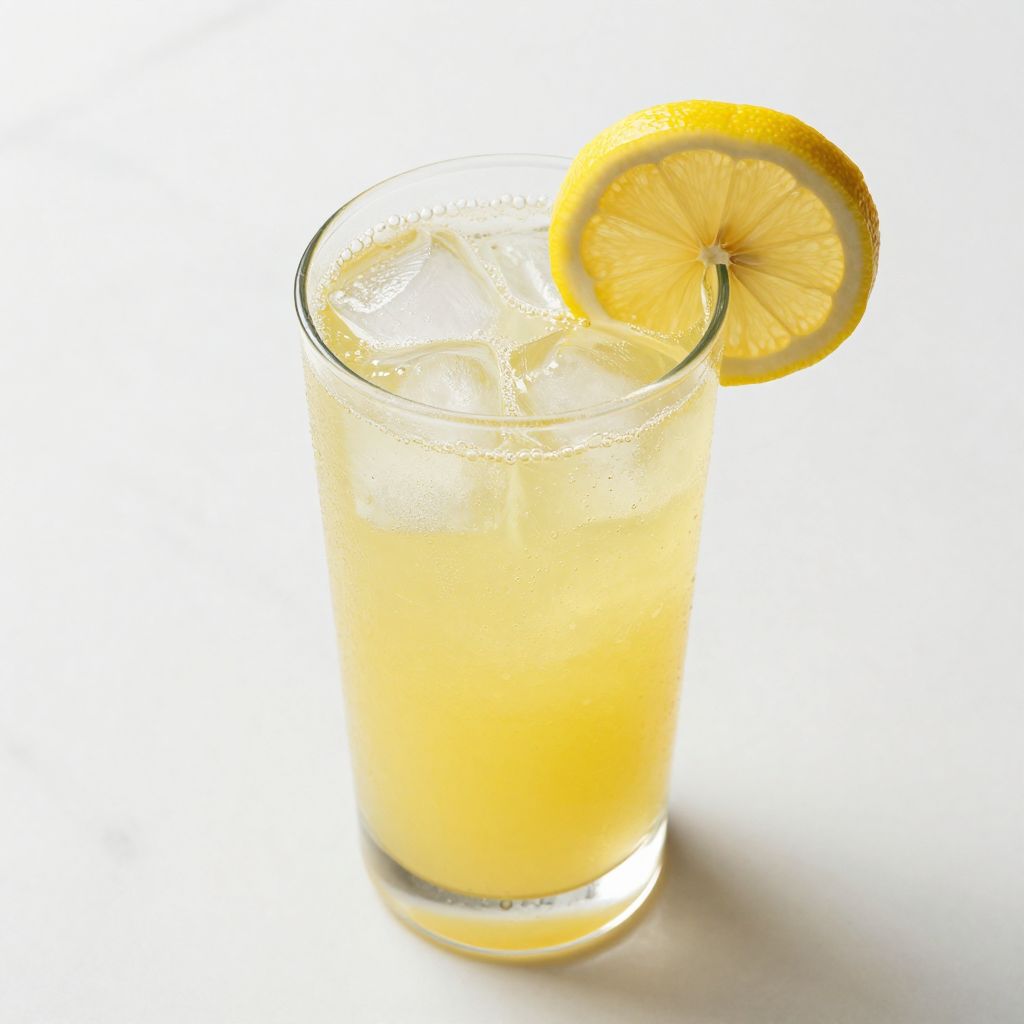
There’s something magical about the first sip of a Japanese lemon sour on a warm evening, when the fizz hits your lips and the tartness wakes up your taste buds. This refreshing cocktail has become a beloved staple in Japanese bars and izakayas, and for good reason: it’s bright, crisp, and incredibly easy to make at home.
What makes this drink special is its simplicity and balance. Unlike overly sweet cocktails, a proper lemon sour lets the citrus shine while the shochu base gives it a clean, spirited edge that feels sophisticated without being pretentious.
Why You’ll Love This Recipe
This Japanese lemon sour delivers everything you want in a refreshing drink: bold lemon flavor, smooth alcohol, and a satisfying fizz that keeps you reaching for more.
- Takes under two minutes to make from start to finish
- Uses just four simple ingredients you probably already have on hand
- Perfectly balanced between tart and smooth with zero cloying sweetness
- Works as an aperitif, digestif, or any time you need something crisp
- Scales effortlessly for crowds or solo sipping
My Experience Making This Recipe
I first tasted a lemon sour at a tiny bar in Tokyo’s Shibuya district, and I was hooked immediately. The bartender used fresh lemon juice and poured it over ice with such casual confidence that I knew this was a drink worth learning.
When I recreated it at home, I realized the magic lies in using fresh lemon juice rather than bottled concentrate. The difference is striking: fresh juice gives you that authentic brightness that makes you feel like you’re sitting in that Tokyo bar all over again.
My friends now request this drink by name whenever they visit, and I’ve actually caught my roommate making their own version on a Tuesday night. That’s when I knew this recipe had crossed over from “nice to have” to “essential.”
Recipe Overview
- Recipe Name: Japanese Lemon Sour
- Servings: 1 cocktail
- Prep Time: 2 minutes
- Cook Time: 0 minutes
- Total Time: 2 minutes
- Course: Cocktail
- Cuisine: Japanese
- Calories per Serving: 145
Equipment You Will Need
- Cocktail shaker or mixing glass
- Bar spoon or long spoon
- Jigger or measuring spoon
- Citrus juicer or hand squeezer
- Highball glass or rocks glass
- Fine mesh strainer
- Ice maker or ice tray
Ingredients for Japanese Lemon Sour
- Shochu (Japanese spirit): 45 ml or 1.5 ounces
- Fresh lemon juice: 30 ml or 1 ounce, freshly squeezed
- Simple syrup: 15 ml or 0.5 ounces
- Soda water: 60 ml or 2 ounces, chilled
- Ice: As needed for shaking and serving
- Lemon wheel or twist: Optional garnish
Ingredient Notes and Substitutions
- Shochu: This clear Japanese spirit forms the backbone of the drink and keeps it from tasting too sweet. If you cannot find shochu, vodka works in a pinch, though you’ll lose some of the authentic flavor profile.
- Fresh lemon juice: Bottled lemon juice tastes thin and metallic compared to freshly squeezed juice, which gives the drink its signature brightness. You can use lime juice instead if you want a slightly different citrus angle, though it won’t be traditional.
- Simple syrup: This balances the tartness of the lemon without overpowering it. You can make your own by dissolving one part sugar in one part hot water and letting it cool, or buy it premade.
- Soda water: Club soda or sparkling water works equally well here; the point is carbonation and a clean finish. Avoid tonic water, which has quinine and sugar that will throw off the balance.
How to Make Japanese Lemon Sour
Step 1: Fill Your Shaker with Ice
Pack your cocktail shaker about three-quarters full with ice, making sure the pieces are touching. Cold ice is non-negotiable for a proper lemon sour; it chills the drink quickly and prevents dilution from happening too slowly.
Step 2: Measure Your Shochu
Pour 45 ml of shochu into your jigger and add it to the shaker. Shochu is the spirit that defines this drink, so use quality over quantity here.
Step 3: Add Fresh Lemon Juice
Squeeze your lemon and measure out 30 ml of fresh juice, adding it directly to the shaker. Fresh juice makes all the difference; the acidity should be bright and forward, not muted or chemical.
Step 4: Pour in Simple Syrup
Add 15 ml of simple syrup to the shaker and give it a quick stir with your bar spoon. The syrup rounds out the tartness and creates a balanced flavor profile that feels refined rather than harsh.
Step 5: Shake with Purpose
Cover the shaker and shake vigorously for about ten seconds, until the outside of the shaker feels frosty. Proper shaking aerates the ingredients and fully integrates the flavors while keeping everything ice-cold.
Step 6: Prepare Your Glass
Fill a highball glass with fresh ice cubes, working quickly so the ice stays frozen. A full glass of cold ice prevents the cocktail from warming up too fast after you pour it.
Step 7: Strain and Pour
Hold a fine mesh strainer over your prepared glass and pour the shaken mixture through it slowly, leaving the ice from the shaker behind. Straining removes small ice shards and any pulp, giving you a clean, professional-looking drink.
Step 8: Top with Soda Water
Pour 60 ml of chilled soda water into the glass and stir gently a few times. The soda water adds the signature fizz and slightly extends the drink, making it less spirit-forward and more refreshing.
Step 9: Garnish and Serve
Express the oils from a lemon twist over the drink or place a lemon wheel on the rim if you like. Serve immediately while the drink is still frosty and the carbonation is at its peak.
Pro Tip: Use ice that’s been in the freezer for at least four hours; warmer ice waters down your drink and muddies the bright flavors you worked to build.
Tips for the Best Japanese Lemon Sour
- Juice your lemons just before making the drink; lemon juice oxidizes quickly and loses its brightness within an hour or two. Fresh is always better than prepped in advance.
- Chill your glass and your soda water in the fridge before you start mixing. A few degrees of temperature makes a noticeable difference in the final taste.
- Don’t skip the fine mesh strainer; it catches tiny ice fragments and makes the drink feel polished. Clarity matters for cocktails.
- Taste your simple syrup before you use it; if it’s too sweet or too thin, adjust the ratio next time. Balance is personal, and you might prefer slightly less or more sweetness.
- Stir gently after adding the soda water rather than shaking; aggressive stirring kills the bubbles you just added for that satisfying fizz.
- Serve immediately; lemon sours don’t improve with sitting, and they lose their pop quickly as carbonation escapes.
Common Mistakes to Avoid
- Using bottled lemon juice instead of fresh: This is the quickest way to end up with a flat, chemical-tasting drink that tastes nothing like the real thing.
- Over-sweetening the drink: Too much simple syrup masks the lemon and makes it feel cloying rather than refreshing. Start light and adjust upward if needed.
- Shaking with warm ice: If your ice is half-melted or room temperature, you’ll end up with a diluted, watery cocktail that tastes weaker than you intended.
- Forgetting to chill your glass: Pouring a cold cocktail into a warm glass immediately brings down the temperature and dulls the flavors.
- Substituting the soda water too late in the process: Adding it directly to the shaker kills the carbonation before it reaches your glass, defeating the whole purpose.
Serving Suggestions
Serve your lemon sour alongside light appetizers that won’t compete with its bright acidity. This drink is equally at home as an evening aperitif or a casual afternoon cooler.
- Pair with edamame, cucumber slices, or fresh seaweed snacks for authentic Japanese vibes
- Serve before a meal to open up the palate and stimulate appetite
- Offer at summer gatherings where guests want something refreshing but not too heavy
- Match with spicy food; the acidity and carbonation cut through heat beautifully
- Enjoy as a solo drink on a warm evening when you want something crisp and spirit-forward
Variations to Try
- Yuzu Lemon Sour: Replace half the lemon juice with yuzu juice for a more exotic citrus character that feels floral and complex. Yuzu adds a unique depth that regular lemon cannot match.
- Ginger Lemon Sour: Add a small splash of ginger syrup or fresh ginger juice to bring warmth and spice to the drink. This version works beautifully in colder months or alongside rich foods.
- Honey Lemon Sour: Swap simple syrup for honey syrup (equal parts honey and hot water) for a rounder, more luxurious mouthfeel. Honey adds body and a subtle floral note.
- Shiso Lemon Sour: Muddle a small shiso leaf gently in your shaker before adding other ingredients for an herbal, slightly minty complexity. This variation feels modern and elevated.
- Low-Proof Lemon Sour: Use 30 ml of shochu instead of 45 ml and increase the soda water to 90 ml for a lighter, less boozy version. Perfect for extended drinking sessions.
Dietary Adaptations
- Gluten-free: Most shochu and soda water are naturally gluten-free, but verify your specific brands as some may contain hidden gluten in production.
- Sugar-free: Replace simple syrup with monk fruit syrup or erythritol-based sweetener at a one-to-one ratio; the drink will taste slightly different but still refreshing and balanced.
- Vegan and vegetarian: This recipe is already vegan and vegetarian; all ingredients come from plants or are minerals, with no animal products involved.
- Low-carb and keto: Use a zero-calorie sweetener instead of simple syrup to keep carbs minimal; the taste profile changes slightly but remains pleasant and balanced.
Storage and Reheating
Refrigerator
You cannot really store a mixed lemon sour; cocktails are best consumed immediately after preparation. However, you can prepare components ahead of time.
- Fresh lemon juice keeps for one to two days in an airtight container
- Simple syrup lasts two weeks in the refrigerator in a sealed jar
- Shochu stores indefinitely at room temperature in a cool, dark place
Freezer
Freezing cocktails is not recommended, as it damages carbonation and changes the texture. However, you can prepare ice cubes in advance for faster mixing.
- Make ice cubes several hours or days ahead and store in freezer bags
- Consider freezing some lemon juice in ice cube trays to add extra citrus intensity
Reheating
Cocktails do not need reheating; they are served cold and fresh. If your drink has warmed up, discard it and make a fresh batch rather than attempting to rechill.
Nutrition Information
| Nutrient | Amount |
|---|---|
| Calories | 145 |
| Total Fat | 0 g |
| Saturated Fat | 0 g |
| Carbohydrates | 12 g |
| Fiber | 0 g |
| Sugar | 10 g |
| Protein | 0 g |
| Sodium | 45 mg |
| Cholesterol | 0 mg |
These values are approximate and based on standard ingredient measurements. Actual nutrition will vary based on specific brands and substitutions you make.
Frequently Asked Questions
Can I make a batch of lemon sours ahead for a party?
You can mix the shochu, lemon juice, and simple syrup in a pitcher ahead of time, but add soda water and ice only right before serving. The carbonation dies quickly, so timing matters for that authentic fizz.
What if I cannot find shochu?
Vodka works as a substitute, though the flavor profile shifts and feels less authentic. White rum or gin can also stand in, but expect a noticeably different drink character.
How do I know if my lemon juice is too acidic or not acidic enough?
Taste a small sip of the juice on its own; it should make your mouth pucker slightly but not feel harsh or bitter. If it tastes off, squeeze a different lemon and start over rather than trying to adjust other ingredients.
Can I use a blender instead of a cocktail shaker?
A blender will aerate the drink and chill it, but it also introduces too much air and can make the drink feel foamy. A proper shaker gives you better control and a cleaner result.
What is the difference between shochu and sake?
Shochu is distilled and has a higher alcohol content around 25%, while sake is fermented and usually 15 to 16%. Shochu has a cleaner, crisper character that works better in this cocktail.
Should the drink taste more tart or more sweet?
A proper lemon sour should taste tart and refreshing first, with sweetness playing a supporting role. If you are drinking one and it tastes syrupy, that bartender cut corners on the lemon juice.
Can I make this drink without alcohol?
You can, but it becomes closer to lemonade than a true lemon sour. Try a sparkling lemonade with a touch of ginger for a sophisticated non-alcoholic alternative.
Final Thoughts
The Japanese lemon sour is a masterclass in simplicity and balance, proving that you do not need complicated techniques or rare ingredients to make something genuinely delicious. Once you nail this recipe, you will find yourself making it again and again.
Pour yourself a glass, take a sip, and let that citrus brightness transport you straight to a Tokyo bar where the ice clinks in perfectly chilled glasses and the only thing that matters is the moment you are living in. Your next gathering has just become infinitely more elegant.
If you loved this recipe, explore more refreshing cocktail options like our strawberry pineapple lemonade recipe for a fruity twist, or dive deeper into homemade mixology with our lemonade syrup recipe to build your own signature drinks at home.
Japanese Lemon Sour
Ingredients
Equipment
Method
- Pack your cocktail shaker three-quarters full with cold ice.
- Measure 45 ml of shochu using a jigger and pour it into the shaker.
- Squeeze fresh lemons and add 30 ml of juice directly into the shaker.
- Add 15 ml of simple syrup and stir briefly to combine ingredients.
- Seal the shaker and shake vigorously for about 10 seconds until the outside feels frosty.
- Fill a highball glass with fresh ice cubes to keep the cocktail chilled.
- Strain the mixture through a fine mesh strainer into the prepared glass, leaving ice shards behind.
- Top the cocktail with 60 ml of chilled soda water and stir gently once to preserve carbonation.
- Garnish with a lemon wheel or twist and serve immediately while frosty and fizzy.