
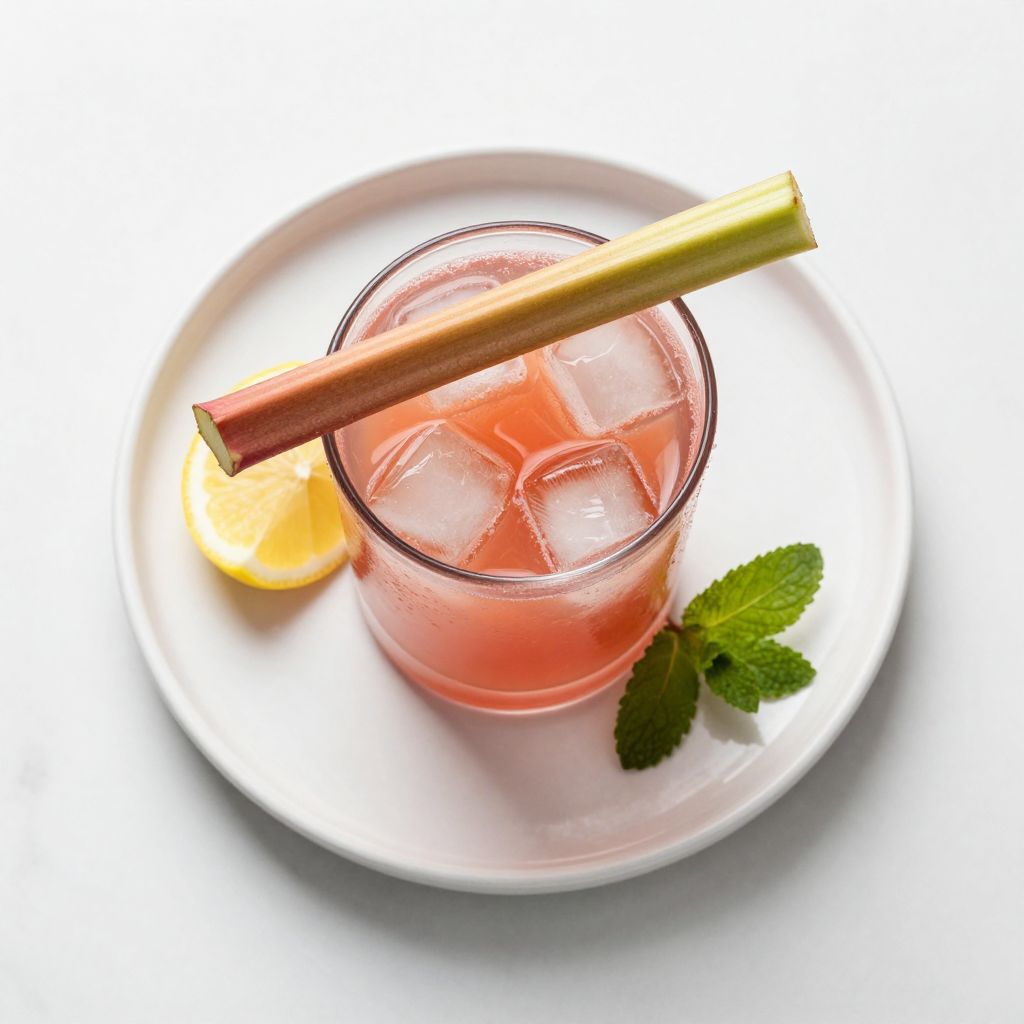
The first time I pressed a glass of homemade rhubarb juice to my lips, I tasted pure spring in liquid form: tart, bright, and impossibly refreshing.
Rhubarb juice is one of those recipes that transforms a humble, underused vegetable into something people actually crave. It’s naturally sweet-tart without added sugar, takes just minutes to prepare, and stores beautifully in your fridge for weeks.
This juice captures the essence of rhubarb’s tangy personality while letting you skip the fibrous pulp that can feel heavy on the stomach. Whether you sip it straight, mix it into cocktails, or use it as a sauce for desserts, you’ll find yourself making this recipe on repeat.
Why You’ll Love This Recipe
Rhubarb juice delivers bright, complex flavor with minimal fuss and zero refined sugar when made simply. It’s versatile enough for breakfast glasses, fancy cocktails, or even drizzled over ice cream.
- Fast to make with just a few ingredients and basic kitchen equipment
- Naturally tart and only subtly sweet, so it works in savory applications too
- Keeps for weeks in the refrigerator, making it perfect for batch prep
- Packed with vitamin C and natural antioxidants from fresh rhubarb
- Impressive enough to serve at dinner parties but simple enough for weekday mornings
My Experience Making This Recipe
I first made rhubarb juice after finding a pile of early-spring stalks at the farmers market and having no idea what to do with them. The first batch turned out cloudy and oddly bitter because I didn’t strain it properly and left the skin on too long.
By the third attempt, I nailed it: properly rinsed rhubarb, a gentle simmer, careful straining through cheesecloth, and patience. The result was glowing pink liquid that my kids actually asked for by name.
Now I make a big batch in late spring when rhubarb is abundant and cheap, then freeze it in ice cube trays for cocktails all summer. My partner jokes that I’ve solved the “what to do with rhubarb” problem, and honestly, I’m not mad about it.
Recipe Overview
- Recipe Name: Homemade Rhubarb Juice
- Servings: 4 servings (about 16 ounces total)
- Prep Time: 10 minutes
- Cook Time: 15 minutes
- Total Time: 25 minutes plus straining time
- Course: Beverage
- Cuisine: Modern/Contemporary
- Calories per Serving: 45
Equipment You Will Need
- Large stainless steel pot
- Sharp chef’s knife
- Cutting board
- Wooden spoon or silicone spatula
- Fine-mesh strainer
- Cheesecloth or clean kitchen towel
- Glass jars or bottles for storage
- Measuring cups and spoons
- Optional: citrus juicer for lemon juice
Ingredients for Rhubarb Juice
- 2 pounds fresh rhubarb stalks, trimmed and chopped into 1-inch pieces
- 4 cups water
- 1/2 cup honey or maple syrup, or to taste
- Juice of 1 lemon, freshly squeezed
- Pinch of sea salt
- Optional: 1 tablespoon fresh ginger, sliced, for warmth and spice
Ingredient Notes and Substitutions
- Fresh rhubarb stalks: Rhubarb adds the signature tartness and natural pink-red color without needing food dyes. Frozen rhubarb works fine if fresh isn’t available, though the juice may be slightly less vibrant.
- Water: Plain filtered water lets the rhubarb flavor shine without interference. You can replace up to half the water with apple juice for added sweetness and body.
- Honey: Honey dissolves smoothly into the warm juice and adds floral undertones. Agave syrup, cane sugar, or even coconut sugar work as one-to-one swaps with slightly different flavor notes.
- Lemon juice: Lemon brightens the rhubarb and prevents the juice from tasting dull or one-dimensional. Fresh lime juice or white wine vinegar can replace it for a different bright note.
- Ginger: Optional but recommended for depth and a subtle warming spice that plays beautifully against tart rhubarb. Omit if you prefer pure rhubarb flavor, or increase the amount if you love ginger.
How to Make Rhubarb Juice
Step 1: Prepare the Rhubarb
Rinse the fresh rhubarb stalks under cold water and pat them dry with a clean towel. Trim away any leaves (they’re toxic and must be discarded) and the tough bottom end, then chop the stalks into 1-inch pieces so they cook evenly and release their juice quickly.
Step 2: Add Water to the Pot
Pour 4 cups of water into a large stainless steel pot and bring it to a boil over medium-high heat. Water is the base that will extract rhubarb’s flavor while keeping the final juice clear and light.
Step 3: Add the Rhubarb and Ginger
Once the water boils, add your chopped rhubarb and the fresh ginger (if using) and stir gently with a wooden spoon. Ginger and rhubarb together create a sophisticated flavor combination, though you can skip the ginger if you prefer a pure, simple rhubarb taste.
Step 4: Simmer Gently
Reduce the heat to medium-low and let the mixture simmer uncovered for 12 to 15 minutes, until the rhubarb is completely soft and falling apart. Low heat prevents the juice from becoming cloudy and keeps the bright color intact, while full disintegration of the stalks ensures maximum flavor extraction.
Step 5: Remove from Heat and Cool Slightly
Turn off the heat and let the pot sit on the stove for 5 minutes so the liquid cools just enough to handle safely. This brief rest allows the flavors to meld and makes straining easier without losing any of the heat-sensitive bright notes.
Step 6: Strain Through Cheesecloth
Pour the rhubarb mixture through a fine-mesh strainer lined with cheesecloth into a large bowl, letting it drip naturally without pressing. Pressing the pulp will muddy the juice and add unwanted bitterness from the rhubarb skin, so patience here rewards you with a clearer, cleaner final product.
Step 7: Sweeten with Honey
While the juice is still warm, stir in 1/2 cup honey (or your chosen sweetener) until it dissolves completely. Warm liquid dissolves sweeteners instantly without requiring extra whisking, and honey’s floral notes complement rhubarb’s tartness beautifully.
Step 8: Add Brightness with Lemon
Squeeze fresh lemon juice into the warm juice and add a pinch of sea salt, stirring to combine. Lemon lifts the flavor and prevents the juice from tasting dull, while a tiny pinch of salt rounds out all the flavors and makes the rhubarb pop.
Step 9: Chill and Taste
Transfer the juice to clean glass jars and refrigerate for at least 1 hour before serving. Chilled juice tastes more refreshing and lets you judge the sweetness and tartness balance accurately; add more honey or lemon if needed once it’s cold.
Pro Tip: Strain the juice twice if you want it perfectly clear and restaurant-quality. The first strain removes large pulp, and a second pass through clean cheesecloth removes any remaining sediment for a jewel-like appearance.
Tips for the Best Rhubarb Juice
- Choose bright red or pink rhubarb stalks rather than pale green ones, as they have better flavor and color. Green rhubarb works fine but produces a duller-looking juice.
- Don’t skip the lemon juice, as it’s essential for brightening the rhubarb’s naturally flat, one-note tartness. Even half a lemon makes a noticeable difference.
- Taste the juice while it’s warm, then taste again after chilling, since cold mutes sweetness perception. You may want to add more honey after chilling than you think.
- For the clearest juice, resist the urge to squeeze or press the pulp during straining, no matter how much liquid clings to it. Clear juice looks more impressive and tastes less bitter.
- Keep the juice in glass bottles or jars rather than plastic, as rhubarb’s acidity can slowly leach chemicals from plastic over time. Glass is safer and keeps the juice tasting fresh longer.
- Make a large batch in spring when rhubarb is cheapest and freeze it in ice cube trays for instant cocktail mixers all summer. Frozen cubes last three months and thaw quickly in a glass.
Common Mistakes to Avoid
- Using leaves or the white leafy bases: Rhubarb leaves contain oxalic acid and are genuinely toxic. Always trim them off completely before cooking, no exceptions.
- Boiling the juice too vigorously: High heat and aggressive boiling make the juice cloudy and can extract bitter tannins from the rhubarb skin. Gentle simmering is key to a clear, clean-tasting result.
- Skipping the salt: A tiny pinch of salt costs nothing but rounds out the entire flavor profile and makes the rhubarb taste more vivid. Don’t omit it just because it’s small.
- Pressing the pulp during straining: Squeezing every last drop of juice from the pulp extracts unwanted bitterness and cloudiness. Let gravity do the work and discard the pulp without pressure.
- Adding sweetener while the juice is still hot: This makes it nearly impossible to taste accurately and often results in oversweetening once the juice cools. Wait until it’s cold to adjust sweetness to your preference.
Serving Suggestions
Rhubarb juice shines served simply over ice or mixed into a variety of drinks and dishes. Its tartness plays well with both sweet and savory applications, making it far more versatile than typical juice.
- Serve chilled straight over ice as a refreshing afternoon beverage or breakfast drink
- Mix into sparkling water or prosecco for an elegant aperitif with minimal effort
- Drizzle over vanilla ice cream or Greek yogurt for a sophisticated dessert sauce
- Combine with vodka or gin and a splash of ginger ale for a simple cocktail
- Use as a glaze for roasted duck, pork, or salmon for a bright, acidic counterpoint to rich meat
Variations to Try
- Strawberry Rhubarb: Replace 1 pound of rhubarb with fresh strawberries to soften the tartness and add fruity sweetness. The juice becomes more approachable for people who find straight rhubarb too sour.
- Ginger Forward: Increase fresh ginger to 2 tablespoons and add a pinch of cayenne pepper for heat and spice. This version works beautifully in cocktails or as a wellness shot.
- Herbal Rhubarb: Add a small handful of fresh mint or basil during the simmer for garden-fresh herbaceousness. Strain out the herbs before bottling and you’ll have a sophisticated, complex juice.
- Apple Rhubarb: Replace half the water with fresh apple juice and reduce honey to 1/4 cup. Apple adds body and natural sweetness that balances rhubarb’s extreme tartness without tasting cloying.
- Spiced Version: Add a cinnamon stick and 2 cloves during simmering for warm spice notes. Strain them out before bottling and you’ll have a juice that tastes almost like a spiced tea.
Dietary Adaptations
- Gluten-Free: This recipe is naturally gluten-free with no modifications needed. All ingredients are inherently free of gluten and cross-contamination is unlikely in a home kitchen.
- Dairy-Free: The recipe contains no dairy products, so it’s naturally vegan and suitable for anyone avoiding milk. It works beautifully as a standalone juice or mixer for dairy-free cocktails.
- Vegan: Substitute maple syrup or agave for honey as your sweetener and the recipe is fully vegan. The flavor remains beautiful and the juice stays shelf-stable.
- Low-Sugar or Keto: Use monk fruit sweetener or erythritol instead of honey at half the quantity for fewer carbs. The juice becomes drier and more sour, which some people actually prefer.
- No Added Sugar: Omit the honey entirely and rely on the natural sweetness of rhubarb plus lemon juice and salt for balance. The juice will be quite tart but still drinkable over ice.
Storage and Reheating
Refrigerator
Store rhubarb juice in clean glass bottles with tight-fitting lids in the coldest part of your refrigerator. Properly stored juice keeps for up to 3 weeks without any sign of spoilage.
- Keep the bottles tightly sealed to prevent oxidation and flavor degradation
- Store toward the back of the fridge where temperature stays most consistent
- Don’t open and close the bottle repeatedly, as this introduces bacteria
Freezer
Freeze rhubarb juice in ice cube trays for convenient single-serving portions that last up to 3 months. Once frozen solid, transfer the cubes to a freezer bag and label with the date.
- Freeze juice in ice cube trays first, then transfer frozen cubes to freezer bags to save space
- Or freeze in small glass jars with 1/2 inch headspace to allow for expansion
- Thaw overnight in the refrigerator before using
Reheating
Rhubarb juice is meant to be served cold and doesn’t require reheating, though you can gently warm it if you prefer hot juice. Heat slowly over low flame to avoid damaging the flavor or causing bitterness to emerge.
- Pour juice into a small saucepan and warm over low heat, stirring occasionally
- Don’t allow it to simmer or boil, as heat will degrade the bright flavor
- Serve warm with a splash of honey if desired
Nutrition Information
| Nutrient | Amount |
|---|---|
| Calories | 45 |
| Total Fat | 0g |
| Saturated Fat | 0g |
| Carbohydrates | 12g |
| Fiber | 0g |
| Sugar | 11g |
| Protein | 0g |
| Sodium | 35mg |
| Cholesterol | 0mg |
This nutrition information is approximate and based on the listed ingredients. Values may vary slightly depending on the exact variety of rhubarb and brand of honey used.
Frequently Asked Questions
Can I use frozen rhubarb instead of fresh?
Yes, frozen rhubarb works perfectly in this recipe and tastes nearly identical to fresh. Thaw it completely before using and expect the juice to be slightly less vibrant in color but equally delicious in flavor.
Is rhubarb juice safe for kids to drink?
Rhubarb juice made this way is safe for kids, though it’s very tart and most children prefer it diluted with water or mixed with sweeter juices. The leaves are toxic, but the stalk juice itself contains no harmful compounds.
How long does rhubarb juice last after opening?
An opened bottle of rhubarb juice stays fresh in the refrigerator for about one week if kept tightly sealed. After that point, flavor starts to fade and you risk fermentation if the bottle sits warm.
Why is my rhubarb juice cloudy instead of clear?
Cloudiness typically results from pressing the pulp during straining or boiling the juice too vigorously. Try a second straining through fresh cheesecloth and remember to use gentler heat the next time you make a batch.
Can I make rhubarb juice without honey?
Yes, you can omit honey entirely and rely on salt and lemon juice for balance, creating a dry, tart juice. Alternatively, use a sugar substitute like monk fruit for a zero-calorie version.
What can I do with the leftover rhubarb pulp?
Don’t throw away the strained pulp; it makes excellent rhubarb jam, compote, or even compost for your garden. You can also freeze it for later use in baking or sauces.
Final Thoughts
Homemade rhubarb juice transforms a spring vegetable into something genuinely crave-worthy and impossibly easy to make. Once you understand the basic technique, you’ll find yourself making it repeatedly every spring and freezing it for year-round enjoyment.
Don’t wait for a special occasion to try this recipe. Pick up a bunch of rhubarb from the farmers market this week, spend 25 minutes in the kitchen, and discover why rhubarb juice deserves a permanent spot in your beverage rotation.
If you enjoy working with tart, distinctive flavors in your kitchen, you might also love making guava juice recipe for tropical brightness or exploring fruit moonshine mash recipe for more adventurous projects. Each one offers unique flavor possibilities and storage techniques worth mastering.
Homemade Rhubarb Juice
Ingredients
Equipment
Method
- Rinse the rhubarb stalks under cold water, discard leaves, pat dry, and chop into 1-inch pieces.
- Pour 4 cups water into a large pot and bring to a boil over medium-high heat.
- Add chopped rhubarb and sliced ginger to the boiling water and stir gently.
- Reduce heat to medium-low and simmer uncovered for 12 to 15 minutes, until rhubarb is soft and falling apart.
- Turn off heat and let the mixture rest for 5 minutes to cool slightly.
- Line a fine-mesh strainer with cheesecloth, place over a bowl, and pour the rhubarb mixture through without pressing the pulp.
- While the juice is still warm, stir in 1/2 cup honey (or chosen sweetener) until fully dissolved.
- Add fresh lemon juice and a pinch of sea salt to the juice and stir to combine.
- Transfer the juice to clean glass jars, refrigerate for at least 1 hour, and serve chilled.