
There’s something wonderfully tangy and unexpected about biting into a crisp dill pickle spear nestled in a martini glass, the briny juice mixing with gin and dry vermouth to create pure cocktail magic.
The pickletini has become a cult favorite among those who love savory cocktails and aren’t afraid of bold flavors. This drink skips the traditional olive and trades sweetness for a punch of umami and pickle brine that transforms a classic martini into something genuinely exciting.
What makes this recipe special is how simple it is to execute yet how impressive it tastes when done right. You don’t need fancy equipment or obscure ingredients, just quality spirits, proper chilling techniques, and respect for the pickle juice that makes this drink sing.
Why You’ll Love This Recipe
This cocktail breaks the rules in the best way possible, delivering a savory drinking experience that pairs perfectly with appetizers and fun nights with friends.
- Incredibly simple to make with just a handful of ingredients you likely have on hand
- The tangy, briny flavor cuts through spirits beautifully and satisfies savory cravings
- Impresses guests with its unique profile while remaining approachable and not pretentious
- Works equally well as an aperitif or as a palate cleanser between rich dishes
- Perfect for those who find traditional martinis too spirit-forward or lack flavor complexity
My Experience Making This Recipe
I first encountered a pickletini at a whiskey bar in Chicago, and the bartender’s casual confidence in sliding the pickle spear across the bar made me immediately curious. The first sip surprised me because the brine wasn’t an afterthought or a gimmick; it genuinely enhanced the botanical notes of the gin and added a savory dimension I didn’t know I was missing.
Since then, I’ve made countless versions at home, and I’ve learned that the quality of your pickle juice matters as much as your spirits. Fresh, unpasteurized pickle juice from a quality brand or homemade brine creates an entirely different drinking experience than the stuff from a supermarket jar.
Friends who claim they hate martinis have actually enjoyed pickletinis because the brine softens the alcohol’s harsh edges and adds character. It’s become my go-to cocktail when I want something that feels special without requiring a bartending degree.
Recipe Overview
- Recipe Name: Pickletini
- Servings: 1
- Prep Time: 5 minutes
- Cook Time: 0 minutes
- Total Time: 5 minutes
- Course: Cocktail
- Cuisine: American
- Calories per Serving: 165
Equipment You Will Need
- Cocktail shaker or mixing glass
- Jigger for measuring spirits
- Bar spoon or long-handled spoon
- Strainer (Hawthorne or julep style)
- Martini glass (chilled)
- Small cutting board for garnish
Ingredients for Pickletini
- Gin: 2 ounces (London Dry style preferred)
- Dry vermouth: 0.5 ounces
- Pickle juice: 0.25 ounces (fresh, briny, from dill pickles)
- Ice: Enough for shaking or stirring
- Dill pickle spear: 1, for garnish
- Optional: splash of dry sherry for added depth
Ingredient Notes and Substitutions
- Gin: The backbone of any martini, gin provides the botanical base that plays beautifully with pickle brine. If you prefer a softer profile, substitute with vodka, though you’ll lose some of the herbal complexity.
- Dry vermouth: This fortified wine rounds out the sharp edges of the gin while adding subtle spice and herbal notes. Substitute with a small amount of dry sherry or skip it entirely for a more spirit-forward drink, but you’ll lose balance.
- Pickle juice: The star ingredient that defines this cocktail, high-quality brine from naturally fermented dill pickles tastes brighter than vinegar-based brands. Use homemade pickle brine if you have it, as store-bought versions vary significantly in salt and acidity levels.
- Dill pickle spear: The garnish that ties everything together, a good spear should be crisp and flavorful. Substitute with pickle-stuffed green olives if you want a hybrid approach, though you’ll shift the flavor slightly toward the classic martini.
How to Make Pickletini
Step 1: Chill Your Glass
Place your martini glass in the freezer for at least 5 minutes before you start mixing. A cold glass keeps the drink cold longer and prevents the spirits from warming up and tasting diluted.
Step 2: Fill Your Shaker with Ice
Add a generous handful of fresh ice to your cocktail shaker or mixing glass. Cold ice is essential because it chills the ingredients rapidly without adding too much water through melting.
Step 3: Measure and Pour the Gin
Using a jigger, measure out 2 ounces of gin and pour it into the shaker over the ice. Gin provides the primary flavor and alcohol content, so quality matters here.
Step 4: Add the Dry Vermouth
Measure 0.5 ounces of dry vermouth and add it to the shaker. This smaller amount of vermouth creates balance without overpowering the gin or pickle juice.
Step 5: Add the Pickle Juice
Carefully measure 0.25 ounces of pickle juice and pour it into the shaker. This small amount might seem insignificant, but it’s potent enough to shift the entire flavor profile without making the drink taste like a pickle juice shot.
Step 6: Shake or Stir the Mixture
Cover the shaker and shake vigorously for about 10 seconds, or gently stir for 30 seconds if you prefer the softer texture of a stirred martini. Shaking creates more dilution and a slightly lighter mouthfeel, while stirring keeps the drink more spirit-forward.
Step 7: Strain Into Your Chilled Glass
Use your strainer to pour the mixture into the chilled martini glass, leaving the ice behind in the shaker. Straining prevents ice shards from ending up in your glass and ensures a smooth, clean drink.
Step 8: Garnish with the Pickle Spear
Drop or lay a crisp dill pickle spear into the glass as your garnish. The spear serves as both a flavor element and a visual indicator of what makes this martini different.
Pro Tip: Use pickle juice from naturally fermented pickles rather than vinegar-based varieties because fermented brine has more complexity and depth that plays beautifully with gin’s botanicals.
Tips for the Best Pickletini
- Invest in quality gin with a botanical profile you enjoy, as mid-shelf brands make a noticeable difference in how well the pickle juice integrates with the spirit.
- Chill your glass thoroughly before mixing because even 5 minutes in a freezer significantly extends how long your drink stays cold and delicious.
- Use fresh pickle juice from a jar you’ve recently opened rather than juice that’s been sitting for months, as the flavor degrades and becomes flatter over time.
- Taste your pickle juice before using it, as brands vary wildly in salt content and acidity; some may need dilution with a tiny splash of water if overly salty.
- Shake or stir for the right amount of time without overdoing it, as over-dilution from excessive shaking makes the pickle flavor too subtle and the drink too watery.
- Serve immediately after straining and don’t let the drink sit while you’re doing other things, as the temperature drops quickly and the flavors flatten.
Common Mistakes to Avoid
- Using too much pickle juice throws the balance completely off and makes the drink taste more like brined vegetables than a martini. Stick to the 0.25 ounce measurement unless you’ve adjusted the other ingredients accordingly.
- Skipping the vermouth leaves the drink too aggressive and spirit-heavy, making it feel harsh rather than complex. The vermouth’s herbal sweetness bridges the gap between gin and pickle juice beautifully.
- Forgetting to chill your glass results in a lukewarm cocktail that tastes flat and unbalanced within minutes. Those 5 freezer minutes matter more than you’d think.
- Using low-quality or overly vinegary pickle juice creates a thin, sour flavor that doesn’t complement the gin. Taste your brine before committing it to your cocktail.
- Mixing the drink too far ahead of serving causes it to dilute and lose its crisp, cold character. Make it fresh and serve it immediately for the best experience.
Serving Suggestions
The pickletini shines as an aperitif before a meal, or as a standalone sip during casual gatherings with friends who appreciate bold flavors. Its savory profile pairs exceptionally well with briny, salty, and umami-forward foods.
- Serve alongside cured meats, aged cheeses, and olives for a sophisticated charcuterie pairing
- Pair with salty appetizers like smoked salmon on rye or anchovy-topped crostini
- Enjoy before eating oysters or other briny seafood as a flavor-bridge cocktail
- Offer at parties featuring charcuterie boards or shareable savory snacks
- Sip as a palate cleanser between rich dishes during a tasting menu experience
Variations to Try
- Spicy Pickletini: Add a small splash of hot sauce or a pinch of cayenne pepper to the shaker for a cocktail with a peppery kick that plays interestingly with the brine.
- Vodka Pickletini: Substitute vodka for gin if you prefer a cleaner, more neutral spirit that lets the pickle flavor take center stage without botanical competition.
- Dirty Pickletini: Increase the pickle juice to 0.5 ounces and add a splash of olive brine as well, creating a hybrid that blurs the line between a classic dirty martini and a pickletini.
- Herbed Pickletini: Add a fresh sprig of dill or tarragon to the shaker for an herbal variation that amplifies the pickle’s natural partner flavors.
- Smoky Pickletini: Use a smoky gin variety or add a tiny pinch of smoked sea salt to the rim for a cocktail with deeper, savory undertones.
Dietary Adaptations
- Gluten-free: Most gins and vermouths are naturally gluten-free, but verify your specific brands to ensure no cross-contamination occurred during production.
- Dairy-free: This cocktail contains no dairy products, so it’s automatically dairy-free regardless of ingredients chosen.
- Vegan: Standard gin, vermouth, and pickle juice are all vegan, though some fortified wines use animal products; check your vermouth label to be certain.
- Low-carb/Keto: This cocktail is naturally low in carbohydrates with minimal sugar content, making it fully compatible with low-carb and keto dietary approaches.
Storage and Reheating
Refrigerator
Cocktails don’t store well and should be consumed immediately after preparation. However, you can keep your pickle juice and other ingredients refrigerated between 5 to 7 days for future cocktails.
- Store gin and vermouth in a cool, dark place indefinitely after opening
- Keep pickle juice in its original jar for up to one week after opening
- Pre-chill your glasses in the freezer up to 2 hours before serving
Freezer
You can keep gin in the freezer for a consistently chilled spirit that’s ready to use. Vermouth and pickle juice don’t need freezing and will lose quality in extreme cold.
- Store gin bottles in the freezer for maximum chill without ice dilution
- Don’t freeze vermouth as it can affect the fortified wine’s delicate flavor profile
- Keep pickle juice at room temperature or refrigerated, not frozen
Reheating
This cocktail doesn’t require reheating, as it’s served cold and meant to be consumed immediately. Never attempt to reheat or refresh a warm pickletini; simply make a fresh one instead.
- Always prepare fresh cocktails rather than trying to revive warm ones
- Chill ingredients thoroughly before mixing to ensure proper temperature
Nutrition Information
| Nutrient | Amount |
|---|---|
| Calories | 165 |
| Total Fat | 0g |
| Saturated Fat | 0g |
| Carbohydrates | 1g |
| Fiber | 0g |
| Sugar | 0g |
| Protein | 0g |
| Sodium | 320mg |
| Cholesterol | 0mg |
These values are estimates based on standard ingredients and may vary slightly depending on the specific brands and proportions you use. Pickle juice sodium content varies significantly by brand, so check your jar’s nutrition label for accuracy.
Frequently Asked Questions
Can I make a pickletini without vermouth?
You technically can, but vermouth serves an important balancing function that keeps the drink from becoming too aggressive and spirit-heavy. Skipping it creates a harsher, less refined cocktail.
What’s the difference between shaking and stirring a pickletini?
Shaking adds more dilution and creates a slightly lighter mouthfeel with tiny ice particles that chill the drink rapidly. Stirring keeps the drink more spirit-forward and smooth, giving you a more serious cocktail experience.
Can I prepare the pickletini ahead of time?
No, cocktails should be made fresh and served immediately because they dilute quickly and lose their cold temperature within minutes. Preparing ingredients ahead is fine, but mixing should happen right before serving.
Why does my pickletini taste too salty?
You may be using overly salty pickle juice or too much of it, or your vermouth might be heavy-handed with sodium. Taste your pickle juice first and consider using less if it’s especially briny, or dilute it slightly with water.
Is the pickle spear just a garnish or do I eat it?
The pickle spear is both a garnish and a flavor component meant to be eaten alongside or dunked into the cocktail. It adds visual appeal and gives you something to nibble on as you enjoy your drink.
What gin works best for a pickletini?
A classic London Dry style gin with strong juniper and herbal botanicals pairs beautifully with pickle brine. Avoid heavily botanical or citrus-forward gins that might compete with the brine’s savory profile.
Final Thoughts
The pickletini deserves a spot in your cocktail repertoire because it challenges the notion that martinis must be serious, spirit-forward, and somewhat one-dimensional. This drink proves that breaking tradition can lead to something genuinely delicious and memorable.
Next time you’re in the mood for a cocktail that feels special without pretension, make yourself a pickletini and discover why so many bartenders and home enthusiasts have fallen for this briny, bold creation. Your taste buds will thank you for the unexpected flavor adventure.
Explore More Cocktail Recipes
If you enjoyed learning how to make a pickletini, explore more unique cocktails that celebrate bold flavors and savory profiles. Discover similar briny and spirit-forward drinks that will expand your home bartending skills and impress your guests with unexpected flavor combinations.
Check out our pickle martini recipe for another take on briny cocktails, or explore the pickle back shot recipe for a fun, fast way to enjoy bold pickle-forward flavors in your drinking experience.
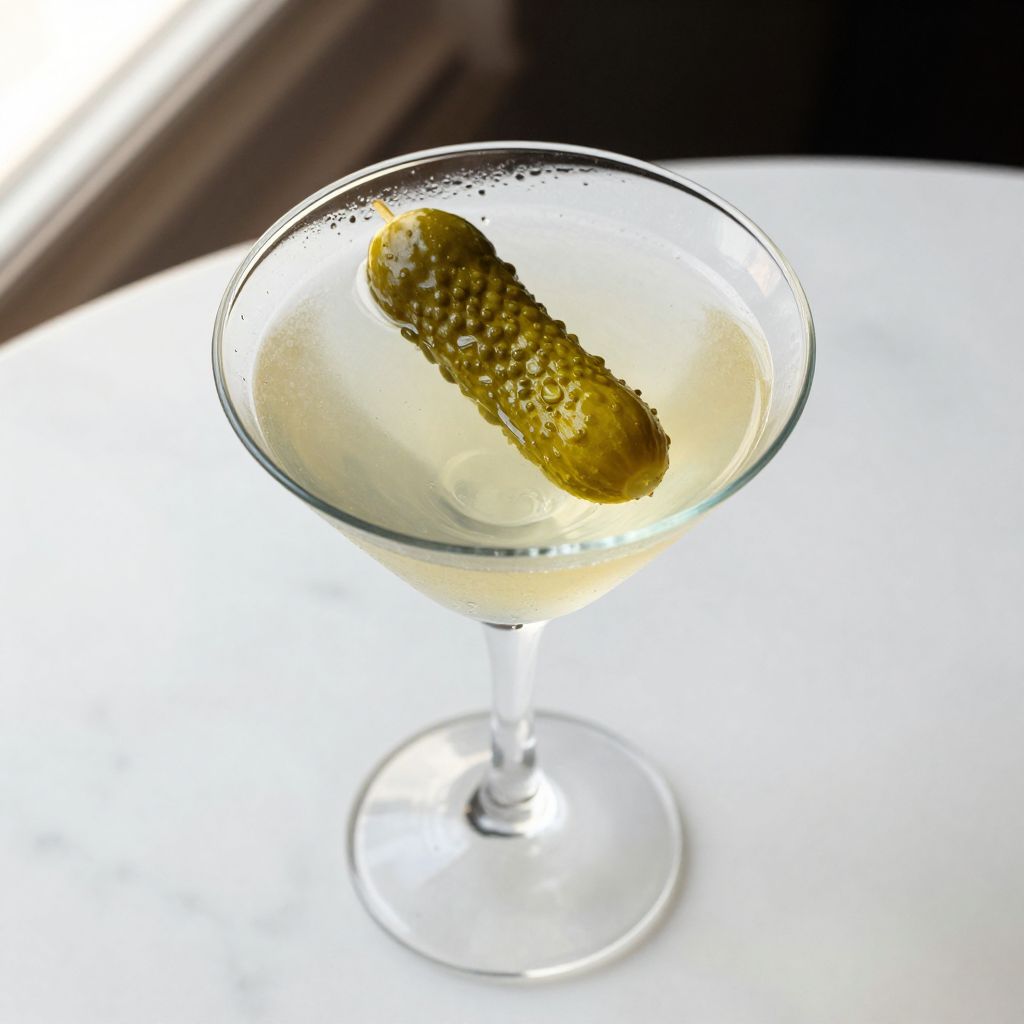
Pickletini
Ingredients
Equipment
Method
- Place the martini glass in the freezer and chill for at least 5 minutes.
- Fill a cocktail shaker or mixing glass with a generous handful of fresh ice.
- Using a jigger, measure and pour 2 ounces of gin into the shaker over the ice.
- Measure and add 0.5 ounces of dry vermouth to the shaker.
- Measure and pour 0.25 ounces of pickle juice into the shaker.
- Cover the shaker and shake vigorously for 10 seconds or stir gently for 30 seconds.
- Use a strainer to pour the mixture into the chilled martini glass, leaving the ice behind.
- Garnish with a dill pickle spear and serve immediately.