
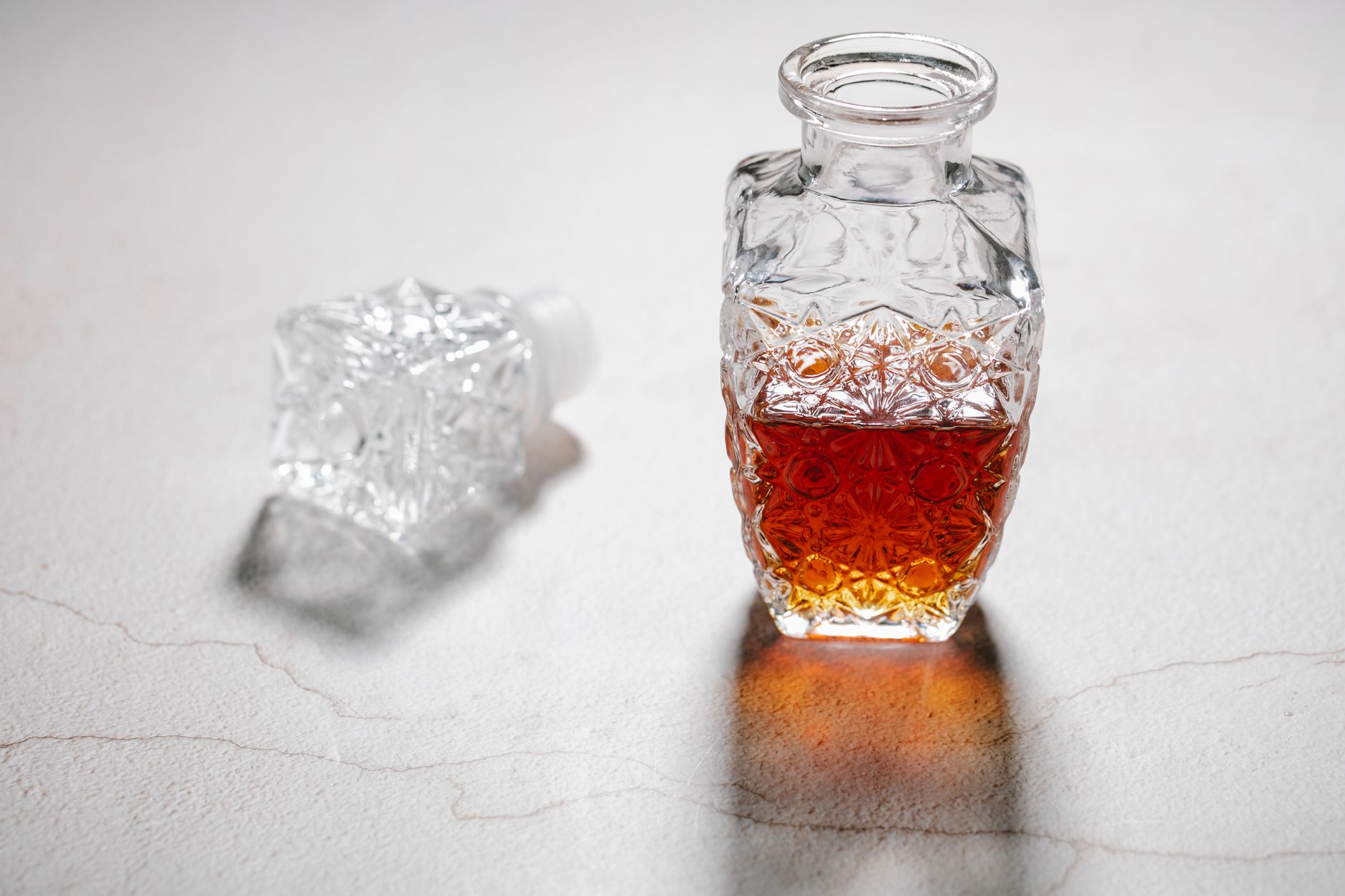
Pure alcohol, often referred to as ethanol, is a colorless and volatile liquid commonly used in the food and beverage industry. This comprehensive guide explores what pure alcohol is, its various culinary applications, and essential tips for its use in cooking and cocktail crafting.
Understanding pure alcohol is crucial for anyone delving into the culinary world, especially when it comes to creating drinks, infusions, and flavoring ingredients.
What Is Pure Alcohol?
Pure alcohol, or ethanol, is a type of alcohol that is distilled to a minimum purity level of 95% alcohol by volume (ABV). It is derived from the fermentation of sugars and starches found in grains, fruits, or even vegetables. It acts as a solvent and preservative, making it popular in cooking and the crafting of alcoholic beverages.
Commonly recognized in forms such as vodka, rum, and whiskey, pure alcohol’s versatility extends beyond drinks to culinary realms where it enhances flavors and preserves foods.
The Characteristics of Pure Alcohol
Pure alcohol is distinguished by several key characteristics:
- High Solubility: It effectively dissolves both polar and non-polar compounds, making it suitable for extracting flavors and aromatics from various ingredients.
- Volatility: This means it evaporates quickly, allowing for quick cooking methods and resulting in a more concentrated flavor profile in dishes.
- Preserving Qualities: Alcohol can act as a preservative when used in food formulations, thanks to its ability to inhibit microbial growth.
Culinary Uses of Pure Alcohol
Pure alcohol is utilized in a myriad of culinary applications, ranging from cooking techniques to beverage preparation. Below are some of the most prominent uses:
1. Flavor Extracts and Infusions
Pure alcohol is an excellent base for creating flavor extracts, such as vanilla or almond extract. The high alcohol content helps to extract and preserve the flavors from beans, nuts, and herbs effectively.
2. Cooking and Deglazing
In cooking, pure alcohol is utilized for deglazing pans after searing meat. The high heat helps to evaporate most of the alcohol, leaving behind concentrated flavors that can elevate sauces and gravies.
3. Preserving Fruits and Vegetables
Alcohol is used in preserving fruits and vegetables, creating delicious pickles or fruit preserves. The alcohol helps to prevent spoilage while infusing delicious flavors into the preserved food.
4. Baking
In baking, pure alcohol can be included in recipes for cakes and pastries. It can enhance flavors and create a tender texture by interfering with gluten formation. Additionally, it evaporates during baking, leaving behind a concentrated flavor.
5. Cocktail Crafting
Pure alcohol is the backbone of many cocktails. Spirits made from pure alcohol, such as vodka and gin, serve as a base for an array of mixed drinks. Bartenders often use pure alcohol for crafting innovative cocktail recipes.
Choosing Pure Alcohol for Culinary Use
When selecting pure alcohol for culinary purposes, consider the following factors:
1. Alcohol Content
Look for alcohol with a high ABV, usually around 95% for pure alcohol properties. Consider the intended use; for cooking and flavoring, lower ABV spirits (around 40%) may be more suitable.
2. Source and Quality
Opt for high-quality alcohol that is made from natural ingredients. This ensures better flavor extraction and fewer impurities, contributing to improved taste in your dishes.
3. Purity
Check for purity labels and ensure the alcohol is free from additives, which can alter the flavor and quality of food products.
Common Substitutes for Pure Alcohol
In some recipes, you might want to replace pure alcohol without compromising the end flavor. Here are some acceptable substitutes:
- White Wine Vinegar: Good for deglazing and provides acidity.
- Apple Juice: A sweeter alternative in desserts or marinades.
- Broth: For savory dishes, vegetable or chicken broth can help maintain moisture and flavor.
- Non-Alcoholic Spirits: These can offer similar flavor profiles without the alcohol content.
Practical Tips for Cooking with Pure Alcohol
When incorporating pure alcohol into your cooking, keep these practical tips in mind:
1. Use Sparingly
Since pure alcohol has robust flavor properties, use it sparingly. Start with a small amount and adjust based on taste.
2. Allow Time for Evaporation
When cooking with pure alcohol, allow it adequate time to evaporate to avoid harsh flavors in your final dish. Cook on medium-high heat to speed up this process.
3. Enhance Marinades with Alcohol
Incorporating pure alcohol into marinades can help break down proteins, making meats tender and flavorful.
4. Be Mindful of Alcohol Sensitivity
Remember that some people may be sensitive or allergic to alcohol, so consider this when selecting recipes for a diverse audience.
5. Pairing with Ingredients
Pair pure alcohol with complementary flavors, such as herbs, citrus, or spices, to achieve a balanced and harmonious dish.
Common Mistakes to Avoid
Here are common mistakes to watch for when cooking with pure alcohol:
1. Not Allowing Enough Cooking Time
Failing to cook alcohol long enough can result in a harsh taste. Remember that the flavor profile can change significantly with proper cooking time.
2. Using the Wrong Types
Not all alcohol is created equal. Choose appropriate types for your dish; for example, a sweeter drink may not work well in a savory sauce.
3. Overusing Alcohol
Using too much pure alcohol can overpower other flavors in your dish. Balance it with other ingredients to create a more unified flavor profile.
Storage and Shelf Life of Pure Alcohol
Proper storage of pure alcohol is essential:
- Temperature: Store in a cool, dry place, away from sunlight. High temperatures can affect the quality.
- Containers: Keep alcohol in its original, tightly sealed containers to prevent evaporation.
- Shelf Life: Pure alcohol has an indefinite shelf life when stored correctly, but its flavor quality may decline if opened for extended periods.
Safety Considerations
When working with pure alcohol, it’s crucial to keep safety in mind:
- Flammability: Pure alcohol is flammable. Avoid open flames when using and store away from heat sources.
- Keep Away from Children: Ensure that pure alcohol is stored out of reach of children and pets.
- Cooking Times: Familiarize yourself with recommended cooking times to ensure alcohol is adequately evaporated for safety and flavor.
Conclusion and Next Steps
Understanding the role of pure alcohol in culinary applications can dramatically enhance your cooking and cocktail-making skills. Whether you’re infusing spirits for cocktails or enhancing the flavors of a dish, knowing how to use pure alcohol effectively is crucial.
For a deeper exploration of alcohol in food and drinks, consider trying your hand at making infusions with potato vodka or explore creating your own liqueurs with liqueur recipes to further enrich your culinary adventures.