
Picture this: a chilly evening, the comforting smell of potatoes cooking on the stove, and the anticipation of creating your own potato vodka. This homemade spirit not only brings a sense of accomplishment but also offers a smooth, rich flavor that’s hard to find in store-bought versions. It’s the perfect project for a weekend, allowing you to impress friends and family with your very own craft vodka, making every sip even more special.
Why You’ll Love This Recipe
This potato vodka recipe is a delightful mix of tradition and creativity. It’s not just about the end product, but the experience of making it.
- Unique flavor profile that stands out.
- A fun project that brings friends together.
- Control over ingredients ensures quality.
- Perfect for gifting or special occasions.
- Learn the art of distillation in a hands-on way.
My Experience Making This Recipe
When I first decided to try making potato vodka, I had no idea what to expect. The sweet, earthy aroma of the boiling potatoes filled my kitchen, making the whole process feel like a cozy adventure.
As the vodka began to distill, I could hardly contain my excitement. The first sip of my homemade creation was pure magic, rich and smooth, and I couldn’t help but feel proud of the labor of love that went into it.
Recipe Overview
- Recipe Name: Potato Vodka
- Servings: Varies
- Prep Time: 1 hour
- Cook Time: 7-10 days fermentation
- Total Time: Approximately 1-2 weeks
- Course: Beverage
- Cuisine: Homemade
- Calories per Serving: Varies
Equipment You Will Need
- Large pot for boiling
- Fermentation vessel with an airlock
- Hydrometer for measuring alcohol content
- Still for distillation
- Bottles for storage
- Strainer or cheesecloth
Ingredients for Potato Vodka
- 5 lbs of potatoes (the star of the show)
- 5 gallons of water (to cover the potatoes)
- 1 packet of distillers yeast (for fermentation)
- 1 cup of sugar (to feed the yeast)
- Optional: Flavorings (like herbs or spices for a twist)
Ingredient Notes and Substitutions
- Potatoes: They provide the starch needed for fermentation. You can substitute with other starchy vegetables like corn or beets.
- Water: It’s essential for the mash. Use filtered water for a cleaner taste.
- Distillers yeast: This yeast is designed for high alcohol production. Baker’s yeast can work in a pinch but won’t yield as much alcohol.
- Sugar: It helps boost fermentation. Honey or molasses can be interesting alternatives.
How to Make Potato Vodka
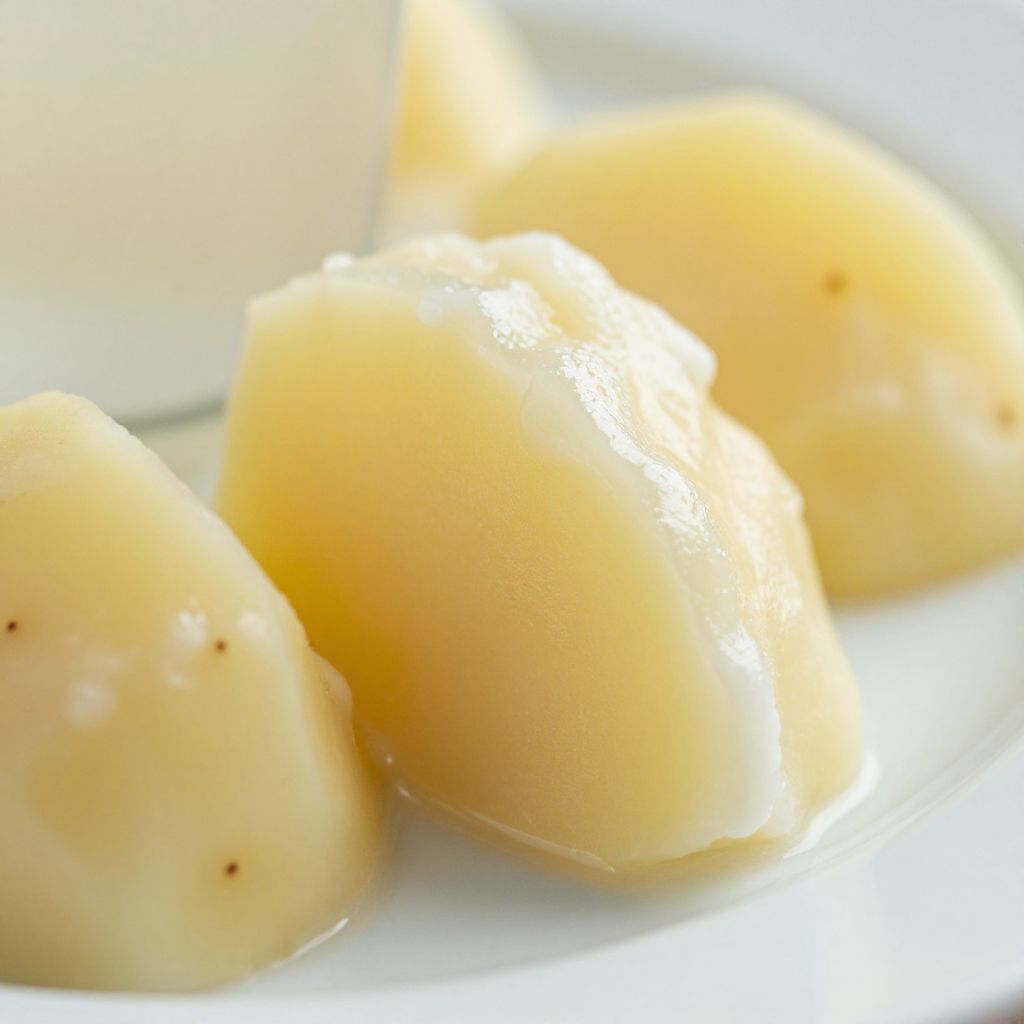
Step 1: Prepare the Potatoes
Start by washing the potatoes thoroughly to remove any dirt. This ensures a cleaner flavor and helps prevent any off tastes.
Step 2: Boil the Potatoes
Place the potatoes in a large pot and cover them with water. Boil until tender, about 30-40 minutes, which helps break down the starches needed for fermentation.
Step 3: Mash the Potatoes
Once boiled, drain and mash the potatoes until smooth. This increases the surface area for the yeast to work its magic.
Step 4: Mix the Mash
Add the sugar and enough water to create a thick mash. Stir well to dissolve the sugar and ensure even fermentation.
Step 5: Ferment the Mixture
Transfer the mash to a fermentation vessel and add the distillers yeast. Seal it with an airlock and let it sit for 7-10 days, allowing the yeast to convert sugars into alcohol.
Step 6: Distill the Vodka
After fermentation, strain the mixture to separate the liquid from the solids. This liquid is your wash, ready for distillation.
Step 7: Set Up the Still
Pour the wash into your still. Heat it gradually, allowing the alcohol to vaporize and then condense back into liquid vodka.
Step 8: Collect and Bottle the Vodka
Once distilled, collect the vodka in clean bottles. Store it in a cool, dark place to age and mellow the flavors.
Pro Tip: Always make sure your equipment is sanitized to avoid unwanted flavors in your vodka.
Tips for the Best Potato Vodka
- Use high-quality potatoes for better flavor.
- Monitor the fermentation temperature; it should be around 70-80°F.
- Be patient during distillation; rushing can lead to harsh flavors.
- Consider a second distillation for a smoother finish.
- Taste during the process to adjust flavors or sweetness as needed.
Common Mistakes to Avoid
- Not mashing potatoes enough, which can hinder fermentation.
- Using tap water with chlorine, which can affect the flavor.
- Skipping sterilization, leading to off flavors.
- Distilling too quickly, which can create a harsh vodka.
Serving Suggestions
Your homemade potato vodka is versatile and can be enjoyed in various ways. Here are a few pairing ideas:
- With tonic water and a squeeze of lime.
- As a base for a classic martini.
- In a vodka lemonade for a refreshing twist.
- With soda and fresh herbs for a unique cocktail.
Variations to Try
- Add herbs like rosemary or thyme during fermentation for a herbal vodka.
- Infuse with fruit such as raspberries or citrus for a fruity flavor.
- Experiment with spices like cinnamon for a warm, aromatic vodka.
- Try using different varieties of potatoes for unique taste profiles.
Dietary Adaptations
- Gluten-free: Naturally gluten-free since it only uses potatoes.
- Dairy-free: No dairy ingredients are involved.
- Vegan/vegetarian: Suitable for both diets.
- Low-carb/keto: Enjoy in moderation as vodka is low in carbs.
Storage and Reheating
Refrigerator
Store your vodka in the refrigerator to keep it chilled.
- Use clean, sterilized bottles.
- Seal tightly to maintain freshness.
Freezer
Vodka can also be stored in the freezer for an ultra-smooth finish.
- Ensure bottles are freezer-safe.
- Leave space in the bottle for expansion.
Reheating
Vodka is best enjoyed chilled and doesn’t require reheating.
- Simply pour it over ice or mix into cocktails.
Nutrition Information
| Nutrient | Amount |
|---|---|
| Calories | 97 |
| Total Fat | 0g |
| Saturated Fat | 0g |
| Carbohydrates | 0g |
| Fiber | 0g |
| Sugar | 0g |
| Protein | 0g |
| Sodium | 0mg |
| Cholesterol | 0mg |
This vodka is low in calories, making it a popular choice for cocktails.
Frequently Asked Questions
Can I use different types of potatoes?
Yes, different potatoes can yield varying flavor profiles and textures, so feel free to experiment.
How long can I store the vodka?
Homemade vodka can last indefinitely if stored properly in a cool, dark place.
Can I make this recipe ahead of time?
Absolutely! The fermentation process can take a week or more, so plan ahead for the best results.
What if my vodka tastes harsh?
This can happen if the distillation process was rushed; consider distilling again for a smoother finish.
Can I infuse flavors into my vodka?
Yes, infusing flavors is a great way to personalize your vodka and can be done during or after fermentation.
Final Thoughts
Making your own potato vodka is not just a fun kitchen experiment, but a rewarding experience that yields a delightful spirit. I encourage you to give it a try and share your creations with friends.
For more incredible cocktail ideas, check out this Tom Collins recipe or try a refreshing vodka paloma!
Potato Vodka
Ingredients
Equipment
Method
- Wash 5 lbs of potatoes thoroughly to remove any dirt.
- Place the potatoes in the large pot, cover with 5 gallons of water, bring to a boil, and cook for 30-40 minutes until tender.
- Drain the potatoes and mash them until smooth.
- Transfer the mash to the fermentation vessel, stir in 1 cup of sugar, and add enough water to create a thick mash.
- Add 1 packet of distillers yeast, seal the vessel with an airlock, and ferment at 70-80°F for 7-10 days.
- After fermentation, strain the mash through a strainer or cheesecloth to collect the wash.
- Pour the wash into the still, heat gradually, and allow the alcohol to vaporize and then condense back into liquid vodka.
- Collect the distilled vodka in clean, sterilized bottles and store in a cool, dark place.