
There’s something about the moment you feel that first scratch in your throat, that telltale sign a cold is creeping in, that makes you crave something warm and soothing. Sore throat tea isn’t just a drink; it’s a hug from the inside, packed with ingredients that actually work to ease discomfort and support your body’s natural healing.
This recipe combines honey, ginger, lemon, and a few other powerhouse ingredients to create a remedy that tastes genuinely good, not like medicine you’re choking down. You can make it in under five minutes, customize it to your taste, and reach for it multiple times a day without guilt.
Why You’ll Love This Recipe
This tea soothes irritation, tastes delicious, and uses ingredients you likely already have at home. It’s faster than a store-bought remedy and costs just pennies per cup.
- Soothing warmth that eases throat pain instantly
- Natural antimicrobial and anti-inflammatory ingredients
- Customizable sweetness and spice level
- No artificial additives or strange aftertastes
- Perfect for sipping throughout the day or before bed
My Experience Making This Recipe
I first made this tea years ago when my daughter came home with a nasty sore throat, and I was tired of the artificial cough drops she kept spitting out. Watching her face light up when she tasted it, then actually finish the whole cup, convinced me this was worth keeping on rotation.
The ginger hits first with a gentle warmth, followed by brightness from the lemon and that perfect honey sweetness that coats your throat. I’ve made this dozens of times since, and honestly, I find myself drinking it even when I’m not sick, just for the comfort of it.
My partner swears by adding a pinch of cayenne for extra kick, and our neighbor adds turmeric for the color and extra benefits. Everyone who tries it asks for the recipe, which tells you something about how well it actually works.
Recipe Overview
- Recipe Name: Sore Throat Tea
- Servings: 1 cup
- Prep Time: 3 minutes
- Cook Time: 2 minutes
- Total Time: 5 minutes
- Course: Beverage
- Cuisine: Natural Remedy
- Calories per Serving: 65
Equipment You Will Need
- Kettle or pot for boiling water
- Mug or tea cup
- Teaspoon for measuring and stirring
- Grater for fresh ginger (optional but recommended)
- Strainer or mesh infuser (if using loose ginger)
- Knife for slicing lemon
Ingredients for Sore Throat Tea
- Water: 1 cup (8 ounces), hot
- Raw honey: 1 to 2 tablespoons, or to taste
- Fresh lemon juice: 1 to 2 tablespoons
- Fresh ginger: 1 teaspoon, minced or grated (or 1/2 teaspoon ground ginger)
- Sea salt: 1 small pinch
- Optional: cayenne pepper: 1 pinch
- Optional: turmeric: 1/2 teaspoon
- Optional: apple cider vinegar: 1 teaspoon
Ingredient Notes and Substitutions
- Raw honey coats the throat and has natural antimicrobial properties that soothe inflammation. Regular pasteurized honey works too, though raw retains more beneficial enzymes, but if you don’t have honey, maple syrup or agave nectar provides similar sweetness and coating.
- Fresh lemon juice provides vitamin C and brightness that cuts through mucus. Bottled lemon juice works in a pinch, though fresh tastes noticeably better and has more active compounds.
- Fresh ginger reduces inflammation and warms from the inside. Ground ginger is a solid backup at half the amount, or you can skip it if you truly don’t have any, but the flavor won’t be as sharp.
- Sea salt is optional but genuinely helps numb throat pain with a gentle saltwater gargle effect. Table salt works just fine if sea salt isn’t handy, and omitting it won’t ruin anything.
- Cayenne pepper boosts circulation and adds a gentle heat that distracts from discomfort. Red pepper flakes work as a substitute, or simply leave it out if heat isn’t your preference.
How to Make Sore Throat Tea
Step 1: Boil Your Water
Heat one cup of water in a kettle or pot until it reaches a rolling boil. Hot water is essential for extracting the healing properties from ginger and allowing honey to fully dissolve and coat your throat.
Step 2: Prepare Your Ginger
While the water heats, mince or grate your fresh ginger finely, or measure out ground ginger if using the dried version. Fresh ginger releases its oils and active compounds more effectively when broken down, giving you maximum benefit.
Step 3: Pour Water Into Your Mug
Once boiling, carefully pour the hot water into your mug. The heat will start the steeping process immediately, and you want the water as hot as possible for the best extraction of ginger’s soothing compounds.
Step 4: Add the Ginger
Stir in your minced ginger immediately while the water is still at peak temperature. Let it steep for 30 seconds to a minute so the ginger fully infuses without making the tea too strong and spicy.
Step 5: Strain if Needed
If you used fresh ginger pieces, pour the tea through a strainer into a clean mug to remove the solids. This step keeps you from accidentally gulping ginger chunks while sipping, which nobody enjoys.
Step 6: Add Lemon Juice
Squeeze fresh lemon juice directly into your warm tea, aiming for one to two tablespoons depending on how tart you like it. The lemon cuts through the heat of the ginger and adds a brightness that makes the tea feel more refreshing than medicinal.
Step 7: Drizzle in Your Honey
Pour one to two tablespoons of raw honey into the tea and stir well until completely dissolved. Add honey to warm but not piping hot tea so you preserve the beneficial enzymes, and the warmth is still enough to let it blend smoothly.
Step 8: Add Salt and Optional Boosters
Stir in a small pinch of sea salt, then add any optional ingredients like cayenne, turmeric, or apple cider vinegar if desired. Each addition brings its own benefits; turmeric adds anti-inflammatory power, cayenne increases circulation, and apple cider vinegar adds antimicrobial kick.
Step 9: Taste and Adjust
Take a careful sip and adjust sweetness or tartness to your preference by adding more honey or lemon as needed. Your taste buds and throat will guide you to the perfect balance for your comfort.
Pro Tip: Never add honey to boiling water because intense heat destroys its beneficial enzymes and antimicrobial properties; let the tea cool slightly to around 140 degrees Fahrenheit before stirring in your honey.
Tips for the Best Sore Throat Tea
- Use fresh ginger whenever possible; the spicy bite and aroma are noticeably stronger than ground ginger, and fresh contains more active anti-inflammatory compounds.
- Don’t skip the honey even if you’re watching sugar intake; a tablespoon provides major soothing benefit and won’t spike blood sugar significantly.
- Sip slowly and let the tea coat your entire throat rather than gulping it down; this maximizes the soothing contact time where it matters most.
- Make a big batch in a thermos if you’re going to drink several cups throughout the day; just add fresh lemon and honey to each mug to keep flavors bright.
- Add the salt even if you normally don’t like salty drinks; the pinch is subtle but genuinely numbs throat pain in a way that rivals expensive lozenges.
- Drink this tea while it’s still quite warm but not so hot you can’t comfortably hold the mug; warmth provides soothing relief that cold drinks can’t match.
Common Mistakes to Avoid
- Using boiling water directly with honey destroys the beneficial enzymes that make raw honey so effective; always let water cool slightly before adding honey.
- Skipping fresh ginger for convenience loses most of the flavor and anti-inflammatory power; ground ginger is acceptable but noticeably less effective than fresh.
- Adding too much ginger early on makes the tea unbearably spicy rather than soothingly warm; start with a teaspoon and add more if you want extra punch.
- Using bottled lemon juice from concentrate tastes flat compared to fresh squeezed and lacks the full vitamin content you’re after.
- Not letting the ginger steep long enough means a weak tea that tastes more like sweet lemon water than an actual remedy.
Serving Suggestions
This tea works best sipped slowly while you’re resting or working from home, allowing the warmth and ingredients to do their job without rushing. Pair it with throat lozenges if needed, or enjoy it alongside soup or broth for a soothing meal.
- Drink it first thing in the morning to start your day with immune support and a clear throat
- Sip it in the afternoon when your throat feels most scratchy and irritated
- Make it your bedtime ritual to soothe your throat before sleep and help you rest better
- Enjoy it between meals as a comforting pick-me-up without any guilt about nutrition
- Have it after talking extensively, singing, or any activity that strained your voice
Variations to Try
- Warming Winter Blend: Add a cinnamon stick and a clove or two for cozy warmth and extra anti-inflammatory power that makes the tea feel more like dessert than medicine.
- Turmeric Golden Milk Style: Stir in half a teaspoon of turmeric, a small pinch of black pepper, and a splash of milk or coconut milk for a creamy, deeply soothing version with extra healing compounds.
- Spicy Fire Throat Rescue: Add a pinch of cayenne pepper and a small shake of black pepper for circulation-boosting heat that feels almost warming rather than irritating.
- Herbal Infusion Version: Steep a chamomile or throat coat tea bag in the water first, then follow the recipe steps for added herbal soothing without changing the core formula.
- Apple Cider Vinegar Immune Boost: Add one teaspoon of raw apple cider vinegar after the honey dissolves for extra antimicrobial action and a slightly tangy bite that some people swear by.
Dietary Adaptations
- Gluten-Free: This recipe is naturally gluten-free with no modifications needed, making it safe for anyone avoiding gluten without any compromise on flavor or benefit.
- Dairy-Free: The base recipe contains no dairy, so it’s automatically dairy-free; if you add milk, use almond, coconut, or oat milk instead.
- Vegan: Use maple syrup or agave nectar instead of honey, or find vegan honey alternatives, though raw bee honey is genuinely more effective for throat soothing.
- Low-Carb or Keto: Replace honey with stevia or monk fruit sweetener, keeping in mind that honey provides more throat-coating benefit than most sugar substitutes.
Storage and Reheating
Refrigerator
Store prepared tea in an airtight container for up to three days, though flavor and potency fade after the first day. Reheat gently in the microwave for 60 to 90 seconds, or on the stovetop over low heat without letting it boil again.
- Pour into a microwave-safe mug and heat for 60 to 90 seconds until steaming
- Warm on the stovetop over low heat, stirring occasionally until heated through
- Add fresh lemon and honey after reheating to restore flavor brightness
Freezer
Freeze prepared tea in ice cube trays for up to two months, then pop cubes into warm water to quickly remake fresh tea. This works best if you skip the honey and add it fresh after thawing, since frozen honey can separate oddly.
- Pour into ice cube trays and freeze for at least four hours
- Transfer frozen cubes to freezer bags once solid for longer storage
- Thaw cubes in warm water or reheat gently on the stovetop
Reheating
Never microwave tea in the same container you’re drinking from; transfer to a microwave-safe dish first to avoid burns. Gentle reheating preserves the beneficial compounds better than rapid boiling does.
- Use low to medium microwave power for gentler, more even heating
- Stir before sipping to ensure even temperature throughout the cup
- Test temperature on your inner wrist before drinking to avoid burning your already-sore throat
Nutrition Information
| Nutrient | Amount |
|---|---|
| Calories | 65 |
| Total Fat | 0g |
| Saturated Fat | 0g |
| Carbohydrates | 18g |
| Fiber | 0g |
| Sugar | 17g |
| Protein | 0g |
| Sodium | 40mg |
| Cholesterol | 0mg |
Nutritional values are approximate and based on standard ingredient measurements without optional additions like cayenne or turmeric. Individual values vary based on the specific brands and amounts you use, so consider this a close estimate rather than exact science.
Frequently Asked Questions
Can I use ground ginger instead of fresh?
Yes, use half the amount (1/2 teaspoon ground ginger instead of 1 teaspoon fresh) since it’s more concentrated. Ground ginger works but tastes slightly different and less vibrant than fresh, though it still provides solid soothing benefits.
How many times a day can I drink this tea?
You can safely drink this tea three to four times daily while your throat is sore without any negative effects. Some people sip it even more frequently, making fresh batches throughout the day for maximum comfort and immunity support.
Does this tea work better than store-bought lozenges?
Many people find this tea more effective than lozenges because the warm liquid coats your entire throat rather than just your mouth, and the ingredients are whole foods rather than processed tablets. Your mileage may vary, but most people report better results and zero aftertaste compared to menthol lozenges.
What if I don’t have fresh lemon?
Bottled lemon juice works in a pinch, though it tastes noticeably less bright and fresh; use the same amount. If you have no lemon at all, apple cider vinegar or a splash of orange juice provides similar acidity and vitamin C, though the flavor shifts slightly.
Is raw honey necessary or can I use regular honey?
Raw honey is preferable because it contains beneficial enzymes and antimicrobial compounds that regular pasteurized honey lacks, but regular honey still provides soothing throat-coating benefits. If you only have regular honey on hand, use it without hesitation; the warmth and sweetness still matter more than the honey type.
Can I add milk or cream to this tea?
Yes, adding a splash of warm milk, coconut milk, or oat milk makes the tea creamier and extra soothing without interfering with the benefits. The milk adds richness and can actually make the soothing effect feel stronger, especially if your throat feels particularly raw.
Final Thoughts
This sore throat tea represents everything good about natural remedies: it works, tastes genuinely delicious, costs almost nothing, and uses ingredients you probably already have. You’ll find yourself making it again and again, not just when you’re sick but anytime you need warmth and comfort.
Give this recipe a try the next time your throat feels scratchy, and you’ll understand why so many people swear by it as their go-to remedy. Your throat will thank you, and honestly, so will your wallet.
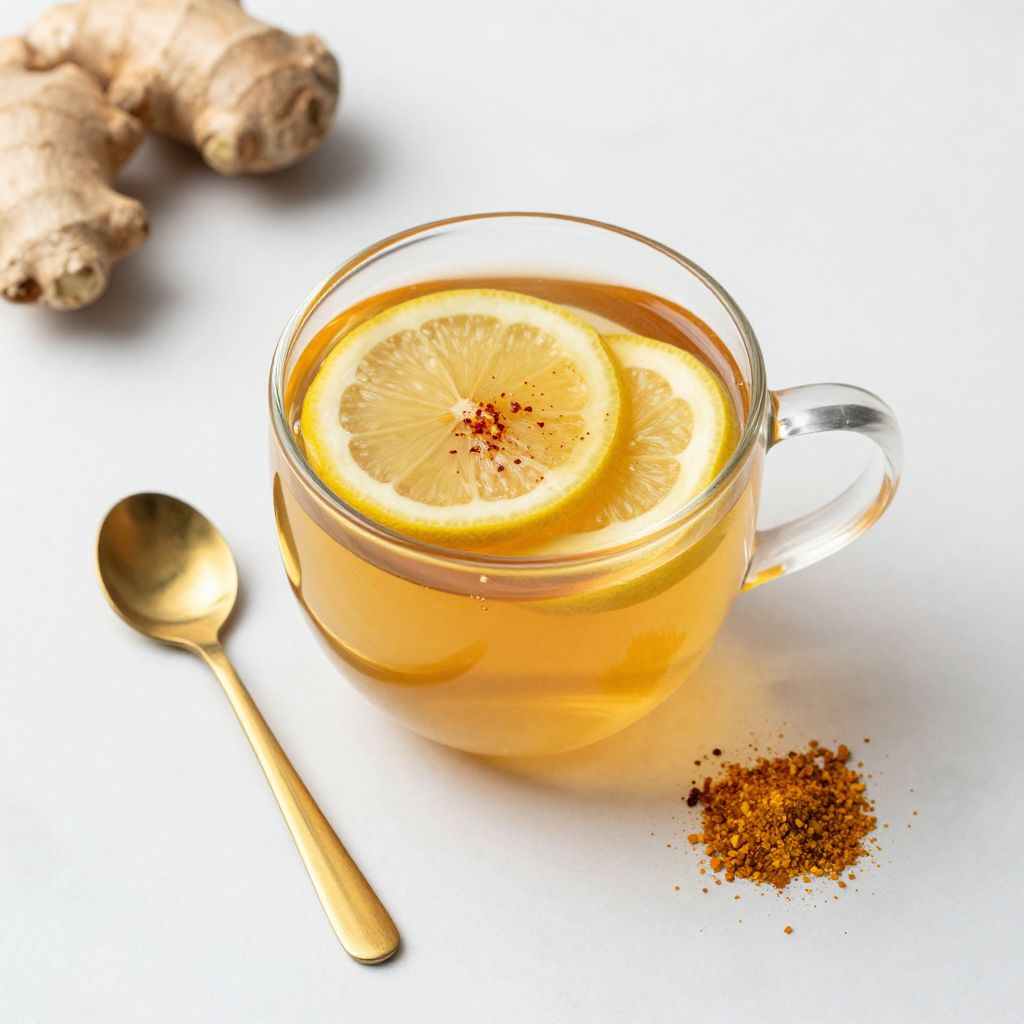
Sore Throat Tea
Ingredients
Equipment
Method
- Heat one cup of water in a kettle or pot until it reaches a rolling boil.
- While the water heats, mince or grate your fresh ginger finely, or measure out ground ginger if using the dried version.
- Once boiling, carefully pour the hot water into your mug.
- Stir in your minced ginger immediately while the water is still at peak temperature. Let it steep for 30 seconds to 1 minute.
- If you used fresh ginger pieces, pour the tea through a strainer into a clean mug to remove the solids.
- Squeeze fresh lemon juice directly into your warm tea, aiming for 1 to 2 tablespoons depending on how tart you like it.
- Pour 1 to 2 tablespoons of raw honey into the tea and stir well until completely dissolved.
- Stir in a small pinch of sea salt, then add any optional ingredients like cayenne, turmeric, or apple cider vinegar if desired.
- Take a careful sip and adjust sweetness or tartness to your preference by adding more honey or lemon as needed. Sip slowly while warm.