
There’s something almost magical about the first sip of lemongrass tea, when that bright, citrusy steam hits your face and instantly transports you somewhere tropical and calm. This lemongrass tea recipe is one of those simple brews that feels far more luxurious than it actually is to make, delivering restaurant-quality flavor in your own kitchen in under 15 minutes.
What makes this tea special is its refreshing yet soothing nature, the way it works equally well piping hot on a chilly evening or chilled over ice on a summer afternoon. Unlike heavy herbal teas that can taste medicinal, lemongrass tea tastes like a treat, with natural sweetness and a gentle lemony punch that doesn’t require added sugar.
Why You’ll Love This Recipe
This recipe delivers authentic lemongrass tea that tastes like you’ve ordered from an upscale café, minus the markup.
- Ready in under 15 minutes from start to sip.
- Uses just a handful of ingredients you can find at any grocery store.
- Works hot, iced, or blended into smoothies and cocktails.
- Naturally caffeine-free and packed with a fresh, invigorating flavor.
- Budget-friendly when you brew it at home instead of ordering out.
My Experience Making This Recipe
I discovered lemongrass tea during a trip to Southeast Asia, where it was served at nearly every meal, and I’ve been obsessed ever since. The moment I tasted it fresh from a local market stall, I knew I had to recreate it at home.
My first attempt was honestly underwhelming because I used dried lemongrass straight from a tea bag without any real preparation. After some trial and error, I learned that bruising fresh lemongrass stalks before steeping makes all the difference, unlocking those aromatic oils that make the tea taste alive and vibrant.
Now I brew a pot of this tea at least twice a week, and my friends have started asking for the recipe after tasting it. The color alone catches people off guard, a pale golden hue that looks way more complex than the simple process actually is.
Recipe Overview
- Recipe Name: Lemongrass Tea
- Servings: 2 servings
- Prep Time: 5 minutes
- Cook Time: 8 minutes
- Total Time: 13 minutes
- Course: Beverage
- Cuisine: Southeast Asian
- Calories per Serving: 5 calories
Equipment You Will Need
- Cutting board
- Sharp knife
- Kettle or pot for boiling water
- Measuring spoon
- Teapot or heatproof glass pitcher
- Fine-mesh strainer or tea infuser
- Two teacups or mugs
- Spoon for stirring
Ingredients for Lemongrass Tea
- 2 stalks fresh lemongrass, about 12 inches long each
- 4 cups water
- 1 tablespoon fresh ginger, thinly sliced (optional but recommended)
- 2 slices fresh lime or lemon
- 1 teaspoon honey, optional for sweetness
- Fresh mint leaves, optional for garnish
Ingredient Notes and Substitutions
- Fresh lemongrass gives you those aromatic oils and bright flavor you can’t replicate with dried versions. If you can’t find fresh lemongrass, use 2 tablespoons of dried lemongrass, though the flavor will be noticeably less vibrant and you may want to steep longer.
- Ginger adds warmth and a subtle spice that complements the lemongrass beautifully. You can skip it entirely if you prefer a lighter, more purely citrus profile, or substitute with a thin slice of fresh turmeric for earthy notes.
- Honey provides subtle sweetness without overpowering the delicate tea flavor. Agave nectar works just as well, or skip it altogether if you prefer the tea completely unsweetened.
- Lime offers brightness and extra citrus punch. Lemon works equally well, or you can omit citrus entirely and let the lemongrass be the star.
How to Make Lemongrass Tea
Step 1: Prepare the Lemongrass
Take your lemongrass stalks and remove the outer dried layer by peeling away the papery exterior until you reach the tender, pale green inner stalk. Slice off the top leafy portion, keeping just the white and pale green bottom two-thirds of the stalk, which contains the most aromatic oils.
Step 2: Bruise the Lemongrass
Place your lemongrass stalks on a cutting board and gently crush them with the side of your knife handle, applying enough pressure to crack open the fibers without completely mangling them. This bruising releases the volatile oils trapped inside, which is what gives your tea that incredible lemongrass flavor and aroma.
Step 3: Cut the Lemongrass into Pieces
After bruising, slice each stalk into 2 to 3-inch pieces so they’ll fit nicely into your teapot. Shorter pieces also allow more surface area to contact the hot water, extracting more flavor.
Step 4: Boil the Water
Fill your kettle with 4 cups of fresh, cold water and bring it to a rolling boil. Using fresh water matters because stale or re-boiled water can taste flat and won’t bring out the tea’s brightness.
Step 5: Combine Ingredients in Teapot
Place your bruised lemongrass pieces into your teapot along with the ginger slices if using them. Pour the hot water directly over the lemongrass and ginger, allowing the heat to activate all those wonderful aromatic compounds.
Step 6: Steep the Tea
Cover your teapot and let it steep for 8 minutes, which gives you enough time for full flavor extraction without the lemongrass becoming bitter or overpowering. If you prefer a lighter, more delicate tea, steep for just 5 to 6 minutes instead.
Step 7: Add Citrus
While the tea steeps, squeeze your lime or lemon slices to release their juice, and set them aside for adding to individual cups. This last-minute addition keeps the citrus flavor bright and fresh rather than muted from extended steeping.
Step 8: Strain and Serve
Pour the brewed tea through a fine-mesh strainer into your teacups, leaving the lemongrass and ginger pieces behind in the pot. Add a fresh citrus slice and a touch of honey to each cup if desired, stir gently, and serve immediately while hot.
Step 9: Garnish and Enjoy
Top each cup with a small sprig of fresh mint if you have it, which adds a cool, refreshing note that pairs beautifully with the warm lemongrass. Take a moment to breathe in the aroma before sipping, which is honestly half the pleasure of this tea.
Pro Tip: Bruising your lemongrass is the single most important step that separates mediocre tea from truly exceptional tea, so don’t skip it or rush through it.
Tips for the Best Lemongrass Tea
- Choose lemongrass stalks that feel firm and have a strong citrusy aroma when you gently rub them between your fingers. Limp or dull-smelling stalks indicate they’re past their prime and won’t deliver the flavor punch you want.
- Don’t over-steep your tea beyond 10 minutes, or it will develop a bitter, vegetal taste that overpowers the lovely citrus notes. If you like a stronger flavor, use more lemongrass rather than extending the brewing time.
- Water temperature matters more than people realize, so use water that’s at a rolling boil, not just hot tap water. The intense heat extracts the maximum amount of flavor from the lemongrass fibers.
- Make a big batch and chill it in the refrigerator if you want iced lemongrass tea for hot afternoons. The flavors become even more refreshing and bright when served cold.
- Store fresh lemongrass in a plastic bag in your refrigerator’s vegetable drawer where it will stay fresh for up to two weeks. This way you’ll always have it on hand for a quick, impromptu tea break.
- Toast your lemongrass pieces lightly in a dry pan before steeping them for a deeper, slightly smoky flavor note that’s absolutely delicious on autumn evenings.
Common Mistakes to Avoid
- Using only the leafy top portion of the lemongrass stalks means you’re missing the most flavorful part where the aromatic oils concentrate. Always use the white and pale green bottom section where the real action happens.
- Skipping the bruising step results in weak, underwhelming tea that tastes more like hot water with a hint of lemon than actual lemongrass tea. Those crushed fibers are what unlock the flavor, so treat this step as non-negotiable.
- Steeping in water that’s cooled down to lukewarm temperatures extracts very little flavor and leaves you with a disappointing, pale brew. Always use freshly boiled water at full temperature.
- Using old, dried-out lemongrass from the back of your pantry won’t work because the volatile oils have already evaporated. Fresh lemongrass is essential to this recipe’s success, so invest in quality.
- Forgetting to remove the outer papery layers means you’re getting bits of dried vegetation in your cup, which feels unpleasant on the tongue. Always peel away those layers to reveal the tender, flavorful interior.
Serving Suggestions
Lemongrass tea is remarkably versatile and works beautifully in multiple contexts throughout your day. Serve it hot first thing in the morning for an energizing pick-me-up, or chilled in the afternoon as a refreshing alternative to sugary iced drinks.
- Serve hot with a small plate of Thai coconut cookies or almond biscuits for a café-style afternoon break.
- Chill it and serve over crushed ice with fresh mint and a splash of sparkling water for an elegant mocktail.
- Pair it with light Asian cuisine like pho or summer rolls, where its brightness complements the food beautifully.
- Enjoy a warm cup after dinner as a gentle digestive aid that feels luxurious yet soothing before bed.
- Blend it into smoothie bowls or cocktails for a sophisticated flavor layer that guests will notice and ask about.
Variations to Try
- Add a 1-inch piece of fresh turmeric root along with the ginger for a slightly earthy, anti-inflammatory twist that turns this into a wellness-focused tea. The turmeric adds a warm golden hue and subtle pepper notes.
- Infuse the tea with a star anise pod or two, which adds subtle licorice notes that feel complex and sophisticated. This variation is particularly lovely during cooler months.
- Create a lemongrass and coconut milk version by stirring in 2 tablespoons of coconut milk after steeping for a creamy, tropical take. This variation tastes like a cafe-quality Thai iced tea.
- Make a spiced version by adding a small cinnamon stick, 2 cloves, and a thin slice of fresh cardamom pod for warmth and depth. This works wonderfully served hot on chilly evenings.
- Blend fresh lemongrass with jasmine pearls or green tea leaves for a lighter, more delicate infusion that layers floral and citrus notes beautifully.
Dietary Adaptations
- Gluten-free: This tea is naturally gluten-free in its pure form, but always check that your added honey or any packaged ingredients are certified gluten-free if that’s important for your diet.
- Dairy-free: Skip any milk-based additions and enjoy it plain or with a splash of plant-based milk like coconut or almond if you prefer creaminess.
- Vegan: This recipe is already vegan as written, but replace honey with agave nectar or maple syrup if you want to keep everything plant-based.
- Low-carb and keto: Lemongrass tea contains virtually no carbohydrates and fits perfectly into low-carb eating plans. Skip the honey and enjoy it sweetened with a zero-calorie sweetener like stevia if desired.
Storage and Reheating
Refrigerator
Store cooled brewed lemongrass tea in an airtight glass container in your refrigerator for up to 3 days. The flavor stays fresh and bright, and you can enjoy it cold straight from the fridge whenever you want.
- Pour into ice cube trays and freeze for lemongrass ice cubes that flavor water or cocktails beautifully.
- Keep a pitcher of cold brew in the fridge for convenient iced tea throughout the week.
- Store unbrewed lemongrass stalks in a plastic bag in your vegetable drawer for up to two weeks.
Freezer
Freeze brewed tea in ice cube trays or small freezer containers for up to three months. This works wonderfully for blending into smoothies later or for making iced tea on demand.
- Thaw frozen tea cubes at room temperature or add directly to hot water to refresh.
- Fresh lemongrass stalks don’t freeze particularly well and lose their aromatic quality, so stick to freezing brewed tea instead.
Reheating
If you’ve stored brewed tea in the refrigerator and want it hot again, simply pour it into a saucepan and warm gently over low heat without bringing it to a boil. Avoid microwaving if possible, as it can destroy some of the delicate flavor compounds.
- Pour chilled tea into a cup and add freshly boiled water to dilute and warm it to your preferred temperature.
- Brew a fresh batch instead of reheating if you want maximum flavor intensity.
Nutrition Information
| Nutrient | Amount |
|---|---|
| Calories | 5 |
| Total Fat | 0g |
| Saturated Fat | 0g |
| Carbohydrates | 1g |
| Fiber | 0g |
| Sugar | 0g |
| Protein | 0g |
| Sodium | 2mg |
| Cholesterol | 0mg |
These values are calculated for the basic lemongrass tea without added honey or milk. If you add sweeteners or creamers, the nutritional profile will change slightly.
Frequently Asked Questions
Can I use dried lemongrass instead of fresh?
You can use dried lemongrass in a pinch, but the flavor won’t be nearly as bright or aromatic as fresh. Use about 2 tablespoons of dried lemongrass and steep for 10 to 12 minutes instead of 8 minutes to extract maximum flavor.
Does lemongrass tea have caffeine?
No, pure lemongrass tea is naturally caffeine-free, making it a perfect choice for evenings or anyone sensitive to caffeine. If you blend it with green or black tea leaves, it will contain caffeine from those additions.
How long can I store fresh lemongrass?
Fresh lemongrass keeps for up to two weeks in a plastic bag in your refrigerator’s vegetable drawer. For longer storage, you can freeze whole stalks for up to three months, though they work better in cooked dishes than fresh applications after freezing.
What’s the difference between lemongrass tea and lemongrass infusion?
These terms are essentially interchangeable, both referring to hot water steeped with lemongrass. Some people use “infusion” when there’s no steeping vessel involved, but for practical purposes they’re the same thing.
Can I reuse the same lemongrass stalks for a second brewing?
Yes, you can reuse the same stalks for a second cup by adding fresh hot water and steeping for a few extra minutes. The second brew will be lighter in flavor but still pleasant and aromatic.
Is lemongrass tea safe for pregnant women?
Lemongrass is generally considered safe during pregnancy in tea form, but pregnant women should check with their healthcare provider before consuming it regularly. The amounts typically used in tea are quite small, but individual situations vary.
How do I know if my lemongrass has gone bad?
Fresh lemongrass should smell bright and citrusy when you rub it or cut into it. If it smells musty, appears slimy, or has dark discolored sections, it’s past its prime and should be discarded.
Final Thoughts
Making lemongrass tea at home feels like a small act of self-care that costs just pennies and takes less than 15 minutes. Once you taste how incredible fresh, properly brewed lemongrass tea really is, you’ll wonder why you ever settled for bags from a café.
This recipe is a gateway to exploring other herbal teas and flavor combinations, so treat it as a starting point for your own tea adventures. Try the variations, mix in different ingredients, and make it your own, but start with this classic version to understand why lemongrass deserves a permanent spot in your kitchen.
Explore More Herbal Teas
If you’re enjoying this lemongrass tea recipe, you might also love exploring other herbal infusions and naturally caffeine-free beverages that offer unique flavors and benefits. Check out our collections of warming tea recipes to expand your at-home tea bar.
Try brewing a chaga tea recipe for an earthy, grounding option, or reach for a strawberry tea recipe when you want something light and fruity. Each offers its own unique sensory experience and pairs beautifully with different times of day or moods.
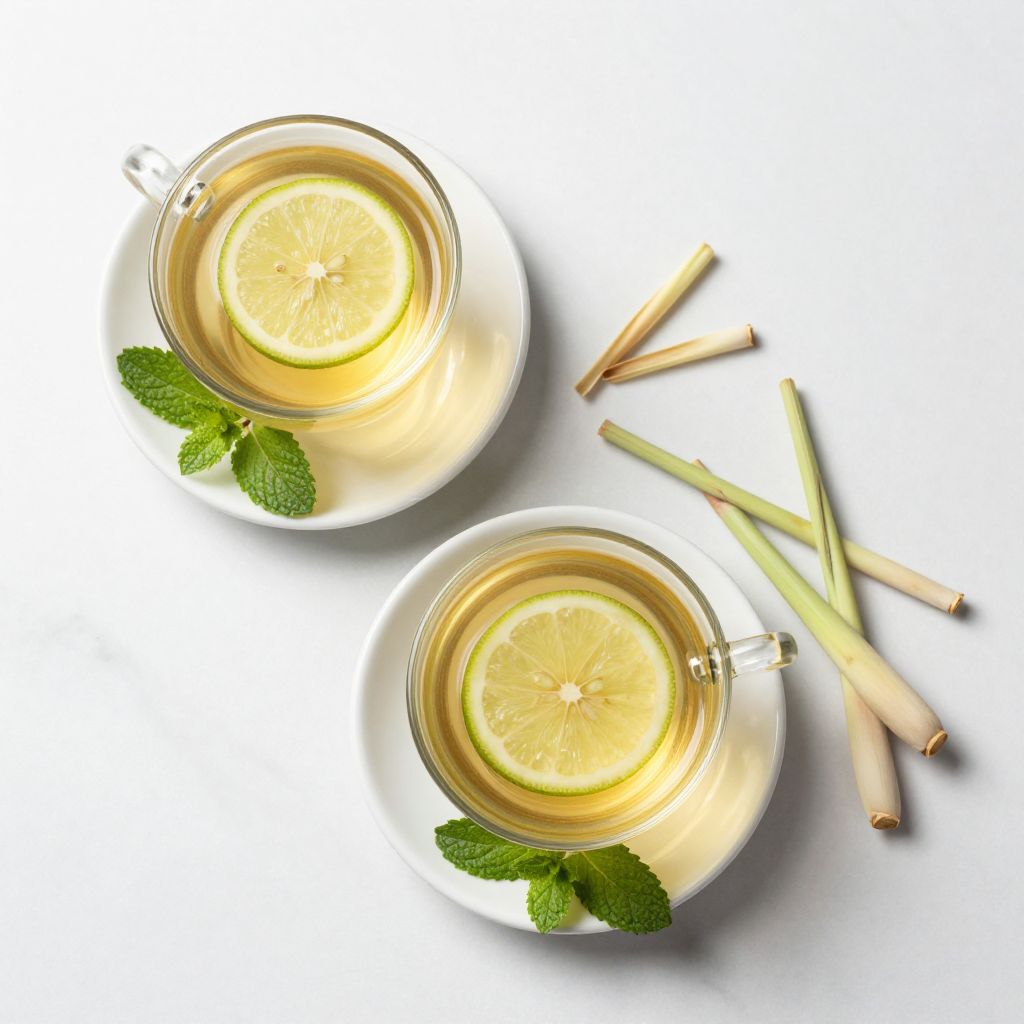
Lemongrass Tea
Ingredients
Equipment
Method
- Peel away the outer dried layer of each lemongrass stalk and trim off the top leafy portion, keeping the white and pale green bottom two-thirds.
- Gently bruise each lemongrass stalk with the side of a knife handle to crack the fibers and release aromatic oils.
- Slice the bruised lemongrass into 2 to 3-inch pieces so they fit easily into your teapot.
- Bring 4 cups of fresh, cold water to a rolling boil (212°F/100°C) in a kettle or pot over high heat.
- Place the lemongrass pieces and ginger slices into a teapot, then pour the boiling water directly over them.
- Cover the teapot and steep the mixture for 8 minutes, or 5 to 6 minutes for a lighter flavor.
- While the tea steeps, squeeze the juice from the lime or lemon slices and set the slices aside for garnish.
- Strain the brewed tea through a fine-mesh strainer into teacups, leaving the solids behind in the pot.
- Add a fresh citrus slice and 1 teaspoon of honey to each cup, stir gently, garnish with a mint sprig, and serve immediately.