
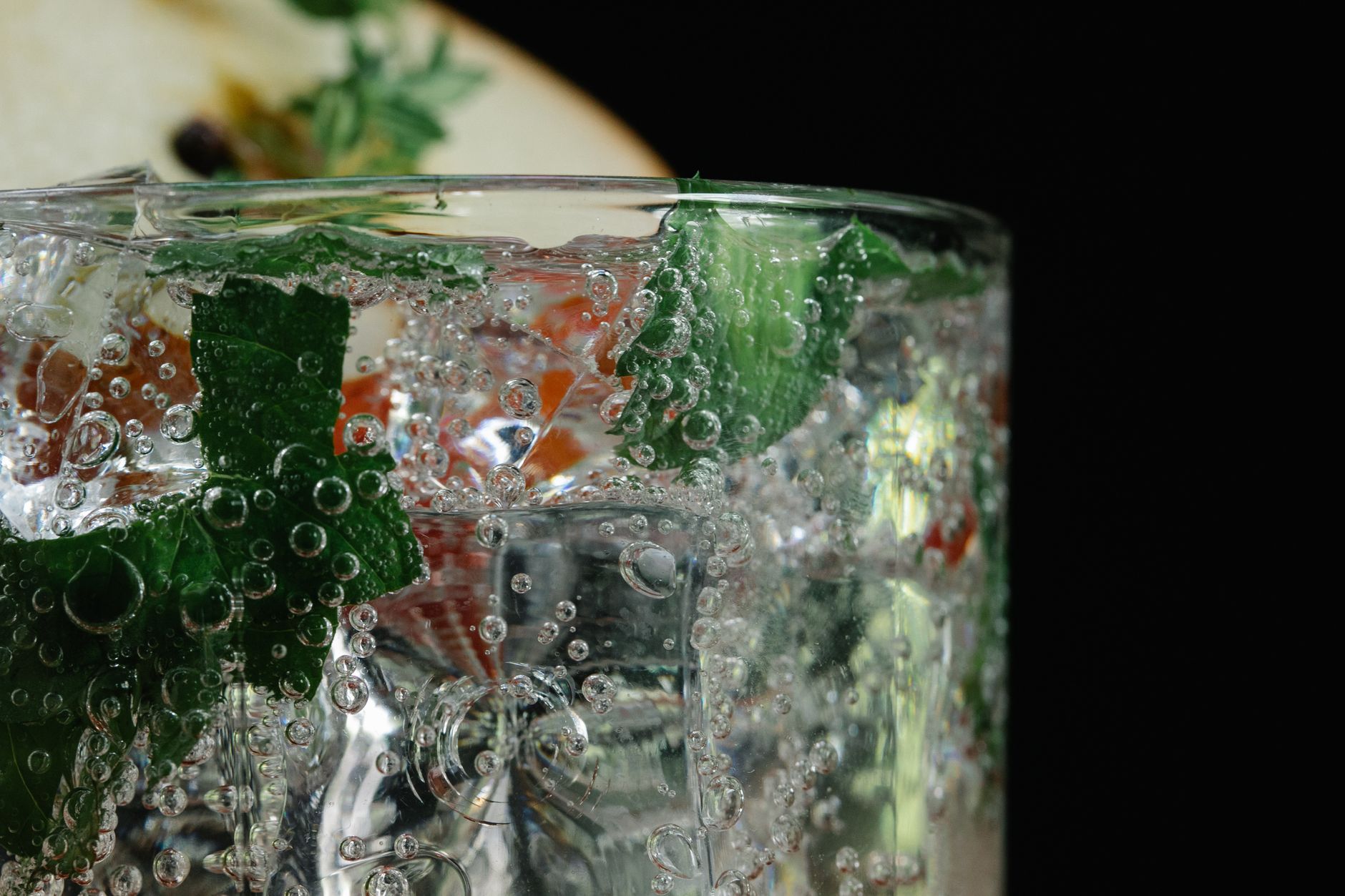
Tonic water is a popular mixer known for its distinctively bitter flavor, often enjoyed in cocktails like gin and tonic. Understanding its nutritional profile, particularly its calorie content, can help you make informed choices when incorporating it into your beverages. This article dives into the calorie content of tonic water, its nutritional facts, and its potential impact on your diet.
In recent years, the revival of classic cocktails and the growing interest in mixology have led to increased consumption of tonic water. As a result, understanding the calorie count and other nutritional information becomes essential, especially for those monitoring their calorie intake or looking for healthier beverage options.
How Many Calories Are In Tonic Water?
Generally, tonic water contains about 80 to 90 calories per 12 fl oz (355 ml) serving. The calorie count can vary slightly depending on the brand and whether the tonic water is regular or diet. Regular tonic water contains sugar, which contributes to its caloric content, while diet versions use artificial sweeteners, significantly reducing the calorie count.
Nutritional Breakdown of Tonic Water
To better understand the nutrition facts of tonic water, it is useful to explore its components, ingredients, and any significant health aspects. Below is a breakdown of what typical tonic water includes:
- Carbonated Water: The primary ingredient that provides the fizzy texture.
- Sweeteners: Regular tonic water uses sugar (sucrose or high fructose corn syrup), while diet tonic water contains low-calorie sweeteners like aspartame or sucralose.
- Quinine: A key ingredient that gives tonic water its signature bitter flavor and traditionally has been used for its medicinal properties.
- Flavoring agents: These may include natural flavors and citric acid.
Ingredient Comparison
When comparing different types of tonic water, one can clearly see how the ingredients contribute to the calorie count. Here’s how regular vs. diet tonic water breaks down:
| Type | Calories (per 12 fl oz) | Key Ingredients |
|---|---|---|
| Regular Tonic Water | 80-90 | Carbonated water, sugar, quinine, citric acid |
| Diet Tonic Water | 0-5 | Carbonated water, artificial sweeteners, quinine, citric acid |
The Impact of Tonic Water on Your Diet
When considering tonic water as part of your diet, understanding its sugar content and calorie implications can greatly enhance your choices. Regular tonic water can contribute a significant amount of sugar to your diet:
- A typical serving can have around 21 grams of sugar, which is roughly 4.5 teaspoons.
- This amount of sugar can impact your daily intake, particularly if you are watching your carbohydrate or sugar levels.
Diet Tonic Water: A Low-Calorie Alternative
Diet tonic water offers a lower-calorie alternative that maintains the unique flavor profile while significantly reducing caloric and sugar intake.
- It is ideal for those who indulge in cocktails but wish to avoid excess calories.
- That said, the taste may differ slightly from regular tonic water due to the lack of sugar.
Mixing Tonic Water: Cocktails and Beyond
Tonic water’s distinctive flavor makes it an excellent mixer for various cocktails. Classic uses include:
- Gin and Tonic: A refreshing drink that balances botanical flavors with tonic’s bitterness.
- Vodka Tonic: A simple, clean cocktail that emphasizes the smoothness of vodka.
- Espresso Tonic: A modern concoction combining coffee and tonic for a unique taste experience.
Caloric Consideration in Mixed Drinks
When mixing drinks, be mindful of the additional calories from liquor. For example, a typical gin and tonic can exceed 200 calories, where the tonic water may deliver 80-90 calories while the gin adds around 120 calories per 1.5 oz serving. Opting for diet tonic water in these cocktails can substantially lower total caloric intake.
Practical Tips for Choosing Tonic Water
When selecting tonic water, consider the following:
- Check the Label: Always read the nutritional label to see the calorie and sugar content.
- Flavor Options: Explore flavored tonic waters that may offer a different taste while still keeping calories in check.
- Consider Serving Size: Pay attention to standard serving sizes and adjust based on your needs.
Common Mistakes with Tonic Water Consumption
Being informed can help you avoid common pitfalls. Here are a few to watch for:
- Assuming All Tonic Waters are the Same: Different brands and types can vary significantly in calories and ingredients.
- Overconsumption: Easily done when mixed with alcohol; monitor how much you drink throughout the evening.
- Tonic Water as a Health Drink: While it contains quinine, which has medicinal properties, tonic water shouldn’t be viewed as a health beverage due to its sugar content.
Health Benefits and Considerations
While tonic water is not a health drink, some ingredients, particularly quinine, have been associated with certain health aspects:
- Quinine: Once used for treating malaria, today it is consumed for its flavor rather than medical use.
- Hydration: Tonic water can contribute hydration when served as part of a mixed drink.
Quinine: Not Without Risks
It is important to note that quinine can have side effects. While generally accepted in small doses, overconsumption and sensitivity can lead to:
- Headaches
- Allergic reactions
Making Your Own Tonic Water
For those interested in controlling ingredients and calorie counts, making homemade tonic water can be an excellent option. Here’s a brief overview of how to do it:
Ingredients
- 2 cups water
- 1 tablespoon quinine powder (food grade)
- 1 cup sugar (or a sugar substitute)
- Juice of 1-2 limes
- Optional: herbal or citrus flavors
Method
- Combine water and quinine in a saucepan and bring to a boil.
- Reduce to a simmer for about 15-20 minutes.
- Add sugar and stir until dissolved, then remove from heat.
- Incorporate lime juice and any additional flavorings.
- Let it cool, then strain and bottle in the fridge.
- Mix with carbonated water when ready to serve.
Storing Tonic Water
Proper storage is critical for maintaining the quality of tonic water:
- Unopened bottles: Store in a cool, dark place.
- Opened bottles: Keep in the refrigerator and consume within a few days for optimal fizz and taste.
Conclusion
Tonic water can be a delightful addition to your beverages, offering a flavorful balance to spirited drinks. Understanding its calorie count and nutritional facts aids in making healthier choices and savoring the mixology experience. Choosing between regular and diet options depends on personal preferences and dietary goals. Whether you opt for a classic gin and tonic or experiment with something new, knowing the caloric impact can enrich your drinking adventures.
For further exploration of delicious beverages, consider trying out our recipes for homemade tonic water or a refreshing espresso tonic.