
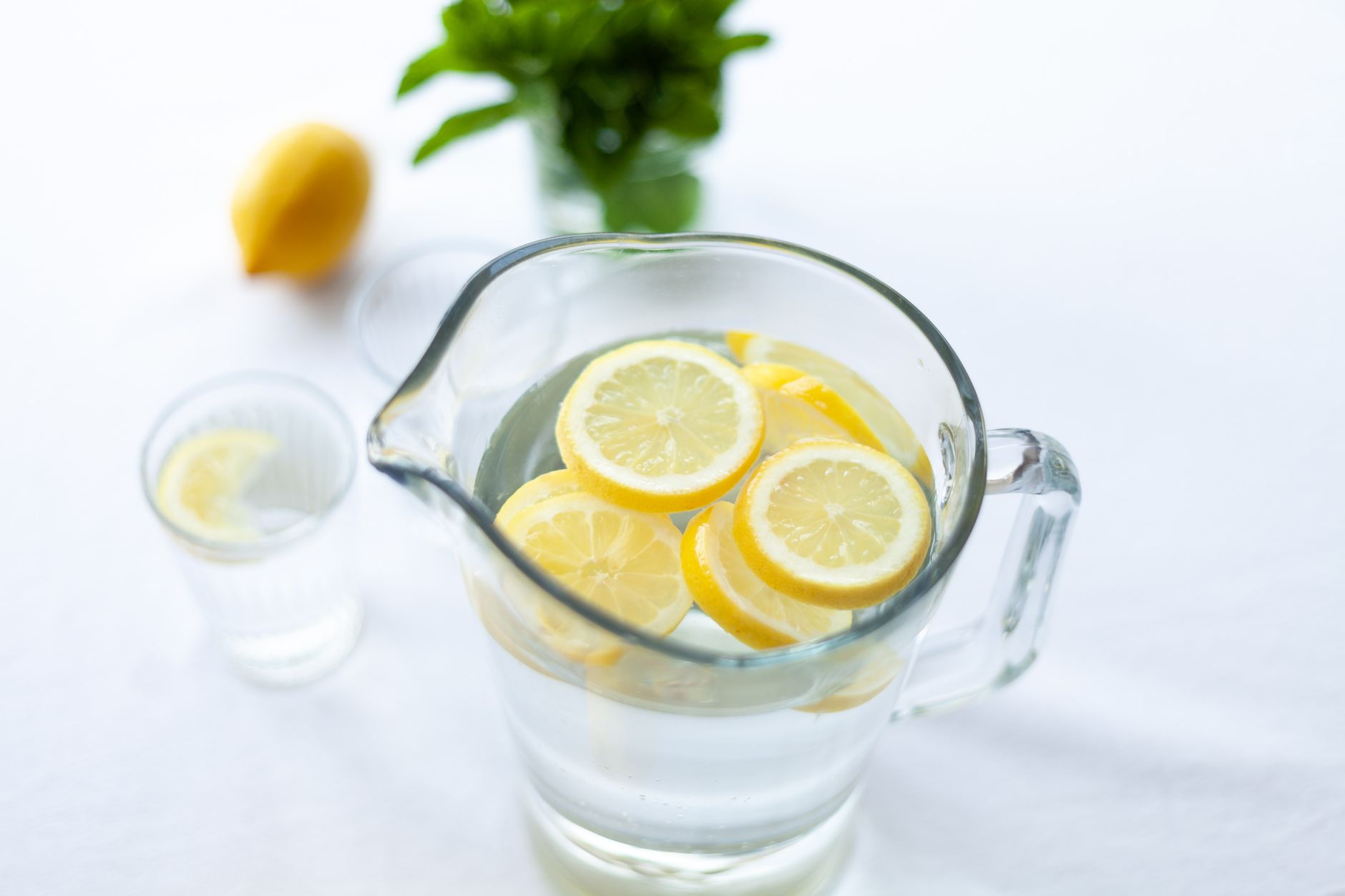
Lemon water has gained popularity as a refreshing beverage, but many people have noticed that it can also provoke a trip to the restroom. Understanding why lemon water triggers this response involves exploring its components, how they interact with the body, and what benefits they may offer. This article dives into the science behind lemon water’s effect on digestion and why it can lead to increased bowel movements.
From hydration to potential digestive benefits, lemon water serves various purposes beyond just hydration. While sipping on this citrus-infused drink, you might wonder why it makes you poop. Let’s explore the mechanisms at play and what to consider when incorporating lemon water into your routine.
Why Does Lemon Water Make You Poop?
Lemon water can make you poop mainly due to its high acidity and vitamin C content, both of which stimulate the digestive system. The citric acid in lemons may enhance stomach acids’ effectiveness, promoting better digestion. Additionally, this beverage can have a mild laxative effect, which contributes to frequent bowel movements.
The Ingredients Behind Lemon Water
Understanding why lemon water may encourage bowel movements begins with examining its primary ingredients: water and lemons.
Water
Water is a crucial element for maintaining digestive function. Proper hydration helps soften stool, making it easier to pass. When you drink lemon water, you provide your body with adequate fluids, which can promote regular bowel movements and help prevent constipation.
Lemons
Lemons, the star of the show, are rich in citric acid, vitamin C, and other beneficial compounds. Their acidity can enhance digestion for several reasons:
- Citric Acid: This organic acid aids in breaking down food more efficiently, which can speed up the digestive process.
- Vitamin C: This essential nutrient is known for its antioxidant properties and can support overall digestive health. High doses can have a mild laxative effect.
- Flavonoids: Lemons contain flavonoids that may assist in digestion by regulating enzyme activity.
How Lemon Water Affects Digestion
The digestion process begins in the mouth and continues through the stomach and intestines. Lemon water can influence several stages of this process:
Stimulation of Saliva Production
The acidity of lemon can stimulate saliva production. Saliva contains enzymes that begin the digestion process by breaking down food in the mouth, facilitating better digestion when food enters the stomach.
Increased Stomach Acid Production
The citric acid from lemons can signal the stomach to produce more gastric juices. This increase can enhance the breakdown of food, making it easier for the intestines to absorb nutrients and pass waste. An increase in stomach acid may lead to a more effective digestive environment.
Promotes Bile Production
Several studies suggest that lemon juice can stimulate bile production in the liver. Bile aids in fat digestion and absorption in the intestines, promoting a smoother digestive process. When fat is emulsified and properly digested, waste products can move through the system more efficiently.
The Benefits of Drinking Lemon Water
Beyond helping with bowel movements, drinking lemon water offers several other advantages:
Hydration
Staying hydrated is vital for general health, and many people find drinking flavored water easier than plain water. Lemon water is an appealing option for increasing daily fluid intake.
Rich in Antioxidants
Lemons are rich in antioxidants, which can combat oxidative stress in the body. Antioxidants play a vital role in preventing various health issues, including chronic diseases.
Supports Immune Function
Due to their high vitamin C content, lemons can help support the immune system. A strong immune system contributes to better overall health and can reduce the frequency of illnesses that may impact digestion.
May Aid Weight Loss
While lemon water alone is not a magic weight loss solution, it can be a lower-calorie alternative to sugary drinks. Staying hydrated and feeling satiated may help in managing appetite, promoting healthier eating habits.
When to Drink Lemon Water
Timing can enhance the benefits of lemon water. Here are some suggestions for when to consume this beverage:
First Thing in the Morning
Many health enthusiasts advocate drinking lemon water first thing in the morning. This practice can kickstart your metabolism and promote good digestion throughout the day.
Before Meals
Consuming lemon water about 30 minutes before a meal may stimulate digestion and appetite, potentially helping with portion control.
After Meals
Drinking lemon water after meals can help digest fats and ease the feeling of fullness. If you find meals leave you feeling sluggish, a cup of lemon water may provide relief.
Possible Side Effects
While lemon water can provide benefits, there are also potential side effects that some individuals might experience:
Acidic Nature
The acidity of lemons can affect dental health. Regular consumption of lemon water without rinsing the mouth afterward can weaken tooth enamel. It’s advisable to drink through a straw or rinse with plain water afterward to protect your teeth.
Digestive Discomfort
For some, the acidity may cause digestive discomfort, heartburn, or an upset stomach, particularly if consumed on an empty stomach. If you experience discomfort, consider adjusting the quantity or frequency of consumption.
Interactions with Medications
Citrus can interact with certain medications. For example, it can affect how some drugs are metabolized. If you are on medication, consult with a healthcare provider before significantly increasing your lemon water intake.
Recipes and Variations
Incorporating lemon water into your daily routine can be simple and enjoyable. Here are a few ideas for enhancing your lemon water experience:
Basic Lemon Water
The classic version consists of simple ingredients:
- 1 lemon
- 1-2 glasses of water
- Juice the lemon and add it to the water.
- Stir well to combine.
- Serve over ice for a refreshing drink.
Lemon Ginger Water
Adding ginger can enhance digestion further and add a spicy kick to your drink. Here’s a simple recipe:
- 1 lemon
- 1-inch piece of fresh ginger
- 2 glasses of water
- Juice the lemon and set aside.
- Finely chop or grate the ginger.
- Combine ginger and water in a saucepan; simmer for 10 minutes.
- Remove from heat, strain the mixture, then add lemon juice to the decoction.
- Serve warm or chilled.
Lemon-Mint Water
If you enjoy fresh herbs, mint adds a refreshing twist:
- 1 lemon
- A handful of fresh mint leaves
- 2 glasses of water
- Juice the lemon and add it to the water.
- Muddle mint leaves to release their oils, then add to the water.
- Let steep for about 30 minutes before enjoying.
Storage and Preparation Tips
When preparing lemon water, consider the following tips:
- Use fresh lemons for the best flavor and nutritional benefits.
- Store lemon water in the refrigerator if not consumed immediately. Consume within 24 hours for the best taste and freshness.
- Experiment with ratios to find your preferred balance between water and lemon juice.
Conclusion
Lemon water can be a delightful and beneficial addition to your daily routine. Its ability to stimulate digestion and promote hydration can support overall well-being. However, moderation is key, and understanding how your body responds to this beverage will help you reap its benefits while minimizing side effects.
Explore related recipes and tips, such as a comforting lemon ginger water recipe or a soothing ginger lemon honey tea recipe. Adding these beverages to your routine can enhance your hydration and provide various health benefits.