
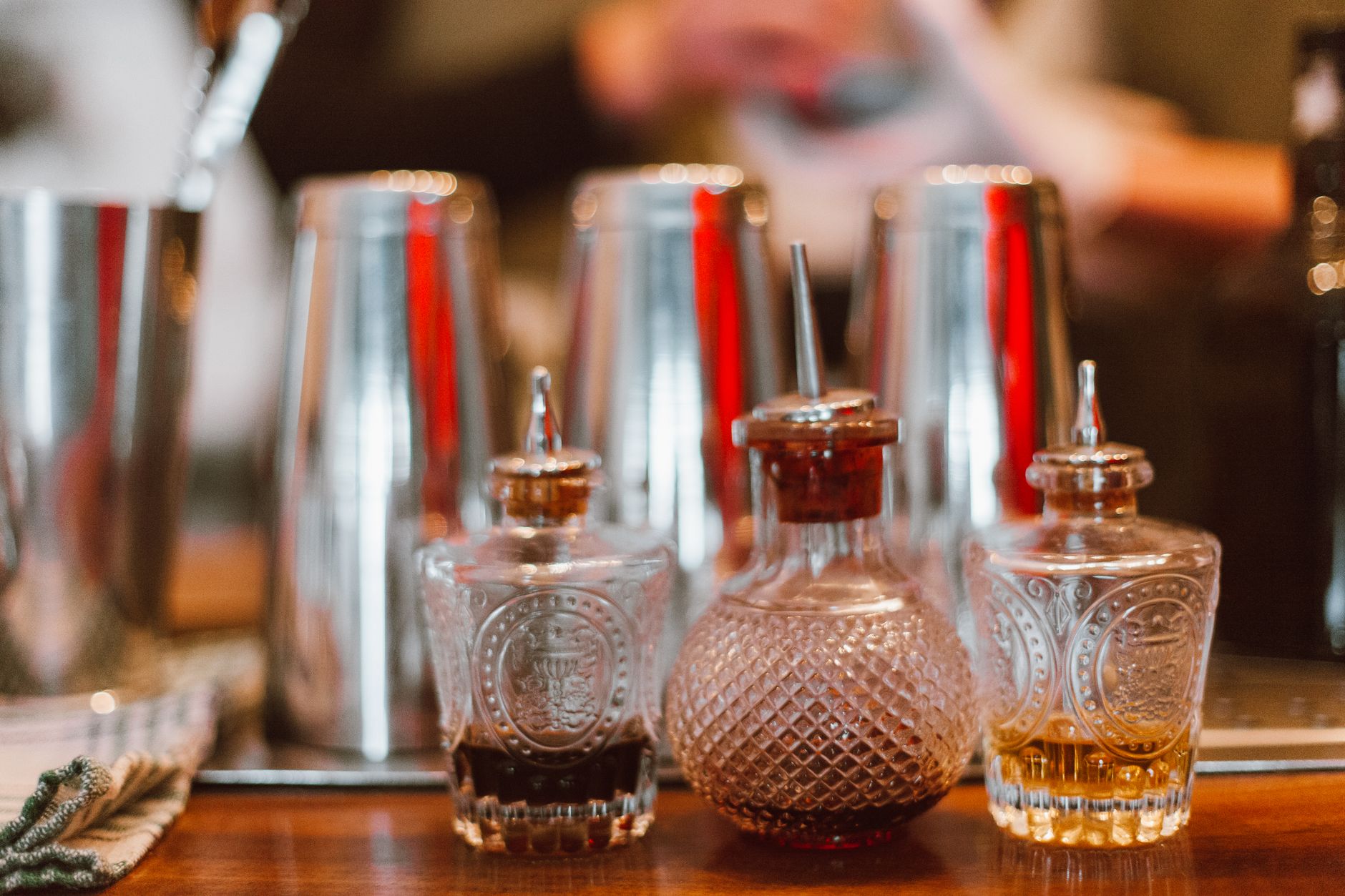
Bitters have become a staple in many cocktails, often bringing depth and complexity to drinks that might otherwise be lacking. This aromatic addition offers a unique flavor profile that significantly enhances beverages. However, a common question arises: Does bitters need to be refrigerated?
The short answer is no; bitters do not need to be refrigerated. Their high alcohol content and other preservation methods mean that they typically have a long shelf life without the need for refrigeration. However, understanding how to store bitters properly can ensure their quality and flavor remain intact over time.
What Are Bitters?
Bitters are concentrated flavoring agents made from herbal extracts, alcohol, and sometimes spices or botanicals. Originally developed for medicinal purposes, bitters are now primarily used in the beverage industry. They add depth, flavor, and complexity to cocktails, whether it’s a classic Old Fashioned or a modern craft cocktail.
Understanding the Composition of Bitters
The main components of bitters are high-proof alcohol, which serves as a solvent for flavor compounds, and a blend of herbs, spices, roots, and citrus peels. This combination creates a complex flavor that can range from bitter to subtly sweet.
Since bitters are predominantly alcohol-based, the duration they remain viable is significantly extended. Alcohol is a natural preservative that helps inhibit the growth of bacteria, fungi, and spoilage organisms. This characteristic lends itself to a longer shelf life compared to many food products.
Do Bitters Need to be Refrigerated?
While bitters do not require refrigeration, storing them properly is still essential to maintain their flavor integrity. Here are the main factors to consider regarding the storage of bitters:
Alcohol Content
Most commercial bitters contain a significant alcohol content, usually between 35% and 45% ABV (alcohol by volume). This high alcohol content effectively prevents spoilage and allows bitters to be stored at room temperature without the risk of oxidation or rancidity. Refrigeration is not necessary unless you prefer them chilled.
Exposure to Light
While refrigeration isn’t needed, exposure to direct sunlight can degrade the quality of bitters over time. Light can alter the compounds within the bitters, affecting their flavor. Therefore, it is best to store bitters in a cool, dark place, like a pantry or cabinet, away from sunlight.
Temperature Fluctuations
Bitters should be stored at stable temperatures. Frequent temperature changes can affect the quality of the liquid. A consistent environment without extreme fluctuations may help preserve the flavor profile for a longer duration.
Sealing
Ensure your bitters are sealed tightly after each use. A proper seal will help reduce the likelihood of air exposure, which can lead to oxidation and deterioration of flavor over time. Many bitters come with built-in droppers or pour spouts, making it easier to control usage and maintain freshness.
How to Store Bitters Effectively
Here are practical tips for storing your bitters to ensure they remain flavorful and aromatic:
- Choose a Proper Location: Store bitters in a cool, dark pantry or kitchen cabinet away from direct sunlight.
- Keep the Cap On: Always make sure the cap is tightly secured after each use to minimize exposure to air.
- Monitor for Changes: Keep an eye on the bitters for any signs of cloudiness, changes in color, or off-odors as these can indicate spoilage.
- Use Within a Reasonable Time: Although bitters have a long shelf life (often several years), it’s advisable to use them within a year or two for optimal flavor.
How to Tell If Bitters Have Gone Bad
Although bitters have a long shelf life, there may come a time when they exhibit changes that suggest they are no longer fresh. Here are some signs to look for:
- Appearance: If you notice the bitters have become cloudy or developed a sediment, it may indicate spoilage.
- Smell: Any off-smells or a vinegar-like scent suggests they may not be suitable for consumption.
- Taste: If the flavor has significantly changed, tastes flat, or lacks its characteristic bitterness, it’s a sign that the bitters may no longer be at their best.
The Importance of Freshness in Bitters
The freshness of bitters can affect the quality of the cocktails you prepare. Bitters should ideally taste vibrant and aromatic. Using bitters that have lost their flavor potency can lead to cocktails that are subpar and lack the depth that bitters offer. Therefore, even though bitters do not require refrigeration, it’s essential to use them within a reasonable timeframe for the best results.
Types of Bitters: Do They All Need the Same Storage?
Different types of bitters exist, ranging from aromatic to fruit-based varieties. Each type may come with its particular handling and storage recommendations. However, the general principles discussed above are applicable to most bitters.
Aromatic Bitters
Aromatic bitters, like Angostura or Peychaud’s, are generally robust in flavor and contain spices, herbs, or roots. Their high alcohol content and rich flavor make them long-lasting and typically don’t need refrigeration. Store them in a cool, dark place with a tightly sealed cap.
Fruit Bitters
Fruit bitters, while still typically having a high alcohol content, may have more volatile flavor compounds due to their fruit extracts. As such, they can be more susceptible to flavor degradation if not stored properly. Just like aromatic bitters, fruit bitters should be stored out of direct sunlight and should be tightly sealed.
Common Mistakes to Avoid with Bitters
Minimizing mistakes when handling bitters can help preserve their flavor and quality. Here are some pitfalls to avoid:
- Leaving the Cap Off: Forgetting to seal the bottle after use can lead to oxidation, negatively affecting flavor.
- Storing in the Fridge: While refrigeration isn’t harmful, it is unnecessary and can yield different flavor profiles when used in cocktails.
- Exposing to Heat: Avoid storing bitters near heat sources, such as stoves or ovens, where temperature fluctuations can occur.
Creative Ways to Use Bitters in Cocktails
With the proper handling, bitters can enhance a wide range of cocktails. Here are a few ideas on how to use them creatively:
Classic Cocktails
Bitters are essential in many classic cocktails, including:
- Old Fashioned: Combine bitters with sugar and bourbon, add ice, and stir for a timeless drink.
- Manhattan: Stir whiskey, sweet vermouth, and bitters over ice, then strain into a chilled glass.
- Sazerac: Rinse a glass with absinthe, muddle sugar with bitters, add rye whiskey, and serve neat.
Modern Cocktails
Bitters can also elevate modern cocktails. Try adding a few dashes of bitters to:
- Craft Sours: Add bitters to whiskey sour or gin fizz for enhanced flavor.
- Tropical Drinks: Use bitters in tiki-style cocktails to balance out sweetness.
- Non-Alcoholic Mocktails: Bitters can add depth to non-alcoholic beverages, making them interesting alternatives.
Exploring Bitters Beyond Cocktails
While bitters primarily find their use in cocktails, they can also be creatively incorporated into various culinary dishes:
Cooking and Baking Applications
In the kitchen, bitters can enhance marinades, glazes, or even desserts. Here are some ideas:
- Marinades: Incorporate bitters into meat marinades for added flavor complexity.
- Chocolate Desserts: A few dashes of bitters in chocolate cake or brownies can enhance the richness of the dessert.
- Salad Dressings: Bitters can be a unique element in vinaigrettes, adding a layer of flavor.
Final Thoughts on Bitters Storage and Usage
Understanding how to store bitters properly can prolong their flavor and ensure every cocktail you make maintains its intended depth and character. While refrigeration is not necessary, being mindful of light exposure, temperature fluctuations, and sealing them adequately will help these unique flavoring agents last longer. Whether you are using them in traditional recipes or experimenting with modern cocktails, bitters are a versatile ingredient that enhances your beverage experience.
For those who appreciate the multi-faceted nature of bitters, exploring their culinary potential can lead to delicious and unexpected results. By following proper storage techniques and avoiding common pitfalls, you can enjoy the delightful complexities that bitters bring to your drinks and dishes for many years.
If you want to experiment with delicious cocktails, consider checking out our recipes for Brandy Milk Punch and Bourbon Milk Punch for intriguing flavor experiences.