
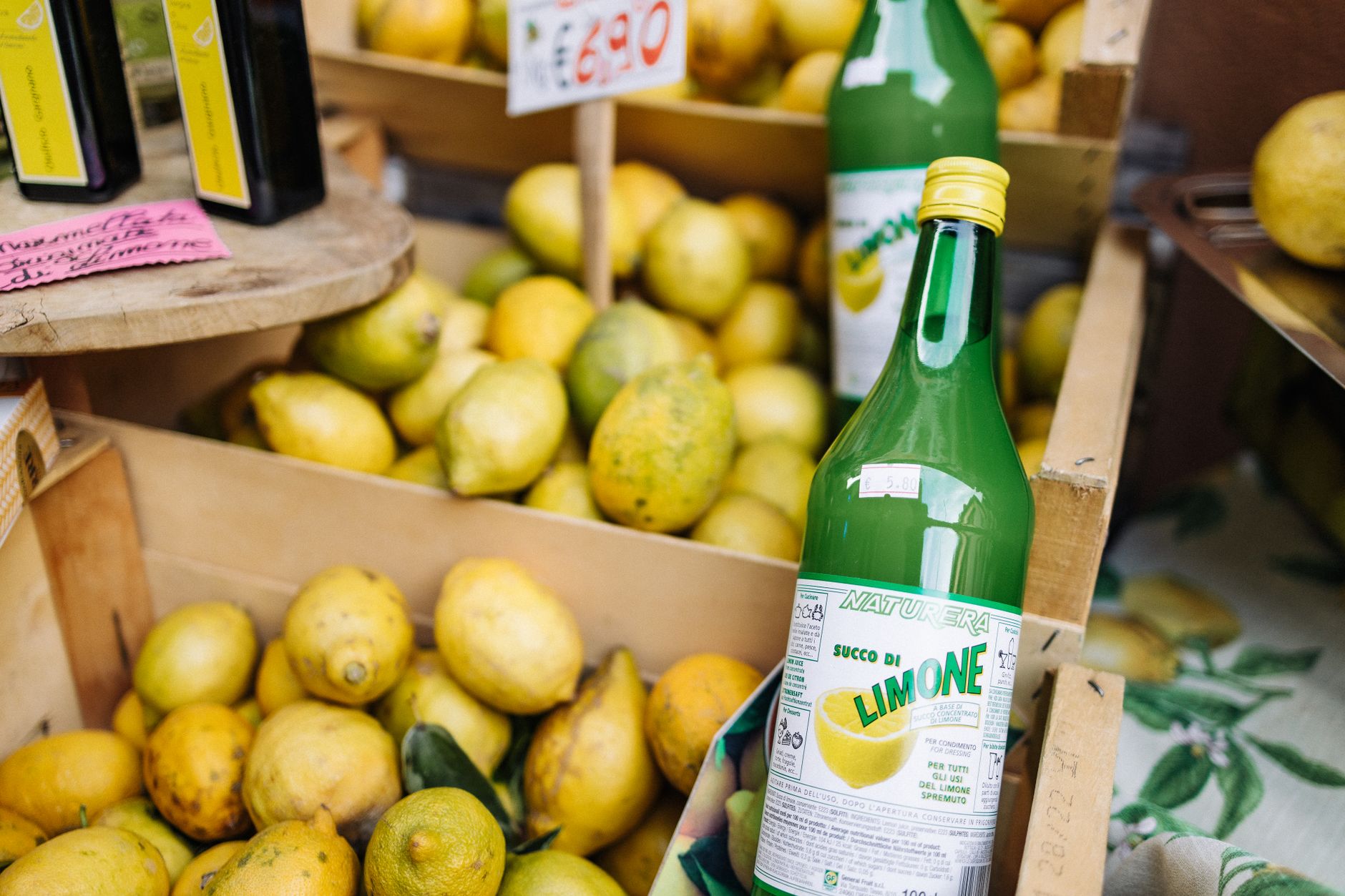
When cooking, baking, or mixing drinks, the choice between fresh lemon juice and bottled lemon juice can often come up. This raises a common question: how much bottled lemon juice equals one lemon? Understanding this equivalency can simplify meal preparation, saving time and effort.
This article aims to clarify the conversion between fresh lemons and bottled lemon juice, including important considerations such as flavor and acidity. We will also explore practical uses, ingredient substitutions, and tips for achieving the best results in your cooking endeavors.
How Much Bottled Lemon Juice Equals One Lemon?
One average lemon typically yields about 2 to 3 tablespoons of fresh lemon juice. Therefore, bottled lemon juice can be used as a substitute in a ratio of approximately 2 to 3 tablespoons of bottled juice for each lemon. However, factors such as taste, acidity, and freshness may affect this conversion.
Why Choose Bottled Lemon Juice?
Bottled lemon juice offers several advantages in the kitchen, making it a convenient option for many home cooks:
- Convenience: It is always on hand, allowing for quick additions to recipes without the need for juicing.
- Uniformity: Bottled juice provides a consistent flavor and acidity level, which can be particularly useful in baking.
- Long shelf life: Unlike fresh lemons, bottled lemon juice can be stored for an extended period without spoilage.
Flavor and Acidity Considerations
While bottled lemon juice is a suitable substitute for fresh lemon juice, it’s essential to be aware of the differences in flavor and acidity:
- Freshness: Fresh lemon juice often has a brighter, more vibrant taste compared to bottled varieties, which can sometimes have a slightly different flavor profile due to preservatives.
- Acidity: Bottled lemon juice usually contains citric acid, which is similar to the natural acidity found in fresh lemons. However, if you’re using the juice in delicate recipes, consider this difference for balance.
When to Use Bottled Lemon Juice
Bottled lemon juice works well in a variety of dishes and beverages:
- Marinades: Quick and easy marinades can be made with bottled lemon juice, enhancing the flavor of meats and vegetables.
- Salad Dressings: Incorporate bottled lemon juice into vinaigrettes for a tangy kick without the hassle of fresh lemons.
- Drinks: Use it in cocktails or homemade lemonade—just remember to adjust the sweetness accordingly.
- Baking: Perfect for recipes like lemon bars or cakes, where precise acidity is necessary.
How to Replace Fresh Lemons with Bottled Lemon Juice
When you’re ready to replace fresh lemons with bottled lemon juice, follow these simple steps:
- Measure the Juice: Determine how many lemons your recipe calls for—use the conversion of 2 to 3 tablespoons of bottled lemon juice for each lemon.
- Adjust for Flavor: If your recipe’s flavor profile relies heavily on fresh lemon, consider adjusting the quantity to taste.
- Mix Well: Incorporate the bottled lemon juice thoroughly into your dish, ensuring it blends with other ingredients.
Practical Substitutions for Lemon Juice
If you find yourself without both lemons and bottled juice, several alternatives can provide similar acidity and flavor:
- Lime Juice: Substitute lime juice in equal amounts; however, be mindful that limes have a slightly different flavor profile.
- White Vinegar: Use half the amount of white vinegar as a tangy replacement, as it has a stronger taste.
- Cider Vinegar: This can also substitute lemon juice, although the flavor is less tart—use it sparingly.
- Citric Acid: Mix 1/2 teaspoon of citric acid with 2 tablespoons of water for a similar tartness.
Common Mistakes When Using Bottled Lemon Juice
To ensure the best possible results when using bottled lemon juice, avoid these common pitfalls:
- Using Too Much: The acidity can be stronger than fresh lemon juice, so start with less and adjust to taste.
- Assuming Equal Freshness: Remember that bottled juice may not have the same vibrant flavor as fresh juice, leading to less tasty results.
- Ignoring the Expiration Date: Always check the expiration date on bottled lemon juice to ensure quality.
Storage Tips for Bottled Lemon Juice
To maintain the quality of bottled lemon juice and extend its shelf life, consider the following tips:
- Refrigeration: Once opened, it’s best to refrigerate bottled lemon juice to prevent spoilage.
- Seal Tightly: Always ensure the bottle cap is sealed tightly after use to keep out air and moisture.
- Check for Changes: If you notice a change in color or smell, do not use the juice, as it may have gone bad.
Recipes Using Bottled Lemon Juice
Here are a few recipe ideas where bottled lemon juice can shine:
Homemade Lemonade
This simple recipe requires minimal ingredients and can be made in no time.
- 1 cup bottled lemon juice
- 1 cup sugar (adjust to taste)
- 4 cups water
- In a pitcher, combine the bottled lemon juice and sugar.
- Add 4 cups of water and stir until the sugar is fully dissolved.
- Taste and adjust sweetness if necessary. Chill before serving.
Lemon Vinaigrette Dressing
This vibrant dressing is perfect for salads and marinades.
- 1/4 cup bottled lemon juice
- 1/2 cup olive oil
- 1 tablespoon Dijon mustard
- Salt and pepper to taste
- In a bowl, whisk together the lemon juice, mustard, salt, and pepper.
- Slowly drizzle in the olive oil while whisking to emulsify.
- Store in an airtight container in the fridge for up to a week.
Conclusion
Understanding the equivalency of bottled lemon juice to fresh lemons can make your cooking and baking endeavors smoother and more enjoyable. Whether you reach for bottled lemon juice for convenience or use it as a reliable replacement, it’s essential to consider adjustments in flavor and acidity for optimal results.
For your next culinary project, consider trying the homemade lemonade or lemon vinaigrette recipes above. They are excellent ways to incorporate the lively essence of lemons into your meals without the need for fresh fruit. Explore more tips and recipes that enhance your cooking experience.
Check out our delicious lemonade concentrate recipe and an easy single-serving lemonade recipe for refreshing ideas!