
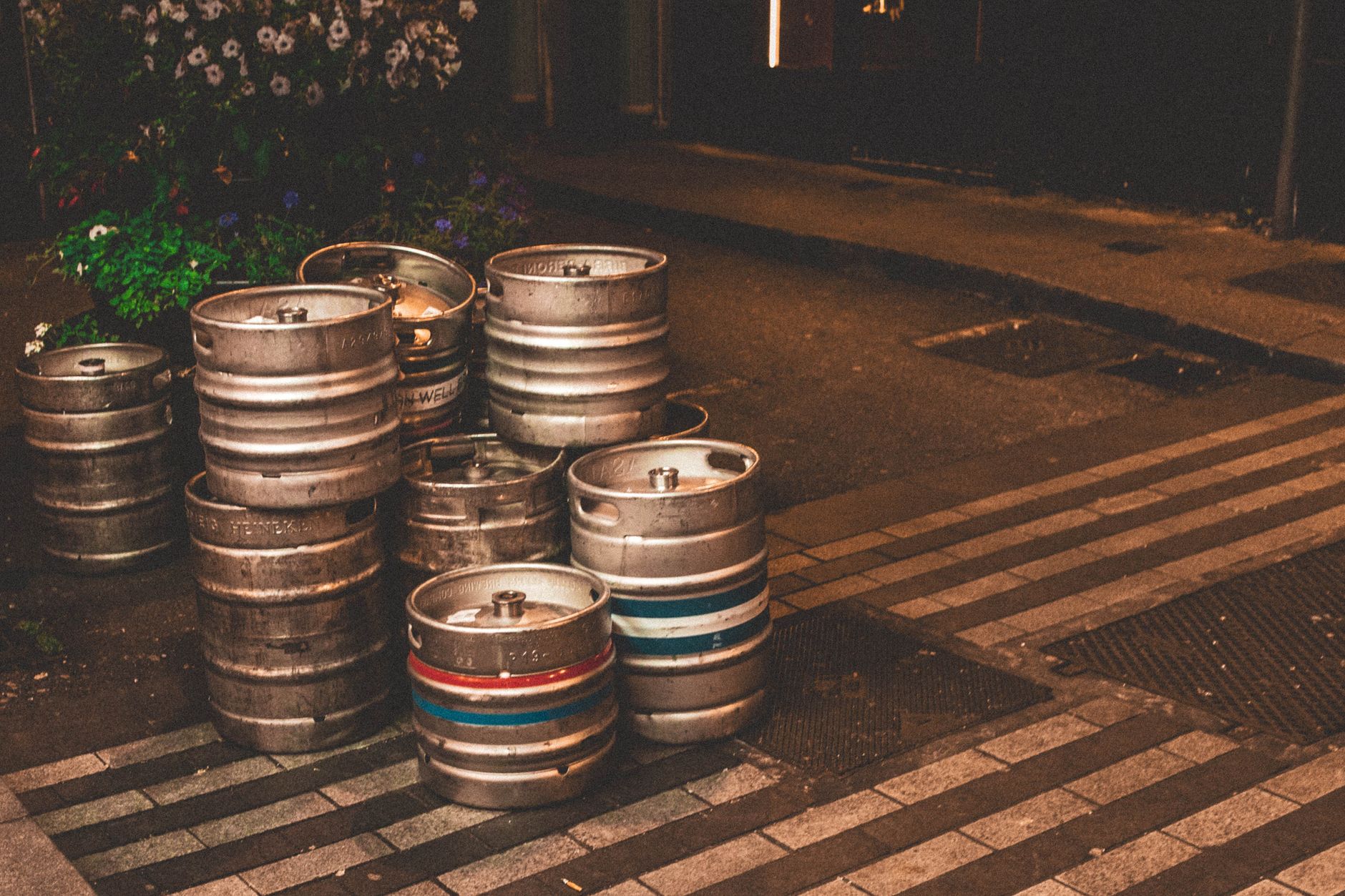
Understanding the cost associated with purchasing a half keg of beer is essential for planning parties or gatherings. This article will cover the various factors that influence keg prices, the safety considerations when serving large quantities of beer, and the benefits of choosing a half keg over other options.
By the end, you will gain insights into budgeting for your event and tips for serving beer efficiently and responsibly.
How Much Is A Half Keg Of Beer?
The average cost of a half keg of beer typically ranges from $200 to $300. However, prices can vary based on the beer brand, location, and retailer. Seasonal promotions also play a role in pricing, so it’s wise to check multiple sources for the best deal.
Factors Influencing the Price of a Half Keg of Beer
Several factors can impact how much you’ll spend on a half keg of beer:
- Type of Beer: Craft beers and premium brands usually cost more than mass-produced options.
- Brand: Well-known brands may have a higher price tag compared to local breweries or lesser-known ones.
- Location: Prices can differ significantly based on your geographical area, with urban centers typically being more expensive due to higher demand.
- Seasonality: Prices often fluctuate with demand during holidays or events such as the Super Bowl, St. Patrick’s Day, or summer BBQs.
- Retailer: Different retailers, including liquor stores and supermarkets, may offer various pricing structures, deals, or packages.
Understanding Keg Sizes and Definitions
Before diving into the specifics of half kegs, understanding the terminology and sizing associated with kegs is crucial:
- Half Keg: Also known as a “full-size keg,” this holds approximately 15.5 gallons or 1,984 ounces of beer, equivalent to about 165 12-ounce servings.
- Quarter Keg: This is a smaller keg holding about 7.75 gallons, offering 82 12-ounce servings, ideal for smaller gatherings.
- Sixth Barrel: A sixth keg has a capacity of 5.16 gallons and yields approximately 55 12-ounce servings, the perfect choice for intimate occasions.
Benefits of Choosing a Half Keg of Beer
Opting for a half keg can be advantageous for various reasons:
- Cost-Effective: When purchased per serving, a half keg is typically more economical than buying individual bottles or cans.
- Less Waste: A half keg reduces packaging waste associated with bottles and cans, making it an environmentally friendly choice.
- Variety: Many suppliers offer a selection of beer styles for their half kegs, letting hosts cater to diverse tastes.
- Time-Saving: Fewer items to purchase means less time spent shopping, as kegs provide a significant amount of beer in one container.
Safety Considerations When Serving Beer From a Half Keg
Serving beer from a half keg necessitates responsibility. Here’s what to keep in mind:
- Age Verification: Always verify the age of attendees before serving alcoholic beverages.
- Moderation: Encourage responsible drinking and provide non-alcoholic options for designated drivers or non-drinkers.
- Food Pairing: Serve food alongside the beer to slow down alcohol absorption and promote responsible consumption.
- Designated Drivers: Have plans in place for guests needing transportation home.
Tips for Serving Beer from a Half Keg
Here are some practical tips to ensure the successful serving of beer from your half keg:
- Chill the Keg: Beer is best served cold. Aim for a temperature of around 38-42°F for optimal flavor.
- Use a Quality Kegerator: A kegerator will maintain the proper temperature and pressure for dispensing beer.
- Properly Clean the Tap: Ensure the beer tap is clean to prevent unwanted flavors or infections in the beer.
- Monitor Pressure: Check the CO2 pressure to ensure a consistent pour without excessive foam.
- Pour with Care: Tilt the glass at a 45-degree angle while pouring to minimize foam and enhance the drinking experience.
Where to Buy a Half Keg of Beer
Purchasing a half keg is straightforward, but knowing where to look can save you time and money. Consider the following sources:
- Local Breweries: Many breweries offer kegs for sale directly, which can include limited releases or specialty beers.
- Larger Liquor Stores: Big box liquor retailers typically have a wide selection of kegs, often at competitive prices.
- Supermarkets: Some grocery chains have beer departments that stock kegs; availability may vary by location.
- Online Retailers: Websites may also offer beer kegs with home delivery options available in some regions.
- Rental Services: Companies providing keg rental can often supply taps and delivery services along with the kegs.
Cost Breakdown of a Half Keg of Beer
Understanding the breakdown of costs can help in budgeting for events. Here’s a simplified cost structure:
- Average Keg Price: As mentioned, expect to spend between $200 and $300.
- Deposit Fee: Many retailers require a keg deposit, typically ranging from $30 to $100 depending on the keg size.
- Tap Rental: Some places charge a rental fee for a tap, usually about $15 to $30.
- CO2 Tank: If you’re using a kegerator, the CO2 tank might need rental or return fees, often around $30.
Common Mistakes When Choosing a Half Keg
To ensure a smooth experience, be aware of common pitfalls:
- Not Knowing Your Guests’ Preferences: Failing to consider the tastes of your guests can lead to surplus or shortages. Familiarize yourself with popular options.
- Insufficient Cooling: Serving warm beer can ruin the experience. Ensure the keg is well-chilled before the event.
- Poor Planning: Not preparing for the tap system or carbonation issues can result in frustration. Always check equipment before guests arrive.
- Ignoring Local Laws: Be mindful of legal restrictions related to alcohol consumption in your area, especially if you are hosting a public gathering.
Storage and Handling of a Half Keg
Proper storage and handling can prolong the quality of your beer:
- Keep it Cold: Store the keg in a cool place away from direct sunlight and heat sources to maintain quality.
- Limit Exposure: Minimize the time the keg is out of refrigeration to ensure freshness.
- Use Quickly: Once tapped, consume the beer within 24-48 hours for optimal flavor; carbonation can decline if left any longer.
Alternative Options to a Half Keg
If a half keg doesn’t suit your needs, consider these alternatives:
- Smaller Kegs: As earlier mentioned, quarter kegs or sixth barrels fit better for smaller groups, offering less waste and variety.
- Bottles and Cans: Purchasing beer in bottles or cans may provide a wider selection and ease of handling.
- Beer Tasting Flights: For those who want variety without commitment, offer a beer tasting flight with several brands in smaller quantities.
Serving Beer Responsibly
Always encourage moderation when serving alcohol:
- Provide Non-Alcoholic Options: Ensure that non-drinkers have delightful beverage choices, which can include sodas, juices, or water.
- Advocate Designated Drivers: Always recommend guests choose a designated driver to ensure everyone returns home safely.
- Monitor Guests: Keep an eye on how your guests are handling their alcohol intake, and proactively engage if someone appears overly intoxicated.
Understanding the costs and consumption factors associated with a half keg of beer will help you effectively plan your gathering. From budgeting to safety measures, being proactive ensures your event runs smoothly while keeping enjoyment balanced with responsibility.
To enhance your gatherings further, consider exploring related recipes, cooking tips, and food guides. Check out our summer beer recipe at Bartender’s Cabinet or learn how to craft a hazy IPA recipe for your next party. Enjoy your entertaining!