
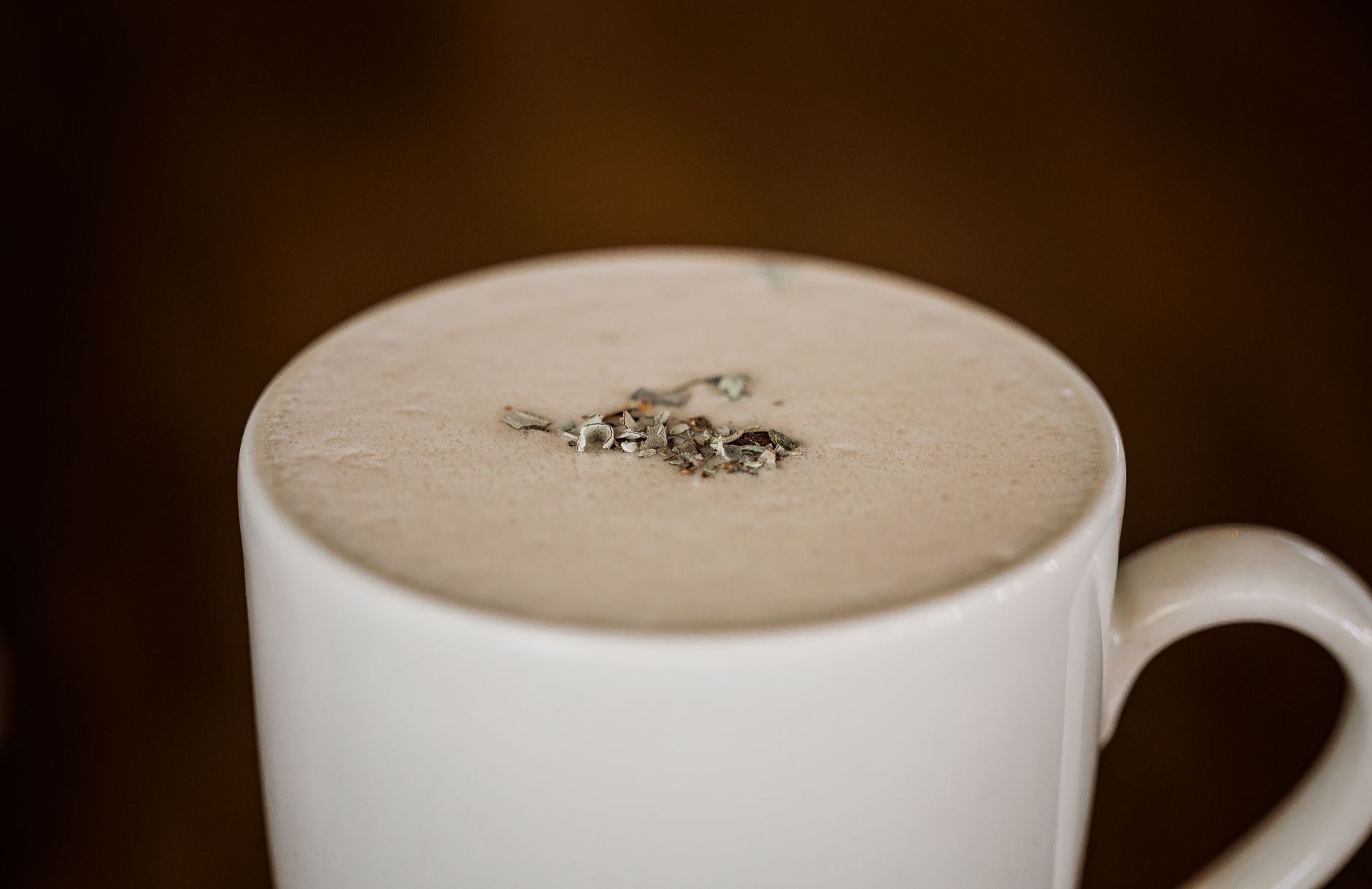
Chai latte and coffee are often grouped together in coffee shops and cafés as popular beverages. However, the two drinks have distinct differences in their ingredients and flavors. Understanding what chai latte is can help clarify whether it falls under the coffee category.
In this article, we will delve into the composition of chai lattes, compare them to coffee, and explore the nuances that set them apart. Additionally, tips for enjoying and even making your chai latte at home will also be included.
Is Chai Latte Coffee?
No, chai latte is not coffee. Chai latte is primarily made from spiced tea (chai), milk, and sweeteners, while coffee is brewed from coffee beans. Although both beverages are often served hot and can have similar textures, their flavor profiles differ significantly.
Chai, in its traditional form, is an infusion of black tea with a blend of warming spices like cinnamon, cardamom, ginger, and cloves. When prepared as a latte, steamed milk is added for creaminess. Coffee, on the other hand, is brewed from roasted coffee beans and characterized by a more robust flavor.
Understanding Chai Latte
Chai latte originated from India, where it is known simply as chai. The word “chai” means “tea” in Hindi, and its traditional preparation involves black tea brewing with aromatic spices and milk. The Western adaptation, known as chai latte, usually combines concentrated chai with foamed or steamed milk, making it creamier and sweeter.
The spiced tea base is the heart of any chai latte, and its robust flavors are typically complemented or mellowed by the creaminess of milk. This balance creates a comforting drink enjoyed by many around the globe.
Common Ingredients in Chai Latte
- Black tea
- Milk (dairy or non-dairy alternatives)
- Sweetener (sugar, honey, or syrups)
- Spices (cinnamon, cardamom, ginger, cloves, pepper)
Flavor Profile and Texture
The flavor of chai latte is complex, with a foundation of warm spices that create a cozy atmosphere. Black tea gives it a slight astringency and depth, while the milk adds creaminess and sweetness when combined with sugar or spiced syrups. Overall, this drink is aromatic and soothing, making it an excellent alternative to traditional coffee.
Health Considerations
Both chai lattes and coffee have unique health implications. Chai, with its blend of spices, can have beneficial antioxidant and anti-inflammatory properties. For instance:
- Cinnamon: May help regulate blood sugar levels.
- Ginger: Known for its digestive and anti-nausea effects.
- Cardamom: Often linked with improved oral health and other benefits.
On the other hand, coffee is renowned for its stimulant effect due to caffeine, which can increase alertness. Moderation is key for both drinks to balance caffeine intake and sugar levels.
How to Make Chai Latte at Home
Making a delicious chai latte at home can be straightforward and allows flexibility in the choice of ingredients. Here’s a simple recipe you can follow to create your perfect cup.
Homemade Chai Latte Recipe
This basic recipe yields two servings and takes around 15 minutes total, including preparation and cooking time.
- Ingredients:
- 2 cups water
- 2 tablespoons loose black tea or 2 black tea bags
- 1 to 2 tablespoons sugar (adjust to taste)
- 1 to 2 cups milk (dairy or non-dairy)
- 1 cinnamon stick
- 4 cardamom pods
- 2 to 3 slices of fresh ginger
- 2 whole cloves
- Black pepper (optional)
Essential Equipment
- Saucepan
- Strainer or sieve
- Mug or cup
- Whisk or frother (for steaming milk)
Step-by-Step Instructions
- In a saucepan, add the water, black tea, cinnamon stick, cardamom pods, ginger, cloves, and optional black pepper. Bring to a boil.
- Once boiling, lower the heat and let the mixture simmer for about 5-10 minutes, depending on how strong you want the flavor. The longer it simmers, the more intense the spices will become.
- Strain the tea into another saucepan, discarding the solids.
- Add sugar to the strained tea and stir until dissolved.
- Gradually add milk to the saucepan with the tea. Heat the mixture gently, but do not boil.
- If you prefer frothed milk, use a whisk or a frother to create a creamy texture before serving.
- Pour the chai latte into your mugs and enjoy!
Practical Tips for Making Chai Latte
- Experiment with spices to find your perfect blend. You can adjust the quantities of spices according to your taste.
- For a spicy kick, add an extra piece of ginger or some black pepper.
- Sweeteners can be varied; consider using honey or a flavored syrup for added depth.
- If using non-dairy milk, choose varieties like oat or almond milk for a creamy consistency.
Common Mistakes When Making Chai Latte
Chai lattes are generally forgiving, but here are a few common pitfalls to avoid:
- Using too little spice can result in a flat flavor. Use fresh spices whenever possible for the best taste.
- Adding milk to boiling tea can cause it to curdle. Always heat your milk separately and combine gently.
- Using too much sugar can overpower the spices. Start with a little and adjust according to your preference.
Chai Latte Variations
The base recipe for chai lattes offers great versatility. There are numerous ways to customize your chai latte experience:
- Dirty Chai Latte: This variant combines everything you love about chai with a shot of espresso, providing an extra caffeinated punch.
- Iced Chai Latte: For those hot summer days, simply chill the brewed chai and serve it over ice with cold milk.
- Chai Tea Concentrate: Make a larger batch of concentrated chai that you can store in the fridge. Mix with milk when ready to serve.
Frequently Asked Questions
Is chai latte healthier than coffee?
Healthiness can depend on various factors, including ingredients and how they are prepared. Chai latte may provide nutritional benefits from the spices, while coffee offers stimulation due to caffeine. Opt for low-sugar versions of both for a healthier choice.
Can I make chai latte without tea?
Yes! There are herbal versions available that replace black tea with herbal alternatives, retaining the delicious spice mixtures. However, the flavor profile will be different.
Storing Leftover Chai Latte
If you happen to have leftover chai latte, it can be stored in the refrigerator for up to 2 days. Here are some tips for reheating:
- Store the chai latte in an airtight container to maintain freshness.
- Reheat gently on the stove or in the microwave, stirring occasionally, to avoid scorching.
- Consider adding additional milk or a splash of water during reheating to restore creaminess.
Serving Suggestions
Chai latte makes for an inviting beverage that pairs well with various snacks and meals. Consider the following options:
- Pair with breakfast pastries like croissants or muffins for a delightful morning treat.
- Enjoy alongside savory snacks such as samosas or spiced nuts to balance the sweet and spiced flavors.
Conclusion
In summary, chai latte is not coffee, but rather a delightful tea-based drink with a rich tapestry of spices and flavors. Whether you prefer it hot or iced, homemade or from a café, experimenting with the ingredients and preparation can lead to a comforting cup that suits your taste.
If you’re interested in exploring more delicious variations of chai latte, be sure to check out a dirty chai latte recipe or learn how to make a chai tea latte inspired by Starbucks.