
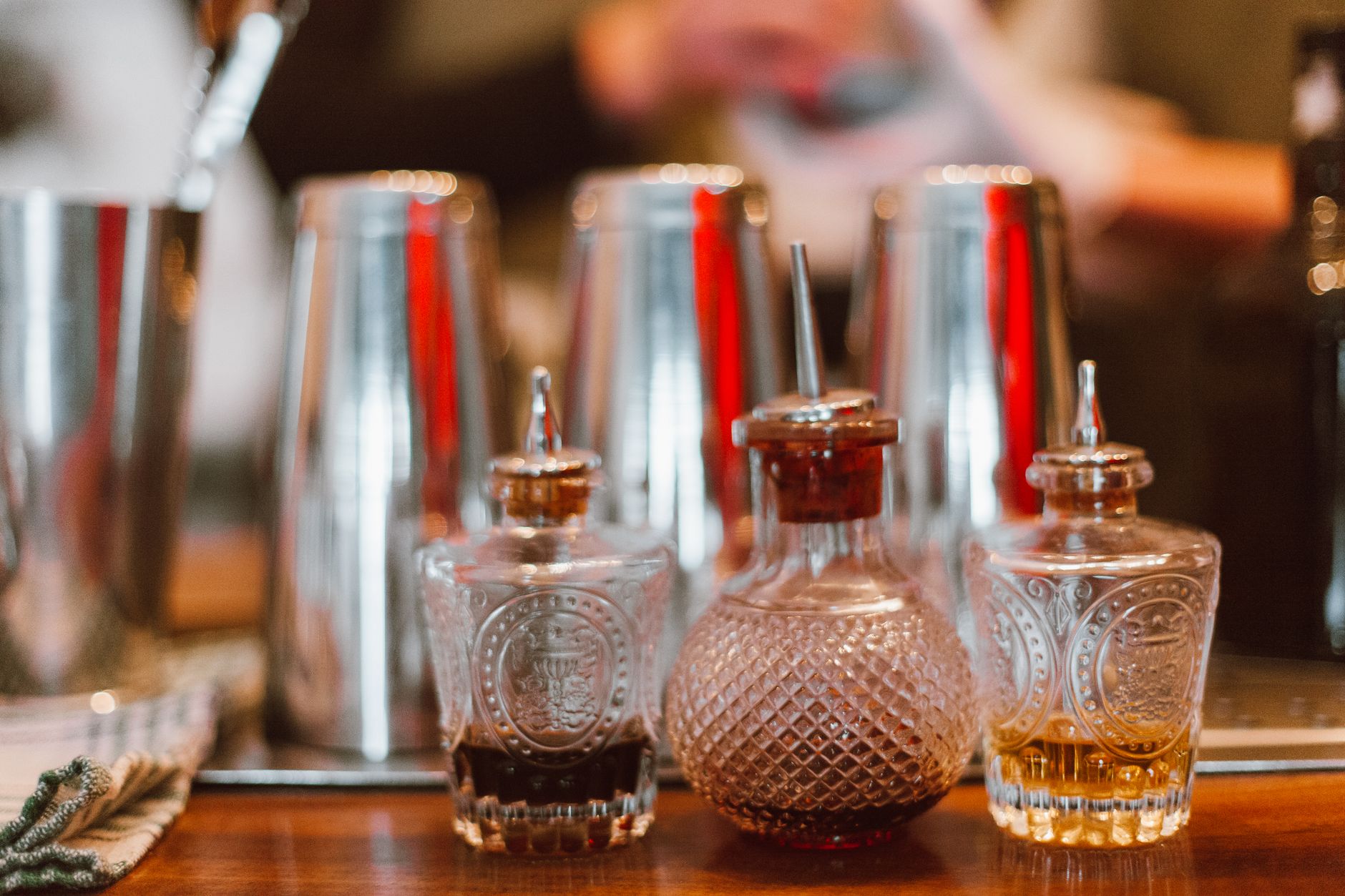
Bitters are concentrated flavoring agents made from herbal extracts that can transform the taste of cocktails and other beverages. Traditionally used in small amounts, they contribute complexity and depth, enhancing the overall experience of the drink. As mixology has evolved, bitters have become a staple in both craft cocktails and home bartending.
This guide will explore what bitters are, their history, uses, types, and how to incorporate them into your favorite cocktails, along with tips for making your own bitters at home.
What Are Bitters?
Bitters are highly concentrated flavoring agents typically derived from a mixture of botanicals, including herbs, spices, and fruits. They usually have a bitter taste, which is where they get their name. Bitters can be used to enhance drinks, balance flavors, or add complexity to dishes.
Historical Background of Bitters
The concept of bitters dates back to ancient civilizations, where herbal tinctures were created for medicinal purposes. The first commercial bitters was produced in the early 19th century, specifically Angostura bitters, named after a town in Venezuela. Since then, bitters have evolved into essential ingredients for many classic and modern cocktails.
The Role of Bitters in Cocktails
Bitters serve multiple purposes in cocktail making. They can balance sweetness, round out flavors, and add aromatic profiles that can elevate a drink. Just a few dashes can transform a standard cocktail into something extraordinary. Here are some of the primary roles of bitters in cocktails:
- Flavor Enhancer: Bitters can enrich the overall flavor profile of a cocktail, providing depth that might be lacking in sweeter elements.
- Balance: The bitterness helps to offset cloying sweetness, making cocktails more palatable.
- Aromatic Quality: Many bitters are aromatic, contributing a fragrant quality that heightens the sensory experience.
- Visual Appeal: Certain bitters can enhance the visual presentation of a cocktail.
Types of Bitters
There are numerous types of bitters available today, each with unique flavor profiles. Here are some common types:
1. Aromatic Bitters
These are the most common bitters, with Angostura being the most recognized brand. They typically include spices and aromatic herbs and are often used in classic cocktails like the Old Fashioned.
2. Fruit Bitters
Fruit bitters impart fresh fruity flavors, often citrusy or berry-like. They work well in cocktails that use fresh fruit or liqueurs.
3. Herbal Bitters
Herbal bitters are made from various herbs, delivering earthy and complex flavors. They can complement spirit-forward cocktails nicely.
4. Spiced Bitters
These bitters feature warming spices, such as cinnamon or clove, which can add an inviting warmth to cocktails, particularly in fall and winter drinks.
5. Specialty Bitters
In recent years, niche and craft bitters makers have developed specialty bitters, using unconventional ingredients like smoke or specific regional herbs. These can add unique twists to cocktails.
How to Use Bitters in Cocktails
Incorporating bitters into cocktails is simple, but it’s important to know how much to use. Here are some tips to balance their intense flavors:
- Start Small: A few dashes is usually enough to impact a cocktail. You can always add more if needed.
- Experiment: Each type of bitters can change the dynamic of a drink. Don’t hesitate to try different bitters to see how they affect the flavor.
- Pair Wisely: Consider the flavors of the drink when selecting bitters. For example, citrus bitters may pair better with gin and tonic.
Popular Cocktails Featuring Bitters
Bitters are essential in many classic cocktails. Here are a few iconic drinks that highlight their importance:
Manhattan
This classic cocktail features whiskey, sweet vermouth, and a few dashes of Angostura bitters. The bitters balance the sweetness of the vermouth, creating a richly flavored drink.
Old Fashioned
The Old Fashioned uses sugar, whiskey, and bitters — typically aromatic bitters like Angostura. This simple drink demonstrates how bitters can harmonize with the other ingredients.
Sazerac
This New Orleans classic combines rye whiskey, sugar, a splash of absinthe, and Peychaud’s bitters. The bitters provide a distinctive flavor that complements the rye perfectly.
Making Your Own Bitters at Home
Creating your own bitters allows for customization and the exploration of unique flavor combinations. It involves infusing a high-proof alcohol with various herbs, spices, and fruits. Here’s a basic guide to making homemade bitters:
Ingredients
- High-proof neutral alcohol (like grain alcohol or vodka)
- Botanicals (think herbs, spices, citrus peels, or fruits)
- Optional sweeteners (sugar, honey, or stevia)
Equipment
- Glass jar with a tight-sealing lid
- Strainer or cheesecloth
- Dropper bottle for storage
Step-by-Step Method
- Select Botanicals: Choose a combination of flavors. Common choices include gentian root for bitterness, citrus peels for zest, or spices like clove and cinnamon.
- Combine Ingredients: In a glass jar, add ¼ cup of your chosen botanicals and cover them with 1 cup of high-proof alcohol. Seal tightly.
- Infuse: Let the mixture infuse in a cool, dark place for about two weeks. Shake the jar every few days to help the infusion process.
- Strain: After two weeks, strain the mixture through a cheesecloth or fine mesh strainer to separate the solids. Store the liquid in a dropper bottle.
- Taste and Adjust: You can adjust bitterness and sweetness by adding more botanicals or sweeteners. Let the mixture infuse longer if necessary.
Common Mistakes to Avoid
While making or using bitters can be straightforward, a few common mistakes can affect the outcome:
- Overuse: Too much bitters can overwhelm a cocktail. Start with a few dashes and adjust to taste.
- Ignoring Quality: Since bitters are concentrated, using low-quality or mass-produced varieties may yield an unbalanced flavor. Explore craft brands for unique offerings.
- Neglecting to Experiment: Don’t shy away from trying different mixtures. The beauty of bitters lies in their versatility.
Storage and Shelf Life
Homemade bitters can be stored in a cool, dark place, away from direct sunlight. They generally last for a year or more, but their flavor may change over time. Commercial bitters often have a long shelf life but check the manufacturer’s guidelines if in doubt.
Exploring Bitters Beyond Cocktails
Bitters are not just for cocktails; they can enhance various culinary dishes, from marinades to desserts. Here are some creative uses:
- Dressings and Marinades: Add a few drops to vinaigrettes or marinades for an extra punch.
- Infused Spirits: Use bitters to create custom gins or vodkas for cocktails.
- Desserts: Incorporate bitters into chocolate desserts for a sophisticated touch.
Conclusion
Bitters are a versatile ingredient that can elevate both cocktails and culinary creations. By understanding their types, uses, and how to create them at home, you can take your mixology and cooking skills to new heights. Start experimenting with different bitters, and don’t hesitate to get creative in the kitchen or behind the bar.
For more exciting cocktail recipes try your hand at a classic Manhattan or a flavorful Maple Bourbon Old Fashioned. Happy mixing!