
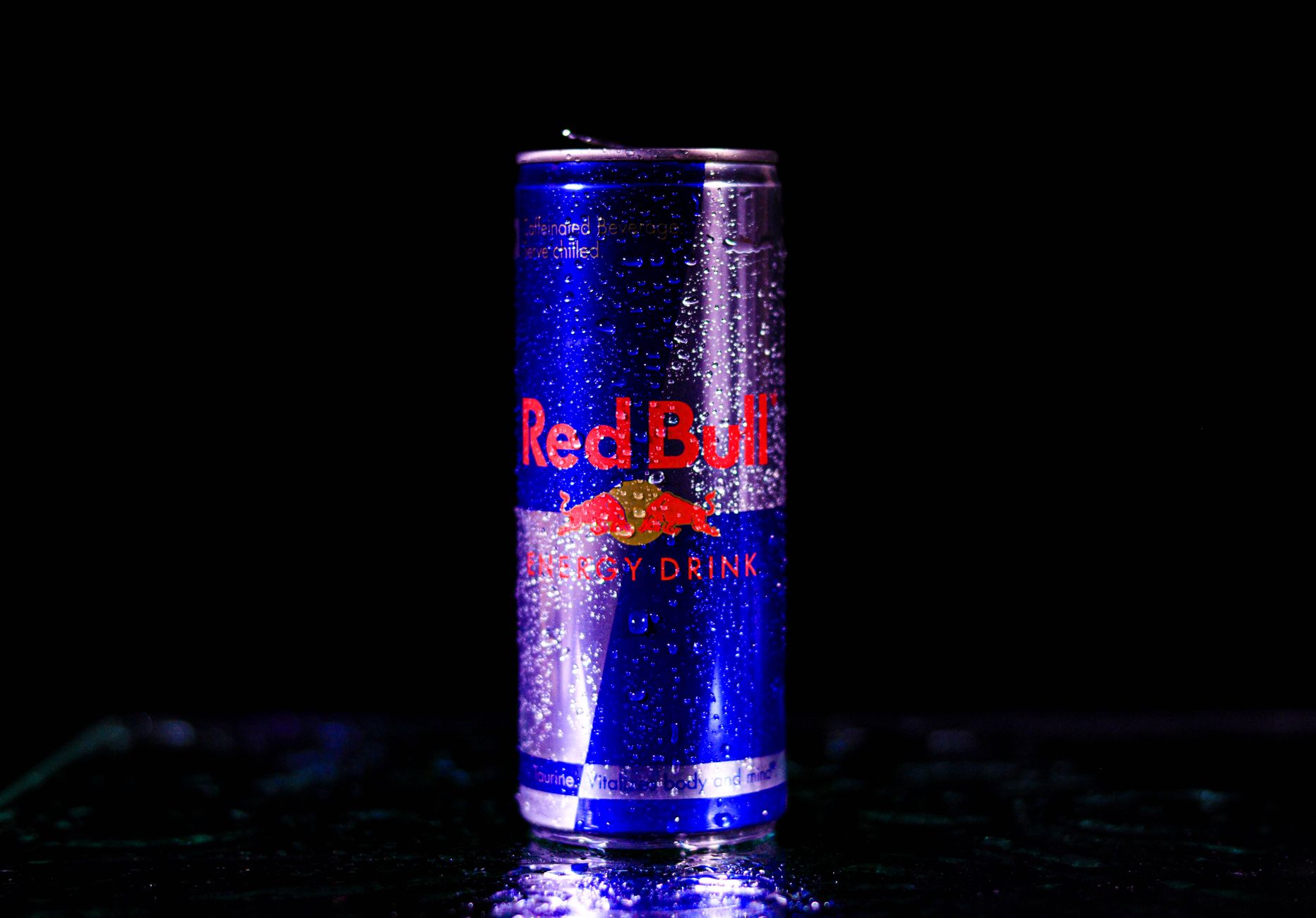
Caffeine is a key ingredient in many energy drinks, and Red Bull is among the most popular. For those curious about caffeine content, understanding how much is present in a standard 8.4 oz can of Red Bull can help inform your consumption decisions.
A typical 8.4 oz serving of Red Bull contains approximately 80 mg of caffeine. This amount is often compared to other caffeinated beverages, contributing to the choice for energy boosts among consumers.
How Much Caffeine Is in a 8.4 Oz Red Bull?
In a standard 8.4 oz can of Red Bull, you can expect to find around 80 mg of caffeine. This quantity can vary slightly depending on the variant of Red Bull you select, but 80 mg serves as a reliable benchmark for most regular formulations of the drink.
The Role of Caffeine in Red Bull
Caffeine serves several functions in energy drinks like Red Bull. It acts as a stimulant that helps to increase alertness and reduce the perception of fatigue. Here are some facts about the role and effects of caffeine:
- Stimulation of the Central Nervous System: Caffeine enhances brain function, improving mood, reaction time, and overall cognitive performance.
- Physical Performance: Consuming caffeine can enhance physical performance by mobilizing fatty acids from fat tissues, leading to improved endurance.
- Short-Term Energy Boost: Many people use caffeine to gain a temporary energy boost during extensive tasks or long periods of focus.
Caffeine Content in Comparison to Other Beverages
To place the caffeine content of Red Bull in perspective, here’s a comparison with several common beverages:
| Beverage | Serving Size | Caffeine Content (mg) |
|---|---|---|
| Coffee (Brewed) | 8 oz | 95 mg |
| Espresso | 1 oz | 63 mg |
| Cola | 12 oz | 34 mg |
| Green Tea | 8 oz | 30 mg |
| Black Tea | 8 oz | 47 mg |
As seen in the table, while Red Bull has a significant caffeine content, it is lower than brewed coffee but higher than most teas and cola drinks. This makes it a middle-ground option in terms of caffeine density.
Benefits of Caffeine Consumption
Moderate caffeine consumption can offer various benefits, particularly in stimulating mental and physical performance. Here are some advantages:
- Improved Mental Alertness: Caffeine can increase attention span, focus, and reduce feelings of fatigue.
- Enhanced Physical Performance: Many athletes utilize caffeine to improve their endurance and performance during competitions.
- Social Aspect: Drinks like Red Bull often serve as part of social gatherings, where their stimulating effects enhance interaction and enjoyment.
Potential Risks of Caffeine
Despite the benefits, it is essential to understand the potential risks associated with excessive caffeine consumption:
- Insomnia: Overconsumption can interfere with sleep patterns, leading to insomnia.
- Anxiety and Jitters: High doses increase the likelihood of insomnia, restlessness, and heightened anxiety.
- Dependence: Regular consumption can lead to dependence and withdrawal symptoms such as headaches and fatigue.
Who Should Be Cautious with Caffeine?
While moderate consumption is generally safe for most adults, specific groups should be more cautious:
- Pregnant Women: It is advisable for pregnant women to limit their caffeine intake due to potential health impacts on the fetus.
- Individuals with Heart Issues: Those with heart problems or irregular heart rhythms should consult a medical professional regarding caffeine consumption.
- Those with Anxiety Disorders: Individuals prone to anxiety should consider reducing their caffeine intake as it can exacerbate symptoms.
How to Incorporate Red Bull Into Your Diet
If you choose to consume Red Bull or similar energy drinks, consider these tips for incorporating them into your diet sensibly:
- Timing: Consume Red Bull at times when you need an energy boost, such as during long work hours or before exercise.
- Moderation: Limit intake to one can per day to avoid potential negative health effects associated with excessive caffeine.
- Hydration: Stay hydrated throughout the day with water to counterbalance any dehydrating effects of energy drinks.
Red Bull Variants and Caffeine Content
Red Bull comes in several flavors and formulations, each with varying caffeine levels. Here are some standard varieties:
- Red Bull Energy Drink: The classic version contains 80 mg of caffeine in 8.4 oz.
- Red Bull Sugarfree: This option also contains 80 mg of caffeine and is free from sugar.
- Red Bull Zero Calories: Similar to the sugar-free variant, containing 80 mg of caffeine without added calories.
- Red Bull Editions (Various Flavors): These flavored versions typically maintain the 80 mg caffeine level but may have differences in sweetness and taste due to added flavorings.
Caffeine Sensitivity and Individual Variation
Individual responses to caffeine can vary significantly. Factors influencing this include:
- Genetics: Some people metabolize caffeine faster, affecting its impacts on energy and alertness.
- Regular Intake: For regular caffeine consumers, the body may build tolerance, reducing its stimulating effects over time.
- Weight and Age: Heavier individuals or older adults may experience different effects, along with factors like lifestyle and overall health.
Popular Mixed Drink Recipes Featuring Red Bull
Red Bull is not only enjoyed on its own but is also a popular mixer for cocktails and other beverages. Here are a couple of classic recipes that make use of Red Bull:
Vodka Red Bull
This easy recipe combines vodka with Red Bull for a sweet and energizing drink, popular in nightlife settings.
- Ingredients:
- 1.5 oz vodka
- 4-6 oz Red Bull
- Instructions:
- Fill a glass with ice.
- Pour vodka over the ice.
- Top with Red Bull to your desired strength.
- Gently stir and serve with a lime wedge if desired.
Red Bull Italian Soda
For a refreshing take, combining flavored syrups with Red Bull can create a delightful Italian soda.
- Ingredients:
- 1 cup ice
- 1 oz flavored syrup (like raspberry or peach)
- 4-6 oz Red Bull
- Fresh fruit for garnish
- Instructions:
- Fill a glass with ice.
- Add flavored syrup to the glass.
- Pour Red Bull over the ice and syrup.
- Stir gently and garnish with fresh fruit.
Storing and Serving Recommendations
When purchasing Red Bull, here are some tips on how to store and serve it:
- Storage: Keep Red Bull in a cool, dry place and avoid direct sunlight to maintain flavor and quality.
- Chilling: Serve chilled for the best taste experience; refrigerating before serving is recommended.
Common Misconceptions About Red Bull
There are several misconceptions about Red Bull and energy drinks that are worth addressing:
- Myth: Energy drinks like Red Bull are harmful if consumed occasionally.
Fact: When consumed in moderation, these drinks are safe for most adults. - Myth: All energy drinks contain high levels of caffeine.
Fact: Caffeine levels vary among different brands and types of energy drinks.
Conclusion
Understanding the caffeine content of an 8.4 oz Red Bull, which is approximately 80 mg, helps consumers make informed choices about their energy drink intake. Given the potential benefits and risks associated with caffeine, moderation and awareness of personal sensitivity play crucial roles in responsible consumption.
If you’re interested in exploring recipes that incorporate Red Bull or learning more about energy drinks, consider checking out our guide to making a Red Bull Italian Soda or mixing up a Vodka Red Bull. There’s a lot to discover about how to enjoy this popular energy drink!