
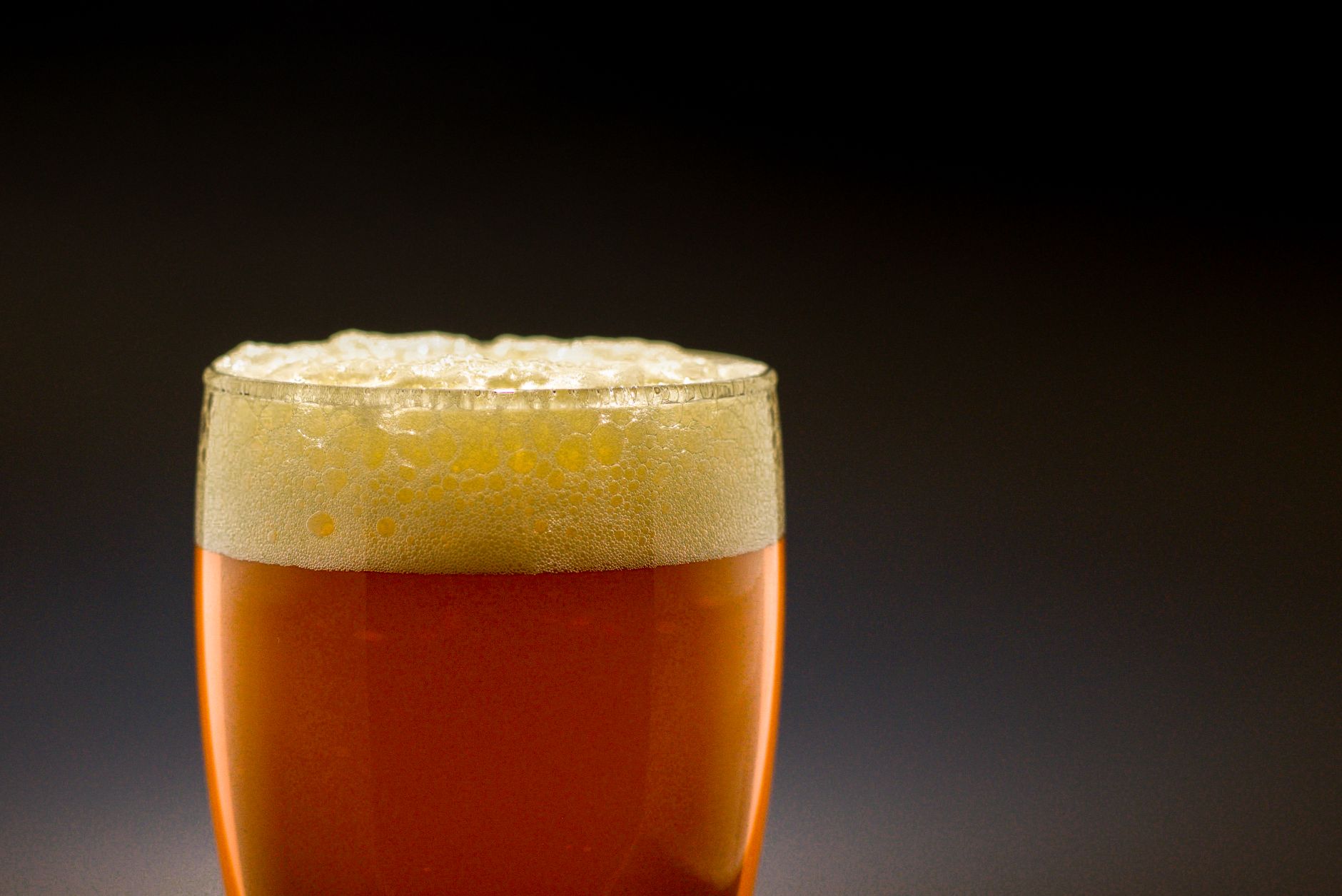
The question of how much sugar beer has can vary significantly based on a variety of factors, including the type of beer, the brewing method, and the specific ingredients used. Understanding the sugar content in beer not only helps consumers make informed choices but can also shed light on the brewing process itself.
This guide will delve into the sugar content of various beer types, discuss how sugars are measured, explore the impact of sugars on flavor and fermentation, and offer tips for those who may be monitoring their sugar intake.
How Much Sugar Does Beer Have?
The sugar content in beer typically ranges from 0.5 to 5 grams per 12 ounces, depending on the style and production method. Most commercially available beers have less than 1 gram of sugar per serving, while some craft beers, particularly those that imbue flavors from fruits or caramel malts, may contain higher sugar levels.
Understanding Sugars in Beer
To understand how sugar appears in beer, it’s essential to grasp a few key concepts about brewing and the different types of sugars involved:
- Fermentable Sugars: These sugars can be consumed by yeast in the fermentation process. Common fermentable sugars include glucose and maltose.
- Unfermentable Sugars: These sugars remain in the finished beer and contribute to sweetness but do not convert to alcohol. Examples include lactose and some dextrins.
- Residual Sugars: These are the sugars that remain after fermentation is complete. They affect the beer’s sweetness and body.
Types of Beer and Their Sugar Content
The sugar content in beer can vary significantly between different styles. Below is a breakdown of common beer types and their average sugar content:
Pale Ales
Pale ales typically contain about 0.5 to 3 grams of sugar per 12-ounce serving. The hop flavor balances out any sweetness from the sugars.
IPAs (India Pale Ales)
IPAs can have slightly higher sugar levels, averaging around 1 to 4 grams per 12 ounces, depending on the added hops and malts. The strong hop profile often masks any sweetness.
Stouts and Porters
These dark beers tend to have more residual sugars, averaging 2 to 5 grams per 12 ounces. The rich, roasted flavors often enhance the perception of sweetness.
Wheat Beers
Wheat beers usually have around 1 to 3 grams of sugar. They sometimes contain fruits added during the brewing process, which can increase sugar levels.
Light Beers
Light beers are designed to have lower sugar content, typically containing less than 1 gram of sugar per 12 ounces, making them a popular choice for those watching their sugar intake.
Fruit Beers and Specialty Brews
These types of beers can vary widely, often containing between 3 to 10 grams of sugar or more, depending on the fruit used and the brewing method. Be cautious with these, as they can spike sugar content significantly.
How Sugar Impacts Beer Flavor and Fermentation
Understanding the role of sugar in beer goes beyond just looking at numbers. Sugar affects several aspects of the brewing process:
Flavor Profile
Residual sugars can add body and sweetness to beer. For instance, caramel malts may contribute to a sweeter taste, while the fermentation of certain sugars can lead to a drier finish.
Alcohol Content
The more fermentable sugars present, the higher the alcoholic content after fermentation. Brewers balance the sugar content with yeast varieties to achieve desired alcohol levels.
Texture and Mouthfeel
Higher sugar content often contributes to a fuller mouthfeel, making the beer feel richer and leaving a lingering sweetness that can enhance overall enjoyment.
Measuring Sugar in Beer
Professional brewers often measure sugar using specific gravity readings throughout the brewing process. Homebrewers might utilize refractometers, hydrometers, or lab methods to analyze sugar content.
Specific Gravity and Original Gravity (OG)
The specific gravity provides a measure of the sugar content before fermentation begins (OG) and the final gravity (FG) after fermentation. The difference between these readings can help determine the alcohol percentage and how much sugar remains in the final product.
Degrees Plato
Another method of measuring sugar in beer is via Degrees Plato, which expresses sugar concentration as a percentage. This is particularly useful for brewers who want detailed control over the sugar levels in their brews.
Common Mistakes in Estimating Sugar Content
Many people might underestimate or overestimate sugar content in beer due to misconceptions. Here are some common pitfalls:
- Not considering fermentation: The fermentation process converts sugars into alcohol, meaning not all sugars present in the wort will remain in the final beer.
- Equating sweetness with sugar content: Some beers may taste sweet without having high sugar content due to factors like residuals, malt characteristics, and added flavors.
- Ignoring packaging information: Many craft and commercial breweries provide nutritional information, including sugar content. Not checking these details may lead to inaccuracies.
Tips for Managing Sugar Intake with Beer
If sugar intake is a concern for you, consider the following tips when selecting and enjoying beer:
Choose Lower Sugar Beers
Opt for light beers or styles that are known for lower sugar content, such as pilsners or most lagers. These options typically have less residual sugar.
Read Labels
Many breweries provide nutritional information, including sugar content. Utilize these resources to make informed decisions.
Be Mindful of Serving Sizes
Portion control can also help manage sugar consumption. Consider enjoying smaller servings or sharing a larger beer.
Stay Hydrated
Drinking water between beers can help mitigate the overall sugar intake and assist in staying hydrated.
Conclusion: Finding Balance in Beer and Sugar
While beer can contain varying sugar levels, it’s essential to choose wisely and understand what you’re consuming. Each beer offers a unique balance of flavors, and the presence of sugar can enhance or detract from that experience.
By being aware of the sugar content in different beer types and making informed choices, you can enjoy your favorite brews without worry. Next time you reach for a cold one, take a moment to consider its sugar content and how it fits into your overall dietary preferences.
For more detailed insights on fermenting and brewing your own beverages, explore our guides on crafting unique brews such as seasonal ales and raspberry mead.