
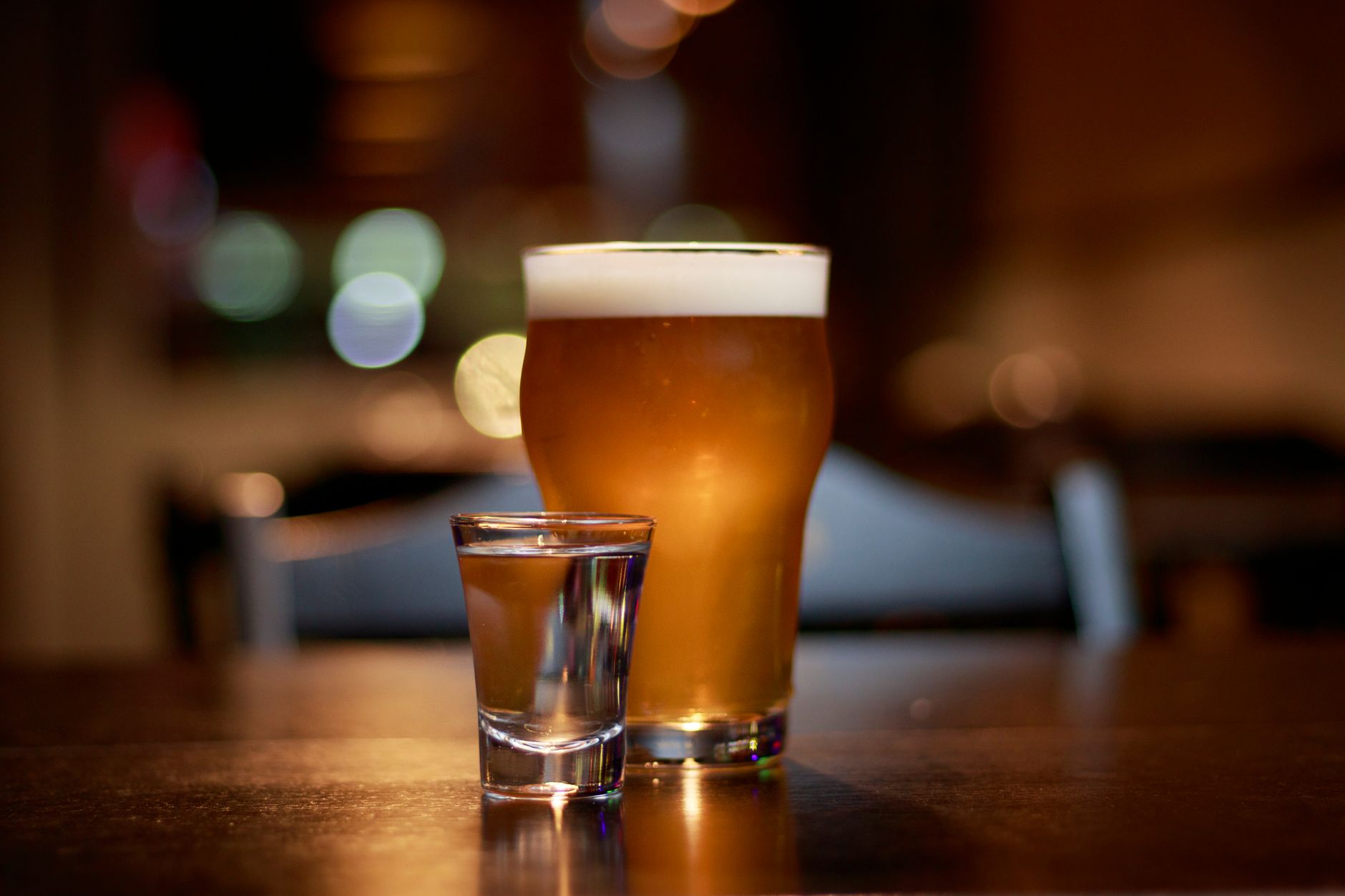
Understanding the relationship between beer and shots is an intriguing aspect of the world of beverages. Many people, especially those at social gatherings or establishments, often ask, “How many shots are in a beer?” This question can lead to discussions about alcohol content, responsible drinking, and various drink recipes that combine the two.
This article serves as a complete guide to clarify how beer and shots are measured, explore the differences in alcohol content, and provide helpful tips on combining these drinks responsibly.
How Many Shots Are in a Beer?
The standard breakdown of beer and shots is often related to the alcohol by volume (ABV) of each. Generally, a 12-ounce beer with 5% ABV is approximately equivalent to one shot of liquor (1.5 ounces at 40% ABV). This means that, in terms of alcohol content, a beer contains about the same amount of alcohol as a shot of liquor.
Understanding Alcohol by Volume (ABV)
ABV is a standard measurement used worldwide to quantify the amount of alcohol (ethanol) contained in an alcoholic beverage. It is expressed as a percentage. The higher the ABV, the greater the alcohol content.
- Light Beer: Usually around 3-4% ABV.
- Regular Beer: Typically ranges from 4-6% ABV.
- Strong Beer: Can have an ABV as high as 7-12% or more.
- Standard Liquor: Generally around 40% ABV (such as vodka, gin, rum, whiskey).
When trying to understand how many shots are in a beer, knowing the ABV of both the beer and the liquor can provide a clearer picture. For instance, a beer with a lower ABV will have less alcohol than a shot of liquor and vice versa.
Comparing Beer and Shots
To visualize this better, here’s a simple way to compare typical beers and shots:
| Drink Type | Volume (Ounces) | Typical ABV | Alcohol Content (Ounces) |
|---|---|---|---|
| Beer (Regular) | 12 | 5% | 0.6 |
| Shot (Liquor) | 1.5 | 40% | 0.6 |
| Beer (Light) | 12 | 3.5% | 0.42 |
As seen in this table, the alcohol content is comparable between a standard beer and a shot of liquor. A 12-ounce beer at 5% ABV has about the same alcohol content as a 1.5-ounce shot of liquor at 40% ABV.
Implications for Responsible Drinking
Because a beer can often equate to a shot in terms of alcohol content, it’s crucial to understand what this means for consumption. Mixing beer and shots can lead to drinking more alcohol than intended, which can impair judgment and lead to unsafe situations.
- Know Your Limits: Always be aware of how much you’re consuming. It’s easy to underestimate the effects of combining different alcoholic beverages.
- Mix Responsibly: If you choose to mix shots with beer, limit your intake and pace yourself.
- Stay Hydrated: Drink water between alcoholic beverages to help mitigate the effects of alcohol and prevent dehydration.
Popular Beer and Shot Combos
Combining beer and shots can create unique drinking experiences. Here’s a look at some popular combinations:
Beer and a Shot of Whiskey
This is a classic pairing where you sip the beer alongside a shot of whiskey. It works well with hearty beers like stouts or ales, which complement the flavor profile of whiskey.
Depth Charge
A depth charge is a fun way to combine beer and shots. You drop a shot glass filled with liquor (often a flavored schnapps) into a pint of beer and drink quickly. The result is a flavorful mix that gets you a double dose of alcohol.
Boilermaker
This combination includes a shot of whiskey (or another spirit) that is served alongside a glass of beer. The shot can be taken first, or you can drop it into the beer and drink them together.
How to Mix Shots and Beer Safely
If you wish to combine beer and shots, here are some helpful tips to do so safely:
- Choose Complementary Flavors: Opt for beer and shots that pair well together. For example, a citrus-flavored shot may go well with a light lager.
- Limit the Amount: Stick to one or two shots when drinking beer to avoid overdoing it.
- Eat Something: Consuming food while drinking can help slow alcohol absorption. Consider snacking on appetizers like nuts, cheese, or chips.
- Be Mindful of Speed: The quicker you drink, the more likely you are to get intoxicated. Take your time and enjoy the flavors.
Understanding the Effects of Mixing Alcohol Types
Mixing different types of alcohol can have varied effects on the body. Many people believe that certain combinations can lead to a worse hangover or illness. While there is no scientific consensus proving some combinations are worse than others, the effects tend to stem from the total alcohol intake, rather than the specific drinks consumed.
Factors Influencing Alcohol Effects
Several factors affect how alcohol impacts your body:
- Body Weight: Heavier individuals may metabolize alcohol at different rates compared to lighter individuals.
- Food Consumption: Eating before or while drinking can reduce the immediate absorption of alcohol into the bloodstream.
- Hydration Levels: Staying hydrated can alleviate some side effects of alcohol.
- Alcohol Tolerance: Regular drinkers may have higher tolerances, which can affect how alcohol affects them.
Common Mistakes When Mixing Beer and Shots
When mixing beer and shots, some common mistakes can lead to uncomfortable situations:
- Not Understanding Alcohol Content: Failing to recognize that a shot and a beer can carry similar alcohol levels can lead to overconsumption.
- Ignoring Body Signals: Pay attention to how you feel. If you’re tipsy, it may be time to slow down your drinking.
- Drinking Too Quickly: Fast drinking can contribute to faster intoxication levels. Pace yourself and enjoy the drink.
Conclusion
In summary, one standard beer (12 ounces at about 5% ABV) contains roughly the same amount of alcohol as one shot of liquor (1.5 ounces at 40% ABV). Awareness of this equivalency is vital for responsible drinking. By understanding your limits, choosing complementary flavors, and hydrating properly, you can enjoy your beverages safely. Always remember to drink responsibly and be aware of your body’s signals.
For more insights and delicious drink recipes, consider exploring our guides to unique shots like Candy Shot Recipe and Mexican Candy Shot Recipe.