
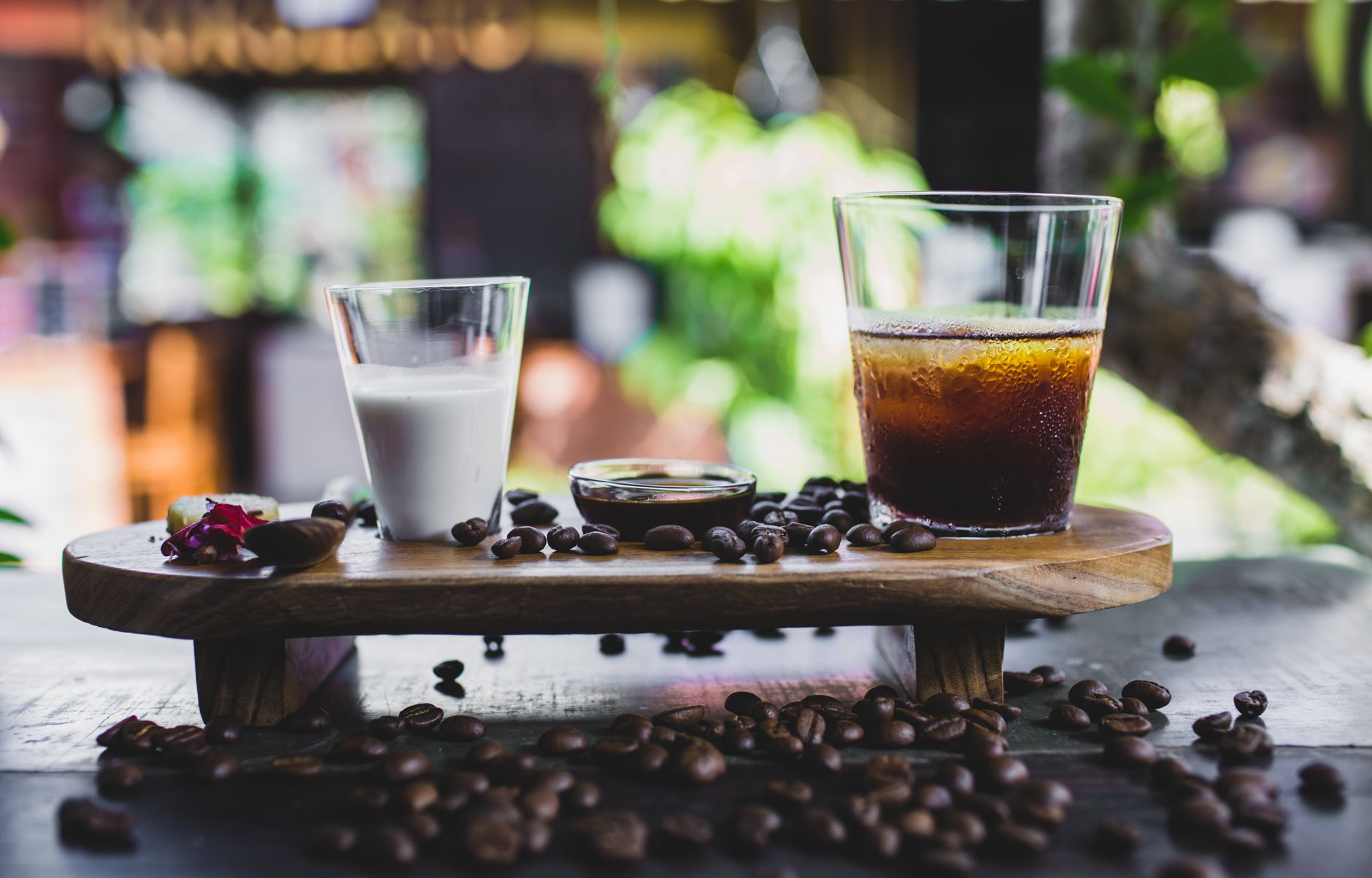
Cold brew coffee has become a popular choice among coffee aficionados for its smooth, rich flavor and low acidity. It is different from regular brewed coffee, being made by steeping coarsely ground coffee beans in cold water for an extended period. Understanding the type of coffee typically used for cold brew is essential to achieving that desired taste.
The ideal coffee for cold brew generally has unique characteristics that contribute to a balanced, flavorful cup. Selecting the right beans can make all the difference between a bland pot and a delightful experience. This guide outlines the best coffee types for cold brew and offers tips for enhancing your homemade beverage.
What Type Of Coffee Is Typically Used For Cold Brew?
The type of coffee typically used for cold brew is coarsely ground coffee beans. When selecting beans, choose ones that have a flavor profile that suits your palate. Popular options include medium to dark roasts, which provide rich flavors and aromas ideal for cold brewing.
Different coffee varieties and blends can be used, but there are general preferences for the following types:
- Arabica Beans: Known for their sweet, complex flavors, Arabica beans are often preferred for their aromatic qualities and smoother taste.
- Colombian Coffee: This type of Arabica coffee tends to have a balanced flavor with hints of nuttiness and sweetness, making it a popular choice for cold brew.
- Sumatra Coffee: With earthy tones and low acidity, Sumatra coffee offers bold flavors, which work well in cold brew preparations.
- Blend of Beans: A combination of different beans can enhance flavor complexity, providing a richer cold brew experience.
The Process of Making Cold Brew Coffee
Understanding the process of cold brewing can also influence your choice of coffee. Unlike hot brewing methods, cold brew coffee is steeped in cold or room temperature water for an extended period—typically 12 to 24 hours. This unique brewing method allows for the extraction of sugars and flavors without the bitterness that often accompanies hot brewing.
Here’s how the cold brew process works:
- Choose Your Coffee: Select high-quality, coarsely ground coffee beans. Aim for a coffee-to-water ratio of 1:4 to 1:8, depending on your strength preference.
- Combine Coffee and Water: In a large pitcher or jar, combine the coffee grounds and cold water.
- Steep: Cover and let the mixture steep at room temperature or in the refrigerator for 12 to 24 hours.
- Filter: After steeping, strain the coffee through a fine mesh sieve or coffee filter to separate the grounds from the liquid.
- Serve: Dilute the concentrate with water, milk, or a milk substitute to your desired strength, and serve over ice.
Flavor Profiles of Different Coffee Types for Cold Brew
Understanding the flavor profiles of various coffee beans can help you select the right type for your cold brew:
Medium Roast
A medium roast coffee typically balances acidity and body. It has a rounded flavor profile with notes of caramel and chocolate. Medium roasts like Colombian coffee work wonderfully in cold brews as they provide a pleasant sweetness without overpowering bitterness.
Dark Roast
Dark roasts often have deep, bold flavors with some chocolate and smoky notes. They tend to have lower acidity, making them an excellent choice for cold brewing. Varieties like French roast or espresso blends can introduce rich, robust flavors to your drink.
Light Roast
Though less common in cold brewing, light roast coffees can produce refreshing, bright flavors. They maintain higher acidity levels, which may alter the smooth experience typical of cold brew. If you enjoy floral or fruity notes, consider using lighter varieties sparingly or mixing them with darker beans.
Choosing Fresh Coffee Beans for Cold Brew
The freshness of coffee beans significantly impacts the flavor of your cold brew. Always opt for whole coffee beans, as they maintain their flavors longer than pre-ground options.
When purchasing coffee beans, consider the following:
- Roast Date: Look for beans roasted within the past few weeks to ensure freshness. Avoid buying beans labeled with a “best before” date, as this can lead to stale products.
- Storage: Store your coffee beans in an airtight container in a cool, dark place to prolong their freshness. Avoid refrigerators, as moisture can affect the flavor.
- Grind Size: For cold brew, a coarse grind is essential. A fine grind can result in over-extraction, making the brew bitter and unpleasant.
Tips for Experimenting with Cold Brew Coffee
Cold brew coffee is highly customizable. Experimenting with different beans, roasts, and flavor combinations can help you discover a mix you love. Here are some practical tips:
1. Adjust Coffee-To-Water Ratio
The coffee-to-water ratio can significantly impact the strength of your cold brew. For a stronger concentrate, use a ratio of 1:4. For a milder flavor, experiment with 1:6 or 1:8.
2. Mix Different Beans
Combining different coffee beans can create a more complex profile. Try mixing a smooth Colombian bean with a bold Sumatra for a balanced flavor.
3. Test Various Brewing Times
Cold brew can steep for varying durations, depending on your flavor preferences. Longer steeping times will yield a stronger and more concentrated brew.
4. Cold Brew Concentrate vs. Regular Cold Brew
Some prefer cold brew concentrate, which is much stronger and can be diluted with water or milk. Feel free to experiment with concentrations based on your taste.
5. Flavor Additions
Consider adding flavors to your cold brew. Vanilla extract, cinnamon, or a splash of flavored syrups can enhance the tasting experience. Experiment with different spices and extracts for delightful twists.
Cold Brew Variations to Try
Once you’ve mastered the basics, try these cold brew variations for added excitement:
Coffee Cocktails
Cold brew can be a great base for cocktails. Add a splash of coffee liqueur for a rich, coffee-flavored drink or mix with cream and whiskey for a classic Irish coffee twist.
Flavored Cold Brew
Incorporate flavor syrups or infused creamers to your cold brew for a customized refreshment. Popular choices include hazelnut, vanilla, or caramel-flavored syrups.
Cold Brew Smoothies
Add cooled cold brew coffee to your morning smoothie for an energizing start to the day. Combine with banana, cocoa powder, and ice for a delicious pick-me-up.
Common Mistakes to Avoid
While cold brewing may seem straightforward, several common mistakes can lead to unsatisfactory results. Here’s what to avoid:
- Using Fine Grind: Avoid using finely ground coffee, as it can lead to over-extraction, resulting in bitterness and grit in your cold brew.
- Skipping the Steep Time: Don’t rush the steeping process. Cold brew requires adequate time to fully extract flavors; minimum steeping time should be 12 hours.
- Not Filtering Properly: Make sure to filter your cold brew correctly. Using a fine mesh sieve or a coffee filter ensures that no grounds enter the final product.
- Neglecting Ratios: Pay attention to your coffee-to-water ratio. Too much coffee can lead to an overly strong concentrate, while too little can result in a bland drink.
Storage and Serving Recommendations
Once your cold brew coffee is ready, proper storage and serving techniques are crucial for maintaining its quality:
Storage
Store your cold brew concentrate in the refrigerator in an airtight container. It can easily last up to two weeks, although freshness is best within the first week. If you’ve added flavors, it’s advisable to consume it sooner.
Serving Options
Cold brew can be enjoyed in various ways:
- Over Ice: Serve cold brew concentrate over ice for a refreshing drink.
- With Milk: For a creamier flavor, mix your cold brew with milk or a milk substitute.
- Iced Coffees and Lattes: Use cold brew as a base for iced coffee and lattes, adjusting milk and sugar to your taste.
Conclusion
Choosing the right type of coffee is crucial for making a great cold brew. It’s essential to consider factors such as the bean type, roast level, and grind size. By leveraging our tips, you can craft a unique cold brew that suits your taste perfectly and enjoy this refreshing beverage anytime.
If you’re looking for more inspiration, check out this brown sugar coffee recipe or learn how to make iced coffee concentrate for an alternative coffee fix.