
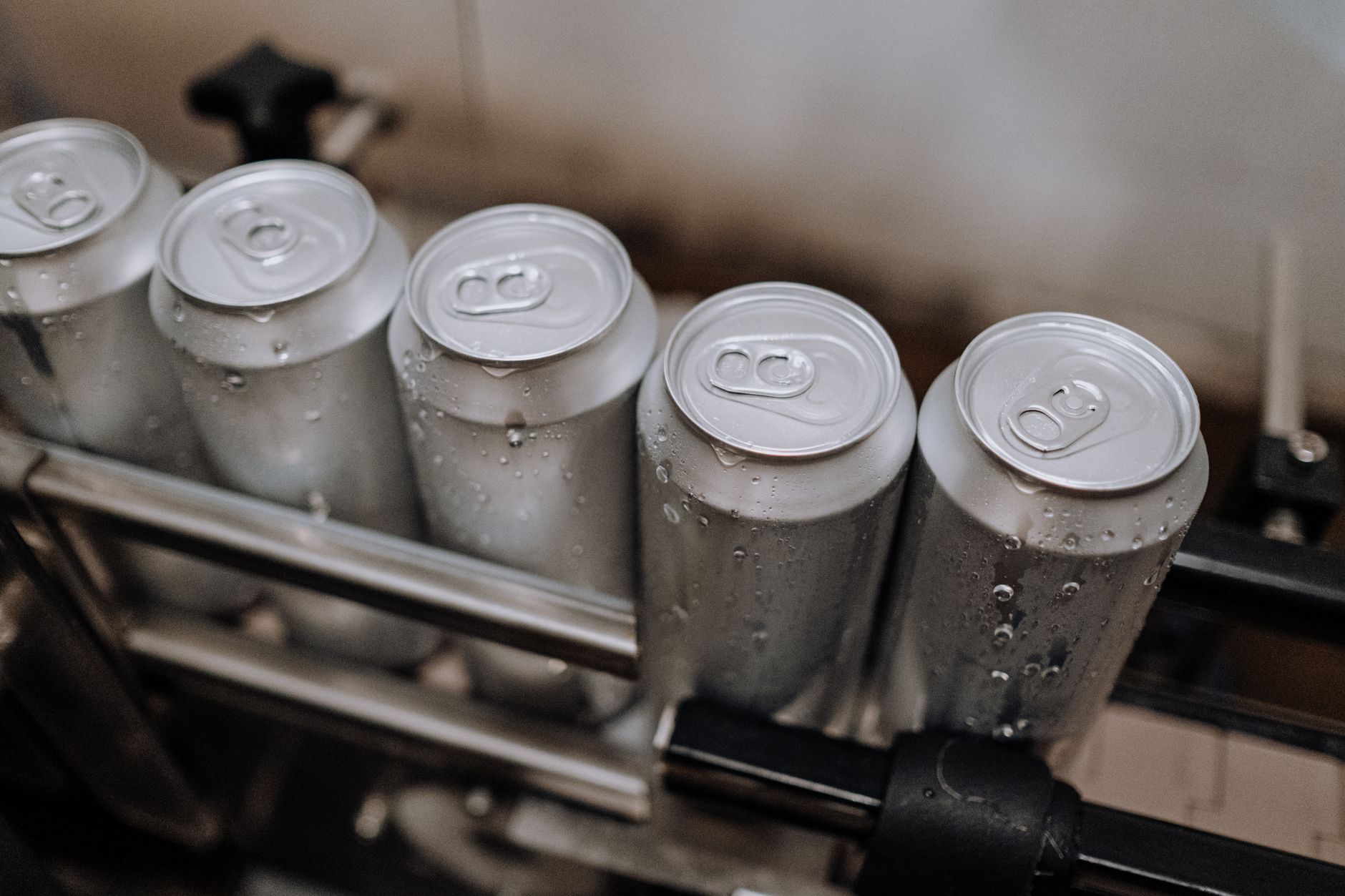
Carbonating a drink adds effervescence and enhances flavor, making beverages more enjoyable and refreshing. Whether you’re a soda enthusiast, a craft cocktail maker, or interested in health-conscious alternatives, learning how to carbonate your drinks can open up a world of creativity. This guide outlines various methods to achieve perfectly carbonated beverages at home, tips for customizing flavors, and troubleshooting advice for common issues.
In this comprehensive article, you will discover different carbonation techniques, the essential equipment needed, common mistakes to avoid, and practical tips to enhance your carbonating experience. Whether you’re carbonating water, juices, cocktails, or even homemade sodas, we’ve got you covered.
How To Carbonate A Drink?
Carbonating a drink involves introducing carbon dioxide gas into a liquid, creating fizz and bubbles. This can be accomplished using carbonation machines, ingredients like baking soda and vinegar, or traditional techniques. Each method can yield a different level of carbonation and unique flavors.
Types of Carbonation Methods
There are several methods to carbonate drinks, each with its advantages and particular use cases. Below are the most popular methods explained in detail.
Soda Maker Machines
Soda maker machines provide a convenient and efficient way to carbonate water or other liquids. They use a CO2 canister to infuse carbon dioxide into your selected beverage.
- Ease of Use: Simply fill the provided bottle with liquid, attach it to the machine, and press the carbonation button.
- Customizable Fizz: Most machines allow you to adjust the carbonation level based on your preference.
Carbonation Drops
Carbonation drops are sugar-based tablets designed to produce carbonation when dissolved in liquids. They are commonly used in home brewing.
- Simply add the appropriate number of drops to the beverage and allow it to sit for a specified time to develop fizz.
Natural Fermentation
Fermentation is a natural process that can carbonate beverages like kombucha, kefir, or homemade sodas. By introducing specific strains of yeast, you can create carbonation over time.
- Flavoring: You can add fruits, herbs, and spices to create unique flavors.
- Patience: This method can take a few days to several weeks, depending on the beverage.
Baking Soda and Vinegar Method
This method leverages the chemical reaction between baking soda and vinegar to create carbonation. The carbon dioxide produced can carbonate a drink, but this is more of a fun experiment than a reliable technique.
- Quick Reaction: When baking soda is mixed with vinegar, it produces gas immediately.
- Caution: The reaction can be vigorous, so it works best for small amounts in a controlled environment.
Essential Equipment for Carbonating Drinks
While some methods are straightforward, having the right equipment can enhance your carbonation efforts. Below are common tools you may need.
- Soda Maker Machine: For efficient and adjustable carbonation.
- Carbonation Bottles: Special bottles designed to withstand pressure.
- Ice Bath: Cooling your liquid before carbonating can help produce better bubbles.
- Common Kitchen Tools: Funnels, measuring spoons, and jars for mixing.
Step-by-Step Guide to Carbonate Water Using a Soda Maker
Using a soda maker machine is one of the simplest ways to carbonate a drink. Here’s how to do it step-by-step.
- Prepare Your Soda Maker: Ensure your soda maker is clean and has a full CO2 canister.
- Fill the Bottle: Fill the provided carbonation bottle with cold water to the designated fill line.
- Attach the Bottle: Securely attach the bottle to the soda maker’s nozzle.
- Carbonate: Press the carbonation button. You can hold it for a few seconds for light fizz or longer for a more intense level of carbonation.
- Detaching the Bottle: Once carbonated, carefully detach the bottle and avoid shaking it to preserve the carbonation.
- Flavoring (Optional): Add syrups or juices as desired, then serve immediately.
Flavoring Your Carbonated Drinks
Experimenting with flavors allows you to create delicious and unique carbonated beverages. Here are some popular ideas:
- Fruit Syrups: Use fresh fruit, juices, or syrup to add flavor. Popular options include lemon, lime, and raspberry.
- Herbal Infusions: Add basil, mint, or rosemary for a refreshing twist.
- Spices: Consider adding ginger or cinnamon for a warming flavor.
- Drink Mixes: Explore using drink mix powders for instant flavor enhancement.
Common Mistakes and Troubleshooting Tips
While carbonating drinks can be straightforward, mistakes can occur. Here are a few common pitfalls and how to avoid them.
- Under-Carbonation: If your drink isn’t fizzy enough, try increasing the carbonation time or ensure the CO2 canister is full.
- Over-Carbonation: If bubbles overflow, you may have carbonated too fiercely. Reduce carbonation time in the future.
- Flavor Imbalance: Balance your flavors to avoid clashing by tasting before serving.
- Storage Issues: Store any leftover carbonated drinks in tightly sealed bottles to maintain fizz. Consume them within a few days for the best flavor.
Storage of Carbonated Drinks
Proper storage of carbonated drinks can prolong their freshness and fizz. Follow these guidelines:
- Sealing: Ensure bottles are sealed tightly after carbonation.
- Temperature: Keep carbonated drinks in a cool place or refrigerate to slow down the loss of carbonation.
- Timing: Ideally, consume carbonated beverages within a week for optimal taste and fizz.
Variations on Carbonated Drinks
If you’re looking to expand your carbonated drink repertoire, consider these variations:
- Kombucha: A fermented tea beverage with natural carbonation.
- Homemade Sodas: Combine flavored syrups with carbonated water for a refreshing treat.
- Cocktails: Create fizzy cocktails by adding sparkling water or soda to spirits.
- Tonics: A naturally flavored tonic can give your cocktails an interesting twist.
Safety Considerations
Carbonating drinks is generally safe, but follow these essential tips for safe handling:
- Pressure Management: Do not overfill bottles or exceed the carbonation limit of your machine.
- Glass Bottles: Take care with glass bottles; they can break under pressure. Always use bottles designed for carbonation.
- Accidental Spillage: Carbonated drinks can overflow. Always carbonate in a sink or over a surface that is easy to clean.
Conclusion
Carbonating your own drinks at home unlocks an enjoyable and creative process that can elevate your beverage enjoyment. With several methods available, including soda makers or fermentation, you can experiment with flavors, creating custom drinks catered to your taste preferences. Always remember to maintain proper carbonation techniques, troubleshoot any issues that arise, and safely store your creations.
Ready to make your own delicious fizzy drinks? Try our guide on how to make a hard kombucha or explore the process of creating a fantastic tonic water recipe. Happy carbonating!