
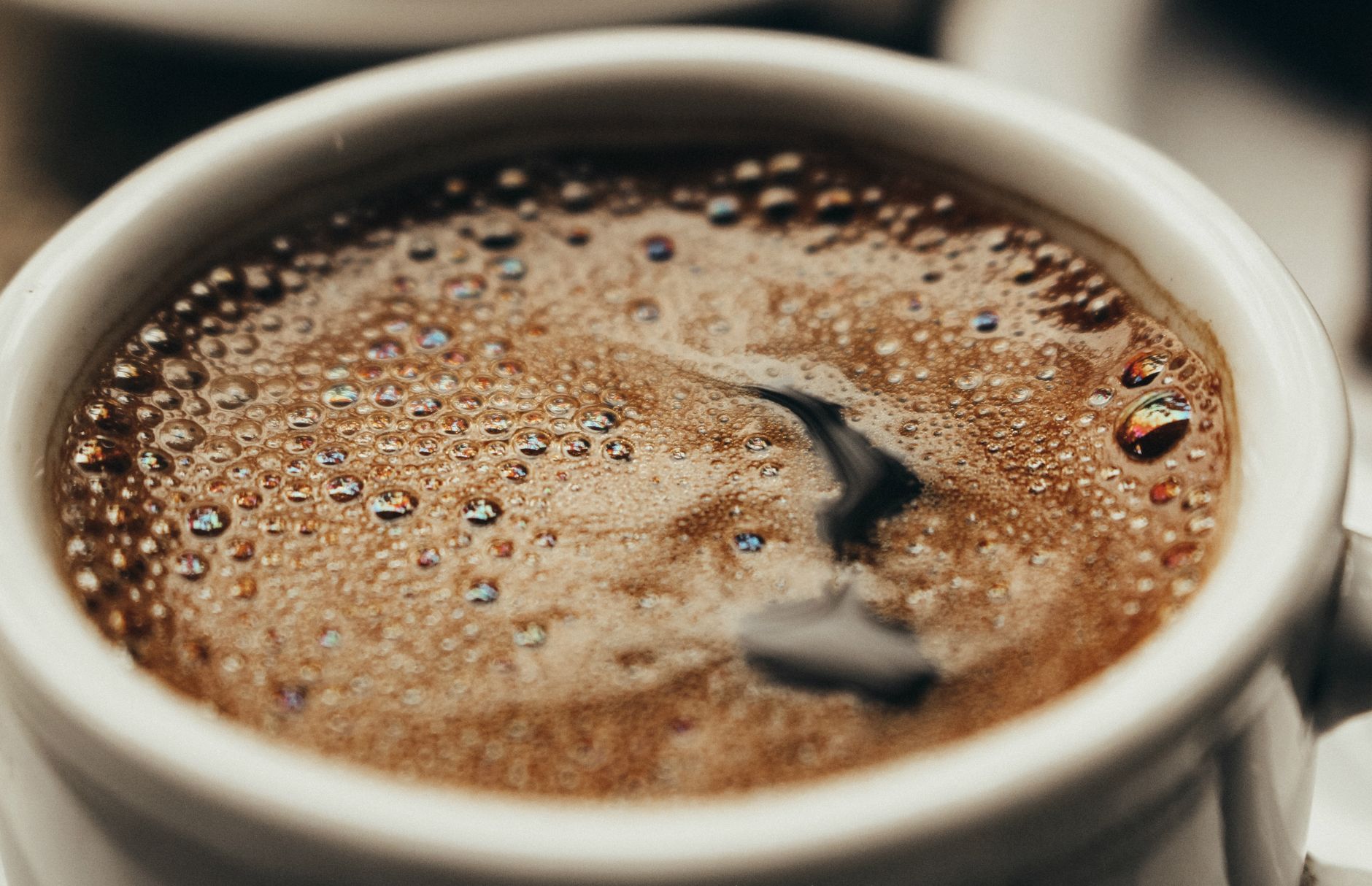
Coffee is one of the world’s favorite beverages, cherished for its rich flavor and energizing qualities. However, there’s an ongoing debate about whether coffee hydrates or dehydrates you. This question is crucial for coffee lovers and anyone monitoring their hydration levels. Here, we will explore the science behind coffee consumption, its effects on hydration, and practical considerations for incorporating coffee into your daily routine.
Understanding whether coffee hydrates or dehydrates involves examining its physiological effects, caffeine content, and individual responses. We will delve into these aspects, backed by current research and practical advice that you can apply in your daily life.
Does Coffee Hydrate Or Dehydrate You?
While coffee does contain caffeine, which is a mild diuretic, recent studies suggest that moderate coffee consumption does not lead to dehydration. In fact, coffee may contribute to your overall fluid intake, helping to maintain hydration levels when consumed as part of a balanced diet.
The Science Behind Hydration and Dehydration
To fully understand coffee’s impact on hydration, let’s first clarify what hydration and dehydration mean. Hydration refers to the process of providing your body with adequate water, essential for maintaining bodily functions. Dehydration occurs when the body loses more fluids than it takes in, potentially leading to a range of health issues.
Hydration in Numbers
The human body is composed of approximately 60% water, and staying properly hydrated is vital for various bodily functions, including:
- Regulating body temperature
- Cushioning joints
- Maintaining optimal organ function
- Transporting nutrients and oxygen
General recommendations suggest that adult women should aim for about 2.7 liters (91 ounces) of total water intake daily, and men should aim for about 3.7 liters (125 ounces). This total includes water from all beverages and foods.
What is Caffeine’s Role?
Caffeine is the most widely consumed psychoactive substance in the world, and it is found in coffee, tea, soft drinks, and energy drinks. It has a variety of effects on the body, including stimulating the central nervous system, increasing alertness, and even boosting metabolism.
Caffeine as a Diuretic
Caffeine has mild diuretic properties, meaning it can cause the body to produce more urine. This has led to concerns that consuming caffeinated beverages could lead to dehydration. However, the diuretic effect of caffeine varies among individuals, and the body can often adapt to regular caffeine consumption.
Recent Research on Coffee and Hydration
Several studies have investigated whether coffee consumption leads to dehydration. A notable study published in the journal “PLOS ONE” demonstrated that moderate coffee consumption does not result in dehydration. The participants of the study showed no significant differences in hydration markers when comparing coffee intake to water consumption.
Key Findings
- Coffee can contribute to daily fluid intake without causing increased dehydration risks.
- Regular coffee drinkers may develop a tolerance to caffeine’s diuretic effects.
- In moderate amounts, coffee has similar hydration effects to water.
Are All Coffees Created Equal?
It’s important to note that not all coffee drinks are the same. The hydration potential may vary based on the type of coffee consumed, its preparation method, and any additional ingredients. For example, adding milk, cream, or sweeteners can alter the hydration profile of your drink.
Types of Coffee and Hydration
Here are some common types of coffee beverages and their potential effects on hydration:
- Black Coffee: Contains no calories and is focus on hydration, ranking alongside water in thirst-quenching ability.
- Espresso: A concentrated form of coffee; while rich in flavor, its volume is smaller, making it less hydrating per ounce.
- Latte or Cappuccino: Contains milk, which contributes to hydration due to its water content.
- Sweetened Coffees: Drinks with added sugars and syrups may have additional calories, which do not affect hydration but may influence overall health.
How Much Coffee is Too Much?
Moderation is key when it comes to coffee consumption. While moderate coffee consumption is generally safe and can be hydrating, excessive caffeine intake can lead to negative health effects, including:
- Increased heart rate
- Sleep disturbances
- Anxiety and restlessness
Most health experts recommend limiting caffeine intake to about 400 milligrams per day, equivalent to approximately four 8-ounce cups of coffee. Individual tolerance to caffeine can vary, so it’s essential to observe how your body responds to your coffee consumption.
Practical Tips for Staying Hydrated with Coffee
For coffee lovers looking to maintain hydration levels while enjoying their favorite brews, here are some practical tips:
- Balance coffee consumption with water intake throughout the day.
- Consider consuming coffee in moderation—set a limit based on your caffeine tolerance.
- Opt for lighter roasted coffee varieties, which generally contain less caffeine than darker roasts.
- Add milk or nut milk for an extra hydrating benefit when preparing lattes or coffee drinks.
- Listen to your body—if you experience symptoms of dehydration, reduce your coffee intake.
Beyond Hydration: Health Benefits of Coffee
Besides its potential impact on hydration, coffee has been linked to several health benefits when consumed in moderation. These include:
- Improved cognitive function and memory retention.
- Potential protective effects against certain diseases, such as Parkinson’s and Alzheimer’s.
- Increased energy and enhanced physical performance.
While these potential benefits are encouraging, they should be weighed against possible health risks, particularly when coffee is consumed excessively or with added sugars and creams.
Alternative Hydrating Beverages
If you’re concerned about caffeine’s diuretic effects or simply want to explore other hydrating options, consider these alternatives:
- Herbal Teas: Naturally caffeine-free and available in a variety of flavors. Herbal teas can be enjoyed hot or cold.
- Coconut Water: A natural source of electrolytes, coconut water can provide hydration with added nutrients.
- Fruit-infused Water: Add fruits or herbs to water for a refreshing and naturally flavored drink.
Staying Hydrated Throughout the Day
Maintaining proper hydration is essential, especially if you consume coffee. Follow these general hydration tips for a balanced approach:
- Drink a glass of water with every cup of coffee.
- Carry a reusable water bottle to keep track of your fluid intake.
- Consume water-rich foods like fruits and vegetables to supplement hydration.
Possible Signs of Dehydration
Being aware of the signs of dehydration can help you take action promptly. Common symptoms include:
- Dry mouth and lips
- Dark yellow urine
- Fatigue and dizziness
If you notice any of these symptoms, it may be time to cut back on coffee and increase your water intake.
Conclusion
In summary, coffee does not dehydrate you when consumed in moderation. Instead, it can be part of a balanced hydration strategy, contributing positively to your daily fluid intake. Being mindful of your overall consumption and listening to your body’s signals is crucial for maintaining optimal hydration.
As you enjoy your coffee, consider the hydration options available to you. Whether you prefer a classic cup of black coffee or a creamy latte, staying hydrated is essential for your overall well-being. For additional coffee tips, explore our Amaretto Coffee Creamer Recipe or try out the flavors in our Brown Sugar Coffee Recipe.