
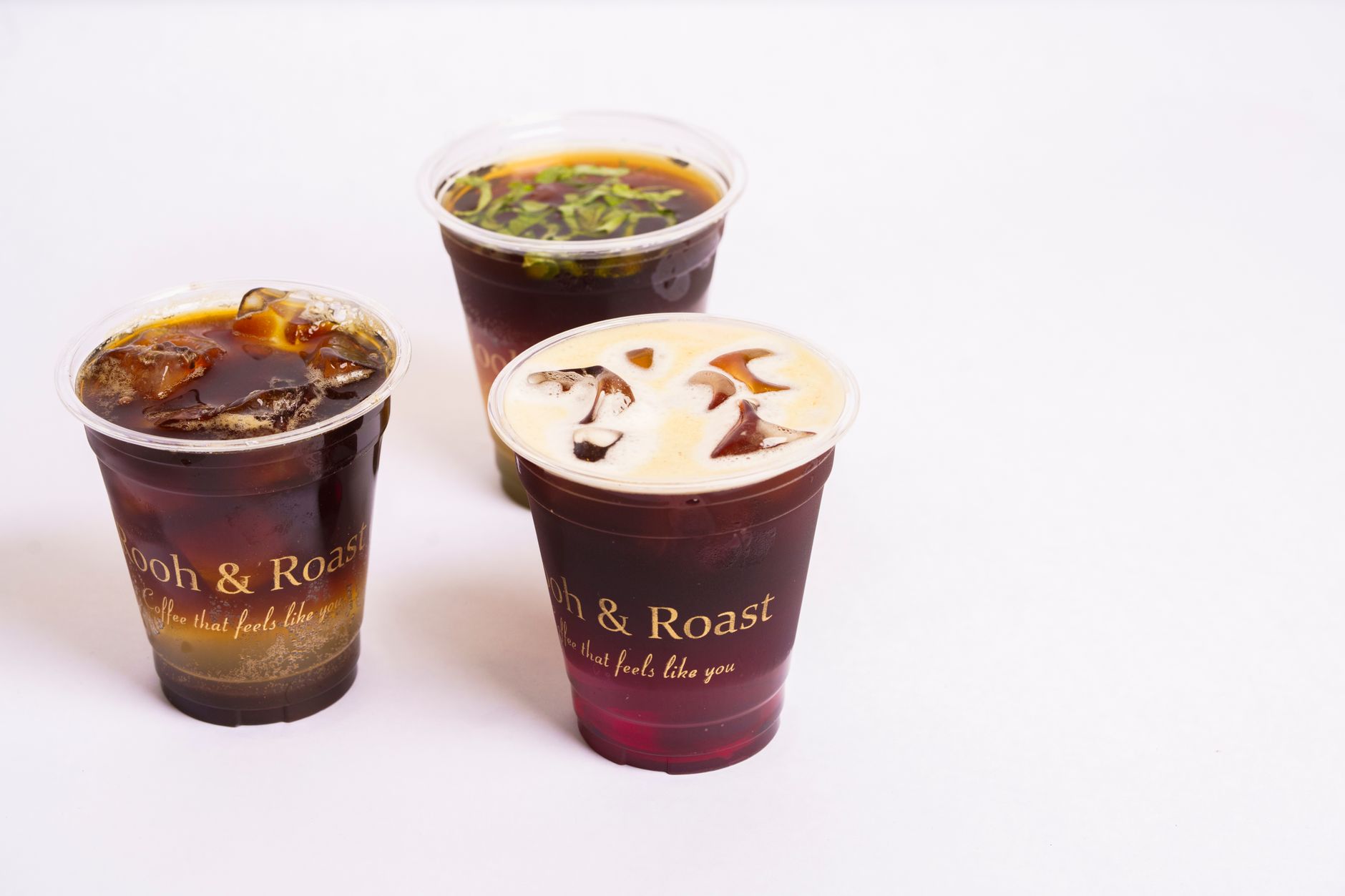
Cold brew coffee has surged in popularity over the past few years, captivating caffeine enthusiasts with its smooth flavor and unique characteristics. One of the most common questions surrounding this beloved beverage is why it contains more caffeine than traditional hot-brewed coffee. Understanding the science and techniques behind cold brew preparation can illuminate this fascinating aspect of coffee.
This article explores the reasons cold brew coffee packs a more potent caffeine punch, including its brewing method, coffee bean selection, and how preparation time and extraction methods play a crucial role. By delving into these factors, you’ll gain insights into both making cold brew and why it differs from other coffee types.
Why Does Cold Brew Have More Caffeine?
Cold brew coffee often has more caffeine than traditional coffee due to its brewing method. Cold brew involves steeping coarsely ground coffee beans in cold water for an extended period, which allows for greater caffeine extraction. This process can yield a coffee concentrate that many people find stronger than regular brewed coffee.
Understanding Coffee Brewing Methods
To appreciate why cold brew contains more caffeine, it’s essential to understand various coffee brewing methods. The most common methods include:
- Drip Coffee: Hot water flows over coffee grounds, quickly brewing the coffee.
- Espresso: Hot water is pushed through finely-ground coffee under pressure, resulting in a concentrated shot of coffee.
- French Press: Coarsely ground coffee is steeped in hot water and separated by pressing a plunger.
- Cold Brew: Coarsely ground coffee is steeped in cold water for an extended period, typically 12 to 24 hours.
The Science Behind Cold Brew Extraction
Cold brew coffee’s higher caffeine content fundamentally stems from its brewing technique. Here’s how the extraction process works:
Brewing Time
The most distinctive feature of cold brew coffee is its long steeping period. Cold brew typically requires anywhere from 12 to 24 hours to achieve optimal flavor and strength. During this time, caffeine slowly leaches from the coffee grounds into the water.
Temperature Impact
Whereas traditional hot brewing methods rely on heat to extract flavors and caffeine, cold brewing employs lower temperatures. This gradual extraction process can yield a different balance of compounds in the final brew, affecting flavor and caffeine concentration.
Ratio of Coffee to Water
Cold brew often uses a higher ratio of coffee to water than traditional methods. Many recipes suggest using a 1:4 or even a 1:2 ratio (coffee to water), creating a concentrated drink that can be diluted to taste. This strong concentrate contributes significantly to the beverage’s caffeine content.
Bean Type and Grind Size
The variety of coffee beans and the grind size also impact caffeine extraction. Cold brew typically uses coarsely ground beans, maximizing surface area without risking over-extraction, which can lead to bitterness. Darker roasts are often used for cold brew, enhancing flavor complexity, and they may also have varying levels of caffeine content.
Flavor and Texture Differences
Cold brew coffee is known for its smooth, mellow flavor and low acidity compared to traditional brewing methods. The cold steeping process extracts flavor compounds from the beans differently, contributing to a unique taste profile. Customers often describe cold brew as sweeter and less bitter, making it more palatable for some coffee drinkers.
Comparing Caffeine Content
To understand the caffeine difference, let’s compare caffeine content from cold brew and other popular coffee beverages. Note that actual caffeine content may vary depending on specific brewing methods and ingredient choices.
| Beverage | Caffeine Content (approx.) |
|---|---|
| 8 oz Drip Coffee | 95 mg |
| 1 oz Espresso | 63 mg |
| 8 oz Cold Brew Coffee | 200 mg |
As you can see, a typical cup of cold brew contains significantly more caffeine than both drip coffee and espresso. Depending on the brew method and coffee-to-water ratio you choose, cold brew can potentially deliver a caffeine kick easily double that of other methods.
How to Make Cold Brew Coffee
Now that you understand why cold brew is generally higher in caffeine, let’s explore how to make it at home. Here’s a simple step-by-step guide to creating cold brew coffee that emphasizes achieving a robust flavor without bitterness.
Ingredients
- 1 cup coarsely ground coffee (preferably a medium or dark roast)
- 4 cups cold or room temperature water
- Optional: milk, cream, sweetener, or flavored syrups for serving
Essential Equipment
- Large mixing jar or pitcher
- Fine mesh strainer or coffee filter
- Large bowl (for straining)
- Glass bottle or jar (for storage)
Step-by-Step Method
- In a large mixing jar or pitcher, combine the coarsely ground coffee and cold water. Stir well to ensure all coffee grounds are saturated.
- Cover the jar and let it steep at room temperature or in the refrigerator for 12-24 hours, depending on your taste preference.
- After steeping, place a fine mesh strainer or coffee filter over a large bowl to strain the coffee concentrate. Pour the steeped coffee through the strainer to separate the liquid from the grounds. You may need to strain it multiple times for clarity.
- Transfer the cold brew concentrate to a clean glass bottle or jar for storage. It can be stored in the refrigerator for up to two weeks.
- When serving, dilute the concentrate with water, milk, or a milk alternative to your taste. For a stronger cold brew experience, serve it straight, over ice, or blended.
Common Mistakes While Making Cold Brew
While making cold brew is relatively straightforward, several common pitfalls can arise. Here’s what to avoid:
- Using Finely Ground Coffee: Finely ground coffee can lead to over-extraction and bitterness. Always use a coarse grind.
- Not Steeping Long Enough: If you steep for less than 12 hours, your brew may lack depth and strength.
- Improper Coffee-to-Water Ratio: Too much water can dilute flavor, while too little can lead to an overly bitter beverage. Find the balance that suits your taste.
- Skipping the Straining Process: Not straining properly can result in a gritty cold brew. Take care to filter out all grounds.
Storage and Serving Suggestions
Cold brew coffee is versatile and can be enjoyed in various ways:
- Serve it straight over ice for a refreshing drink.
- Mix it with milk or cream for a creamier texture.
- Add flavorings such as vanilla syrup, chocolate, or spices for a unique twist.
- Use cold brew as a base for coffee cocktails or desserts.
For storage, keep your cold brew concentrate in a sealed container in the refrigerator. It’s best consumed within two weeks for optimal flavor and freshness. Dilute portions as needed to maintain your desired strength.
Health Considerations
While enjoying cold brew coffee, consider how caffeine affects your body, particularly if you consume it regularly or in large quantities. High caffeine intake can lead to symptoms like insomnia, jitters, or increased heart rate in some individuals, so moderation is essential.
Additionally, consider personal dietary preferences and restrictions when adding milk, cream, or sweeteners when serving your cold brew.
Variations and Substitutions
Cold brew coffee is an excellent platform for experimentation. Here are some creative variations to try:
- Flavor Infusions: Add spices like cinnamon or nutmeg, or even vanilla beans to your coffee grounds during steeping for a flavored experience.
- Cold Brew Tonic: Combine equal parts of cold brew and tonic water for a refreshing, slightly bitter drink.
- Whipped Coffee Cold Brew: Top your cold brew with whipped coffee made from instant coffee, sugar, and a dash of hot water for a fluffy layer on top.
Explore and discover combinations that suit your palate best. Each variation might alter the caffeine experience and overall flavor profile.
Final Thoughts
Understanding why cold brew coffee often contains more caffeine than traditional brewing methods shines a light on the fascinating intricacies of coffee extraction. From brewing time to ingredient selection, numerous factors contribute to the final beverage’s potency and flavor.
Making cold brew at home allows for customization and creativity while reaping the benefits of its rich flavor and caffeine content. Whether served straight, in a cocktail, or as part of a dessert, cold brew offers a refreshing way to enjoy your coffee. Consider trying your hand at cold brewing today for your next coffee adventure.
If you’re interested in more coffee recipes or cold brew variations, be sure to check out our cold brew coffee concentrate recipe at Cold Brew Coffee Concentrate Recipe and our iced coffee concentrate recipe at Iced Coffee Concentrate Recipe.