
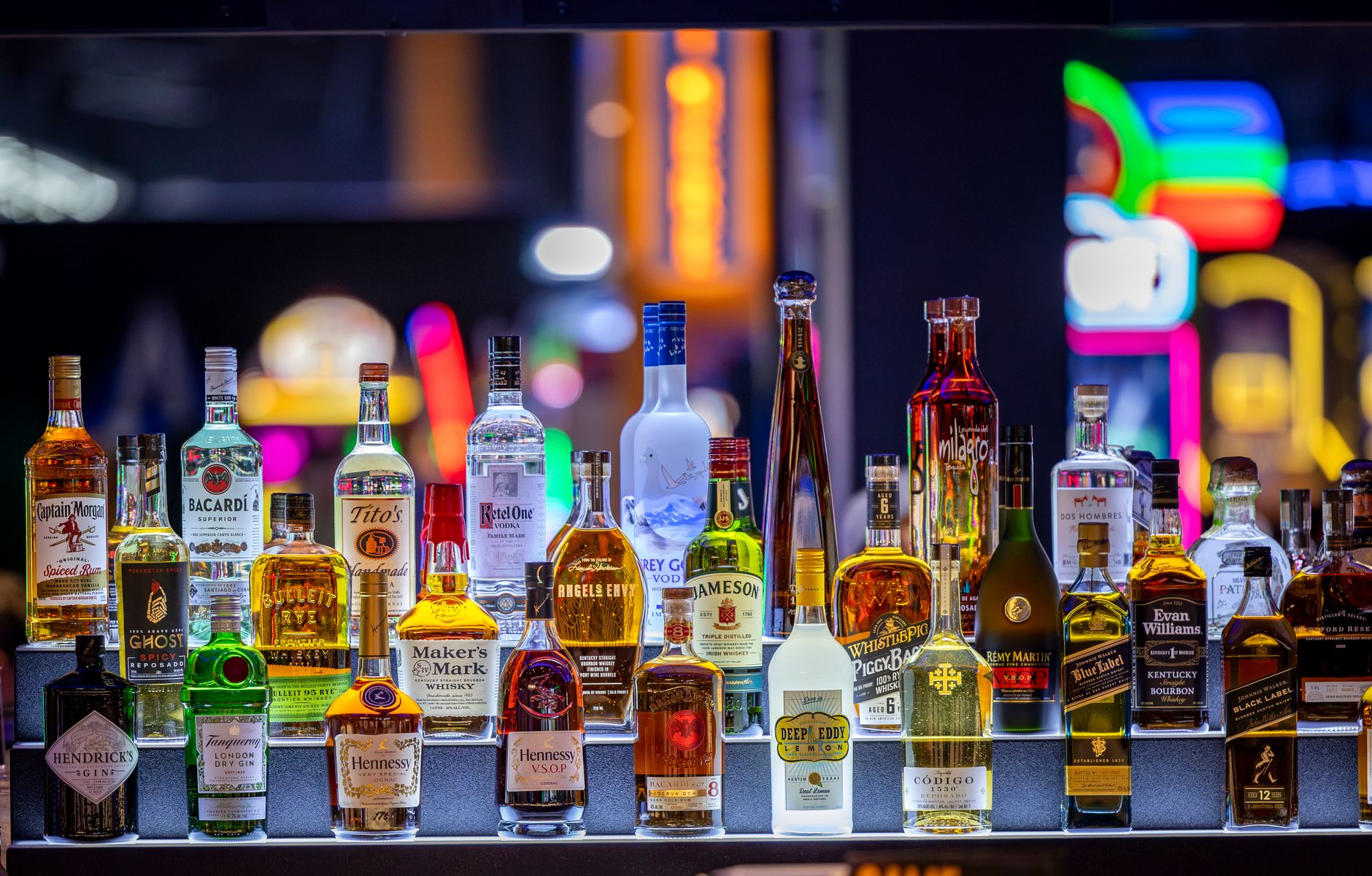
Alcohol, for many, often possesses an acquired taste that can be off-putting at first. Yet, millions partake in its consumption for various reasons beyond enjoyment of flavor. From social interactions to cultural rituals, the motivations behind drinking alcohol are complex and multifaceted.
This article explores the reasons people choose to drink alcohol, even when they may not enjoy its taste, diving into social, psychological, and cultural factors that influence consumption patterns.
Why Do People Drink Alcohol If It Tastes Bad?
Many people drink alcohol despite its taste due to a blend of social pressure, psychological effects, and cultural significance. Additionally, individuals often pair alcohol with food or mixers that can enhance the overall experience, making it more palatable.
The Social Aspect of Drinking Alcohol
One of the most compelling reasons people drink alcohol is the social context in which drinking occurs. Social gatherings, celebrations, and shared experiences often prompt individuals to partake in drinking, even if they do not particularly enjoy the taste of the beverage.
Social Pressure and Community Bonding
Among friends, family, or colleagues, alcohol drinking can serve as a bonding experience. When individuals feel social pressure to join in, they may opt for a drink even if they find it less than enjoyable.
- Peer Influence: Many individuals often feel compelled to drink when out with friends. This collective atmosphere can push someone to sip on a drink to feel included.
- Cultural Norms: In numerous cultures, drinking is integral to celebrating milestones, holidays, and rites of passage. This signifies shared joy and often leads individuals to drink despite their personal tastes.
The Role of Celebration
Alcohol is a staple in many celebrations. From weddings to graduations, these events commonly call for a clink of glasses, whether or not attendees enjoy the taste of the drink.
- Toast Traditions: Many cultures have traditions involving toasts that encourage drinking as a way to honor significant moments.
- Gift Spirits: In many cultures, offering a bottle of wine or spirit is a standard practice during celebrations or as a token of appreciation.
The Psychological Factors at Play
Beyond social considerations, psychological influences play a critical role in the consumption of alcohol. This implicates how the brain processes emotions and behavior in relation to drinking.
The Effects of Alcohol on the Brain
Alcohol has well-documented psychoactive effects that influence its consumption, often leading individuals to drink in pursuit of these sensations.
- Relaxation: Many individuals drink alcohol to unwind after a stressful day, as it can produce feelings of relaxation and calmness.
- Confidence Boost: Alcohol can serve as a social lubricant, granting individuals more confidence in social situations, often motivating them to drink despite any unpleasant taste.
Addiction and Habitual Drinking
Some may develop a preference for alcohol due to habitual behavior or even addiction. This does not necessarily correspond with an enjoyment of taste but rather a dependence formed over time.
- Conditioned Responses: Repeated exposure can create a conditioned response where the brain starts associating drinking with pleasure or relief.
- Withdrawal Symptoms: For individuals with drinking problems, withdrawal symptoms can deter them from stopping the consumption of alcohol, even when they no longer enjoy it.
The Cultural Context of Alcohol Consumption
Cultural significance cannot be overlooked when discussing alcohol consumption. Different traditions and rituals can shape perspectives on drinking, fostering a connection to the beverage that transcends taste alone.
Religious and Ritualistic Practices
Many societies incorporate alcohol into religious ceremonies and rituals. This association can instill a sense of reverence that overshadows the beverage’s taste.
- Wine in Religious Ceremonies: For example, in Christianity, wine is symbolic of Jesus’ blood during communion, leading many to consume it out of reverence rather than enjoyment.
- Ritualistic Toasts: In various cultures, specific toasts and rituals involve alcohol, prompting consumption regardless of the individual’s taste preference.
Alcohol as Cultural Identity
In many regions, specific alcoholic beverages are tied to cultural identity. This historical connection can encourage individuals to drink even if they initially find the taste unpleasant.
- Traditional Brews: Local beers or wines can serve as symbols of national pride or heritage, encouraging individuals to participate in cultural practices through consumption.
- Culinary Pairing: Alcohol can complement regional cuisines, where certain dishes are traditionally served with specific beverages that, while not favored on their own, enhance the overall dining experience.
Enhancing the Drinking Experience
Another reason people indulge in alcohol, despite its taste, is the ability to enhance the experience through food pairings, mixers, or specialized cocktails. Below are several ways to elevate the overall pleasure of drinking alcohol.
Pairing Alcohol with Food
Pairing specific foods with certain alcoholic beverages can radically alter the tasting experience, often enhancing flavors and masking undesirable aspects of the drink.
- Complement and Contrast: Certain flavors in foods can complement or contrast the flavors in alcohol, making the total dining experience more enjoyable. For instance, a robust red wine may taste better when paired with a dish like steak.
- Marinades and Cooking: Cooking with alcohol in marinades or sauces can soften its harsh flavors, allowing the dish to absorb the drink’s essence. Many people only experience a wine’s flavor from a dish, rather than sipping it straight.
Using Mixers and Cocktails
Mixing alcohol with other ingredients can improve flavor profiles, making it easier for individuals to consume drinks they would otherwise avoid.
- Cocktail Recipes: Popular cocktails dilute the taste of alcohol with sweeter beverages, fruit juices, or flavored syrups. For instance, a mojito blends rum, mint, and lime with soda water, significantly altering the drink’s flavor.
- Experimenting with Craft Cocktails: Craft cocktails are on the rise, with bartenders skillfully mixing unique flavors, encouraging people to explore new tastes while masking the bitterness of alcohol.
Understanding Taste and Acquired Preferences
Often, the taste of alcohol might repel newcomers, yet many develop an appreciation for it over time. Understanding how acquired preferences work can shed light on why people continue to drink despite initial distaste.
Acquisition Through Repeated Exposure
Just like many foods, continued exposure to the taste of alcohol can result in an acquired preference.
- Repeated Consumption: Over time, a person may grow accustomed to the taste of a particular drink, leading to a shift from dislike to enjoyment.
- Associative Learning: If one has positive experiences associated with drinking, such as social interactions or celebrations, they may learn to enjoy the taste as a part of those experiences.
Flavor Development and Preferences
Recognizing how flavor development works can also help to explain the paradox of drinking undesirable-tasting beverages. As taste buds adapt, individuals may find enjoyment in flavors they previously shunned.
- Change in Perception: With exposure, the brain may alter its perception of flavors, shifting from aversion to acceptance.
- Exploring Diverse Varieties: The variety of alcoholic beverages on the market allows consumers to explore different flavors and find what best suits their palettes over time.
Common Misconceptions About Alcohol
A range of myths surrounding alcohol consumption can contribute to its lasting appeal despite unfavorable tastes. Understanding these misconceptions can also help clarify why people choose to drink.
Alcohol as a Source of Enjoyment
Some believe that alcohol leads to instant euphoria; however, this is often a misleading notion.
- The Party Myth: The belief that alcohol is necessary for fun can pressure individuals to drink, fueling continued consumption despite any negative flavors.
- Liquid Courage: The pervasive idea that alcohol grants courage may lure individuals into consuming drinks even if they dislike the taste, using it as an excuse to socialize.
Health Considerations
Alcohol has long been associated with various health benefits. However, it is crucial to consider both the positives and negatives, particularly when it comes to flavor appreciation.
- Moderation is Key: While moderate alcohol consumption may offer some health benefits, excessive intake can lead to adverse effects that often outweigh any potential positives.
- Natural Flavor Complexity: Some wines and spirits develop complex flavors with age or through particular production measures, reasoning that intrigues many to drink despite initial dislike.
Conclusion
People continue to drink alcohol despite its unappealing taste due to a blend of social influences, psychological effects, and cultural implications. The enjoyment of alcohol often evolves through experiences, pairings, and personal growth.
Next time you reach for a drink, consider the multitude of factors at play—your flavor palate may just surprise you!
For further exploration on recipes and techniques, check out our Dirty Martini Recipe and Alcoholic Butterbeer Recipe for unique ways to enjoy your beverages.