
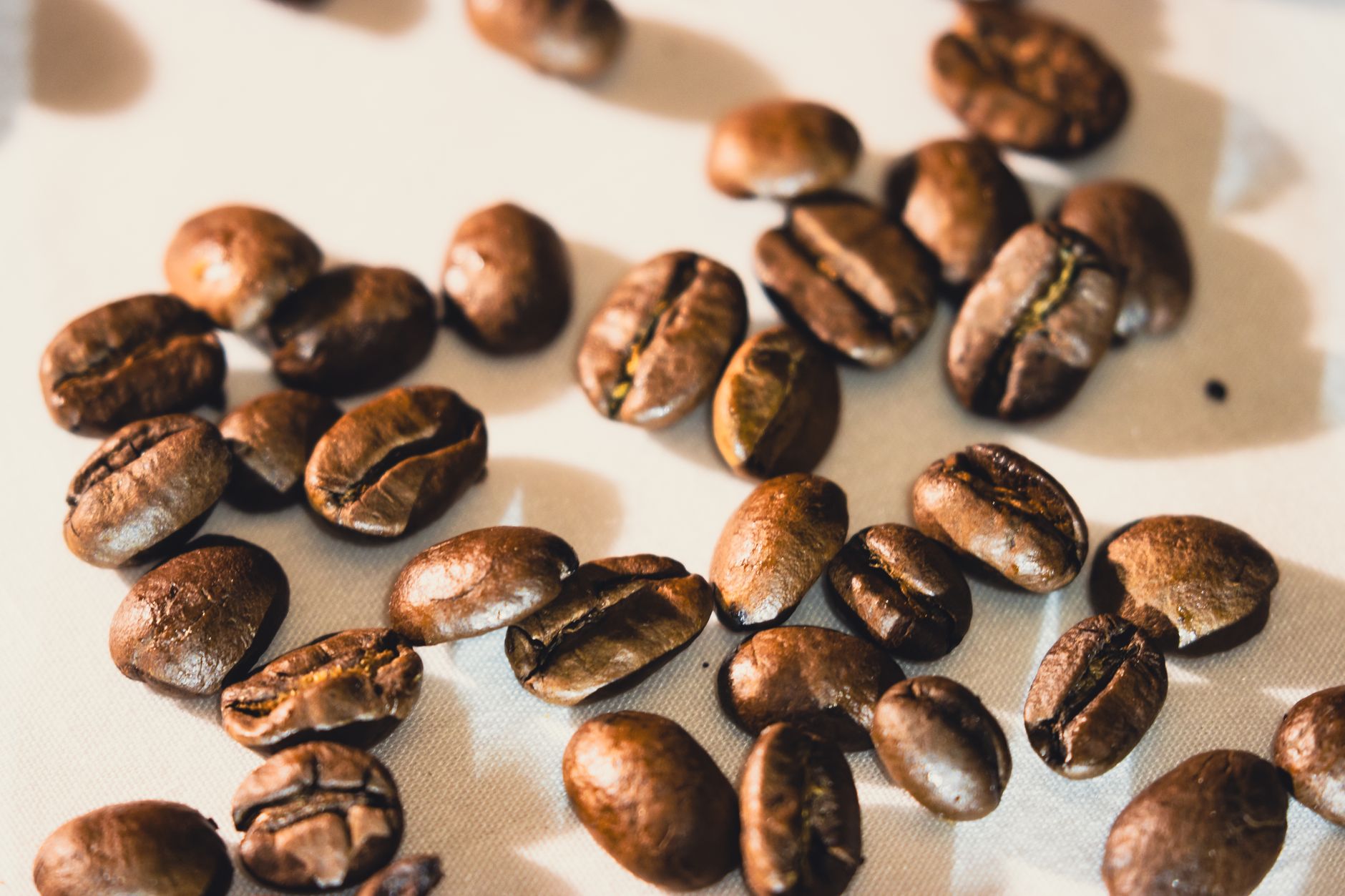
Coffee is more than just a caffeine fix; it’s a global phenomenon that embodies culture, tradition, and meticulous craftsmanship. With numerous countries producing their own unique coffee beans, the debate over which country has the best coffee is lively and subjective. This article explores a variety of coffee-producing nations while examining their distinct coffee profiles.
From the lush mountains of Colombia to the unique flavors of Ethiopian beans, understanding the nuances of coffee from different countries can enhance your coffee-drinking experience. Let’s explore what makes each country’s coffee special and why you might prefer one over another.
Which Country Has The Best Coffee?
Determining which country has the best coffee often comes down to personal preference. Countries like Ethiopia, Colombia, Brazil, and Costa Rica are frequently cited for their high-quality beans, each offering distinct flavors, aromas, and preparations. This answer varies widely among coffee enthusiasts depending on taste, roast levels, and brewing methods.
The Richness of Ethiopian Coffee
Ethiopia is often referred to as the birthplace of coffee. The country’s coffee culture is revered for its emphasis on tradition and ceremonial brewing methods.
Flavor Profile
Ethiopian coffee is known for its diverse flavor profiles, including floral notes, fruity overtones, and a wine-like acidity. Common beans such as Sidamo and Yirgacheffe are sought after for their unique characteristics.
Brewing Tips
- Use a pour-over or French press to enhance the intricate flavors.
- Water temperature should be between 195°F to 205°F (90°C to 96°C).
- Allow a bloom phase of 30 seconds when pouring water to maximize extraction.
Common Mistakes
Avoid over-extraction by ensuring the grind size matches your brewing method. For pour-over, a medium-fine grind works best, while French press requires a coarse grind.
Colombia: A Coffee Giant
Colombia is known for producing some of the finest Arabica beans worldwide, characterized by their smooth, mild flavor and balanced acidity.
Flavor Profile
The coffee from Colombia is often described as having a rich caramel sweetness, medium body, and hints of nuttiness. Popular regions include Antioquia and Huila, each contributing unique flavors influenced by altitude and climate.
Brewing Tips
- Use an AeroPress or drip coffee maker to accentuate the smoothness.
- Optimal brewing temperature is around 200°F (93°C).
Common Mistakes
Ensure you’re using freshly ground beans to minimize flavor loss. Pre-ground coffee can lead to a dull taste.
Brazil: The World’s Largest Producer
As the largest coffee producer globally, Brazil offers a range of flavors but is particularly known for its chocolatey, nutty profiles.
Flavor Profile
Brazilian coffee can be earthy with a low acidity level, often featuring dark chocolate, nuts, and a heavy body. Varieties such as Minas Gerais and São Paulo are particularly popular.
Brewing Tips
- French press and espresso methods bring out the decadent chocolate notes.
- Maintain water temperatures around 200°F (93°C).
Common Mistakes
Over-roasting can overshadow the natural sweetness of Brazilian beans. Aim for a medium roast to maintain its desired flavors.
Costa Rica: The Flavorful Heart of Central America
Costa Rica is recognized for its commitment to high-quality coffee, primarily Arabica beans, often grown in volcanic soil.
Flavor Profile
Costa Rican coffee is bright and full-bodied, often with fruity or citrusy notes. The Tarrazú region is especially famous for its vibrant flavors.
Brewing Tips
- Pour-over methods enhance the acidity and fruitiness.
- Use water temperatures around 195°F (90°C) to 205°F (96°C).
Common Mistakes
Using too much coffee can result in bitterness; stick to the guideline of one to two tablespoons per 6 ounces of water.
Honduras: The Up-and-Coming Coffee Nation
Although not as well-known as others, Honduras is making a name for itself with its high-quality coffee produced in mountainous regions.
Flavor Profile
Honduran coffee often features bright acidity with chocolate and caramel notes. The regions of Copán and La Paz are especially notable.
Brewing Tips
- Percolators or drip coffee makers are excellent choices for brewing Honduran coffees.
- Maintain water temperature at approximately 200°F (93°C).
Common Mistakes
Letting the coffee steep for too long can lead to over-extraction. Brew to taste, typically around 4-5 minutes for percolators.
Factors Influencing Coffee Quality
Many factors contribute to the overall quality and flavor of coffee, allowing for diverse expressions even within the same country. Key aspects include:
Growing Conditions
Altitude, climate, and soil quality all play a critical role. Higher altitudes generally produce beans with bright acidity and complex flavors.
Processing Methods
Coffee beans can be processed via several methods—washed, natural, or honey process—which significantly affects flavor. For example, natural methods generally yield fruitier flavors.
Roasting and Brewing Techniques
The way coffee is roasted and brewed alters the final taste. Lighter roasts preserve the bean’s natural flavors, while darker roasts emphasize caramelization.
Myths and Misconceptions
As we navigate the coffee world, it’s essential to clarify common myths surrounding coffee quality.
All Coffee is Created Equal
This is far from true. Varieties, sourcing methods, and preparation methods all impact flavor profiles significantly.
Dark Roast is Stronger
Many assume that dark roast coffee has more caffeine; however, lighter roasts typically retain more caffeine due to less expansion during roasting.
Finding Your Favorite
When exploring different coffee countries, consider the following methods to help identify your preferred coffee:
Tasting Sessions
Organize coffee tasting sessions with different beans from various countries. Note the flavors and aromas that resonate with your palate.
Experiment with Brewing Methods
Alter your brewing methods and water temperature to see how they impact each coffee’s flavor and body.
Keep a Coffee Journal
Document your coffee experiences, noting down flavors you enjoy and prefer. This can help guide future purchases.
The Role of Certifications
Understanding coffee certification can help in selecting quality coffee. Certifications such as Fair Trade, Rainforest Alliance, and Organic often indicate more sustainable and ethically sourced products.
Fair Trade
This ensures that coffee farmers receive fair compensation and that ethical production practices are maintained.
Organic
Organic certification indicates that the coffee has been grown without synthetic fertilizers or pesticides, enhancing both farm sustainability and health benefits.
Conclusion
The quest for the best coffee varies depending on individual taste and preference. As you explore coffees from countries like Ethiopia, Colombia, Brazil, and Costa Rica, pay attention to the flavor notes and processing methods that appeal to you. Each cup holds the essences of its origin, waiting to be discovered.
For those looking to incorporate a refreshing coffee drink into their routine, check out this iced coffee concentrate recipe or indulge in a festive peppermint mocha coffee recipe. Happy brewing!