
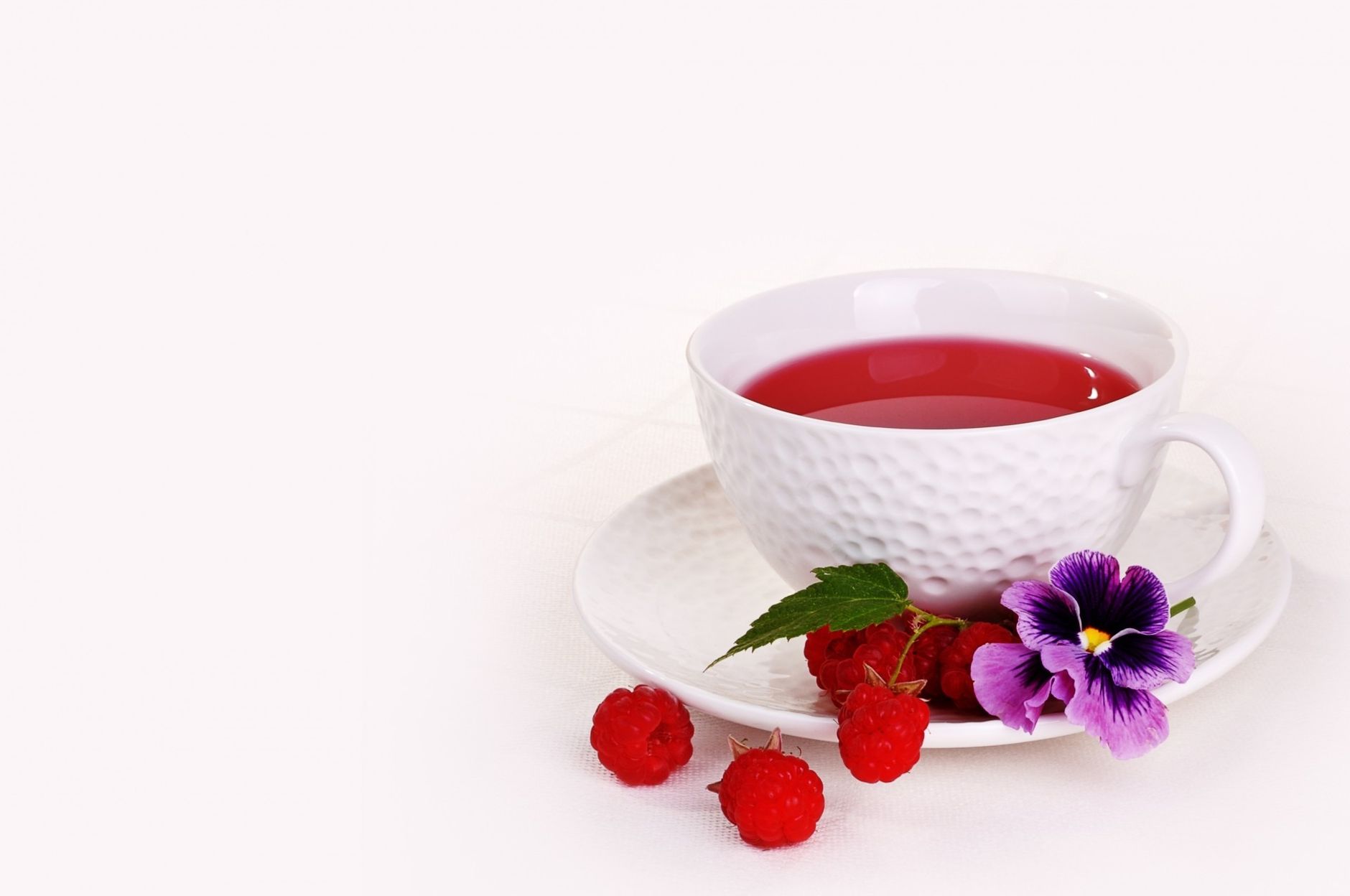
Many expectant mothers may wonder if it’s safe to enjoy raspberry tea during pregnancy. This article will provide helpful insights on the safety, benefits, and best practices for consuming raspberry tea while pregnant. Understanding the potential effects of this herbal tea can aid in making informed choices.
Raspberry tea, made from the leaves of the red raspberry plant, is popular among expectant mothers for its purported benefits. However, it’s essential to distinguish between raspberry-flavored teas, made from actual raspberries, and those made from the leaves of the plant. Let’s dive into the details.
Can I Drink Raspberry Tea While Pregnant?
Yes, many experts consider drinking raspberry leaf tea safe in moderation during pregnancy, particularly in the later trimesters. This herbal tea is believed to help tone the uterine muscles and prepare for labor. However, it’s crucial to consult with your healthcare provider before adding any herbal tea to your diet during pregnancy.
Understanding Raspberry Tea
Raspberry tea can refer to two different types: herbal tea made from raspberry leaves and fruit tea made from dried raspberries or raspberry extracts. It’s essential to note the differences between them:
- Raspberry Leaf Tea: Made from the leaves of the red raspberry plant and often used to help with labor preparation and menstrual health.
- Raspberry Fruit Tea: Made from dried raspberries or raspberry flavoring, typically caffeine-free and known for its fruity flavor.
Potential Benefits of Raspberry Leaf Tea During Pregnancy
This herbal tea may offer several benefits for pregnant women, particularly in the later stages of pregnancy. Here are some potential advantages:
1. Uterine Tone
Raspberry leaf tea may promote uterine muscle tone, which can assist in preparing your body for labor. Some anecdotal evidence suggests that it may lead to shorter labor times.
2. Rich in Nutrients
The tea is a good source of essential vitamins and minerals, including:
- Vitamin C
- Calcium
- Magnesium
- Iron
These nutrients can be particularly beneficial for pregnant women.
3. Alleviation of Pregnancy Discomforts
Many women find that raspberry leaf tea helps alleviate common pregnancy discomforts such as nausea and digestive issues. It has also been suggested that it may help reduce cramping.
Safety Considerations for Raspberry Leaf Tea During Pregnancy
While raspberry leaf tea may provide benefits, it’s essential to approach consumption carefully, especially during pregnancy.
When to Start Drinking Raspberry Leaf Tea
Healthcare providers often recommend that pregnant women start drinking raspberry leaf tea during the second trimester, typically around 24 weeks. Starting earlier may lead to uterine contractions, which is why consulting your healthcare provider is crucial.
Possible Risks
Despite its benefits, raspberry leaf tea may not be safe for everyone. Here are some considerations to be aware of:
- Overconsumption: Drinking excessive amounts of raspberry leaf tea may lead to premature contractions. Moderation is key.
- Previous Pregnancy Complications: If you have had a prior pregnancy complication, such as preterm labor or miscarriage, consult with your healthcare provider first.
- Other Conditions: Women with certain conditions, like gestational diabetes, may want to avoid raspberry leaf tea.
How to Make Raspberry Leaf Tea
Making raspberry leaf tea is simple and straightforward. Here’s how to prepare a cup of raspberry leaf tea at home:
Ingredients
- 1 to 2 teaspoons of dried raspberry leaves
- 1 cup of boiling water
Step-by-Step Instructions
- Start by boiling the water in a kettle or pot.
- Place the dried raspberry leaves in a tea infuser or directly in a cup.
- Pour the boiling water over the leaves and let it steep for 5 to 10 minutes.
- Once steeped, strain the leaves, add sweetener if desired, and enjoy your tea!
Flavor Variations
If you find the taste of raspberry leaf tea a bit too earthy for your liking, consider the following variations:
1. Add Honey or Agave Syrup
A touch of honey or agave syrup can add sweetness and balance the tea’s earthy flavors.
2. Combine with Other Herbal Teas
Mixing raspberry leaf tea with other herbal teas such as peppermint or chamomile can create a delightful and unique flavor profile.
3. Fresh Lemon Juice
Adding a squeeze of fresh lemon juice provides a refreshing citrus note that can enhance the overall taste.
Common Mistakes When Brewing Raspberry Leaf Tea
Here are some common mistakes and tips to ensure the best raspberry leaf tea experience:
- Using Too Hot Water: If the water is boiling too fiercely, it can make the tea taste bitter. Let it cool slightly before pouring.
- Steeping Too Long: Allowing the tea to steep for too long can also lead to bitterness. Stick to the recommended steeping times.
- Using Old Leaves: Ensure your dried raspberry leaves are fresh for the best flavor and benefits. Store them in an airtight container away from light.
Storage Tips for Raspberry Leaf Tea
Proper storage of dried raspberry leaves is important to maintain their flavor and potency. Here are some tips:
- Store in an airtight container to prevent moisture entry.
- Keep away from direct sunlight and in a cool place.
- Label containers with the purchase date; dried leaves typically last for about a year.
Consulting Your Healthcare Provider
While raspberry leaf tea boasts several advantages, it is vital to engage with your healthcare provider before incorporating it into your healthcare regimen. This ensures that it aligns with your specific health needs and pregnancy status.
Alternatives to Raspberry Leaf Tea
If you’re looking for alternatives or wish to explore other herbal teas during pregnancy, consider the following options:
- Ginger Tea: Great for easing nausea and has anti-inflammatory properties.
- Chamomile Tea: Offers calming effects but should be consumed in moderation.
- Peppermint Tea: Known for relieving digestive issues and providing a refreshing taste.
Conclusion
Raspberry leaf tea can be a beneficial addition to your pregnancy wellness routine when consumed responsibly and in moderation after consulting with your healthcare provider. Remember to listen to your body, and enjoy the process of preparing and sipping on this delightful herbal infusion.
For a refreshing alternative, visit our guide on making raspberry juice or explore our recipe for calendula tea, which may also offer health benefits during your pregnancy journey.