
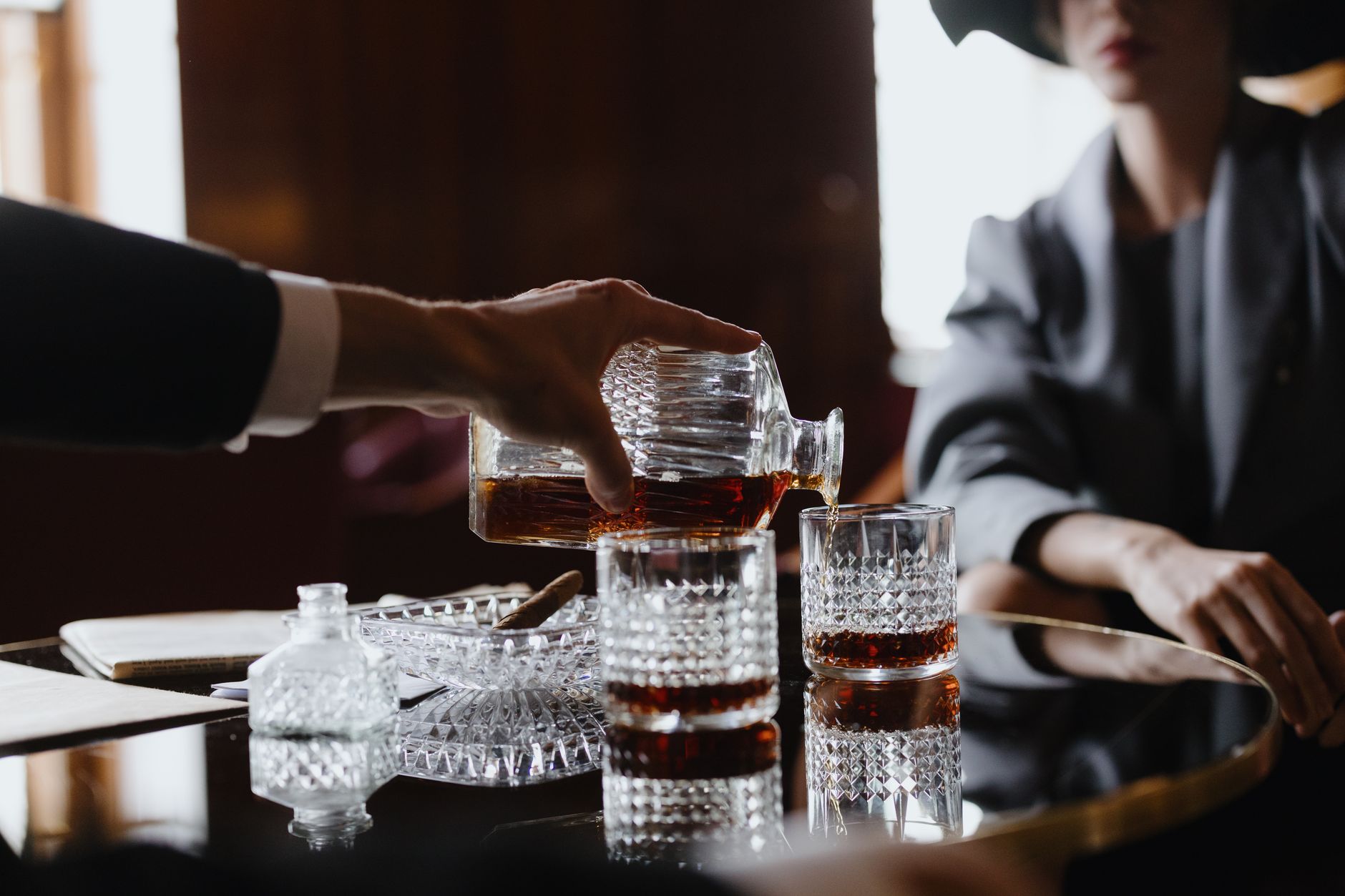
Cognac is a distinguished type of brandy that hails from the Cognac region of France. Known for its refined flavors and aromatic complexity, this spirit undergoes a meticulous production process, showcasing the artistry of distillers and the unique terroir of its origin. In this guide, we will explore the geographic, historical, and cultural dimensions of Cognac, alongside its production methods and tips for enjoying it.
Understanding where Cognac comes from is key to appreciating its distinct characteristics. From the grapes used to its aging processes, every aspect plays a role in crafting this celebrated beverage. Whether you are new to Cognac or looking to deepen your knowledge, this guide serves as a comprehensive resource.
Where Is Cognac From?
Cognac is produced in the region of Cognac, located in the southwestern part of France. This area is defined by specific geographical boundaries, soil types, and climate conditions that contribute to the quality of the grapes grown there. Cognac production is regulated under strict French laws, ensuring that only brandy made in this region can be labeled as Cognac.
The Terroir of Cognac
The term “terroir” refers to the environmental factors that affect a crop’s phenotype, including soil, climate, and geography. Cognac’s terroir plays a fundamental role in the flavors and aromas present in the final product.
Soil Types
The Cognac region is primarily characterized by its chalky soils, particularly in the areas classified under the crus, which are designated areas of production. These soils allow for excellent drainage and retain moisture, promoting the health and flavor of the grapes.
Climate
The climate in Cognac is humid and temperate, providing ideal conditions for growing grapes. The Atlantic Ocean influences the weather, resulting in mild winters and warm summers. These conditions help to achieve an optimal balance of acidity and ripeness in grapes, which is vital for producing high-quality Cognac.
Grapes Used in Cognac Production
Cognac is predominantly made from three grape varieties:
- Ugni Blanc: This is the primary grape used, accounting for about 90% of production. It’s known for its high acidity and low sugar content, making it ideal for distillation.
- Folle Blanche: Once more prevalent, this grape is now less common due to its sensitivity to disease. However, it is cherished for its aromatic qualities.
- Colombard: This variety contributes floral aromas and some fruitiness to the Cognac.
The Production Process of Cognac
The process of creating Cognac involves several meticulous steps, each contributing to the spirit’s complexity and character.
Harvesting
Grapes for Cognac are typically harvested in late September to early October. The timing of the harvest is crucial, as grapes must be picked at their peak ripeness to ensure the right balance of sugars and acidity.
Fermentation
Once harvested, the grapes are pressed and the juice is fermented. During fermentation, natural yeasts convert the sugars in the grape juice into alcohol, resulting in a low-alcohol wine that will be distilled to create Cognac.
Distillation
The wine undergoes double distillation in pot stills, a traditional method that enhances the flavors. The first distillation, known as the “première chauffe,” separates the alcohol from the solids, producing a liquid called “brouillis.” The second distillation, or “bonne chauffe,” refines the spirits further, capturing the heart, which will be aged into Cognac.
Aging
After distillation, the new spirit is filled into oak barrels for aging. Cognac must be aged for a minimum of two years, but many producers opt for much longer aging periods. The aging process in oak barrels imparts flavors from the wood, including vanilla, caramel, and spices, while also mellowing the spirit.
Blending
Many Cognacs are blended from various batches to create a consistent flavor profile. Master blenders carefully select and combine different aged spirits, considering factors such as age, aroma, and taste before bottling.
The Different Types of Cognac
Cognac comes in several classifications based on age and quality. Understanding these categories can help guide choices when purchasing Cognac.
- VS (Very Special): Aged for at least two years, VS Cognac is typically vibrant and fresh.
- VSOP (Very Superior Old Pale): Aged for a minimum of four years, VSOP Cognac offers a more complex flavor profile with richer aromas.
- XO (Extra Old): Aged for at least ten years, XO Cognac is known for its depth and refinement. Recently, the aging requirement changed from six to ten years, reflecting its increased quality.
- Hors d’Age: These are Cognacs aged beyond the minimum for XO, often showcasing exceptional complexity and richness.
Enjoying Cognac
Cognac is not merely a drink; it’s an experience best appreciated with thought and care. Here are some tips for enjoying Cognac.
Serving Suggestions
Cognac can be enjoyed neat, on the rocks, or in cocktails. Here are some popular serving methods:
- Neat: Serve in a tulip glass to allow the aromas to escape. Warm the glass slightly in your hand and sip slowly to enjoy the full range of flavors.
- On the Rocks: Ice can slightly dilute the Cognac and releases its flavors differently, making it a preferred choice for some drinkers.
- Cocktails: Cognac complements many cocktails. Classic recipes include the Sidecar and the French 75.
Food Pairings
Cognac pairs exceptionally well with a variety of foods:
- Cheese: Pair with strong cheeses like Roquefort or Gouda.
- Desserts: Chocolate-based desserts, particularly dark chocolate, enhance the depth of Cognac.
- Grilled Meats: The smokiness of grilled meats complements the complexity of aged Cognac.
Cooking with Cognac
Cognac can also be an excellent addition to cooking, particularly in sauces and marinades. Its rich flavors add depth to a variety of dishes. Here’s how to incorporate Cognac into your culinary creations:
In Sauces
Use Cognac to deglaze pans after searing meats. The alcohol will evaporate, leaving behind its rich flavors, which enhance sauces beautifully.
In Marinades
Incorporate Cognac into marinades for meats, particularly beef or game, to add complexity and tenderize the protein with its acidity.
Common Mistakes to Avoid When Enjoying Cognac
To truly appreciate Cognac, avoid these common pitfalls:
- Rushing: Take your time to savor the aromas and flavors. Cognac is best enjoyed slowly.
- Cold Serving: Serving Cognac too cold can mask its flavors. Aim for room temperature.
- Assuming All Cognacs Are the Same: Explore different brands and styles; each offers a unique experience.
Storing Cognac
Proper storage helps maintain the integrity of Cognac:
- Keep it Upright: Store bottles upright to prevent cork spoilage, as Cognac does not age in the bottle.
- Avoid Sunlight: Light can degrade the quality of Cognac over time. Store in a cool, dark place.
- Seal Tight: Ensure the cap is well-sealed to prevent evaporation.
Conclusion
Cognac, hailing from the Cognac region of France, embodies a rich tradition and artisanal craftsmanship that is deeply intertwined with its terroir. With its distinct production process, ranging from grape cultivation to aging in oak barrels, Cognac offers a complex and enjoyable experience. Whether sipped neat, on the rocks, or used in cocktails, understanding where Cognac comes from enhances the appreciation of this exquisite spirit. Explore the world of Cognac and enjoy the journey of flavors it has to offer.
For those interested in classic cocktails, consider trying a Cognac Old Fashioned or a Brandy Cocktail to experience the versatility of this spirit. Discover these recipes and enhance your knowledge of Cognac further.