
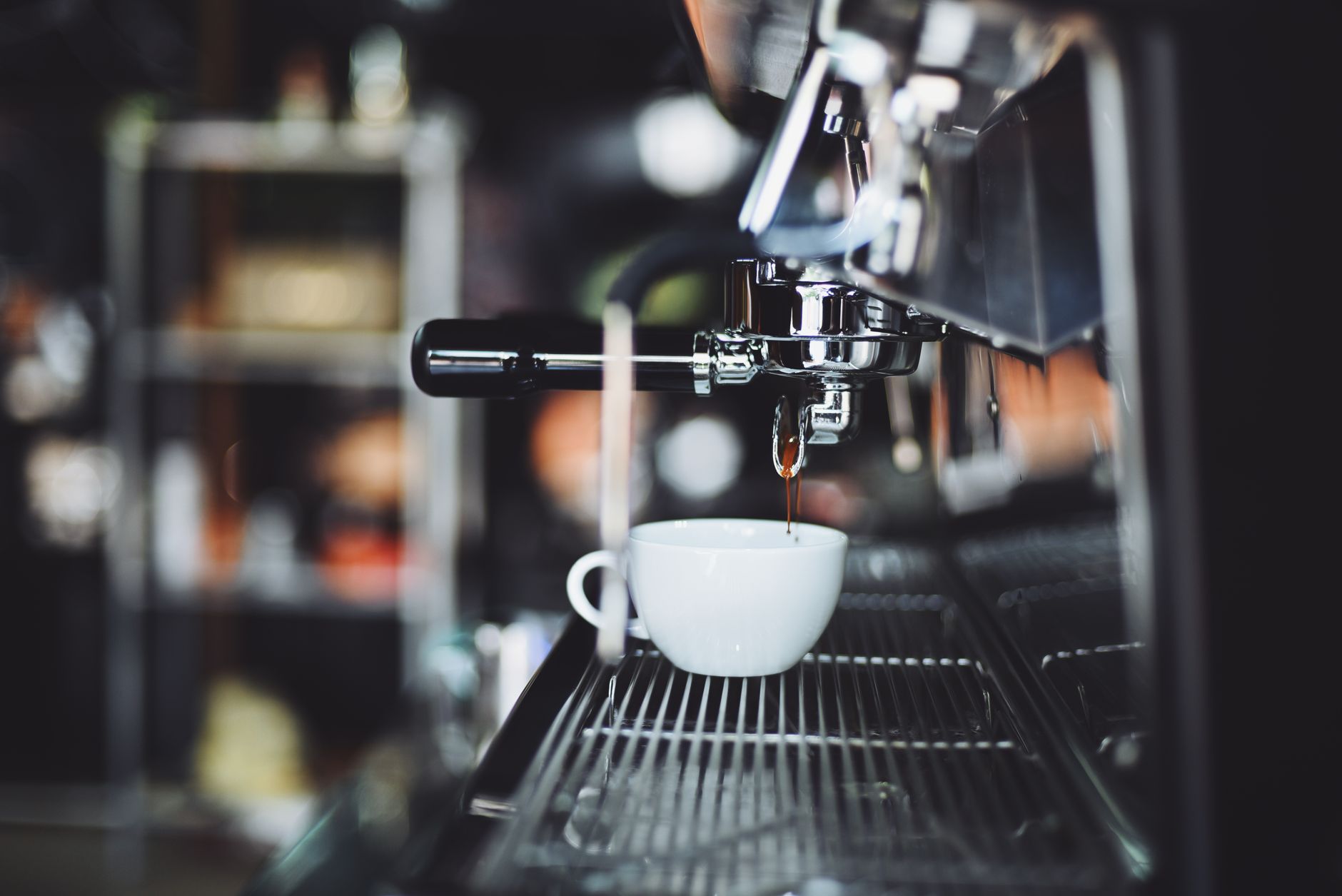
Coffee is more than just a beverage; it’s an experience, a ritual, and for many, a crucial part of their day. Making the best cup of coffee involves selecting the right ingredients, mastering brewing techniques, and understanding your personal taste preferences. This guide will walk you through everything you need to know to create that perfect cup at home.
From selecting high-quality coffee beans to the best brewing methods and tips for customization, this article will enhance your coffee-making skills and ensure each cup you brew meets your individual standards.
How To Make The Best Cup Of Coffee?
To make the best cup of coffee, start with high-quality coffee beans, freshly ground just before brewing. Use the right water temperature and brewing method that suits your taste, and don’t forget to customize your cup with milk, sugar, or flavorings if desired.
Understanding the Ingredients
Before diving into the brewing process, it’s essential to familiarize yourself with the primary ingredients that contribute to a great cup of coffee:
- Coffee Beans: The foundation of your brew, quality matters. Choose whole beans that are fresh, ideally roasted within the last two weeks.
- Water: Since coffee is predominantly water, its quality significantly impacts the final taste. Filtered water, free from impurities and odors, is ideal.
- Optional Additives: Sugar, milk, cream, or flavored syrups can enhance or customize your coffee, depending on personal preferences.
Choosing the Right Coffee Beans
The type of coffee beans you choose can drastically affect the flavor profile of your coffee. Here’s a breakdown of the main varieties:
- Arabica: Known for its delicate flavor and mild acidity, Arabica beans are often considered the highest quality.
- Robusta: Stronger and more bitter, Robusta beans usually yield a heavier body and more caffeine.
- Single Origin vs. Blends: Single-origin coffees allow you to experience specific regional notes, while blends can balance flavors for a more rounded cup.
When selecting beans, pay attention to the roast date and avoid purchasing coffee that is pre-ground, as it loses flavor quickly. Try to buy only what you will consume in a few weeks for optimal freshness.
Grinding Your Coffee
Grinding coffee beans just before brewing is crucial for maximizing flavor and aroma. Here’s a guide on how to choose the right grind size:
- Coarse Grind: Best for French press or cold brew methods.
- Medium Grind: Suitable for drip coffee makers and pour-over methods.
- Fine Grind: Ideal for espresso machines.
- Extra-Fine Grind: Used for Turkish coffee preparation.
Investing in a good burr grinder is recommended, as it provides uniform particle size, leading to better extraction compared to blade grinders.
Water Temperature and Quality
Water quality is key for making the best coffee. Use filtered water and maintain a temperature between 195°F to 205°F (90°C to 96°C) for optimal extraction. Boiling water will scorch the grounds, while cooler water will under-extract.
Brewing Techniques
There are many ways to brew coffee, each impacting the flavor. Here, we’ll cover popular brewing methods:
1. French Press
This method highlights the coffee’s natural oils and flavors. It’s easy and does not require specialized equipment.
- Coarsely grind 1 ounce (28 grams) of coffee beans per 12 ounces (355 ml) of water.
- Boil water to about 200°F (93°C) and let it cool for 30 seconds.
- Add the coffee grounds to the French press and pour hot water over them.
- Stir gently and place the lid on, allowing it to steep for about 4 minutes.
- Slowly press the plunger down and pour your coffee into a cup.
2. Pour-Over
This method allows for precise control over brewing time and water distribution.
- Use a medium grind with a ratio of 1 ounce (28 grams) of coffee to 16 ounces (475 ml) of water.
- Set your pour-over cone over a mug or server and add a filter, pre-wet it to remove any paper taste.
- Add the coffee grounds to the filter.
- Pour an initial small amount of water over the grounds to let them bloom for 30 seconds.
- Continue pouring water in a spiral motion over the grounds until you reach your desired volume.
3. Espresso
This method creates a concentrated shot of coffee and is the base for many coffee drinks.
- Use a fine grind, aiming for a ratio of 1 ounce (28 grams) of coffee to 2 ounces (60 ml) of water.
- Pack the coffee into your portafilter and tamp it down evenly.
- Attach the portafilter to the espresso machine and start the brewing process.
- Extract shots for about 25-30 seconds for balanced flavor.
4. Cold Brew
This method produces a smooth and less acidic drink.
- Coarsely grind coffee at a ratio of 1 ounce (28 grams) to 4 ounces (120 ml) of water.
- Combine coffee grounds and cold water in a container and let it steep for 12-24 hours.
- Strain the mixture through a coffee filter or cheesecloth to remove the grounds.
- Serve over ice or store in the refrigerator for up to two weeks.
Customizing Your Coffee
With the basics down, you can customize your cup to suit your tastes:
- Milk and Cream: Add whole milk, skim milk, or alternatives like almond or oat milk for creaminess.
- Sweeteners: Sugar, honey, maple syrup, or artificial sweeteners can enhance the flavor.
- Flavorings: Experiment with cinnamon, vanilla, or flavored syrups for an exciting twist.
Common Mistakes to Avoid
Here are some common pitfalls to watch out for while brewing your coffee:
- Using Stale Coffee: Always opt for fresh beans to avoid diminishing flavor.
- Incorrect Grind Size: Ensure your grind size matches your brewing method for optimal extraction.
- Inconsistent Water Temperature: Use a thermometer to keep your water within the ideal range.
- Not Measuring Coffee and Water: Use a scale to measure ingredients for accuracy.
Storage Tips for Coffee
To maintain the freshness of your coffee beans, consider the following storage practices:
- Keep it Airtight: Use an airtight container to minimize exposure to air.
- Store in a Cool, Dark Place: Avoid heat and light to prevent premature aging.
- Avoid the Freezer: While it may seem counterintuitive, freezing can cause moisture, which degrades quality.
Brewing Scale and Ratios
When brewing coffee, precision is key. The golden ratio for most coffee preparations is generally 1:15 or 1:16, which means one part coffee to 15-16 parts water. Adjust the ratio according to your taste preferences, but this range tends to yield balanced brews.
Exploring Coffee Varieties
If you want to expand your coffee horizons, consider experimenting with different brewing methods and beans:
- Single Origin: Try exploring various regions like Ethiopian, Colombian, or Sumatra to experience distinct flavor notes.
- Flavored Coffee: Experiment with vanilla, hazelnut, or seasonal blend options to discover new tastes.
- Specialty Coffees: Visit local roasteries or boutiques that offer a variety of unique and curated coffees.
Resources for Coffee Enthusiasts
For those looking to deepen their coffee knowledge, consider these resources:
- Books: Look for titles that focus on coffee brewing techniques and the history of coffee.
- Workshops: Check for local coffee brewing classes for hands-on learning experiences.
- Online Communities: Join coffee forums or social media groups to exchange tips and experiences with fellow coffee lovers.
Final Thoughts on Making the Best Cup of Coffee
Creating the best cup of coffee is both a science and an art. By understanding the essential ingredients, experimenting with methods, and being mindful of your preferences, you can enjoy a delightful coffee experience each day. Aim to try variations, discover what you personally enjoy, and take your time to craft each cup with care.
For a refreshing twist, consider exploring our French Press Cold Brew Recipe or indulge in a delicious Espresso Martini Shot Recipe. Happy brewing!