
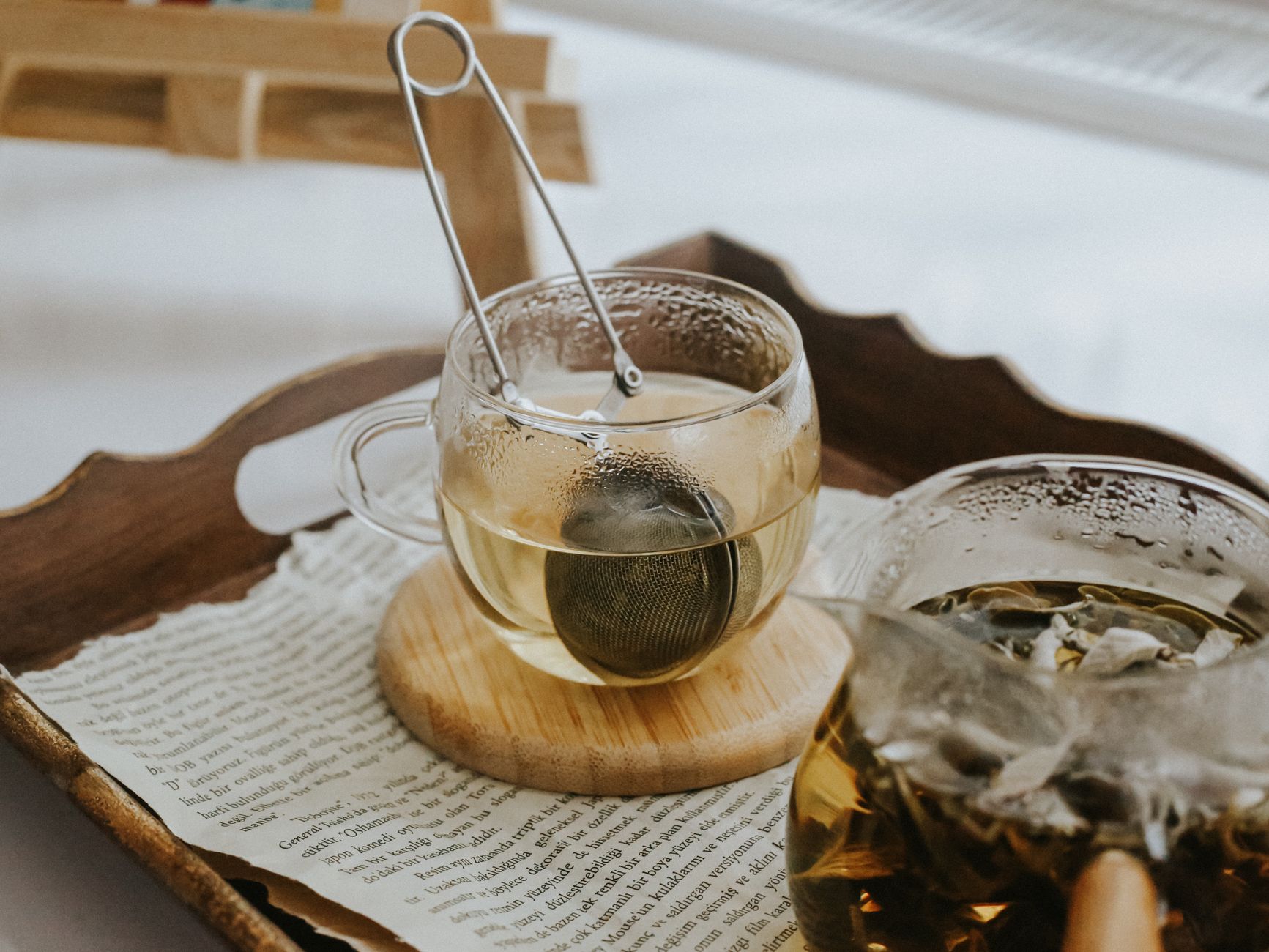
Understanding how to manage blood pressure is essential for maintaining overall health. One natural way to support this process is through the consumption of certain teas. Various herbal and black teas have been studied for their potential benefits in regulating blood pressure levels, making them a practical choice for those looking to enhance their health.
This article explores which teas may help with blood pressure, their benefits, preparation methods, and how to incorporate them into your daily routine. Whether you are seeking to lower your numbers or maintain a healthy level, these tea options could be valuable additions to your diet.
What Tea Helps With Blood Pressure?
Several teas have been associated with lower blood pressure, including hibiscus tea, green tea, and black tea. Hibiscus tea, in particular, has been recognized for its potential to lower systolic and diastolic blood pressure. The antioxidants in these teas, alongside their natural compounds, play a role in promoting heart health and enhancing blood vessel function.
Benefits of Tea for Blood Pressure Management
Tea, especially the aforementioned types, is rich in compounds that can offer various health benefits. Here are some notable advantages:
- Rich in Antioxidants: Tea contains polyphenols and flavonoids, which are antioxidants that help combat oxidative stress and inflammation in the body.
- Improved Vascular Function: Certain teas enhance the function of blood vessels, which may aid in better blood flow and reduced blood pressure.
- Natural Relaxant: The act of drinking tea can provide a calming effect, helping to reduce stress—a known contributor to high blood pressure.
- Heart Health: Regular consumption of tea may help lower cholesterol levels and improve overall heart health.
Types of Tea That May Help Lower Blood Pressure
1. Hibiscus Tea
Hibiscus tea is made from the dried petals of the hibiscus flower. It is known for its tart flavor and vibrant red color. Studies suggest that hibiscus tea may significantly lower blood pressure among individuals with hypertension. The active compounds, particularly anthocyanins, contribute to this effect.
2. Green Tea
Green tea is renowned for its health benefits, primarily due to its high concentration of catechins. Research indicates that regular consumption of green tea may help lower both systolic and diastolic blood pressure, thanks to its ability to improve endothelial function and blood vessel elasticity.
3. Black Tea
Black tea contains a unique set of flavonoids that may promote cardiovascular health. Consuming black tea may help reduce blood pressure levels by improving blood vessel function and decreasing cholesterol levels.
4. Oolong Tea
Oolong tea, a partially fermented tea, falls somewhere between green and black tea in terms of oxidation. Its unique flavor and aroma come from its specific processing. Some studies have suggested that oolong tea may have blood pressure-lowering effects similar to green tea.
5. Rooibos Tea
Rooibos tea, made from a South African herbal plant, is caffeine-free and packed with antioxidants. Although research on its effects on blood pressure is limited, some studies indicate that it might have a positive impact, particularly on those suffering from mild hypertension.
6. Chamomile Tea
Chamomile tea is often used for its calming effects, making it an excellent bedtime beverage. While it is not directly linked to lowering blood pressure, its stress-relieving properties can indirectly contribute to better blood pressure control.
How to Prepare and Enjoy Blood Pressure-Lowering Teas
Preparation methods vary slightly by tea type, but here are general guidelines for making a delicious cup that maximizes health benefits.
Ingredients for Various Teas
- Hibiscus Tea: 1 tablespoon dried hibiscus petals, 2 cups water.
- Green Tea: 1 green tea bag or 1 teaspoon loose leaf, 2 cups water.
- Black Tea: 1 black tea bag or 1 teaspoon loose leaf, 2 cups water.
- Oolong Tea: 1 teaspoon loose leaf, 2 cups water.
- Rooibos Tea: 1 teaspoon loose leaf, 2 cups water.
- Chamomile Tea: 1 chamomile tea bag or 1 tablespoon dried flowers, 2 cups water.
Preparation Steps
- Start by boiling the water in a kettle or saucepan.
- Once boiling, remove it from the heat and let it cool slightly for about 30 seconds to one minute (especially for green tea).
- Add the tea leaves or bag to a cup or teapot.
- Pour the hot water over the tea.
- Steep according to the type of tea:
- Hibiscus: 5-10 minutes.
- Green Tea: 2-3 minutes.
- Black Tea: 3-5 minutes.
- Oolong Tea: 4-7 minutes.
- Rooibos: 5-7 minutes.
- Chamomile: 5 minutes.
- Strain the tea if using loose leaves or remove the tea bag.
- Enjoy hot or allow it to cool and serve over ice.
Best Practices for Tea Consumption
While tea can be a beneficial addition to your diet for blood pressure management, there are a few best practices to keep in mind:
- Limit Added Sugars: Sweetening your tea with sugars can lead to weight gain, which negatively affects blood pressure. Consider natural sweeteners like honey or enjoy it plain.
- Stay Hydrated: While tea can contribute to your fluid intake, ensure you’re drinking enough water throughout the day.
- Consult with a Doctor: Always consult with a healthcare provider before relying solely on tea for managing blood pressure, especially if you are on medication.
- Moderation is Key: Like anything, moderation is crucial. Excessive consumption of caffeinated teas may lead to increased heart rate or elevated blood pressure in sensitive individuals.
Potential Risks and Considerations
While many teas are safe for most people, there are several considerations to keep in mind:
- Caffeine Sensitivity: Some teas, like black and green tea, contain caffeine. If you are sensitive, you may want to opt for herbal or caffeine-free varieties.
- Interaction with Medications: Some compounds in tea can interact with medications. It is important to discuss with a healthcare provider.
- Quality of Ingredients: Ensure you’re using high-quality tea leaves or bags. Low-quality or flavored teas may contain additives that could counteract the health benefits.
Combining Teas with a Healthy Lifestyle
Incorporating tea into your daily routine should be part of a holistic approach to blood pressure management. Here are some additional lifestyle tips to consider:
- Eat a Balanced Diet: Focus on whole foods, including fruits, vegetables, whole grains, and lean proteins.
- Regular Exercise: Aim for at least 150 minutes of moderate aerobic exercise weekly.
- Manage Stress: Incorporate mindfulness practices like yoga or meditation into your daily life.
- Avoid Excessive Sodium: Limit salt intake, as high sodium levels can elevate blood pressure.
Conclusion
Drinking tea can be a flavorful and beneficial way to support blood pressure management. From hibiscus to green tea, each type offers unique advantages that contribute to overall heart health. By incorporating these teas alongside a healthy lifestyle, individuals can work towards maintaining balanced blood pressure levels.
Take a simple step today by brewing a cup of hibiscus or green tea and making it a part of your daily routine. Explore other healthful drink options like beet juice to further enhance your diet. You can find a delicious beet juice recipe for blood pressure management here and a refreshing raspberry leaf tea recipe here. Enjoy your journey towards better health!