
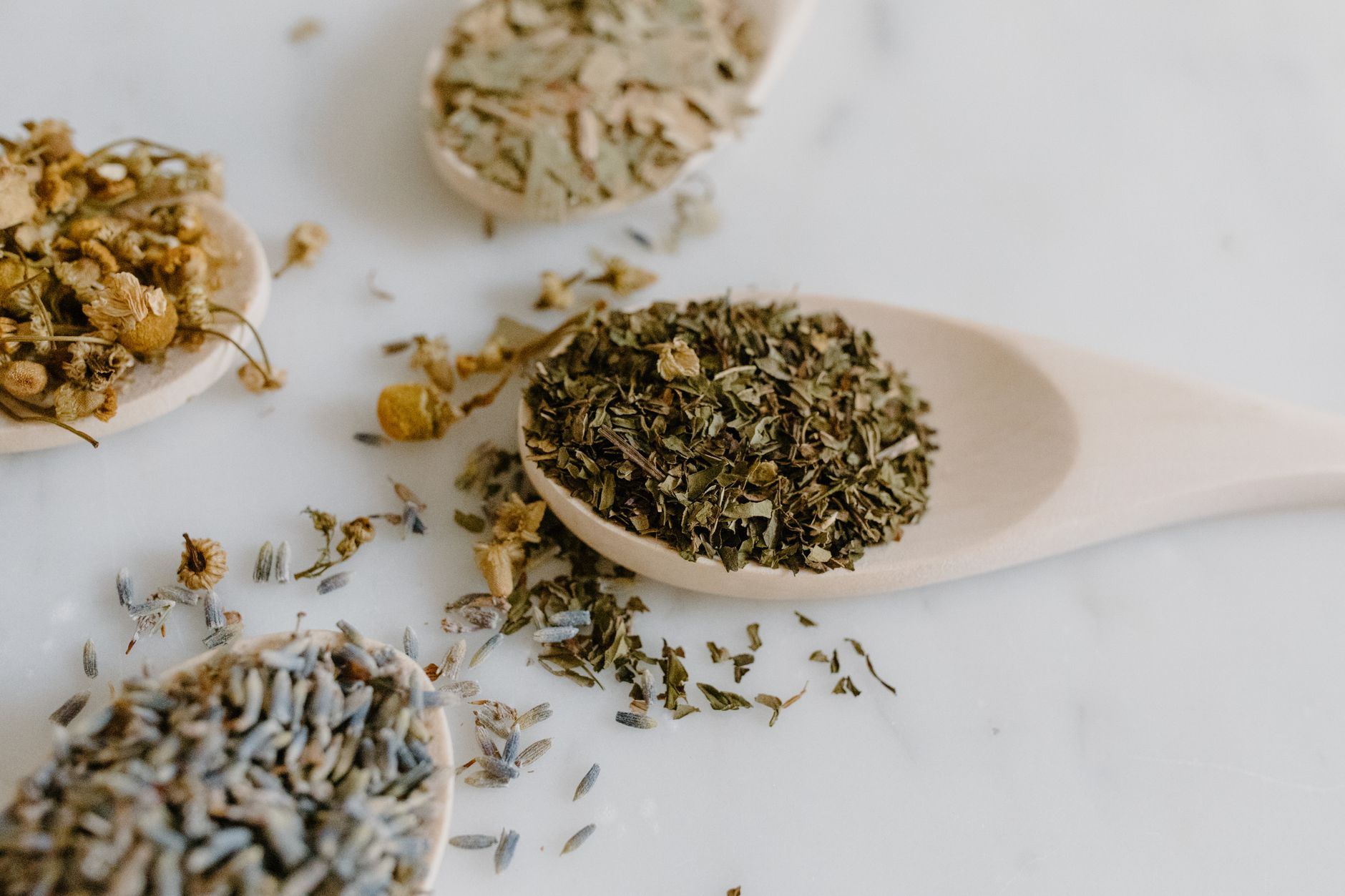
Many people struggle with sleep issues due to stress, anxiety, or simply an overactive mind at night. A soothing cup of tea can be a perfect companion for your bedtime routine, helping to promote relaxation and prepare you for a good night’s sleep. This article will explore various types of tea known for their calming properties, ingredients to look for, and how to prepare these teas for optimal sleep benefits.
From herbal blends to calming infusions, this guide will help you identify the best teas to enhance your sleep quality. For those seeking a peaceful night, the following sections will be beneficial in selecting your perfect sleepytime beverage.
What Kind Of Tea Helps You Sleep?
Several types of tea are known for their sleep-promoting properties. Herbal teas like chamomile, valerian root, and lavender are particularly effective. These teas contain compounds that may help calm the nervous system and promote relaxation—ideal for winding down before bedtime.
Herbal Teas: The Best Choices for Sleep
Herbal teas are caffeine-free and often have soothing properties that can promote relaxation and aid sleep. Here’s a closer look at some of the most popular options:
Chamomile Tea
Chamomile tea is one of the most well-known and widely consumed teas for sleep. Its gentle, floral flavor and soothing aroma make it a favorite bedtime beverage.
- Flavor: Sweet and floral with a mild taste.
- Key Benefit: Contains apigenin, an antioxidant that binds to receptors in the brain, promoting relaxation and drowsiness.
- Preparation: Steep chamomile flowers in hot water for 5 to 10 minutes.
Valerian Root Tea
Valerian root has been used for centuries as a natural remedy for sleep disorders. It is often combined with other herbs for enhanced effects.
- Flavor: Earthy and slightly bitter.
- Key Benefit: Valerian root is believed to increase the levels of GABA in the brain, which helps calm the nervous system and encourages sleep.
- Preparation: Steep valerian root in boiling water for 10 to 15 minutes.
Lavender Tea
The calming aroma of lavender is well-known for its relaxing effects. Lavender tea can help reduce anxiety and stress levels.
- Flavor: Floral and fragrant.
- Key Benefit: Contains compounds that can help reduce heart rate and blood pressure, leading to better sleep quality.
- Preparation: Steep dried lavender buds in hot water for 5 to 10 minutes.
Lemon Balm Tea
Lemon balm, a member of the mint family, has a gentle lemony flavor and is often used to alleviate stress and anxiety.
- Flavor: Mildly lemony and refreshing.
- Key Benefit: Known to reduce anxiety and improve sleep, it acts as a natural sedative.
- Preparation: Steep lemon balm leaves in boiling water for about 5 to 10 minutes.
Passionflower Tea
Passionflower is a climbing vine that produces beautiful flowers. Its tea is often used to treat sleep problems and anxiety.
- Flavor: Mild, sweet, and slightly herbaceous.
- Key Benefit: Increases levels of GABA in the brain, promoting relaxation.
- Preparation: Steep passionflower in boiling water for 10 minutes.
How to Prepare Sleep-Enhancing Teas
Making a cup of tea is a simple process, but to reap the full benefits of these sleep-enhancing varieties, consider the following steps:
- Select Your Tea: Choose from the options listed above based on your flavor preference or desired calming effect.
- Boil Water: Bring fresh, filtered water to a boil. The temperature may vary depending on the type of tea; generally, herbal teas steep best in boiling water.
- Add Tea: If you are using loose herbs, use approximately one teaspoon of dried herbs per cup of water. If using tea bags, one bag per cup is sufficient.
- Steep: Allow the tea to steep for the recommended time to extract the flavors and beneficial compounds.
- Strain: If using loose herbs, strain the tea before serving to remove solids.
- Customize (Optional): Add honey, lemon, or other natural sweeteners to enhance the flavor without disrupting the calming benefits.
- Enjoy: Sip your tea slowly in a quiet environment, allowing yourself time to unwind.
Combining Ingredients for Enhanced Effects
While each herbal tea has its benefits, combining certain ingredients can create a more powerful calming effect. Here are a few blends to consider:
Chamomile and Lavender Blend
This classic combination promotes relaxation through the soothing properties of both chamomile and lavender. Blend dried chamomile flowers and lavender buds for a lovely floral tea.
Valerian and Lemon Balm Blend
The earthy notes of valerian root pair well with the lemony freshness of lemon balm, creating a calming tea that eases anxiety.
Passionflower and Chamomile Blend
Another excellent mix for sleep includes passionflower and chamomile. Their combined effects target both stress relief and sleeplessness.
Practical Tips for Making Sleep-Enhancing Teas
To further optimize the calming effects of your sleep tea, consider these practical tips:
- Freshness Matters: Always check that your herbs are fresh. Older herbs lose their potency, so buy in smaller quantities or check expiration dates.
- Time of Consumption: Drink your tea 30 to 60 minutes before bedtime to give your body time to relax.
- Set the Mood: Create a calming environment while drinking your tea. Dim the lights or use soft lighting to enhance your relaxation.
- Consistency is Key: Make herbal tea a part of your nightly routine for the best results in improving your sleep quality over time.
Common Mistakes to Avoid
To fully benefit from sleep-enhancing teas, steer clear of these common mistakes:
- Oversteeping: Allowing tea to steep for too long can lead to a bitter flavor and may overshadow the soothing benefits.
- Using Caffeinated Ingredients: Ensure that the tea you’re using is completely caffeine-free, as caffeine can disrupt your sleep.
- Making it a Sipping Race: Rushing through your tea might deprive you of the relaxation benefits. Sip slowly to enhance the calming experience.
Personalizing Your Sleep Tea Experience
Everyone has different preferences, so don’t hesitate to modify your tea recipes to suit your tastes. Here are some ideas:
- Add Sweeteners: If you find herbal teas too earthy or bitter, try honey, agave, or a splash of maple syrup for extra sweetness.
- Infuse with Spices: Gently add spices like cinnamon or ginger to your tea for additional warmth and flavor without caffeine.
- Experiment with Temperature: Some people prefer their teas hot, while others enjoy them iced. Both can be conducive to relaxation, so find what works best for you.
Storing Herbal Teas
To maintain the freshness and effectiveness of your herbal teas, follow these storage recommendations:
- Keep it airtight: Store your tea in an airtight container to prevent exposure to air and moisture.
- Dark and Cool: Place your tea in a dark, cool location, away from direct sunlight, to preserve its flavors and properties.
- Label and Date: If you buy in bulk, be sure to label and date your containers to keep track of freshness.
Final Thoughts on Tea and Sleep
Choosing the right tea can significantly impact your sleep quality. With various options like chamomile, valerian root, and lavender, you have many flavors and effects to explore. Remember, the goal is to create a relaxing bedtime ritual that promotes calm and restful sleep.
Try incorporating these herbal teas into your nightly routine and observe the effects on your sleep patterns. You may find that a warm cup of tea can become an essential part of your path to relaxation and sleep improvement.
If you’re looking to enhance the experience, consider pairing your tea with light snacks such as whole grain crackers or a small serving of nuts to satisfy late-night cravings without heavy ingredients disrupting your sleep.
For more delicious beverages, check out our recipes for ginger cinnamon tea and honey tea. Enjoy the journey towards better sleep through the art of teas.