
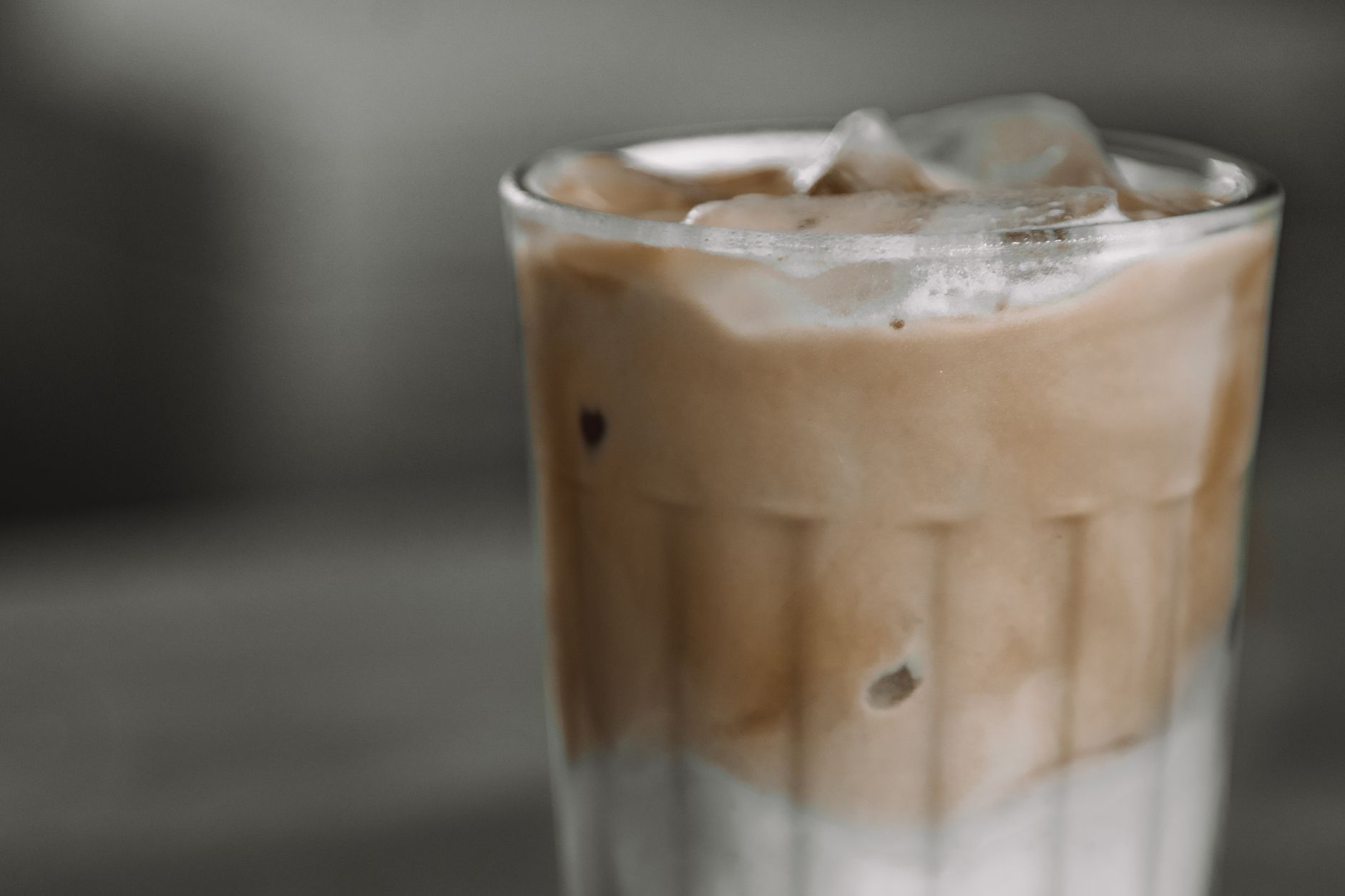
Cold brew and iced coffee are popular coffee choices, especially during warmer months when people seek refreshing drinks. While they may appear similar, they have distinct preparation methods and flavors that appeal to different palates. Understanding the differences between these two beverages can help you decide which one suits your taste or occasion best.
This article will delve into the specifics of cold brew and iced coffee, exploring their preparation methods, flavors, caffeine content, and more. Whether you’re a coffee aficionado or just starting your caffeine journey, this guide will help you appreciate the nuances between these two delightful drinks.
What Is Cold Brew Vs Iced Coffee?
Cold brew is made by steeping coarsely ground coffee in cold water for an extended period, usually 12 to 24 hours, resulting in a smooth, less acidic flavor. Iced coffee is brewed using hot water and then cooled down, typically over ice, which can lead to a more pronounced coffee flavor and a slightly bitter aftertaste.
Understanding Cold Brew Coffee
Cold brew coffee is a method of preparing coffee that yields a rich, smooth beverage. It has gained immense popularity due to its unique flavor profile and lower acidity, making it easier on the stomach for many coffee drinkers.
Preparation Method
The key to making cold brew is the steeping process. Here’s how to do it:
- Start with coarsely ground coffee beans. A ratio of 1:4 coffee to water is recommended, but you can adjust it based on your taste preferences.
- Combine the coffee grounds and cold water in a large jar or pitcher.
- Stir gently to ensure all the coffee grounds are saturated.
- Cover the jar or pitcher and let it steep in the refrigerator for 12 to 24 hours.
- After steeping, filter the coffee using a fine-mesh sieve or a coffee filter to remove the grounds.
- Your cold brew concentrate is ready! You can dilute it with water or milk to your desired strength.
Flavor Profile
Cold brew coffee is known for its smooth, mellow taste with subtle chocolate and nutty notes. The lower acidity makes it less likely to cause acid reflux, and the flavor is often described as sweeter, allowing for various flavor additions without overpowering bitterness.
Caffeine Content
Cold brew generally has a higher caffeine concentration than iced coffee, given the longer steeping time. Depending on how you dilute it, cold brew can contain about 100 to 200 mg of caffeine per cup, making it a potent morning pick-me-up for those who need an extra boost.
Serving Suggestions
Cold brew can be enjoyed in numerous ways. Here are some popular serving suggestions:
- Serve it over ice with milk or a milk alternative for a creamy texture.
- Add flavored syrups, such as vanilla or caramel, for a sweet twist.
- Combine it with ice cream or whipped cream for an indulgent dessert-like treat.
- Experiment with different coffee beans to highlight various flavor notes.
Common Mistakes
While making cold brew is straightforward, some common mistakes can alter the taste or quality:
- Using fine coffee grounds can lead to over-extraction and bitterness.
- Not steeping long enough will result in a weak flavor.
- Skipping the filtration process can leave a gritty texture in the final drink.
What Is Iced Coffee?
Iced coffee is brewed using hot water, making it a more traditional method of preparing coffee. It is typically cooled down either by placing it directly over ice or by chilling it after brewing.
Preparation Method
Here’s a simple method to prepare iced coffee:
- Start with freshly brewed hot coffee made using your preferred brewing method (drip, pour-over, French press, etc.).
- Use a stronger coffee ratio than usual to compensate for dilution from ice; a common ratio is 1:15 coffee to water.
- Once brewed, allow the coffee to cool slightly before pouring it over a glass filled with ice.
- Stir well and add sweeteners or milk as desired.
Flavor Profile
The flavor of iced coffee can vary widely based on the brewing method and coffee beans used. Generally, it retains more acidity than cold brew and can have a pronounced coffee flavor, often accompanied by slight bitterness. The cooling process can also alter the perception of sweetness and acidity.
Caffeine Content
Iced coffee typically has less caffeine than cold brew if you’re comparing equal servings but can still pack a punch. On average, a standard 12-ounce serving has about 80 to 120 mg of caffeine, depending on the strength of the brew.
Serving Suggestions
Iced coffee is versatile and can be served in various ways:
- Add milk, cream, or plant-based alternatives for creaminess.
- Enhance flavors with syrups, whipped cream, or flavored creamers.
- Garnish with chocolate shavings or cinnamon for an aesthetic appeal.
Common Mistakes
To ensure a delightful iced coffee experience, avoid these common pitfalls:
- Pouring hot coffee over regular ice can lead to quick dilution and a weak flavor.
- Using stale coffee beans can yield poor-tasting results.
- Neglecting to cool the coffee slightly before pouring it over ice can lead to undesired flavors.
Key Differences Between Cold Brew and Iced Coffee
Understanding the differences can help you select the right beverage for any occasion. Below are the main contrasts between cold brew and iced coffee:
Brewing Method
Cold brew necessitates a long steeping process with cold water, while iced coffee is made by brewing hot coffee and cooling it down. This fundamental difference significantly impacts the final taste and texture.
Flavor and Acidity
Cold brew is known for its smooth, mellow flavor with lower acidity, while iced coffee retains more of the coffee’s original acidity and often exhibits more pronounced bitterness. Cold brew can sometimes taste sweeter due to its lower acidity.
Caffeine Concentration
Generally, cold brew has a higher caffeine concentration than iced coffee. However, the caffeine content can vary based on coffee-to-water ratios and brewing times.
Preparation Time
Cold brew requires a longer time commitment due to the steeping process, while iced coffee is quicker to prepare, taking only a few minutes.
Which One Should You Choose?
The choice between cold brew and iced coffee ultimately depends on your personal preference and the experience you’re looking for:
- If you prefer a smoother, less acidic coffee experience, cold brew may be the way to go.
- If you enjoy a stronger coffee flavor and don’t mind a bit of acidity, iced coffee will suit your taste.
- Consider your schedule: if you have time to prepare cold brew overnight, it makes for an excellent morning drink. For a quick afternoon pick-me-up, iced coffee is the way to go.
Supercharging Your Cold Brew and Iced Coffee Experience
There are numerous ways to enhance your cold brew and iced coffee. Here are some tips:
Flavor Enhancements
Try adding different flavors to your drinks:
- Syrups and sweeteners: vanilla, caramel, or hazelnut syrups can elevate the flavor.
- Spices: a dash of cinnamon or nutmeg can add warmth and depth.
- Milks and alternatives: experimenting with almond, oat, or coconut milk can change the texture and flavor profile.
Utilizing Coffee Ice Cubes
A common mistake with iced coffee is dilution from melting ice. To prevent this, ice cubes made from coffee can retain the coffee’s strength. Simply freeze some freshly brewed coffee in ice cube trays and add them to your iced drinks.
Storing Cold Brew and Iced Coffee
Proper storage of cold brew and iced coffee will keep your beverage fresh and enjoyable:
Cold Brew Storage
Once prepared, cold brew concentrate can be stored in the refrigerator for up to two weeks. Make sure it’s sealed in an airtight container to reduce oxidation. Dilute it with water or milk as needed when serving.
Iced Coffee Storage
Iced coffee is best enjoyed fresh, but if you have leftovers, you can store them in the fridge for up to a day. To keep the flavor intact, try to cool it quickly and store it sealed. Again, avoid storing with ice, as this will dissolve and dilute your drink.
Conclusion
Understanding the differences between cold brew and iced coffee opens up a world of flavor possibilities. Both beverages bring unique qualities that cater to different tastes and preferences. By experimenting with various preparation techniques and serving methods, you can discover your ultimate coffee experience that suits any occasion.
Explore new flavors with each drink and feel free to mix and match ingredients for your cold brews and iced coffees. Try concocting your own variations like mocha iced coffee. You might just find your next favorite way to enjoy coffee!
For more coffee inspiration, check out this cold brew coffee concentrate recipe and indulge in a delightful mocha iced coffee recipe.