
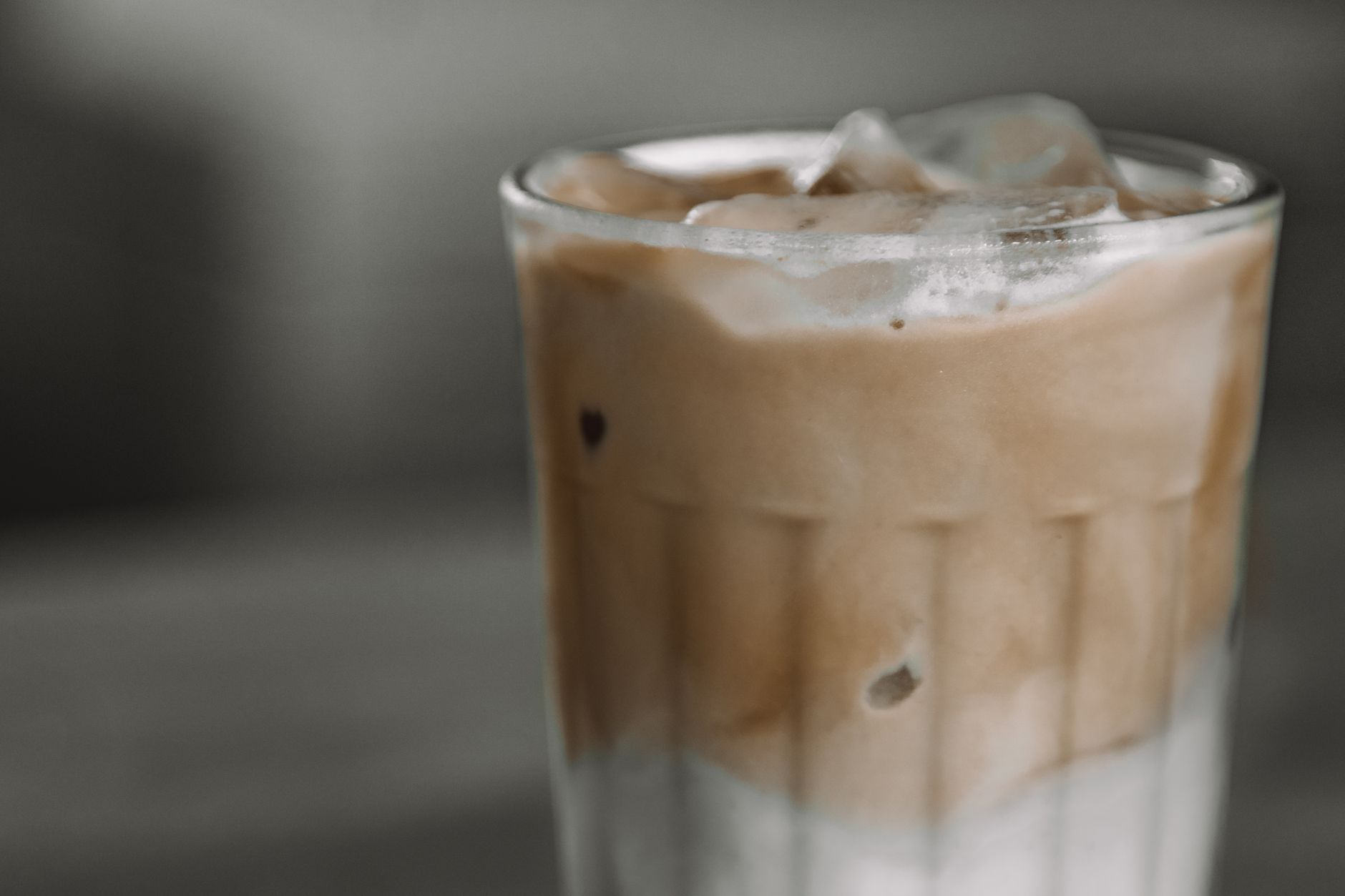
Cold brew coffee has surged in popularity for its smooth, less acidic taste compared to traditional brewed coffee. This method involves steeping coarsely ground coffee in cold water for an extended period, resulting in a refreshing and richly flavored beverage. Many coffee enthusiasts prefer cold brew for its captivating flavor profile and versatile serving options.
In this comprehensive guide, we will delve into the ins and outs of cold brew coffee, exploring its preparation, serving suggestions, differences from traditional coffee, and helpful tips for perfecting this delightful drink.
What Is Cold Brew Coffee?
Cold brew coffee is made by steeping coarsely ground coffee beans in cold water for an extended period—typically 12 to 24 hours. Unlike iced coffee, which is brewed hot and then cooled, cold brew utilizes cold water from the start, producing a smoother and less acidic flavor profile.
Why Choose Cold Brew Coffee?
There are several reasons why cold brew coffee has gained a loyal following among coffee drinkers. Here are a few key points:
- Less acidity: Cold brew coffee often has a lower acidity level, making it gentler on the stomach and teeth.
- Smoother taste: The cold brewing process results in a naturally sweeter flavor, reducing the need for additional sweeteners or cream.
- Versatility: Cold brew coffee can be enjoyed straight, or blended into various beverages like coffee cocktails, smoothies, or even desserts.
How to Make Cold Brew Coffee
Making cold brew coffee at home is straightforward and requires only a few ingredients and tools. Here’s a detailed guide to help you craft your perfect batch.
Ingredients
- 1 cup coarsely ground coffee (medium or dark roast preferred)
- 4 cups cold water
Essential Equipment
- Large jar or pitcher with a lid
- Fine mesh strainer or coffee filter
- Large bowl
Preparation Steps
- Combine coffee and water: In a large jar or pitcher, mix the coarsely ground coffee with cold water. Stir gently to ensure all the grounds are fully saturated.
- Seal and steep: Cover the jar or pitcher with its lid. Allow the mixture to steep at room temperature or in the refrigerator for 12 to 24 hours.
- Strain the mixture: After steeping, pour the mixture through a fine mesh strainer or coffee filter placed over a large bowl. This will separate the liquid from the coffee grounds. If using a coffee filter, you may need to strain it in batches.
- Store and serve: Transfer the cold brew concentrate to a clean jar or pitcher, and store it in the refrigerator. To serve, dilute the concentrate with water, milk, or a milk alternative to taste, typically in a 1:1 ratio, although you can adjust this depending on your preference.
Tips for the Perfect Cold Brew
Cold brewing coffee can be a pleasurable and forgiving process, but certain tips can elevate your brew to new heights:
- Use quality coffee: Start with fresh, high-quality whole beans. Experimenting with different roasts and blends can yield diverse flavors.
- Grind size matters: Coarsely ground coffee is essential for cold brew. Finer grounds can lead to over-extraction, resulting in bitterness.
- Water quality: Use filtered water to ensure the best taste in your cold brew; tap water can impart undesirable flavors.
- Adjust steeping time: If you prefer a stronger brew, consider extending the steeping time. Conversely, reduce it for a milder flavor.
Serving Suggestions for Cold Brew Coffee
Cold brew coffee’s versatility makes it a fantastic base for various beverages and treats. Here are some popular serving ideas:
Coffee Cocktails
Cold brew coffee can add depth to cocktails. Try mixing it with coffee liqueur, vodka, or even whiskey for a delightful twist.
Over Ice
Pour cold brew over ice and add a splash of milk, cream, or sweetener for a satisfying drink. Flavored syrups, such as vanilla or hazelnut, can also enhance the experience.
Smoothies
Blend cold brew coffee into your favorite smoothie for an energizing twist. It pairs well with bananas, oats, and a scoop of protein for a nutritious breakfast.
Coffee Ice Cream Float
For a dessert-like indulgence, scoop coffee ice cream into a glass and pour cold brew coffee over it for an irresistible treat.
Differences Between Cold Brew and Iced Coffee
While cold brew and iced coffee might seem similar, they are fundamentally different:
- Brew method: Cold brew is made by steeping coffee grounds in cold water, while iced coffee is brewed hot and then chilled.
- Flavor profile: Cold brew tends to be smoother and less acidic, whereas iced coffee can have a more pronounced acidity depending on the brewing method.
- Caffeine content: Cold brew coffee is often more concentrated, leading to a higher caffeine content per serving, especially if served straight.
Common Mistakes and Troubleshooting
As with any coffee brewing method, some common pitfalls can occur. Here are a few to watch out for:
- Using the wrong coffee grind: Finer coffee grounds can lead to cloudiness, excessive bitterness, and a gritty texture. Ensure that your coffee is coarsely ground for the best results.
- Not steeping long enough: If your cold brew tastes weak, increase the steeping time next time. A longer steep extracts more flavors without becoming bitter.
- Forgetting to dilute: Cold brew concentrate can be strong for some. Always remember to dilute it with water or a milk alternative for a balanced flavor.
Storage and Shelf Life
Cold brew coffee can be stored in the refrigerator for up to two weeks, making it a convenient option for busy schedules. However, its flavor may gradually diminish over time. For best results, consume it within a week of brewing to enjoy its optimal taste.
Cold Brew Coffee Variations
With the basics mastered, you can experiment with various flavors and ingredients:
Flavored Cold Brew
Consider adding spices like cinnamon, cardamom, or vanilla during the steeping process for an aromatic twist.
Milk Alternatives
Explore different milk alternatives, such as oat milk, almond milk, or coconut milk, to find your preferred creamy addition.
Conclusion
Cold brew coffee is not only a simple process to master, but it also offers countless possibilities for flavor exploration and refreshing beverages. By using quality ingredients and following best practices, you can create a delicious cup of cold brew to enjoy any time of year. With just a bit of planning, you can brew a coffee concentrate that saves time on busy mornings while bringing joy to your daily routine.
For those interested in further exploring cold brew techniques, consider checking out this cold brew coffee concentrate recipe or this iced coffee concentrate recipe for more refreshing ideas and innovations. Happy brewing!