
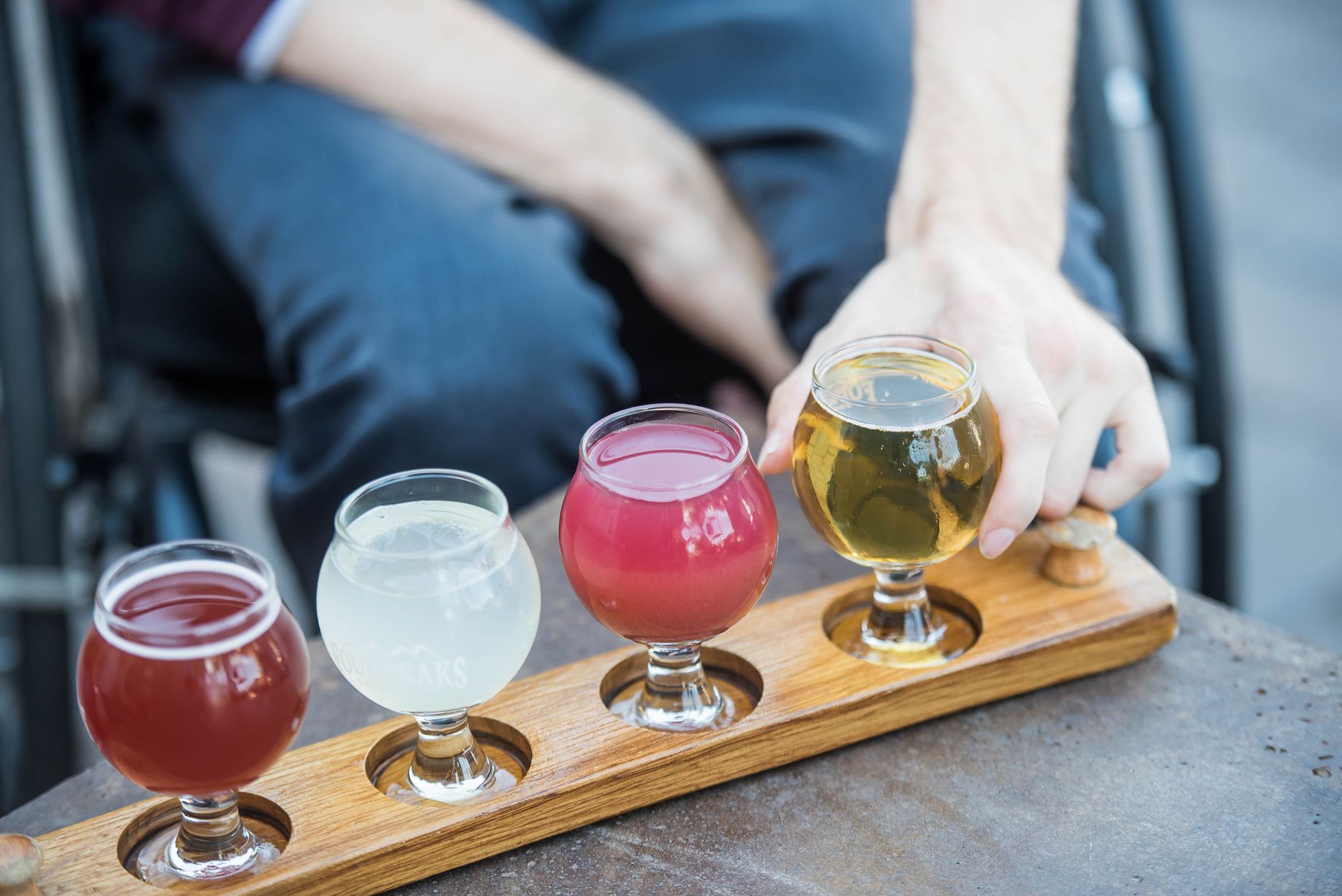
Sour beer has been gaining popularity in the craft beer scene, attracting seasoned enthusiasts and newcomers alike. With its unique tangy flavors and aromas, sour beers offer a distinct drinking experience compared to traditional brews. This guide will delve into what sour beer is, the brewing process, its various styles, and tips for tasting and pairing.
Understanding sour beer can enhance your appreciation of this complex beverage. Whether you’re a casual beer drinker or a connoisseur, knowing more about sour beers can help you choose the right bottle for a meal, gathering, or just a relaxing night in.
What Is A Sour Beer?
A sour beer is a broad category of beer characterized by its tart and acidic taste. This sourness comes from various fermentation processes involving wild yeast strains and bacteria. Common souring agents include Lactobacillus and Brettanomyces, which create complex flavors and aromas. The result can range from mildly tart to intensely sour, depending on the brewing process and ingredients used.
The Brewing Process of Sour Beer
The production of sour beer differs significantly from standard beer. While traditional beer relies primarily on saccharomyces cerevisiae yeast to ferment sugars, sour beers incorporate wild yeasts and bacteria that create a sour profile.
1. Fermentation Techniques
Sour beers utilize different fermentation techniques to achieve their distinct flavors:
- Spontaneous Fermentation: This method involves exposing wort (unfermented beer) to wild bacteria and yeasts from the environment. The beer ferments in an open vessel, capturing local microorganisms, leading to complex and unpredictable flavors.
- Mixed Fermentation: In this technique, both traditional yeast and wild strains are added to the wort. This process often occurs in barrels, where different microorganisms interact with the beer over time.
- Quick Souring: Brewers can also use controlled methods to introduce bacteria like Lactobacillus shortly after brewing. This swift process can result in a sour beer ready for consumption in a shorter time frame.
2. Aging and Maturation
Many sour beers benefit from aging, which allows the flavors to develop further. Barrel aging is common, as the wood interacts with the beer, imparting additional nuances. The length of aging can vary widely, from a few months to several years.
Styles of Sour Beer
Sour beer encompasses a variety of styles, each with its unique flavor profile and brewing traditions. Here are some popular styles you may encounter:
1. Berliner Weisse
Originating in Germany, Berliner Weisse is a low-alcohol, wheat-based sour beer known for its light body and refreshing tartness. It is often served with flavored syrups, such as raspberry or woodruff, to balance the sourness.
2. Gose
Another German style, Gose is brewed with coriander and salt, giving it a distinctive flavor. The addition of Lactobacillus during fermentation contributes to its tartness, making it a fruity and savory choice.
3. Lambic
Lambic beers are a traditional Belgian style, known for their spontaneous fermentation using wild yeasts. They often exhibit flavors of fruit, herbs, and spices, with varieties such as Kriek (cherry) and Framboise (raspberry) adding delicious fruitiness.
4. American Wild Ales
This category includes sour beers brewed in the United States, often utilizing local ingredients and creative techniques. They can vary greatly in flavor and acidity, emphasizing the brewer’s style and creativity.
5. Flanders Red Ale
Flanders Red Ale is a Belgian style that typically features a blend of sweet and sour notes. With its deep ruby color and flavors of dark fruit, oak, and vinegar, this beer offers a complex and layered tasting experience.
Tasting and Pairing Sour Beer
Tasting sour beer is an enjoyable experience that can vary widely based on the style and individual brewery. Here are some tips for tasting and pairing sour beers:
1. Glassware
Using the right glass can enhance your sour beer experience. A tulip glass or snifter is ideal for capturing the aromas and directing them to your nose.
2. Evaluation Process
When tasting sour beer, follow these steps:
- Look: Observe the color, clarity, and foam head of the beer. This initial evaluation can give clues about the beer’s body and carbonation level.
- Smell: Take a moment to inhale the aroma. Look for notes of fruit, vinegar, and other aromas that can vary widely based on the beer style.
- Taste: Take a sip and allow the beer to linger in your mouth. Notice the different flavors and acidity; try to identify specific fruit, oak, or spices.
- Finish: Pay attention to the aftertaste. Some sour beers have a long and pleasant finish, while others may be sharp and quickly fade.
3. Food Pairings
Sour beers can be surprisingly versatile when it comes to food pairings. Here are a few suggestions:
- Cheese: Sour beers pair wonderfully with soft cheeses, such as goat cheese or brie, as their tartness complements the creaminess.
- Seafood: The acidity in sour beers can balance flavors in seafood dishes, making them a great choice for oysters, grilled fish, or ceviche.
- Salads: Sour beers work well with salads, especially those featuring vinaigrettes or citrus dressings, as the acidity enhances the freshness of the vegetables.
- Spicy Dishes: The tartness of sour beers can help cool down spicy foods, creating a refreshing contrast with flavors such as Thai or Mexican cuisine.
Tips for Enjoying Sour Beer
If you’re new to sour beer or looking to deepen your appreciation, consider the following tips:
1. Start Mild
If you are unfamiliar with sour beers, begin with lighter options such as Berliner Weisse or Gose. As your palate adjusts, you can explore more intense sour styles.
2. Experiment
The world of sour beer is diverse, encouraging experimentation. Try various styles, flavors, and production methods to discover what resonates with you.
3. Consider Seasonality
Certain sour beers can be more refreshing in hot months, while others can offer comforting warmth during colder seasons. Consider the season when selecting a sour beer for your next gathering.
4. Attend Tastings
Visit local breweries or beer festivals where you can sample a wide range of sour beers. This exposure can help identify your favorites and introduce you to unique local brews.
Common Mistakes When Selecting Sour Beer
When venturing into sour beer, avoid these common pitfalls:
1. Ignoring the Label
Take the time to read the label or description of the beer. Understanding its style, flavor profile, and potential bitterness can guide your selection.
2. Buying Blindly
Purchasing sour beer without context can lead to unexpected surprises. Seek recommendations from knowledgeable staff at liquor stores or breweries.
3. Deciding Based on Brand Exclusively
While some brands are known for their sour beer quality, each individual brew can vary. Always consider tasting before committing to a full product line.
Storing and Serving Sour Beer
Proper storage and serving practices can significantly impact the quality of your sour beer. Here’s what to keep in mind:
1. Storage Temperature
Store sour beers in a cool, dark place, ideally between 45-55°F. This temperature range allows the beer to mature and develop its complex flavors.
2. Serving Temperature
Sour beers are often served slightly warmer than traditional lagers. Allowing them to reach around 50-55°F enhances their aroma and flavor profile.
3. Handling Bottled Sour Beers
Be cautious when pouring sour beers, as they can be highly carbonated. Pour slowly to avoid excessive foam, and consider using appropriate glassware to catch any sediment at the bottom.
Conclusion
Sour beer represents a fascinating and evolving field within the world of craft brewing. With its diverse styles and complex flavor profiles, there is a sour beer for every taste preference. Experimenting with different types and learning how to pair them can lead to a richly rewarding experience. So why not explore the vibrant world of sour beers at your local craft brewery or specialty store today?
For more insights on cocktails and mixers, check out our sour mix recipe or consider trying something innovative with the Trinidad sour recipe.