
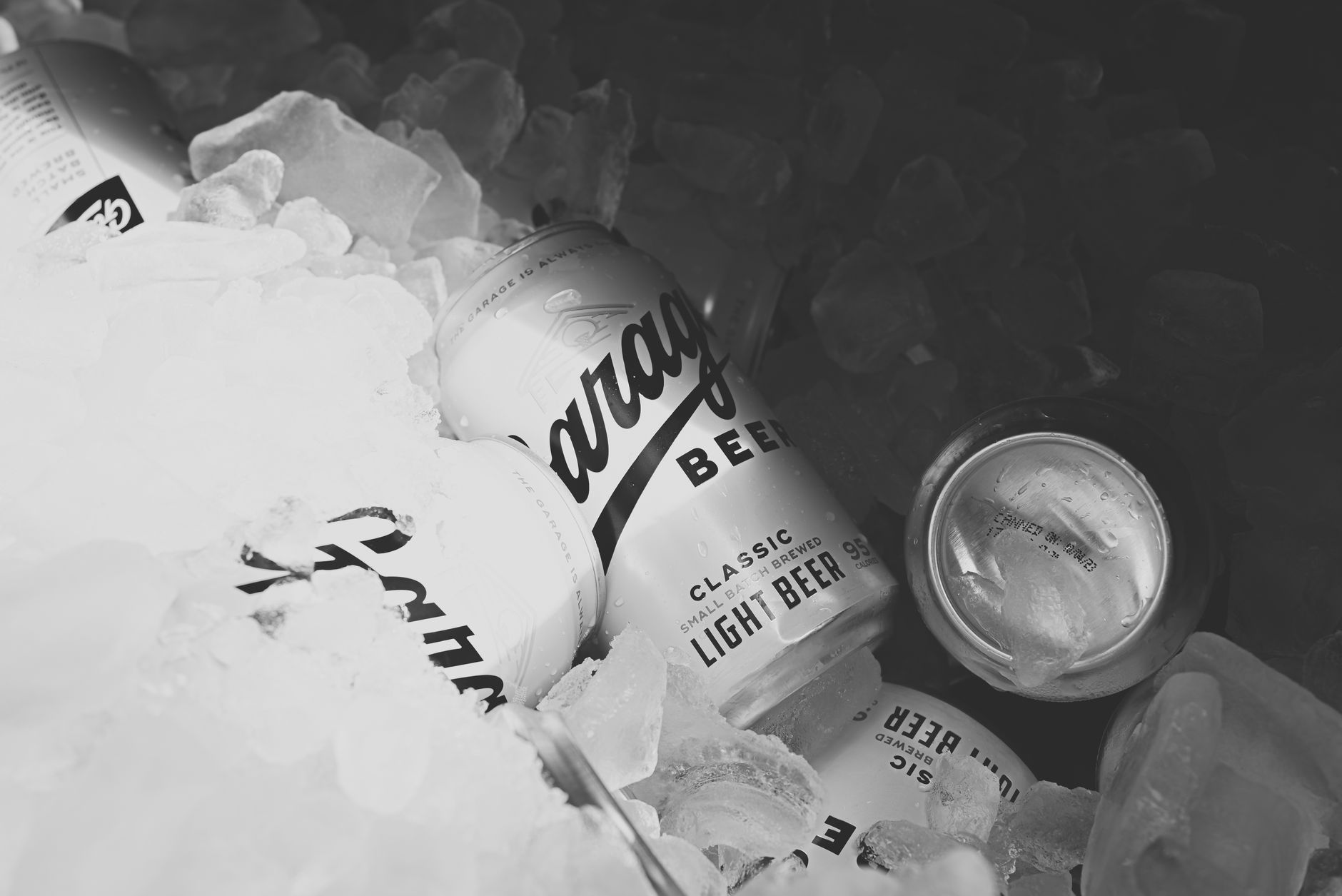
The rise in popularity of non-alcoholic beer has opened new avenues for social drinking, particularly among families and those looking for alternatives to traditional alcoholic beverages. This trend raises a pertinent question for many parents: can kids buy non-alcoholic beer? In this article, we will explore the legal considerations, health implications, and social aspects of non-alcoholic beer consumption among children.
From the ingredients used to how it is perceived in social settings, understanding non-alcoholic beer can help parents navigate this increasingly common beverage choice. By examining various factors, we can provide clear guidance for families regarding kids and non-alcoholic beer.
Can Kids Buy Non Alcoholic Beer?
Yes, kids can buy non-alcoholic beer in most places, as it typically contains little to no alcohol—generally 0.5% ABV or less. However, the laws regarding its sale may vary by country and region. Parents should check with local regulations to ensure compliance.
Understanding Non-Alcoholic Beer
Non-alcoholic beer is brewed similarly to traditional beer but undergoes a process to remove most of the alcohol content. Often referred to as NA beer, it is available in various flavors and styles. The key distinctions are the low alcohol content and the absence of the intoxicating effects associated with regular beer.
What is Non-Alcoholic Beer Made Of?
Like regular beer, non-alcoholic beer generally comprises four main ingredients: water, malted barley, hops, and yeast. The malt provides the sugars that yeast ferments into alcohol. In non-alcoholic versions, the fermentation is either curtailed early or the alcohol is removed afterward through either heat or filtration.
Common Types of Non-Alcoholic Beer
- Non-Alcoholic Lager: Refreshing and light, similar to regular lagers.
- Non-Alcoholic Ale: A maltier option with deeper flavors, often darker in color.
- Non-Alcoholic Stout: Usually rich, creamy, and full-bodied, reminiscent of alcoholic stouts.
- Non-Alcoholic Wheat Beer: Typically fruity and spicy, with a distinct haze.
Legal Considerations
While most non-alcoholic beers contain very low alcohol levels, the legality of who can purchase them varies significantly. In many regions, non-alcoholic beer can be sold to children and minors, given its low alcohol content. However, this is not universal.
Country-Specific Regulations
- United States: Non-alcoholic beer is generally allowed for sale to anyone, as it usually must contain less than 0.5% ABV.
- United Kingdom: Similar laws, where the sale is permitted, provided it meets the 0.5% ABV threshold.
- Australia: Non-alcoholic beer can be sold to minors in many states, but rules may vary depending on local laws.
Health Considerations
For many parents, health is the top priority. Non-alcoholic beer can be perceived as a safer alternative compared to its alcoholic counterpart. However, understanding its ingredients and nutritional value is essential.
Nutritional Content
Generally, non-alcoholic beers contain fewer calories and carbohydrates compared to regular beers, but this can vary by brand.
- Calories: Many non-alcoholic beers contain around 50-100 calories per serving.
- Carbohydrates: Typically lower than regular beer, often around 10-20 grams per serving.
- Vitamins and Minerals: Certain brands may add vitamins, making them a slightly healthier option.
Health Risks for Kids
While non-alcoholic beer may seem benign, parents should consider the following:
- Association with Alcohol: Kids could develop a normalizing association with drinking, which could affect their future views on alcohol consumption.
- Sugar Content: Some non-alcoholic beers can contain higher sugar levels, which might not align with a child’s dietary needs.
- Potential for Alcohol Consumption: Introducing children to beer-like products may lead to curiosity about alcoholic beverages, despite the non-alcoholic nature of the drink.
Social Aspects of Non-Alcoholic Beer
For families, non-alcoholic beer can be viewed as a way for kids to feel included in social gatherings. Children may find joy in having their own “beer” at events like picnics or barbeques, creating a sense of participation.
Alternatives to Non-Alcoholic Beer for Kids
If parents are hesitant to introduce non-alcoholic beer to their kids but want to provide a fun beverage experience, consider these alternatives:
- Sparkling Water: An excellent hydrating option that’s fun and bubbly.
- Mocktails: Creative non-alcoholic cocktails can be thrilling for children.
- Fruit-Infused Lemonades: A refreshing alternative suitable for hot weather and family gatherings.
Creating Family-friendly Mocktails
To promote a sense of inclusion without the alcohol context, families can prepare mocktails that are visually appealing and tasty.
- Mango Virgin Mojito: Mix fresh mint, lime juice, mango puree, and soda water for a refreshing treat.
- Strawberry Basil Lemonade: Combine muddled strawberries and basil with lemonade for a unique flavor.
- Pineapple Coconut Mocktail: Blend pineapple juice with coconut milk and ice, garnishing with a cherry.
Practical Considerations for Parents
When navigating the decision about non-alcoholic beer for kids, parents may consider several practical aspects.
Discussing Responsible Consumption
If a family decides to introduce non-alcoholic beer to their children, having conversations about responsible drinking habits from an early age is important. Parents can emphasize the difference between non-alcoholic and alcoholic beverages.
Setting Guidelines
Establish clear guidelines around when and where children can drink non-alcoholic beer. Setting rules will help maintain a healthy relationship with food and drink.
Choosing the Right Brands
Not all non-alcoholic beers are created equal. Parents should research and select brands with healthier ingredients.
Common Myths About Non-Alcoholic Beer
Several misconceptions exist around non-alcoholic beer that may influence parents’ decisions. Here are a few common myths examined:
Myth 1: Non-Alcoholic Beer Contains No Alcohol
While classified as non-alcoholic, most varieties still contain some alcohol—typically about 0.5% ABV. However, this is negligible compared to regular beer.
Myth 2: It Will Lead to Alcohol Abuse
While early exposure to non-alcoholic drinks should be monitored, many studies suggest that responsible consumption of non-alcoholic beer does not correlate with an increased likelihood of future alcohol abuse.
Myth 3: It’s Just as Bad as Regular Beer
Non-alcoholic beer generally has fewer calories and lower alcohol levels, making it less concerning than its alcoholic counterparts, especially in moderation.
Conclusion
Non-alcoholic beer is a growing drink option that kids can enjoy in moderation, provided local laws allow it. While it may foster a sense of inclusion in social gatherings, it’s essential for parents to consider legal regulations, health implications, and provide guidance on responsible consumption. The central goal should be to create a safe, nurturing environment where children can learn about responsible beverage choices.
For families looking to explore fun beverage options, consider trying out recipes for non-alcoholic drinks such as those in our non-alcoholic Old Fashioned and non-alcoholic Piña Colada recipes. By fostering a healthy understanding of drink choices, children can enjoy flavorful beverages without the risks associated with alcohol.