
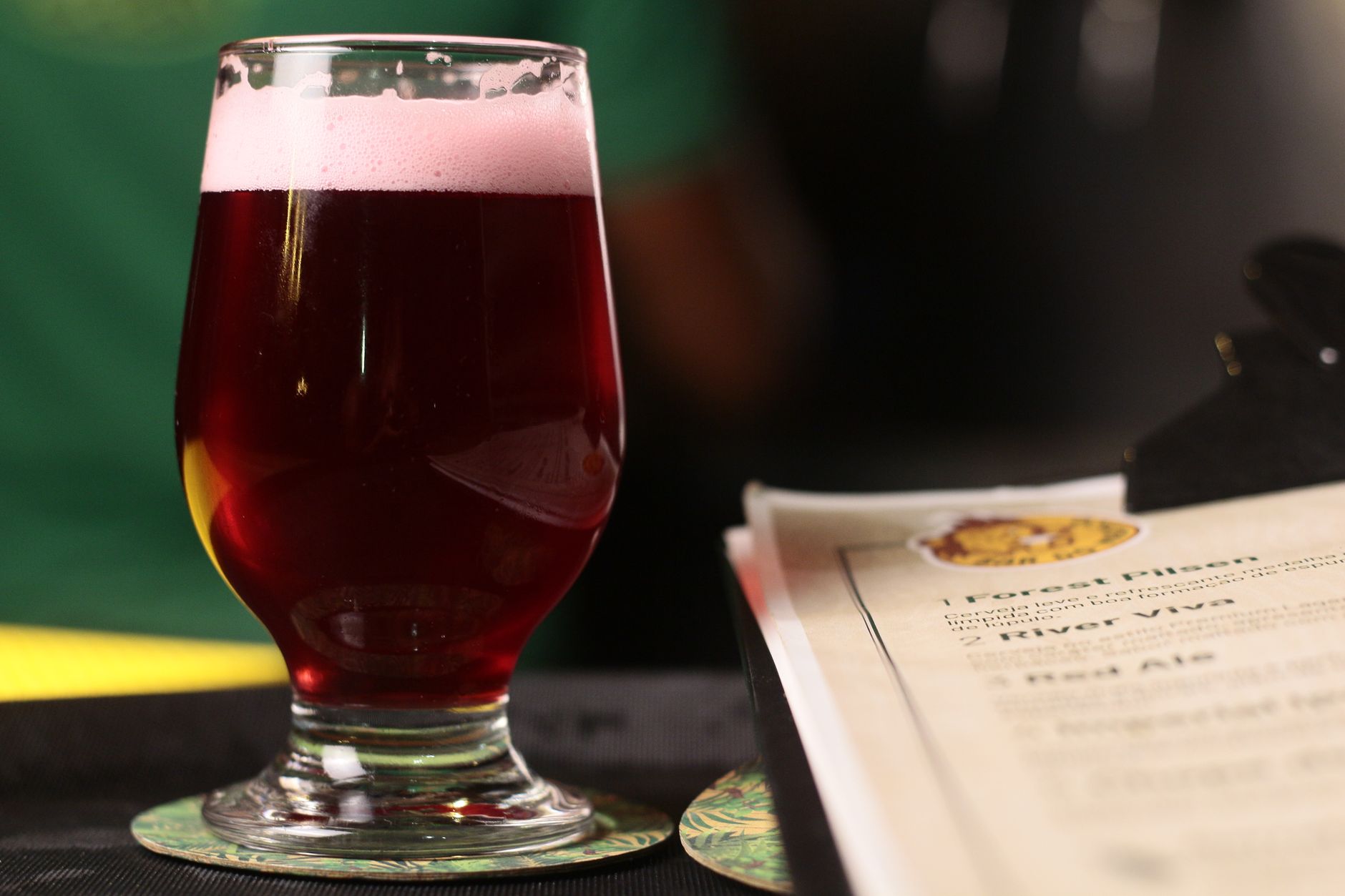
Red ale is a popular and versatile beer style known for its rich color and complex flavors. Often brewed with a variety of malt types, it offers a delightful combination of caramel sweetness, toasty notes, and a balanced hoppy bitterness. This guide will delve into the characteristics of red ale, its brewing process, food pairings, and tips for enjoying this unique beer style.
Whether you’re a craft beer enthusiast or a casual drinker, understanding red ale can enhance your tasting experience. From selecting the right brew to pairing it with food, this complete guide will inform your choices and help you appreciate one of the most beloved beer styles available today.
What Is A Red Ale?
Red ale refers to a beer style that encompasses a variety of ales characterized by their reddish hue. The color can range from amber to deep ruby red, and its flavor profile typically includes malty sweetness balanced with hop bitterness. Red ales are often brewed using a blend of caramel, pale, and sometimes roasted malts, which contribute to their distinctive taste and color.
Characteristics of Red Ale
The primary features of red ale include its appearance, aroma, flavor, and mouthfeel. Let’s break these characteristics down further:
- Appearance: Red ales display a beautiful reddish-brown color that varies depending on the specific type and brewing process. The clarity can range from clear to slightly hazy, and they usually have a creamy off-white head that adds to their visual appeal.
- Aroma: The aroma of red ales is often malt-forward, with notes of caramel, toffee, and toasted bread. Depending on the variety, a hint of fruity esters from the yeast, as well as floral or citrusy hop notes, may also be present.
- Flavor: The flavor profile is defined by a balance of malt sweetness and hop bitterness. Expect caramel or toffee sweetness from the malts, complemented by a modest hop bitterness that can range from floral to earthy or citrusy.
- Mouthfeel: Most red ales have a medium body and moderate carbonation, providing a smooth, enjoyable drinking experience without feeling overly heavy.
Types of Red Ale
Red ales can be categorized into a few different styles, each with its unique characteristics. The two most recognized types are:
Irish Red Ale
This style is known for its malt-forward profile, with notes of caramel and toffee, and a subtle hop presence. The bitterness is typically low, making it an easy-drinking option. Irish red ales often have a slightly lower alcohol content, ranging from 4% to 6% ABV.
American Red Ale
American red ales tend to be hop-forward compared to their Irish counterparts. While still malt-focused, they showcase a more pronounced hop aroma and bitterness, often featuring piney, resinous, or citrus notes. The alcohol content usually falls between 5% and 7% ABV.
The Brewing Process of Red Ale
Brewing red ale involves several key steps that have been refined over centuries. Here is a general overview of the brewing process:
- Mash: The brewing process begins by heating water and mixing it with malted grains to create a mash. The enzymes in the malt convert starches to fermentable sugars. This step usually lasts about one hour.
- Boil: After mashing, the wort is separated from the grains and brought to a boil. Hops are added during the boil to contribute bitterness, flavor, and aroma. The boiling time can vary, but it typically lasts 60 to 90 minutes.
- Cooling: Once the boil is complete, the wort needs to be cooled quickly to a temperature suitable for fermentation, typically around 65°F to 75°F (18°C to 24°C).
- Fermentation: Yeast is added to the cooled wort to begin fermentation. This process transforms the sugars into alcohol and carbon dioxide, and it usually lasts from one to three weeks, depending on the specific recipe.
- Conditioning: After fermentation, the beer is conditioned for a few weeks to develop its flavor and carbonation. This can be done in the fermentation vessel or in bottles.
- Packaging: The final step involves packaging the beer in bottles, cans, or kegs for distribution and consumption.
Food Pairings with Red Ale
Red ale’s complex flavor profile makes it a versatile beer for food pairings. The malty sweetness and moderate hop bitterness create a pleasant harmony with various dishes. Here are some great food pairing options:
- Grilled Meats: Red ale complements the smoky flavors of grilled meats, especially those with a glaze or marinade, such as BBQ ribs or grilled chicken.
- Cheese: Pair red ale with semi-hard cheeses like cheddar or gouda for a delightful contrast. The maltiness of the ale enhances the cheese’s rich flavors.
- Hearty Stews: The robust character of red ale pairs well with hearty beef or lamb stews, where the malty sweetness can balance the savory depth of the dish.
- Spicy Dishes: The slight sweetness and carbonation of red ale help counteract the heat in spicy dishes, making it an excellent companion for spicy wings or tacos.
- Chocolate Desserts: For dessert, red ale offers an intriguing pairing with chocolate-based desserts, such as brownies or chocolate cake. The beer’s caramel notes complement the chocolate’s richness.
Tips for Enjoying Red Ale
To fully appreciate the distinctive flavors of red ale, consider the following tips:
- Glassware: Choose the right glass for your red ale. A tulip or pint glass works well as it allows for aromas to concentrate while enabling adequate airflow.
- Temperature: Serve red ale slightly chilled, ideally between 45°F to 55°F (7°C to 13°C). This temperature range allows the flavors to develop without masking the character of the beer.
- Aroma: Take a moment to appreciate the aroma before sipping. Swirl the beer gently in the glass and inhale deeply to detect the various notes.
- Tasting Notes: Sip slowly to fully savor the complexity of flavors. Note how the initial taste shifts as the beer warms in your glass and how the aftertaste lingers.
Common Mistakes When Drinking Red Ale
Avoid these common pitfalls to enhance your red ale experience:
- Serving Too Cold: Serving red ale too cold can mask its flavors. Ensure you allow it to warm up slightly after being poured.
- Ignoring the Glassware: Using inappropriate glassware can hinder your tasting experience. Always opt for glassware that enhances aroma and flavor.
- Pairing with Incompatible Foods: Be mindful of food pairings. Sweet or overly rich dishes can overwhelm the balance of flavors in your red ale.
How to Brew Your Own Red Ale
For those interested in homebrewing, crafting your own red ale can be a rewarding experience. Here’s a simple outline to get you started:
Equipment Needed
- Brewing kettle
- Fermentation vessel
- Airlock
- Hydrometer
- Bottles and caps
Basic Ingredients
- 9 lbs Pale Malt
- 1 lb Caramel/Crystal Malt (40-60L)
- 1 lb Munich Malt
- 1 oz Centennial Hops (bittering)
- 1 oz Cascade Hops (aroma)
- Yeast (American Ale yeast recommended)
- Priming sugar (for bottling)
Brew Day Steps
- Heat approximately 3 gallons of water to around 165°F (74°C) and add the crushed grains for mashing.
- Maintain the mash temperature at around 152°F (67°C) for 60 minutes.
- After mashing, sparge the grains with enough water to collect about 5 gallons of wort in your brew kettle.
- Bring the wort to a boil and add the bittering hops for 60 minutes, then add the aroma hops during the last 5 minutes.
- Cool the wort quickly using an immersion chiller or an ice bath.
- Transfer the cooled wort to the fermentation vessel, pitch the yeast, and seal with an airlock.
- Ferment for 1 to 3 weeks, then bottle with priming sugar and let it carbonate for another week before enjoying.
Storing and Serving Red Ale
Proper storage of red ale is crucial to maintaining its quality. Here are the best practices:
- Cooling: Store red ale in a cool, dark place to preserve its flavors. A consistent temperature between 50°F to 60°F (10°C to 15°C) is ideal.
- Aging: While some red ales can benefit from aging, most are best enjoyed fresh. Aim to consume them within three to six months for optimal flavor.
- Serving: Pour red ale gently to avoid excessive foaming, ensuring you have a nice head while preserving the remaining carbonation in the glass.
Conclusion
Red ale offers a unique combination of flavors, making it a delightful choice for many occasions. Whether you choose to brew your own or explore different varieties from local breweries, understanding the characteristics, brewing process, and food pairings associated with red ale enhances the overall experience. So grab a glass, explore the world of red ales, and enjoy all that this intriguing beer style has to offer.
Explore more about beer pairing tips, brewing guides, and culinary inspirations to elevate your dining and drinking experiences!