
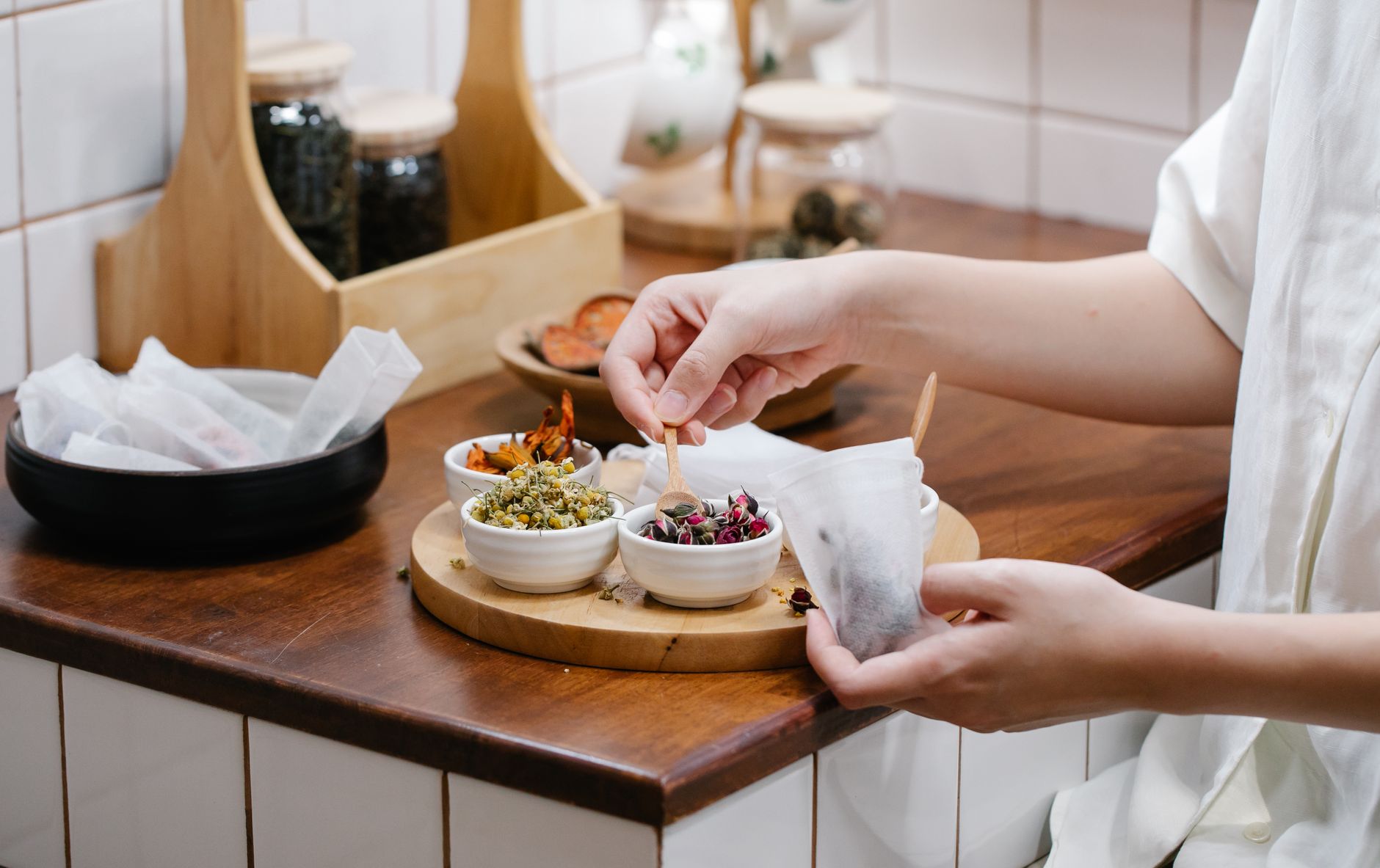
Tea is a beloved beverage worldwide, cherished for its flavor, variety, and potential health benefits. A common question among tea enthusiasts and casual drinkers alike is how many grams of tea are in a tea bag. Understanding this measurement can help you brew the perfect cup and explore different brewing techniques.
This article will delve into the specifics of how many grams of tea typically fit into a tea bag, the factors influencing this measurement, and how to adjust your brewing for the best results. Whether you are a tea connoisseur or just a casual drinker, this information is essential for optimizing your tea experience.
How Many Grams Of Tea Are In A Tea Bag?
On average, a standard tea bag contains about 2 to 3 grams of tea. However, the precise amount can vary based on the type of tea, the brand, and even the shape of the tea bag. For instance, some specialty or loose-leaf teas offered in bags may contain slightly different quantities. The number of grams affects the strength, flavor, and overall brewing quality of your tea.
Factors Influencing the Amount of Tea in a Tea Bag
Several factors can affect how many grams of tea are inside a tea bag:
- Type of Tea: Different types of tea, such as black, green, herbal, or oolong, may have varying densities and leaf sizes, affecting how much can be packed into a bag.
- Brand Variations: Manufacturer practices differ; some companies prioritize quality leaves while others may include dust or fannings, which compact more easily into a smaller bag.
- Bag Shape: Flat tea bags may hold different quantities compared to pyramid or mesh bags, which allow for more expanded leaf placement.
The Importance of Tea Dose
Your preferred strength of tea should dictate how many bags you use in your brewing process. Here are key considerations:
- Brew Strength: If you enjoy a stronger cup of tea, you may want to use two tea bags instead of one, especially with lighter teas.
- Leaf Size: Whole leaf teas might require fewer grams in a bag to provide robust flavors, while smaller particles may release flavor more quickly.
- Personal Taste: Ultimately, the right amount of tea in your bag should suit your taste preferences; experimentation is encouraged.
How to Brew Tea Based on the Amount in a Tea Bag
Here are some general guidelines for brewing tea based on standard bag sizes:
- Black Tea: Use 1 tea bag or 2-3 grams. Brew for 3-5 minutes in boiling water for optimal flavor.
- Green Tea: Use 1 tea bag or about 2 grams. Brew for 2-3 minutes in water just below boiling (around 175-185°F) to prevent bitterness.
- Herbal Tea: Use up to 2 tea bags or 3-4 grams. Brew for 5-7 minutes in boiling water to extract full flavors.
- Oolong Tea: Similar to black tea, use 1-2 tea bags with a brewing time of 3-5 minutes in boiling water.
Measurement Conversions
Understanding tea measurements can also involve converting grams to other forms of measurement, especially if you’re using loose leaf tea. Below are some common conversions:
| Measurement | Equivalent in Grams |
|---|---|
| 1 teaspoon | 2 grams |
| 1 tablespoon | 6 grams |
| 1 ounce | 28 grams |
Substitutions and Alternatives
If you find yourself without tea bags or prefer loose leaf tea, here are some useful alternatives:
- Tea Infusers: These small tools allow you to brew loose leaf tea with ease. Measure around 2 grams of tea for each cup.
- French Press: You can use it for steeping tea as you would coffee. For a standard cup, employ the same 2-3 grams per cup ratio.
- DIY Tea Bags: If you have tea grades and empty tea bags, you can fill them with your desired amount, ensuring you maintain the 2-3 grams guideline.
Common Mistakes When Brewing Tea
Many tea drinkers might make errors that affect their tea strength and flavor. Here are some tips to avoid those pitfalls:
- Incorrect Water Temperature: Always brew green and white teas with lower temperature water than black tea to avoid bitterness.
- Improper Brewing Time: Timing is crucial; over-steeping can lead to a bitter taste, while under-steeping can result in weak flavor.
- Ignoring Amounts: Not paying attention to the grams of tea may lead to either overly diluted or too strong of a beverage.
How to Store Tea Bags
Proper storage of tea bags is necessary to maintain freshness and flavor. Follow these tips to ensure longevity:
- Airtight Containers: Store tea bags in airtight containers away from moisture, light, and strong odors.
- Cool, Dark Places: Keep tea in a pantry or cupboard rather than near the stove or in the refrigerator.
- Avoid Bulk Purchases: Only buy in quantities you will use within a reasonable time to ensure freshness.
Exploring Various Tea Types
Dive deeper into the world of tea by exploring various types that might require different quantities in tea bags:
- Black Tea: Typically bold and tannic, demanding about 2-3 grams.
- Green Tea: Usually lighter in flavor, often requiring precise brewing to avoid bitterness, around 2 grams.
- Herbal Tea: A wide range, often caffeine-free, usually uses about 3 grams because of dense ingredients.
- White Tea: Often delicate, requiring about 2 grams to preserve its subtlety.
Caffeine Content by Tea Type
The caffeine content can also be influenced by the amount of tea in a bag. Different types of tea contain varying amounts of caffeine:
- Black Tea: Approximately 40-70 mg of caffeine per 8 oz cup with standard bag use.
- Green Tea: Roughly 20-45 mg of caffeine.
- Herbal Tea: Usually caffeine-free but may vary based on ingredients.
- Oolong Tea: Contains about 30-50 mg of caffeine.
Final Thoughts on Tea Bag Measurements
Understanding the grams of tea in a tea bag enables you to make informed decisions when brewing your favorite beverage. Whether enjoying a relaxing cup by yourself or hosting a tea party with friends, knowing how to gauge the right amount will enhance your experience. Experimenting with different tea types and brewing methods can yield delightful new discoveries and perfect your technique over time.
For further exploration, consider diversifying your tea selection or trying out different brewing styles. You might enjoy the rich flavors in this Korean Barley Tea recipe, or perhaps the soothing properties of this anti-inflammatory tea recipe. Enjoy your tea journey!