
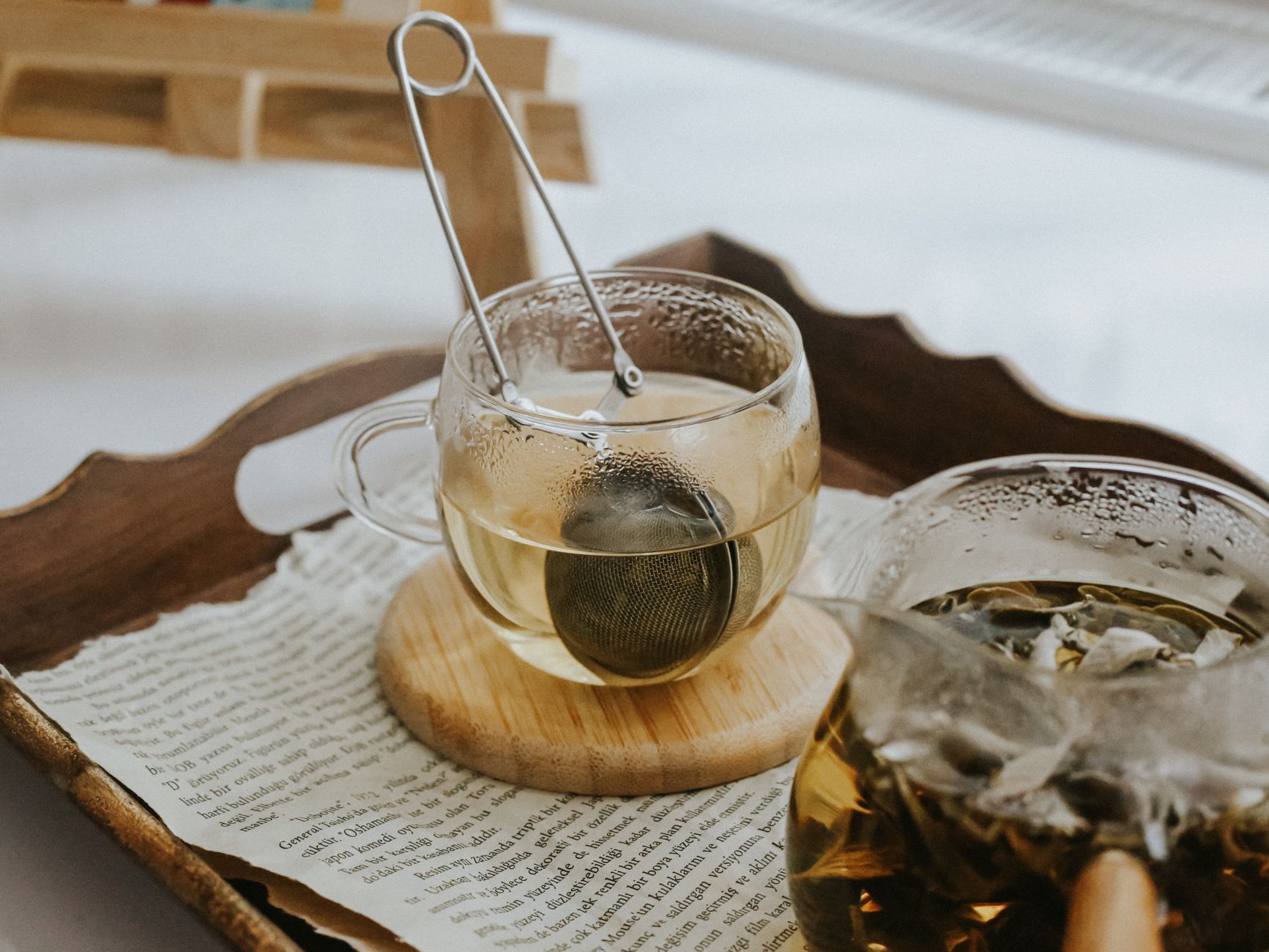
Bloating can be an uncomfortable experience, often leading to feelings of fullness, gas, and abdominal discomfort. While there are various ways to alleviate these symptoms, herbal tea has become a favored remedy for many. With various ingredients known for their digestive benefits, herbal teas offer soothing relief and can be easily incorporated into your daily routine.
In this guide, we will explore which herbal teas are effective for bloating and how to prepare them. We’ll discuss the ingredients, their health benefits, potential recipes, and tips to incorporate them into your diet effectively. Whether you’re seeking immediate relief or want to make herbal tea a part of your wellness routine, you’ll find practical tips here.
What Herbal Tea Is Good For Bloating?
The best herbal teas for bloating include peppermint, ginger, chamomile, fennel, and dandelion tea. Each of these herbal blends has unique properties that help soothe discomfort in the digestive tract and reduce bloating.
Benefits of Herbal Teas for Bloating
Herbal teas not only serve as a comforting drink, but they also provide numerous benefits in easing bloating:
- Soothing Properties: Many herbal teas can relax the digestive muscles, reducing spasms and discomfort.
- Anti-Inflammatory: Several herbs possess anti-inflammatory qualities that can help calm the digestive system.
- Digestive Support: Herbal ingredients can stimulate the digestive process, helping to relieve gas and promote easier digestion.
- Hydration: Herbal teas contribute to daily fluid intake, which can be beneficial for overall digestive health.
Popular Herbal Teas for Bloating
Below are several herbal teas specifically known for their effectiveness in combating bloating, along with a brief description of each.
Peppermint Tea
Peppermint tea is a well-known remedy for digestive issues, including bloating. The menthol in peppermint can relax the muscles of the gastrointestinal tract, which may help alleviate discomfort associated with bloating.
Ginger Tea
Ginger is renowned for its anti-nausea effects and can also aid digestion. Consuming ginger tea is beneficial because it encourages the movement of food through the digestive tract, reducing gas and bloating.
Chamomile Tea
Chamomile tea offers gentle relaxation, which can be helpful for those experiencing stress-related bloating. Additionally, chamomile has anti-inflammatory properties that may help soothe the digestive tract.
Fennel Tea
Fennel seeds have been used traditionally to combat bloating and gas due to their carminative properties. Fennel tea can help relax the muscles of the gastrointestinal system, aiding in the release of trapped gas.
Dandelion Tea
Dandelion tea is often used as a natural diuretic, which can help reduce water retention and bloating. It also promotes liver function, aiding digestion overall.
How to Prepare Herbal Teas for Bloating
Making herbal tea is a simple process that allows you to easily infuse the beneficial properties of these ingredients into your daily life. Below are methods for preparing several types of herbal tea effective against bloating.
Peppermint Tea Recipe
- Ingredients:
- 1 tablespoon dried peppermint leaves or 1 peppermint tea bag
- 1 cup boiling water
- Place dried peppermint leaves or the tea bag in a cup.
- Pour boiling water over the leaves.
- Steep for 5-10 minutes based on desired strength.
- Remove the leaves or tea bag, and enjoy.
Ginger Tea Recipe
- Ingredients:
- 1-2 inches fresh ginger root, peeled and sliced
- 1 cup boiling water
- Optional: honey or lemon for flavor
- Add sliced ginger to boiling water in a pot.
- Simmer for about 10 minutes.
- Strain the ginger and pour the tea into a cup.
- Add honey or lemon if desired, and serve.
Chamomile Tea Recipe
- Ingredients:
- 1 tablespoon dried chamomile flowers or 1 chamomile tea bag
- 1 cup boiling water
- Place chamomile flowers or tea bag in a cup.
- Pour boiling water over the flowers.
- Steep for 5-10 minutes, depending on taste preferences.
- Remove the flowers or tea bag and enjoy your soothing cup.
Fennel Tea Recipe
- Ingredients:
- 1 tablespoon fennel seeds
- 1 cup boiling water
- Crush fennel seeds slightly to release oils.
- Add the seeds to a cup and pour boiling water over them.
- Allow it to steep for 5-10 minutes.
- Strain and enjoy your tea.
Dandelion Tea Recipe
- Ingredients:
- 1 tablespoon dried dandelion leaves or root
- 1 cup boiling water
- Put the dried dandelion in a cup and pour boiling water over it.
- Let it steep for 10 minutes.
- Strain and drink warm or chilled.
Tips for Enjoying Herbal Teas
Here are some practical tips when enjoying herbal teas to relieve bloating:
- Drink Warm: Consuming warm tea can provide additional relief, as warmth can help sooth the digestive tract.
- Drink Slowly: Sip your tea slowly, allowing your body to register the warmth and the effects of the herbal ingredients.
- Regular Consumption: Incorporate these teas regularly into your diet for sustained benefits, not just when you experience bloating.
- Pair with Good Practices: Combine your tea consumption with other healthy practices, such as avoiding overeating and eating a balanced diet.
Common Mistakes to Avoid with Herbal Teas
While herbal teas are generally safe, here are some common pitfalls to avoid:
- Oversteeping: Leaving tea to steep for too long can lead to a bitter taste and may overpower the benefits.
- Not Straining: Always strain loose herbal teas before drinking to avoid gritty texture.
- High Caffeine Teas: Avoid pairing herbal tea with caffeinated drinks that can lead to dehydration.
- Ignoring Allergies: Some herbs may cause allergic reactions; know your body and consult a healthcare provider if unsure.
Storage Tips for Herbal Teas
Proper storage of herbal teas helps maintain their freshness and potency. Use these tips when storing your dried herbs:
- Cool, Dark Place: Store herbal teas in a cool, dark cabinet away from sunlight and heat sources.
- Airtight Containers: Use airtight containers to reduce exposure to air and moisture, which can degrade quality.
- Labeling: Clearly label containers with the type of tea and date of purchase, as most teas are best consumed within six months to a year.
Conclusion
Incorporating herbal teas into your daily routine can provide comfort and relief from bloating, enhancing your overall digestive health. By selecting herbal teas like peppermint, ginger, chamomile, fennel, and dandelion, you can experience both soothing flavors and their beneficial properties. Aim to prepare these herbal teas fresh and enjoy them warm for the best effects.
Looking to explore more recipes and tips? Check out our guides on making dandelion tea and calendula tea for additional wellness drinks you can easily prepare at home.