
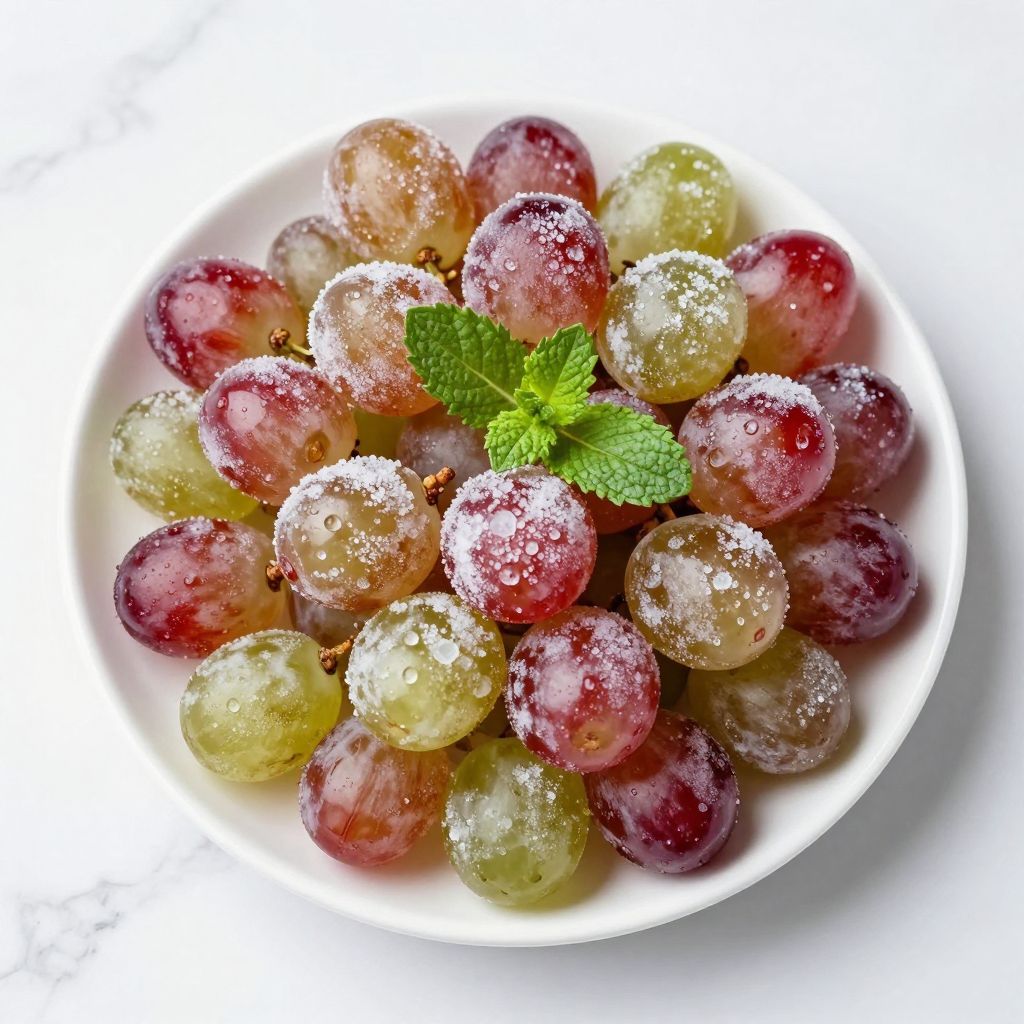
Picture popping a handful of perfectly sweet-tart grapes into your mouth, where the sugar coating gives way to that signature sour punch before melting into juicy, refreshing fruit. Sour Patch grapes are the candy-inspired snack that bridges the gap between healthy eating and pure indulgence, requiring nothing more than grapes, sugar, and a bit of patience.
This recipe works because it transforms ordinary grapes into something craveable and Instagram-worthy, all while taking less than 15 minutes of active work. The magic lies in coating them with a sour sugar mixture that mimics the beloved Sour Patch Kids candy, making them perfect for snacking, party platters, or surprising your kids with a treat that technically counts as fruit.
Why You’ll Love This Recipe
These grapes deliver that addictive sour-then-sweet flavor profile in a format that feels healthier than actual candy. They’re quick to make, require basic ingredients you likely have on hand, and they impress everyone from picky eaters to food-savvy friends.
- Takes just 5 minutes of hands-on time to prepare
- The sour coating stays crispy for hours when stored properly
- Works with any color of grapes for visual variety
- A crowd-pleasing addition to dessert boards and snack platters
- Can be customized with different sour powders for unique flavor twists
My Experience Making This Recipe
The first time I made these, I was skeptical that something this simple could actually taste good. I mixed up the coating, tossed in a handful of green grapes, and immediately regretted not making a bigger batch when my entire household devoured them in minutes.
What surprised me most was how the sour coating stayed crunchy even after a few hours in the fridge. My kids actually requested these over traditional candy, and I felt like I’d discovered a parenting hack that actually worked.
The real test came when I brought them to a potluck, convinced people would politely pass. Instead, they disappeared faster than the actual desserts, and three people asked for the recipe.
Recipe Overview
- Recipe Name: Sour Patch Grapes
- Servings: 4 to 6 servings
- Prep Time: 5 minutes
- Cook Time: 0 minutes
- Total Time: 5 minutes
- Course: Snack or Dessert
- Cuisine: American
- Calories per Serving: 95
Equipment You Will Need
- Small bowl for mixing the sour coating
- Medium bowl for tossing grapes
- Fork or whisk for combining the coating mixture
- Measuring spoons for precise ingredient amounts
- Paper towels for drying grapes
- Airtight container for storage
Ingredients for Sour Patch Grapes
- 2 pounds fresh grapes (any color, or a mix)
- 3 tablespoons granulated sugar
- 1 tablespoon sour sugar (or citric acid powder)
- 1/2 teaspoon tartaric acid (optional, for extra sourness)
- 1/4 teaspoon salt
- Water for rinsing
Ingredient Notes and Substitutions
- Fresh Grapes: Red, green, or black grapes all work equally well, though red grapes tend to be slightly sweeter and balance the sour coating nicely. If fresh grapes aren’t available, frozen grapes work but will become mushy as they thaw.
- Granulated Sugar: Standard white sugar is essential for the sweet layer of the coating. You can’t substitute brown sugar here as it will clump and won’t adhere properly to the grapes.
- Sour Sugar: This powdered blend of sugar and sour ingredients is what makes these taste like actual Sour Patch candy. If you can’t find sour sugar, mix 1 tablespoon of citric acid powder with 2 tablespoons of powdered sugar instead.
- Citric Acid: This provides the pucker-inducing tartness and keeps the mixture shelf-stable. Tartaric acid or malic acid powder are close substitutes if citric acid isn’t available.
- Salt: A small pinch of salt enhances both sweet and sour flavors and prevents the coating from tasting one-dimensional. You can reduce it to 1/8 teaspoon if you’re sensitive to salt.
How to Make Sour Patch Grapes
Step 1: Rinse and Dry Your Grapes
Rinse your grapes thoroughly under cool running water and pat them completely dry with paper towels. Dry grapes are crucial because any moisture will prevent the sugar coating from sticking properly and will dilute the sour powder.
Step 2: Combine Your Dry Ingredients
Pour the granulated sugar, sour sugar, tartaric acid (if using), and salt into a small bowl. Whisk these together for about 30 seconds to break up any clumps in the powders and distribute the sour elements evenly.
Step 3: Test Your Coating Flavor
Dip a single clean fingertip into the coating mixture and taste it. This is your chance to adjust the tartness or sweetness before committing to the full batch.
Step 4: Transfer Grapes to a Mixing Bowl
Place your dried grapes into a medium-sized bowl that gives you plenty of room to toss them around. Using a bowl that’s too small will make the next step messier and waste coating on the bowl’s sides rather than the fruit.
Step 5: Add the Coating Mixture
Sprinkle about one-third of your coating mixture over the grapes. Start with less than you think you need because you can always add more, but you can’t remove coating that’s already stuck.
Step 6: Toss the Grapes Thoroughly
Using a fork or small whisk, gently toss the grapes for about one minute, making sure each grape makes contact with the coating mixture. Work slowly and deliberately so you don’t break the grapes open, but do ensure every surface gets coated.
Step 7: Add Remaining Coating in Stages
Sprinkle the remaining coating over the grapes while continuing to toss. You want a visible layer of sour sugar on each grape without so much coating that it clumps together.
Step 8: Final Toss and Rest
Give the grapes one final gentle toss and let them sit in the bowl for two minutes. This resting period allows the moisture from the grapes to slightly dissolve the outer sugar layer, creating that signature Sour Patch texture where sour comes first, then sweet.
Pro Tip: Don’t skip the drying step. Wet grapes will turn your sour coating into paste, and you’ll end up with clumpy, unevenly coated fruit.
Tips for the Best Sour Patch Grapes
- Use seedless grapes exclusively, as seeds get in the way of enjoying the treat and make serving them awkward.
- Keep your coated grapes in an airtight container with parchment paper between layers to prevent them from sticking together.
- Make these no more than 4 hours before serving for maximum crispness of the coating. After that, they start to absorb moisture and become less crunchy.
- Experiment with different sour powders like sour watermelon sugar or sour apple powder to create themed variations that match your mood.
- For a more authentic Sour Patch experience, roll your freshly coated grapes in an additional light dusting of plain granulated sugar immediately after coating for extra sweetness.
- Freeze these grapes for a refreshing summer snack with an extra-icy texture that changes how the coating feels in your mouth.
Common Mistakes to Avoid
- Using wet grapes will turn the sour coating into a gluey mess that won’t adhere evenly. Always pat your grapes completely dry before coating.
- Mixing the coating too vigorously or for too long can cause clumping and uneven distribution of the sour elements. Gentle whisking is all you need.
- Adding too much coating at once will create clumpy, over-sugared grapes instead of a thin, even layer. More coating does not equal better results.
- Storing them in a container without parchment paper causes the grapes to stick together and creates a frustrating clump that’s hard to separate.
- Waiting too long to eat them causes the coating to soften and become sticky as it absorbs moisture from the grapes. These are best consumed within a few hours of making.
Serving Suggestions
These grapes shine when served as a refreshing snack on their own, but they also elevate dessert boards and party platters instantly. The sweet-tart flavor makes them a palate cleanser when served between rich desserts.
- Arrange them on a mixed dessert board alongside chocolate, cheese, and fresh berries
- Serve them in small cups or cones as a unique party favor that guests can eat immediately
- Pair them with vanilla ice cream for a simple but satisfying dessert
- Include them in lunch boxes as a special treat kids actually get excited about
- Combine them with other candy-coated fruits like strawberries for a colorful snack platter
Variations to Try
- Sour Watermelon Grapes: Replace your sour sugar with watermelon-flavored sour powder and add a tiny pinch of pink food coloring for visual impact. The watermelon flavor pairs beautifully with red grapes.
- Spicy Sour Grapes: Mix a pinch of cayenne pepper or tajin seasoning into your coating for a sweet-sour-spicy combination that appeals to adventurous snackers.
- Rainbow Candy Grapes: Divide your grapes into batches and coat each batch with a different sour candy powder flavor for a colorful mixed platter.
- Extra Sour Version: Increase the citric acid to 2 tablespoons for a more extreme pucker factor that sour candy lovers will crave.
- Cookies and Cream Grapes: Add crushed freeze-dried cookies or cookie crumbs to your coating mixture for a fun textural twist.
Dietary Adaptations
- Gluten-Free: This recipe is naturally gluten-free as long as you use pure citric acid powder and sour sugar that hasn’t been cross-contaminated.
- Dairy-Free: This recipe contains no dairy products in any form, making it suitable for anyone avoiding dairy.
- Vegan: The recipe is completely vegan with no animal products involved in any ingredient.
- Low-Carb/Keto: Replace granulated sugar with erythritol or monk fruit sweetener in equal amounts, though the texture will be slightly less crispy.
Storage and Reheating
Refrigerator
Store your coated grapes in an airtight container with layers separated by parchment paper to prevent sticking. They’ll keep for up to 3 days in the fridge, though the coating will gradually soften as the grapes release moisture.
- Keep them in a single layer rather than piled high for best results
- Let them come to room temperature for 5 minutes before serving for maximum crispness
Freezer
Frozen sour patch grapes become a different treat entirely, with a firmer texture and more intense flavor. Spread them in a single layer on a baking sheet, freeze for 2 hours, then transfer to an airtight container where they’ll keep for up to 2 months.
- Eat them directly from the frozen state for a refreshing icy treat
- The coating will be extra crispy when frozen
Reheating
These don’t need reheating since they’re served cold, but if your coated grapes have softened in storage, you can refresh them slightly. Spread them on a paper towel-lined plate and let them air dry at room temperature for 15 minutes to restore some crispness.
- Never microwave or heat these grapes as the coating will melt into a sticky mess
Nutrition Information
| Nutrient | Amount |
|---|---|
| Calories | 95 |
| Total Fat | 0g |
| Saturated Fat | 0g |
| Carbohydrates | 24g |
| Fiber | 1g |
| Sugar | 20g |
| Protein | 1g |
| Sodium | 45mg |
| Cholesterol | 0mg |
This nutrition information is calculated based on a serving size of approximately 7 ounces of coated grapes. Keep in mind that actual values may vary slightly depending on grape size and how much coating adheres to each batch.
Frequently Asked Questions
Can I use frozen grapes to make this recipe?
Frozen grapes will work, but they’ll become mushy as they thaw and won’t hold the coating as well as fresh grapes. For the best texture and result, use fresh grapes that have never been frozen.
How far in advance can I make these?
You can make these up to 4 hours before serving while maintaining maximum crispness of the coating. Beyond that, they absorb moisture and become softer, though they’re still edible for up to 2 days in the fridge.
What’s the difference between sour sugar and citric acid?
Sour sugar is a premixed blend of granulated sugar and citric acid that creates that balanced sour-then-sweet taste. Citric acid powder alone is much more intensely sour, so if you use it solo, your grapes will be puckering without much sweetness.
Why does my coating feel clumpy instead of powdery?
Clumping happens when there’s too much moisture in your coating mixture or when you mixed it too aggressively. Make sure your grapes are completely dry and whisk your dry ingredients gently for no more than 30 seconds.
Can I make these with other fruits besides grapes?
Strawberries, blueberries, and raspberries all work with this coating, though berries are more delicate and won’t hold the coating quite as well. Strawberries are your best bet for a fruit substitute.
Is citric acid the same as lemon juice?
Citric acid powder and lemon juice both provide sourness, but lemon juice adds moisture that will ruin your coating’s texture. Stick with the powder form for this recipe.
Final Thoughts
Sour Patch grapes prove that the best snacks don’t require complicated techniques or hard-to-find ingredients. This recipe delivers that addictive candy experience while keeping you honest about actually eating fruit, making it a win from every angle.
Your next batch is just 5 minutes away, and once you taste how incredible they are, you’ll find yourself making them regularly for snacking, entertaining, or pure indulgence. Give them a try and watch how quickly they disappear from your snack board.
Sour Patch Grapes
Ingredients
Equipment
Method
- Rinse your grapes thoroughly under cool running water and pat them completely dry with paper towels. Dry grapes are crucial because any moisture will prevent the sugar coating from sticking properly.
- Pour the granulated sugar, sour sugar, tartaric acid (if using), and salt into a small bowl. Whisk these together for about 30 seconds to break up any clumps and distribute the sour elements evenly.
- Dip a single clean fingertip into the coating mixture and taste it. This is your chance to adjust the tartness or sweetness before committing to the full batch.
- Place your dried grapes into a medium-sized bowl that gives you plenty of room to toss them around.
- Sprinkle about one-third of your coating mixture over the grapes.
- Using a fork or small whisk, gently toss the grapes for about one minute, making sure each grape makes contact with the coating mixture. Work slowly and deliberately so you don't break the grapes open.
- Sprinkle the remaining coating over the grapes while continuing to toss. You want a visible layer of sour sugar on each grape without so much coating that it clumps together.
- Give the grapes one final gentle toss and let them sit in the bowl for two minutes. This resting period allows the moisture from the grapes to slightly dissolve the outer sugar layer, creating that signature Sour Patch texture where sour comes first, then sweet.