
Sima is a Finnish fermented lemon drink made with water, sugar and a small amount of yeast. This version uses white and brown sugar for a lightly caramel-colored drink. Plan ahead: the hands-on preparation is short, but fermentation and chilling take more than a day.
Why You’ll Love This Recipe
Sima is a delightful beverage that’s both refreshing and easy to make. Here are some reasons to love it:
- Quick and easy to prepare.
- Perfect for summer gatherings or special occasions.
- Customizable with different fruit flavors.
- Low-cost ingredients that you probably already have.
- Natural carbonation makes it fun and festive.
Plan Ahead: Preparation Versus Waiting Time
Allow about 10 minutes of active preparation, then time for the hot mixture to cool, 24–48 hours for fermentation, and at least 2 hours in the refrigerator. The fermentation time is an estimate rather than a fixed promise; temperature and yeast activity affect the result. This is not a drink to start immediately before guests arrive.
Recipe Overview
- Recipe Name: Sima
- Servings: 4-6
- Prep Time: 10 minutes
- Cook Time: 0 minutes
- Total Time: approximately 27–51 hours, including cooling, fermentation and chilling
- Course: Beverage
- Cuisine: Finnish
Equipment You Will Need
- Large mixing bowl
- Measuring cups
- Wooden spoon
- Funnel
- Clean bottles designed for carbonated beverages
- Fine mesh strainer or cheesecloth
Ingredients for Sima
- 4 cups water (boiling)
- 1 cup sugar
- 1/4 cup brown sugar
- 1 lemon (juice and zest)
- 1/4 teaspoon active dry yeast
- 4 cups cold water (to dilute)
- Raisins (optional; traditionally used as a visual fermentation indicator)
Ingredient Notes and Substitutions
- Water: Use still water in the quantities listed. Sparkling water is not a substitute for following the fermentation method.
- Sugar: Supplies sweetness and fermentable sugar. Keep the listed sugars for this version; alternative sweeteners change the fermentation and are not a tested drop-in substitution.
- Brown sugar: Adds depth of flavor. You can substitute with more white sugar if needed.
- Lemon: Provides acidity and freshness. Try lime or orange for a twist.
- Active dry yeast: Use the small measured amount listed. Follow the yeast manufacturer’s hydration directions and never add yeast to boiling liquid.
How to Make Sima
Step 1: Boil the Water
Start by boiling 4 cups of water. The hot water helps dissolve the sugars. Use clean equipment throughout the process.
Step 2: Mix in the Sugars
Add 1 cup of sugar and 1/4 cup of brown sugar to the boiling water. Stir until fully dissolved—this creates a sweet syrup.
Step 3: Add Lemon
Juice and zest one lemon, then add both to the mixture. The lemon gives a bright flavor that balances the sweetness.
Step 4: Cool the Mixture
Remove the pot from heat and let it cool to room temperature. Cooling is crucial to avoid killing the yeast when added. Allow roughly 30 minutes, but use the actual temperature rather than the clock as your guide.
Step 5: Add Yeast
Once cooled, sprinkle in 1/4 teaspoon of active dry yeast. This tiny amount will ferment the sugars and create bubbles.
Step 6: Dilute With Cold Water
Add 4 cups of cold water to the mixture. This dilutes the syrup and helps lower the temperature for fermentation.
Step 7: Ferment the Sima
Cover the bowl with a cloth and let it sit at room temperature for 24-48 hours. Bubbles will form as the yeast works its magic.
Step 8: Bottle the Sima
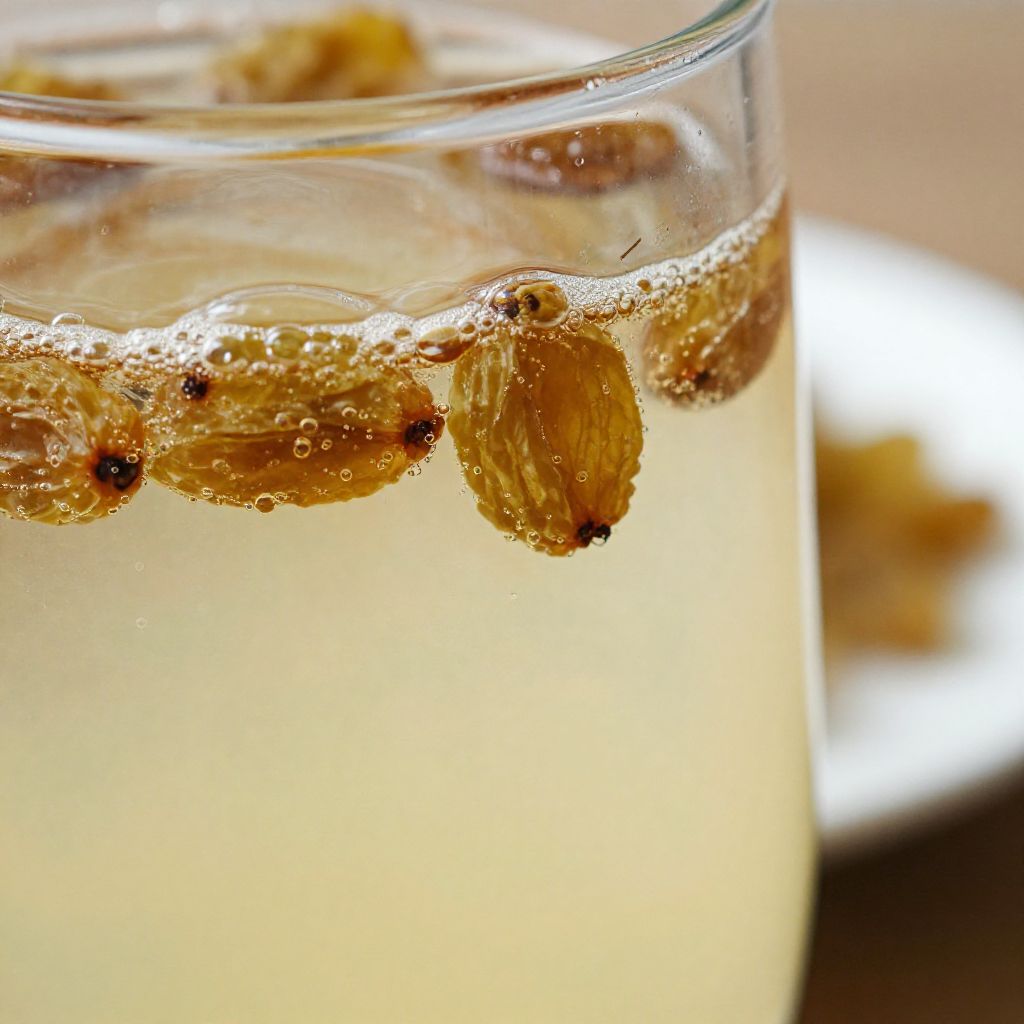
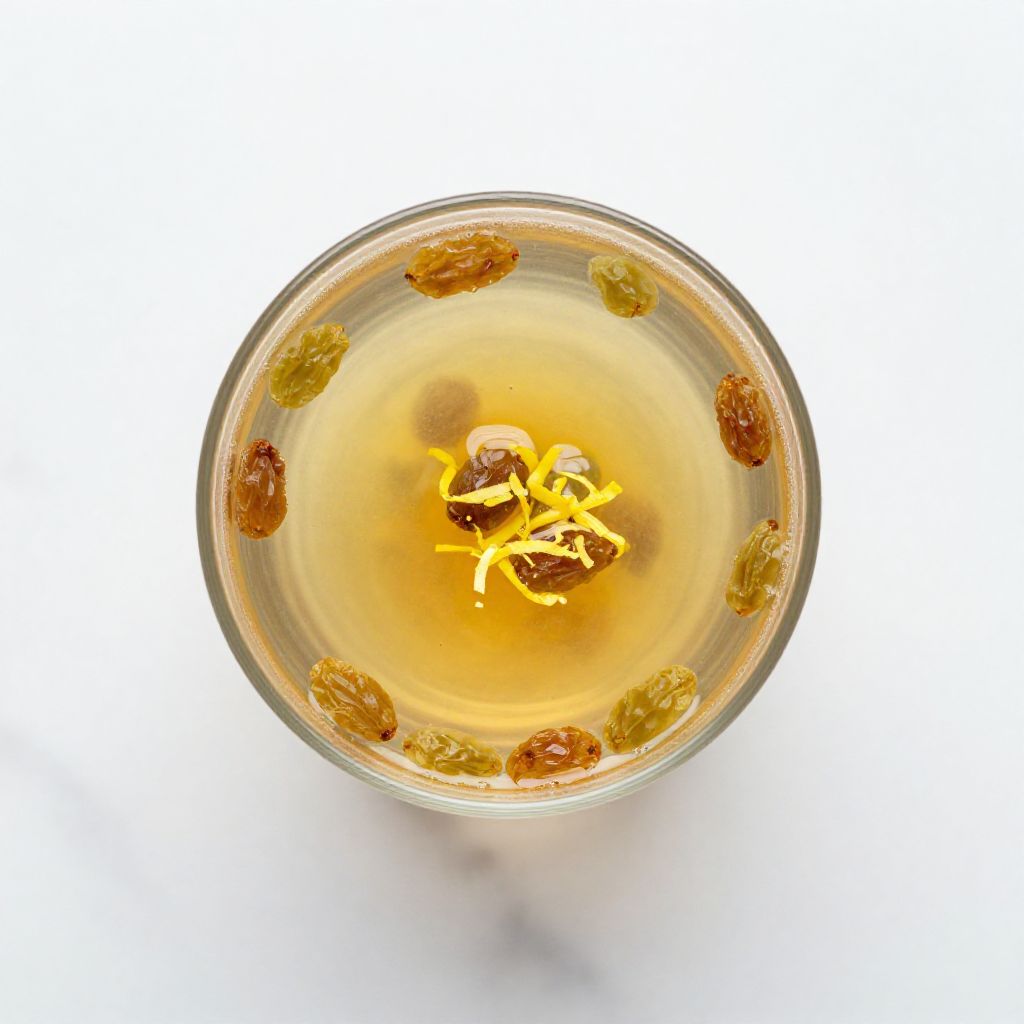
Once bubbly, strain into clean bottles designed for carbonated beverages. Leave the bottle manufacturer’s recommended headspace and add a few raisins if desired. Refrigerate promptly and chill for at least 2 hours before serving. Floating raisins are a traditional visual cue, not an alcohol or safety test.
Bottle Pressure and Alcohol: Read Before Making
Fermentation creates carbon dioxide and alcohol. Do not describe homemade sima as alcohol-free or assume that a short ferment makes it suitable for children or anyone avoiding alcohol. Its alcohol content is not measured here.
Use clean equipment and bottles made to hold carbonated drinks. Pressure can continue to build after bottling; ordinary decorative glass bottles are unsuitable. Refrigeration slows fermentation but does not make pressure monitoring unnecessary. Chill before opening and open cautiously away from your face. Floating raisins are a traditional visual cue, not a measurement of alcohol or a food-safety test.
For further bottling guidance, see Revolution Fermentation’s sima preparation and pressure guidance. For the role of sugar and yeast, see King Arthur Baking’s yeast reference.
Tips for the Best Sima
- Make sure the water is cool before adding yeast to keep it alive.
- Experiment with different citrus fruits for varied flavors.
- Store in a cool place to control fermentation speed.
- Make only as much as you can refrigerate promptly and serve within a week.
- Use a mix of white and brown sugar for a more complex flavor.
Common Mistakes to Avoid
- Not cooling the sugar water before adding yeast can kill it. Always let it cool down.
- Using too much yeast results in overly fizzy sima that can explode.
- Forget to strain the mixture? You’ll end up with bits of lemon in your drink.
- Leaving bottled sima unattended can allow excessive pressure to build. Monitor it and refrigerate promptly.
- Using bottles not designed for carbonated drinks creates an avoidable pressure hazard.
Serving Suggestions
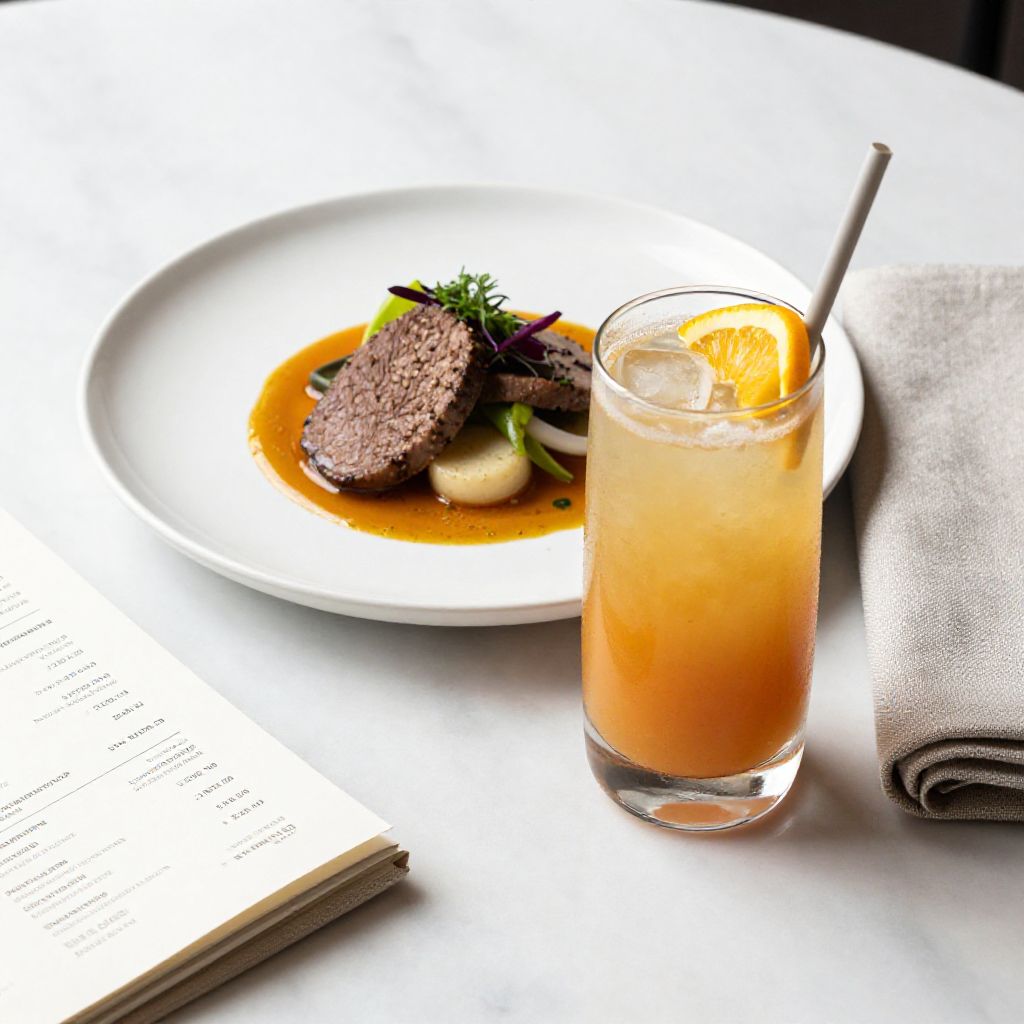
Sima is best enjoyed chilled and can be a refreshing addition to any meal. Here are some great pairings:
- Served ice-cold at summer barbecues.
- With light salads or picnic spreads.
- As a refreshing drink with pastries or dessert.
- Perfect alongside grilled foods to balance flavors.
- Great for toasting during celebrations.
Variations to Try
- Add mint leaves for a refreshing twist.
- Try ginger for a spicy kick that pairs well with the lemon.
- For a berry flavor, add a little berry syrup to an individual glass when serving rather than changing the fermentation mixture.
- Use lime juice for a zesty flavor shift.
- Infuse with herbal teas for unique flavor profiles.
Dietary Adaptations
- Gluten-free: This recipe is naturally gluten-free.
- Dairy-free: No dairy ingredients are used.
- Vegan: All plant-based ingredients make this suitable for vegans.
- Low-carb/keto: This recipe contains added sugar. Replacing it with a non-fermentable sweetener is not a reliable way to make this fermented recipe keto-friendly.
Refrigeration and Serving
After fermentation, refrigerate the bottled sima and chill for at least 2 hours before serving. Keep bottles upright, monitor pressure, and aim to consume within a week. Serve cold. Do not freeze sealed carbonated bottles.
A Note on Nutrition
Final sugar and alcohol content depend on fermentation and serving size. A verified nutrition analysis is not available for this batch, so a precise per-serving figure would be misleading.
Keeping a Simple Fermentation Record
Write down when you added the yeast, the room conditions and when the bottles entered the refrigerator. Fermentation is a biological process, so a clock alone does not tell you that two batches will behave identically. A warmer room, a different yeast product or a change in sugar can alter the pace. The useful record is what happened to this batch under its actual conditions.
Record the bottle type as well. A container intended for carbonated beverages has a different purpose from a decorative bottle or a jar used for still drinks. Follow the bottle manufacturer’s filling and pressure instructions. Keeping a record is helpful for planning, but it does not measure alcohol, prove that a bottle is safe or replace a reliable fermentation method.
Serving Sima With Clear Expectations
Tell guests that this is a fermented drink rather than describing it as ordinary lemonade. Yeast consumes sugar and can produce both carbon dioxide and alcohol, so the amount of sweetness is not a reliable indicator of alcohol content. Refrigeration slows activity; it does not undo fermentation that has already happened.
If someone needs a drink with no alcohol, offer an unfermented lemonade instead. Do not infer a precise alcohol percentage from the short fermentation time or from floating raisins. I suggest treating clear labeling as part of serving the drink, especially when several similar-looking lemon beverages are on the same table.
Changing Flavors Without Changing Everything at Once
Lemon zest provides a different part of the citrus character from lemon juice. Avoid taking thick strips of bitter white pith when preparing the zest. For a later batch with a different citrus flavor, record the change and keep the remaining measurements consistent; changing sugar, yeast and fruit together makes the result difficult to interpret.
Adding a different sweetener is more than a flavor adjustment. A nonfermentable sugar substitute cannot be assumed to feed yeast like the listed sugars. Likewise, sparkling water added to an unfermented mixture creates bubbles by a different method. It may be a pleasant drink, but it should not be described as the same fermented sima process.
Frequently Asked Questions
Can I Use Other Sweeteners Instead of Sugar?
Keep the white and brown sugar for this method. Sugar feeds fermentation as well as sweetening the drink, so a sugar-free sweetener is not an equivalent substitute.
Can I Make Sima Ahead of Time?
Absolutely! You can prepare it a few days in advance and keep it refrigerated.
How Should I Store Leftover Sima?
Store it in the refrigerator and consume within a week for the best taste.
Why Is My Sima Not Bubbling?
This could be due to the yeast being inactive or not enough sugar for fermentation.
Can I Use Sparkling Water in the Recipe?
Use still water for the recipe. Do not change the yeast quantity to compensate for sparkling water.
If you enjoyed this recipe, explore more beverage inspiration like a soju drink recipe or try making horchata syrup for a sweet twist!
Sima
Ingredients
Equipment
Method
- Bring 4 cups of water to a boil at 212°F.
- Remove from heat and stir in 1 cup sugar and 1/4 cup brown sugar until fully dissolved (about 5 minutes).
- Add juice and zest of 1 lemon and stir to combine.
- Let the mixture cool to room temperature (about 30 minutes) to avoid killing the yeast.
- Once cool, sprinkle in 1/4 teaspoon active dry yeast and stir gently.
- Add 4 cups of cold water to dilute and mix well.
- Cover the bowl with a cloth and ferment at room temperature for 24 to 48 hours, checking for bubbles.
- Strain into clean bottles designed for carbonated drinks. Leave the bottle manufacturer’s recommended headspace.
- Add a few raisins if desired. Floating raisins are a traditional visual cue, not a test of alcohol content or safety.
- Refrigerate promptly and chill for at least 2 hours before serving. Monitor bottle pressure, chill before opening, and open carefully away from your face.