
Nocino is an Italian liqueur made by infusing green walnuts in a spirit with sugar and spices. This vodka-based version requires about six weeks of infusion, so it is a project to plan well ahead of a dinner or gift date.
Why You’ll Love This Recipe
This nocino recipe is a treasure for those who love crafting their own beverages.
- Rich flavors from fresh walnuts create a unique taste.
- Perfect for gifting or enjoying at home.
- Simple ingredients make it easy to prepare.
- Versatile for cocktails or sipping on its own.
- Allows you to connect with Italian traditions.
Recipe Overview
- Recipe Name: Nocino
- Yield: 1 batch; final volume depends on straining
- Prep Time: 30 minutes
- Infusion Time: 6 weeks
- Total Time: 6 weeks 30 minutes
- Course: Beverage
- Cuisine: Italian
Equipment You Will Need
- Large jar with a tight lid
- Sharp knife
- Strainer or cheesecloth
- Funnel
- Bottle for storage
Ingredients for Nocino
- 12-15 green walnuts (unripe and still in their shells)
- 1 liter of vodka (or another neutral spirit)
- 300 grams of sugar
- 2-3 cinnamon sticks
- 5-6 whole cloves
- 1-2 star anise (optional)
- 1 lemon (zest only)
Ingredient Notes and Substitutions
- Green walnuts: They provide the distinctive flavor of nocino. Look for them when they are still green in late spring or early summer. Mature shelled walnuts are not an equivalent substitute for whole green walnuts.
- Vodka: A neutral spirit is ideal for this recipe. Use vodka for this version. High-proof grain alcohol changes the strength and is not a one-for-one substitution in a recipe designed for vodka.
- Sugar: Regular granulated sugar works best, but brown sugar can add a deeper flavor. Just note it may alter the color of the final product.
- Spices: Feel free to modify the spices to your taste. Nutmeg or allspice can also be delightful additions.
Selecting and Handling Green Walnuts
Choose whole unripe walnuts from an identified food source, with the green outer hull still intact. Their readiness depends on the growing season rather than a fixed date. The walnut needs to be tender enough to cut through; do not force a knife through a hardened shell.
Wear food-safe gloves and protect your work surface because green walnuts can stain skin and equipment. Use a stable cutting board and keep your supporting hand out of the cutting path. For practical handling notes, see David Lebovitz’s green walnut liqueur recipe; his formulation and infusion time differ from this version.
How to Make Nocino
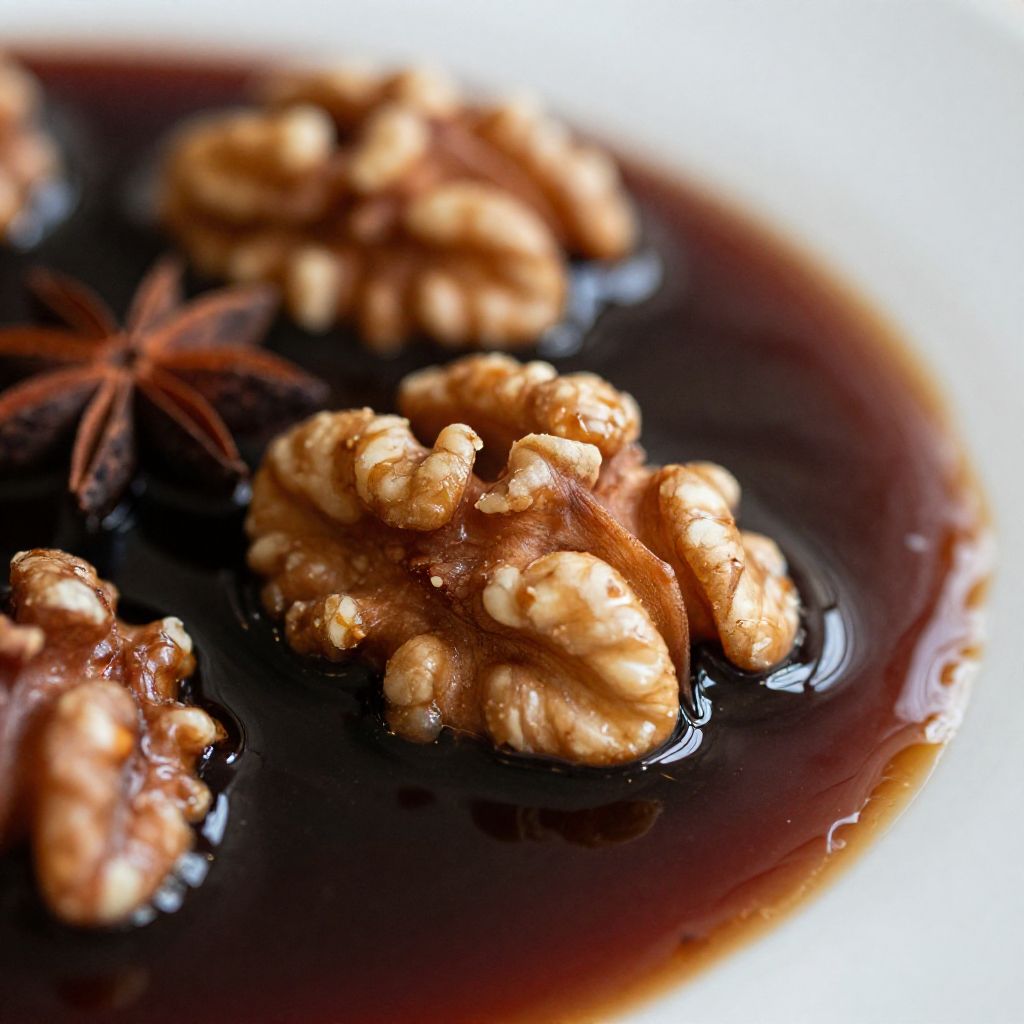
Step 1: Prepare the Walnuts
Start by carefully washing the green walnuts. This removes any dirt or impurities that could affect the flavor.
Step 2: Cut the Walnuts
Using a sharp knife, cut each walnut into quarters. This increases the surface area, allowing the flavors to infuse more deeply.
Step 3: Combine Ingredients
In a large jar, add the quartered walnuts, vodka, sugar, cinnamon sticks, cloves, star anise, and lemon zest. This mixture is where the magic begins.
Step 4: Seal the Jar
Seal the jar tightly to prevent air from entering. This keeps the infusion process clean and effective.
Step 5: Shake and Store
Shake the jar gently to help dissolve the sugar. Store it in a cool, dark place for about six weeks, shaking it occasionally.
Step 6: Strain the Mixture
After six weeks, strain the mixture through a fine strainer or cheesecloth into a clean bottle. This removes the solid pieces, leaving you with a smooth liqueur.
Step 7: Bottle the Nocino
Using a funnel, pour the strained nocino into a decorative bottle. This makes it look lovely for gifting or serving.
Step 8: Enjoy Responsibly
Your homemade nocino is ready to sip or use in cocktails. Enjoy the fruits of your labor, and share with friends!
Pro Tip: Allow your nocino to age for a few more weeks after bottling for an even richer flavor.
Tips for the Best Nocino
- Use only unripe walnuts for the best flavor and color.
- Shake the jar gently once a week to mix the ingredients well.
- Store in a cool, dark place to maintain quality.
- Experiment with additional spices for a personalized touch.
- Consider making a larger batch to enjoy throughout the year.
Common Mistakes to Avoid
- Using mature shelled walnuts instead of whole green walnuts changes the infusion. They are not interchangeable in this recipe.
- Not shaking the jar regularly can result in uneven flavor distribution.
- Skipping the straining step may leave unwanted particles in your liqueur.
- Using low-quality vodka can affect the final taste; choose a decent one.
Serving Suggestions
Nocino is delightful on its own, but it also pairs beautifully with various foods and drinks.
- Serve chilled as an after-dinner digestif.
- Mix into coffee for a delicious twist.
- Use in cocktails to add depth and complexity.
- Pair with desserts, especially chocolate or vanilla.
Variations to Try
- Add a splash of espresso for a caffeinated version.
- Incorporate vanilla beans for a sweeter note.
- Include fresh herbs like rosemary for an herbal twist.
- Experiment with different types of spirits for unique flavors.
Walnut Allergy and Dietary Notes
This drink is made with walnuts. Straining out the pieces does not turn it into a nut-free drink, so label it clearly when serving or gifting. It also contains alcohol and added sugar. Check the spirit and any substitutions for specific dietary requirements; a different sweetener changes the flavor and does not reproduce this formula.
Infusion Timeline and Bottling Checklist
- Preparation day: Wash and quarter the walnuts, measure the ingredients, and label the jar with the date.
- During the six-week infusion: Keep the jar sealed in a cool, dark location and shake gently occasionally, as directed in the recipe.
- At straining: Remove the solids, then filter through clean cheesecloth. If particles remain, filter again before bottling.
- After bottling: Label the bottle with the ingredients and bottling date. Any extra resting time after bottling is additional to the six-week infusion.
Use a clean bottle with a secure closure and store away from heat and direct sunlight. Serve in a small glass at room temperature or chilled. Heating and freezing are unnecessary for this liqueur.
Serving Size and Nutrition
The amount recovered after straining and the size of each pour affect the number of servings. Measure the final bottled volume if calculating servings or nutrition. This recipe does not provide a verified final alcohol percentage or a fixed per-serving nutrition value.
Planning the Batch From Harvest to Bottling
Start with the date when suitable green walnuts are available, not with the day you want to serve the liqueur. The six-week infusion means this project needs a calendar entry rather than a last-minute shopping trip. Record the start date on the jar and keep a separate note of the walnut count, vodka label and spices used.
The walnut count is a practical measure for this recipe, but walnuts differ in size. A useful batch record can include their approximate size and condition so you know what changed next time. Do not substitute mature shelled walnuts and expect the same liqueur: green walnuts are a distinct ingredient with their husks and developing shells.
Straining Without Guessing the Final Yield
Prepare a clean strainer, funnel and storage bottle before opening the infusion jar. Strain into a measuring jug if you want to know the final liquid volume. Some spirit remains with the walnut pieces and spices, so the finished amount will not necessarily equal the original liter plus every added ingredient.
Let the liquid drain patiently. A second pass through an appropriate fine filter can reduce sediment, but it cannot make the drink safe for a person with a walnut allergy. Label the finished bottle with the batch date and walnut ingredient. Straining is a texture step, not removal of the source of an allergen.
Serving and Gifting the Finished Liqueur
Start with a small pour when tasting the finished infusion because it is a spirit-based liqueur, not a soft drink. The recipe does not provide a measured final alcohol percentage; sugar, extraction and final yield make an exact claim inappropriate without analysis. Adding ice or a mixer changes the serving, not the alcohol already in the bottle.
I suggest attaching a short ingredient label when gifting nocino, particularly because the deep color does not tell a recipient that it contains walnuts. Include the fact that it is alcoholic and identify any optional spices you used. Avoid calling a homemade batch shelf-stable for a specific period unless that storage claim has been established for the actual formula.
Frequently Asked Questions
Can I Use Ripe Walnuts for Nocino?
Use whole unripe green walnuts for this recipe. Ripe shelled walnuts are a different ingredient and will not give an equivalent infusion.
Can I Make Nocino Ahead of Time?
Absolutely! Nocino improves with age, so making it a few months in advance is ideal.
How Should I Store My Nocino?
Keep your nocino in a cool, dark place or in the refrigerator for optimal flavor retention.
What If My Nocino Is Too Sweet?
If it’s too sweet, you can dilute it with a bit more vodka to balance the flavor.
Can I Use Other Spirits Instead of Vodka?
Another vodka of the same alcohol strength is the closest substitution. Higher-proof spirits need a separately formulated recipe.
Final Thoughts
This nocino recipe brings a slice of Italian tradition into your home and makes for a wonderful gift or personal treat. I encourage you to try it out and enjoy the unique flavors that come from your own creation.
If you want to explore more delicious homemade drinks, check out this creamsicle moonshine recipe or try your hand at this bourbon renewal recipe. Happy crafting!
Nocino
Ingredients
Equipment
Method
- Wash the green walnuts thoroughly to remove any dirt or impurities.
- Cut each walnut into quarters using a sharp knife to increase surface area for infusion.
- Place the quartered walnuts in a large jar and add 1 liter of vodka, 300 grams of sugar, cinnamon sticks, cloves, star anise, and lemon zest.
- Seal the jar tightly and shake gently to begin dissolving the sugar.
- Store the jar in a cool, dark place for 6 weeks, shaking gently once a week.
- After 6 weeks, strain the mixture through a fine strainer or cheesecloth into a clean container to remove solids.
- Use a funnel to pour the strained nocino into a decorative bottle for storage.
- Allow the bottled nocino to age for an additional few weeks if desired before serving.
- Serve the nocino chilled or at room temperature as an after-dinner digestif or mix into cocktails.