
There’s something almost magical about steeping fresh rosemary in hot water and watching the kitchen fill with that herbaceous, piney aroma. Rosemary tea is one of those simple pleasures that feels both nourishing and luxurious, like you’re doing something genuinely good for yourself without any fuss.
This recipe delivers a clean, slightly woodsy tea that works perfectly as a morning ritual, an afternoon pick-me-up, or a soothing wind-down drink depending on how you approach it. What makes it truly special is how adaptable it is: serve it hot on cold days, chill it for summer refreshment, or add honey and lemon to transform it into something that tastes like comfort in a cup.
Whether you’re looking to harness the focus-boosting properties of rosemary or simply want a caffeine-free beverage that tastes remarkable, this guide walks you through every detail. Let’s brew something worth your time.
Why You’ll Love This Recipe
Rosemary tea checks every box for a modern home beverage: it’s simple, healthy, and tastes genuinely delicious without any pretension.
- Naturally caffeine-free yet energizing, thanks to rosemary’s natural compounds
- Takes just 5 minutes from kettle to cup, perfect for busy mornings
- Works hot or cold, making it a year-round staple you’ll actually reach for
- Budget-friendly when you use fresh rosemary from your garden or a local market
- No strange ingredients or complicated techniques, just herb and water
My Experience Making This Recipe
I stumbled onto rosemary tea by accident during a trip to Tuscany, where locals casually sipped it between meals as if it were the most natural thing in the world. When I came home and tried recreating it, I was shocked by how difficult it felt to get the balance right: too much rosemary made it taste medicinal, while too little left it flat and forgettable.
After several batches and some honest mistakes, I found the sweet spot and haven’t looked back. The first time I served it to friends at a Sunday brunch, they asked for the recipe before even finishing their cups, which told me everything I needed to know about whether it was worth sharing.
Now I keep dried rosemary on hand specifically for this, and I often make a large batch to keep in the refrigerator for the week. It’s become my go-to drink when I need clarity, and honestly, it tastes far better than anything I can order at a cafe.
Recipe Overview
- Recipe Name: Rosemary Tea
- Servings: 1 cup
- Prep Time: 2 minutes
- Cook Time: 5 minutes
- Total Time: 7 minutes
- Course: Beverage
- Cuisine: Mediterranean
- Calories per Serving: 5
Equipment You Will Need
- Electric kettle or stovetop kettle
- 8-ounce mug or tea cup
- Teaspoon for measuring
- Spoon for stirring
- Tea infuser or small mesh strainer
- Optional: thermometer to check water temperature
Ingredients for Rosemary Tea
- Fresh rosemary sprigs (or 1 teaspoon dried rosemary), about 2 to 3 inches long
- Filtered water, 8 ounces (1 cup)
- Honey (optional, to taste)
- Fresh lemon juice (optional, 1 teaspoon)
- Sea salt (optional, tiny pinch to enhance flavor)
Ingredient Notes and Substitutions
- Fresh rosemary sprigs: Fresh rosemary delivers the most vibrant, aromatic flavor and contains the highest concentration of beneficial oils. If fresh isn’t available, dried rosemary works beautifully and stays potent for months when stored in an airtight container away from light.
- Filtered water: High-quality water makes a noticeable difference in the final taste, preventing off-flavors from chlorine or other tap water impurities. Regular tap water works fine if that’s what you have, though the tea may taste slightly flatter.
- Honey: Raw honey adds gentle sweetness and its own subtle floral notes that complement rosemary perfectly. Maple syrup or agave work equally well if you prefer different flavor profiles or need a vegan option.
- Fresh lemon juice: Lemon brightens the tea and adds vitamin C that helps with the absorption of rosemary’s beneficial compounds. Lime juice or a thin slice of fresh ginger can replace lemon if that’s your preference.
- Sea salt: A tiny pinch of salt actually heightens the rosemary flavor without making the tea taste salty, similar to how salt enhances coffee. You can skip this entirely if you prefer to keep the recipe minimal.
How to Make Rosemary Tea
Step 1: Rinse Your Rosemary
Gently rinse your fresh rosemary sprigs under cool running water and pat them dry with a clean kitchen towel. This removes any dust or debris while keeping the delicate oils intact.
Step 2: Heat Your Water
Fill your kettle with 8 ounces of filtered water and bring it to a boil, then let it cool for about 30 seconds so the temperature drops to around 200 to 205 degrees Fahrenheit. Boiling water can scald delicate rosemary leaves and make the tea taste bitter, so this brief cooling step matters more than you’d think.
Step 3: Prepare Your Mug and Infuser
Place your rosemary sprigs into a tea infuser or directly into your mug if you’re comfortable fishing out the leaves later. Having everything ready before the water is hot ensures you don’t waste any heat or aromatics.
Step 4: Pour the Water
Slowly pour the hot water over your rosemary, filling the mug almost to the top. The steam that rises will release the full herbaceous aroma, and you’ll immediately know you’re making something special.
Step 5: Let It Steep
Allow the rosemary to steep for 4 to 5 minutes, depending on how strong you like your tea. Start with 4 minutes if this is your first batch, then adjust the timing next time based on your preference.
Step 6: Check the Color
The water should transform into a pale golden or greenish hue once the rosemary has finished steeping. If it’s still mostly clear, give it another minute before proceeding.
Step 7: Remove the Rosemary
Carefully lift out the infuser or strain the tea through a fine mesh strainer into a clean cup, leaving all the leaves behind. This prevents over-steeping and keeps your final drink smooth.
Step 8: Taste and Adjust
Take a sip of your plain rosemary tea first to appreciate its natural flavor before adding anything. Once you’ve tasted it, stir in honey, lemon juice, or that tiny pinch of salt if you’d like to personalize it.
Pro Tip: If you’re making rosemary tea regularly, prepare it in a small glass jar and keep it in the refrigerator for up to three days, then gently reheat or serve cold with ice as needed.
Tips for the Best Rosemary Tea
- Use young, tender rosemary if possible, as it has more delicate flavor than woody older sprigs. If you’re harvesting from a plant, pinch from the newest growth at the branch tips.
- Don’t crush or bruise the rosemary before steeping, as this can release too many oils and make the tea taste harsh. Gentle handling preserves the balanced flavor you’re after.
- Store dried rosemary in a cool, dark cupboard rather than above the stove where heat degrades its potency. Dried rosemary stays fresh and flavorful for up to a year when stored properly.
- Experiment with steep time based on the time of day and what you’re using the tea for. Shorter steeps give you a lighter, more refreshing drink, while longer steeps create something with deeper herbal intensity.
- Consider making a batch of infused water by steeping rosemary in cool water overnight in the refrigerator for a gentler, more subtle flavor. This cold infusion method brings out different flavor notes than hot steeping.
- Add a small cinnamon stick or star anise to your infuser alongside the rosemary for warm spice notes that make the tea feel more decadent without overwhelming it.
Common Mistakes to Avoid
- Using water that’s too hot will scald the rosemary and create a bitter, unpleasant taste that no amount of honey can fix. Always let your water cool for at least 30 seconds after boiling.
- Steeping for too long, past the 5 or 6 minute mark, extracts overly strong compounds that make the tea taste medicinal or harsh. Set a timer if you tend to forget about your mug.
- Crushing or tearing the rosemary before steeping releases too many oils at once, overwhelming your palate. Keep the sprigs whole or just gently break them apart with your fingers.
- Using old, dried rosemary that’s been sitting open in your cupboard for months will taste stale and lose its aromatic punch. Replace dried herbs every 6 to 8 months for best results.
- Forgetting to rinse fresh rosemary means you might end up with dust or soil particles floating in your tea. A quick rinse takes 10 seconds and makes a real difference.
Serving Suggestions
Rosemary tea shines on its own, but pairing it with the right foods or serving it at the right moment elevates the entire experience. Think of it as flexible enough to accompany a quiet morning reading session or a sophisticated evening gathering.
- Serve it hot with butter cookies or shortbread in the afternoon for a gentle, European-style moment
- Pour it over ice with a sprig of fresh rosemary as a refreshing summer aperitif before dinner
- Pair it with light salads or vegetable appetizers at a brunch to complement rather than overpower other flavors
- Enjoy it first thing in the morning as a ritual drink to set your intention for the day
- Serve it in small teacups after dinner as a sophisticated herbal digestif in place of coffee
Variations to Try
- Honey and Lavender Rosemary Tea: Add a small pinch of dried culinary lavender to your rosemary infuser for floral sweetness that softens the herb’s intensity. This combination tastes almost dessert-like and works beautifully with honey.
- Citrus Rosemary Tea: Include a thin slice of fresh orange or lemon in the infuser alongside your rosemary for bright, zesty flavor. The citrus oils complement rosemary’s piney notes perfectly and add natural vitamin C.
- Spiced Rosemary Tea: Add a small cinnamon stick, two or three whole cloves, and a thin slice of fresh ginger to create a warming, chai-like version. This variation tastes wonderful cold or hot and feels luxurious with a splash of milk.
- Minty Rosemary Tea: Combine fresh rosemary with a few fresh mint leaves for a cooler, more refreshing flavor profile. This pairing works particularly well served iced on hot summer days.
- Apple and Rosemary Tea: Steep a thin slice of fresh apple alongside your rosemary for subtle sweetness and gentle tartness. This creates a more complex flavor than plain rosemary without needing added sweeteners.
Dietary Adaptations
- Gluten-Free: Rosemary tea is naturally gluten-free as long as you use pure dried rosemary or fresh sprigs with no additives. All suggested pairings and variations are inherently gluten-free as well.
- Dairy-Free: This recipe contains no dairy, though you can add plant-based milk like oat or almond milk if you want a creamier version. The trade-off is that milk softens the rosemary’s bold flavor slightly.
- Vegan: Rosemary tea is completely vegan, and any sweetener you choose (honey, maple syrup, agave) can be swapped to fit vegan preferences. Use maple syrup or agave instead of honey for a fully plant-based drink.
- Low-Carb and Keto: This tea contains virtually no carbohydrates and is excellent for keto diets, though skip any honey and use erythritol or stevia if you want added sweetness. The tea itself is perfectly compatible with low-carb eating.
Storage and Reheating
Refrigerator
Store cooled rosemary tea in a glass container with a tight-fitting lid for up to three days. The flavor remains fresh and herbaceous during this time, making it perfect for preparing a batch at the start of the week.
- Keep the container away from strong-smelling foods that might transfer flavor
- Strain out any rosemary pieces before storing to prevent over-steeping
- Serve chilled straight from the fridge or gently reheated in a small saucepan
Freezer
Rosemary tea doesn’t freeze particularly well because the delicate herbal flavor and aroma diminish significantly in the freezer. For best results, stick to refrigerator storage or simply brew fresh tea as needed.
- If you must freeze it, pour into ice cube trays and use the cubes in other beverages or smoothies
- Frozen cubes last up to one month but lose aromatic quality quickly
Reheating
Gently warm refrigerated rosemary tea in a small saucepan over low heat or in the microwave for 30 to 45 seconds until steaming. Avoid boiling it a second time, which further dulls the fresh rosemary flavor.
- Pour from the saucepan into your mug slowly to preserve the aroma
- Microwave in a mug-safe container and stop before it reaches a rolling boil
- Stir gently before drinking to ensure even temperature throughout
Nutrition Information
| Nutrient | Amount |
|---|---|
| Calories | 5 |
| Total Fat | 0g |
| Saturated Fat | 0g |
| Carbohydrates | 1g |
| Fiber | 0g |
| Sugar | 0g |
| Protein | 0g |
| Sodium | 2mg |
| Cholesterol | 0mg |
These values represent plain rosemary tea without added honey, lemon, or other sweeteners. Adding honey or other toppings will increase the calorie and carbohydrate content accordingly.
Frequently Asked Questions
Can I use rosemary from my garden?
Yes, absolutely, as long as you haven’t sprayed it with pesticides and you rinse it thoroughly before use. Fresh garden rosemary often tastes more vibrant than store-bought varieties because it hasn’t been sitting in packaging.
How much rosemary should I use if I prefer a milder flavor?
Start with just one small sprig instead of two or three, and reduce the steep time to three minutes. You can always add more rosemary next time if the flavor is too subtle.
Is rosemary tea safe to drink every day?
Rosemary tea is generally safe for daily consumption, though you should limit it to one or two cups per day if you’re pregnant or nursing. If you have any health concerns, consult your doctor before making it a daily habit.
Why does my rosemary tea taste bitter?
Bitterness usually comes from water that was too hot or a steep time that was too long, both of which over-extract harsh compounds. Try letting your water cool slightly longer and reducing your steep time by a minute.
Can I make rosemary tea with dried rosemary from the spice aisle?
Yes, dried rosemary from the spice aisle works perfectly fine, though you’ll need only about one teaspoon for an 8-ounce cup. Dried rosemary is more concentrated than fresh, so start with less and adjust to your taste.
What’s the best time of day to drink rosemary tea?
Most people find rosemary tea works best in the morning or early afternoon because its mild natural stimulants can interfere with sleep if consumed too late. However, some people find it calming in the evening, so listen to your own body’s response.
Can I add milk to rosemary tea?
Absolutely, though adding dairy or plant-based milk softens the sharp rosemary flavor and creates a creamier, more comforting drink. Oat milk pairs particularly well with rosemary’s herbal notes.
Final Thoughts
Rosemary tea might sound simple, but it’s one of those recipes that rewards your attention with genuine satisfaction. The beauty lies in its simplicity: just two or three quality ingredients and a few minutes of your time, and you’ve created something that tastes like you’ve worked much harder than you actually have.
Make this tea once and you’ll likely return to it again and again, maybe tweaking it slightly each time until you’ve found your perfect version. Whether you’re seeking a moment of calm or a natural energy boost, this beverage delivers both without any complicated steps or mysterious ingredients.
Explore More Herbal Tea Recipes
Once you’ve mastered rosemary tea, there’s a whole world of herbal infusions waiting for you to explore. Check out our lymphatic drainage tea recipe for a wellness-focused blend, or discover the rich earthiness of our chaga tea recipe for something completely different. Each brings its own flavor profile and health benefits to your daily routine.
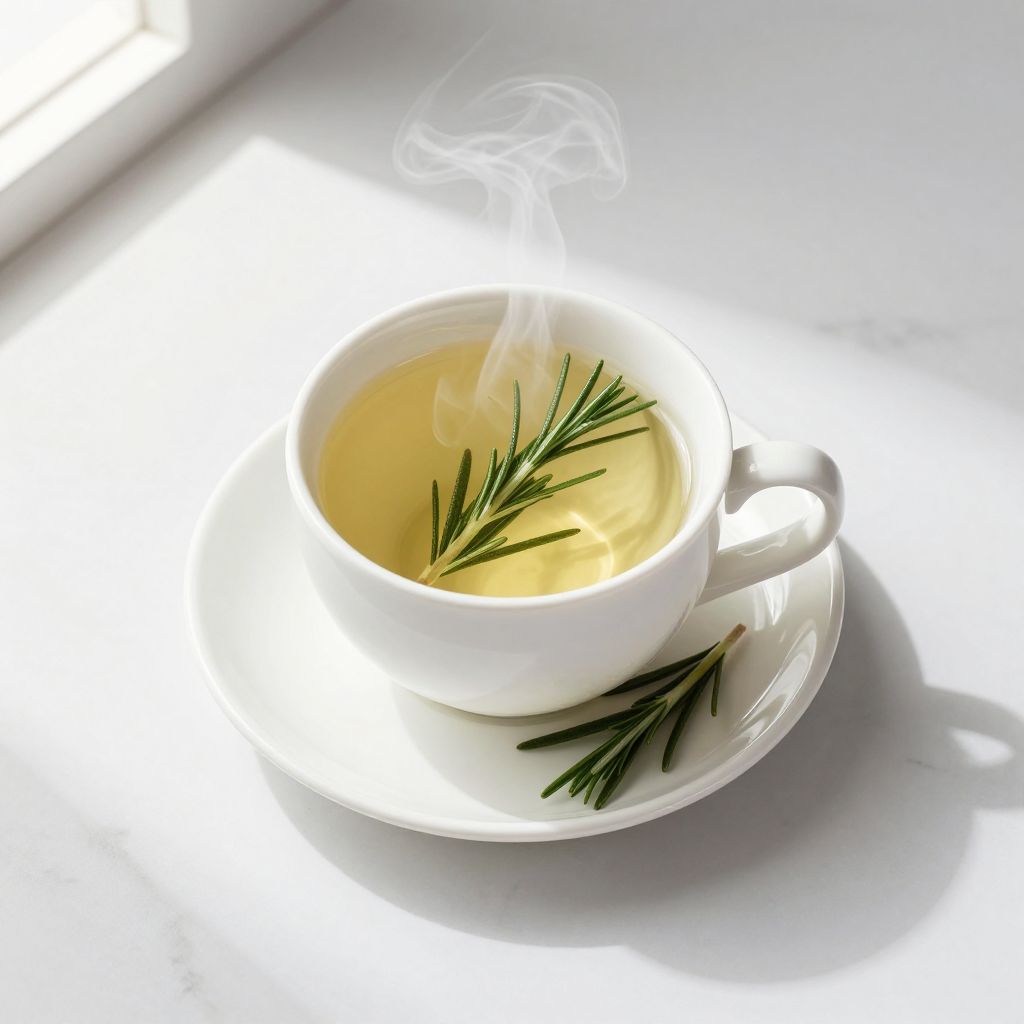
Rosemary Tea
Ingredients
Equipment
Method
- Rinse fresh rosemary sprigs under cool running water and pat dry.
- Fill kettle with 8 ounces of filtered water and bring to a boil, then let cool for 30 seconds until 200-205°F.
- Place rosemary sprigs into a tea infuser or directly into your mug.
- Slowly pour hot water over the rosemary, filling the mug.
- Allow the rosemary to steep for 4 to 5 minutes, depending on desired strength.
- Remove the infuser or strain the tea into a clean cup to separate the leaves.
- Taste the tea plain, then stir in honey, lemon juice, or a pinch of sea salt if desired.