
Picture a warm summer evening, the air fragrant with ripe plums and the promise of something special. Making your own Plum Wine is not just a delightful project; it’s a way to capture the essence of those juicy fruits and transform them into a smooth, aromatic drink that’s perfect for sharing with friends or enjoying by yourself after a long day.
Why You’ll Love This Recipe
This recipe for Plum Wine is a delightful blend of sweetness and acidity. It’s easy to make and gives you a rewarding taste of homemade goodness.
- Captures the flavor of fresh plums.
- Simple fermentation process.
- Perfect for sipping or using in cocktails.
- Customizable sweetness to suit your palate.
- Great for gifts or special occasions.
My Experience Making This Recipe
I remember the first time I made this wine; the kitchen was filled with the sweet scent of plums simmering on the stove. Each step felt like a small celebration, and by the end, I had a glorious bottle of homemade wine that made all the waiting worthwhile.
When I finally poured the first glass, I was amazed by the rich color and inviting aroma. It was a hit at our summer barbecue, with everyone wanting to know my secret. Spoiler alert: there is none!
Recipe Overview
- Recipe Name: Plum Wine
- Servings: Approximately 4 bottles
- Prep Time: 30 minutes
- Cook Time: 30 minutes
- Total Time: 6 weeks (including fermentation)
- Course: Beverage
- Cuisine: British
- Calories per Serving: Approximately 150
Equipment You Will Need
- Large pot for boiling
- Fermentation vessel (glass or food-grade plastic)
- Airlock
- Strainer or cheesecloth
- Bottles for storage
- Measuring cups and spoons
Ingredients for Plum Wine
- 2 kg ripe plums, washed and pitted
- 1.5 kg sugar
- 4 liters water
- 1 tsp citric acid
- 1 tsp yeast (wine or champagne yeast)
Ingredient Notes and Substitutions
- Plums: They provide the base flavor. You can substitute with other stone fruits like cherries.
- Sugar: Needed for fermentation. Honey can be used, but it will change the flavor profile.
- Water: Serves as the base. Use filtered water for the best results.
- Citric Acid: Balances sweetness and acidity. Lemon juice can work in a pinch.
- Yeast: Essential for fermentation. Bread yeast can be used but may not produce the same flavor.
How to Make Plum Wine
Step 1: Prepare the Plums
Wash and pit the plums, then chop them into smaller pieces. This helps to release their juices more easily during the cooking process.
Step 2: Cook the Plums
Place the chopped plums in a large pot and add water. Bring this mixture to a boil, then reduce to a simmer for about 30 minutes, stirring occasionally.
Step 3: Strain the Mixture
After simmering, strain the mixture through a cheesecloth or fine strainer into a fermentation vessel. This removes the solid bits and leaves you with a beautiful plum juice.
Step 4: Add Sugar and Citric Acid
Stir in the sugar and citric acid until fully dissolved. This step is crucial as the sugar is what the yeast will consume to create alcohol.
Step 5: Cool the Mixture
Allow the mixture to cool to room temperature. Adding yeast to a hot mixture can kill it, so patience is key here.
Step 6: Add Yeast
Once cooled, sprinkle the yeast over the top and stir gently. This activates the fermentation process, turning sugar into alcohol.
Step 7: Seal and Ferment
Seal the fermentation vessel with an airlock. This allows gases to escape while preventing contaminants from entering. Place it in a cool, dark place for about 4 to 6 weeks.
Step 8: Bottle the Wine
Once fermentation is complete, carefully siphon the wine into clean bottles, leaving sediment behind. Seal the bottles and let them age for a few more weeks for improved flavor.
Pro Tip: Be patient! The longer you let it age, the smoother and more complex the flavors will develop.
Tips for the Best Plum Wine
- Use ripe, flavorful plums for the best taste.
- Ensure all equipment is sanitized to avoid unwanted bacteria.
- Experiment with different types of sugar for unique flavors.
- Keep the fermentation temperature consistent for optimal results.
- Label your bottles with the date for easy tracking.
Common Mistakes to Avoid
- Not sanitizing equipment: This can lead to spoiled wine.
- Using unripe fruit: It will result in a less flavorful wine.
- Skipping the airlock: This is crucial for a successful fermentation.
- Rushing the fermentation: Good things take time, including wine.
- Not tasting along the way: This helps you adjust sweetness and flavor.
Serving Suggestions
This Plum Wine pairs wonderfully with a variety of dishes and occasions.
- Serve chilled as a refreshing summer drink.
- Pair with grilled meats for a lovely contrast.
- Enjoy alongside cheese platters for a gourmet touch.
- Use in cocktails, mixing with soda or tonic water.
- Perfect for toasting at celebrations.
Variations to Try
- Add spices like cinnamon or cloves for a warm, spiced version.
- Mix with other fruits such as cherries or apricots for a unique blend.
- Use different types of sugars to change the sweetness level.
- Incorporate herbs like basil or mint for an herbal twist.
- Experiment with aging in oak barrels for added complexity.
Dietary Adaptations
- Gluten-free: Naturally gluten-free as all ingredients are safe.
- Dairy-free: No dairy ingredients are used.
- Vegan: This recipe contains no animal products.
- Low-carb: Consider reducing sugar, but this impacts fermentation.
Storage and Reheating
Refrigerator
Store opened bottles in the refrigerator to maintain freshness.
- Best consumed within 2 weeks after opening.
- Seal tightly to prevent oxidation.
Freezer
Wine can be frozen in ice cube trays for future use in cocktails.
- Use within 6 months for best quality.
- Thaw in the refrigerator before use.
Reheating
Wine is best enjoyed chilled and should not be reheated.
- Try warming it gently with spices for a mulled wine alternative.
Nutrition Information
| Nutrient | Amount |
|---|---|
| Calories | 150 |
| Total Fat | 0 g |
| Saturated Fat | 0 g |
| Carbohydrates | 15 g |
| Fiber | 0 g |
| Sugar | 15 g |
| Protein | 0 g |
| Sodium | 0 mg |
| Cholesterol | 0 mg |
This information is an estimate and can vary based on ingredients used.
Frequently Asked Questions
Can I use frozen plums?
Yes, frozen plums can work well, but thaw them first to release their juices.
How long should I let the wine ferment?
Typically, you should let it ferment for 4 to 6 weeks, but taste testing is key.
What if my wine is too sweet?
If it’s too sweet, consider adding more acidity or letting it ferment longer.
Can I make this ahead of time?
Absolutely! Homemade wine improves with time, so feel free to prepare it months in advance.
Is there a way to speed up fermentation?
While you can warm the fermentation area, patience is important for the best flavor.
Final Thoughts
Making your own Plum Wine is a rewarding experience that gives you a taste of summer all year round. With just a few ingredients and a bit of patience, you can create a delightful beverage that’s sure to impress.
So, gather those plums and get started. You might just become the go-to wine maker in your circle.
If you enjoyed this recipe, explore more delightful drinks like plum liqueur or try your hand at a fresh strawberry wine recipe!
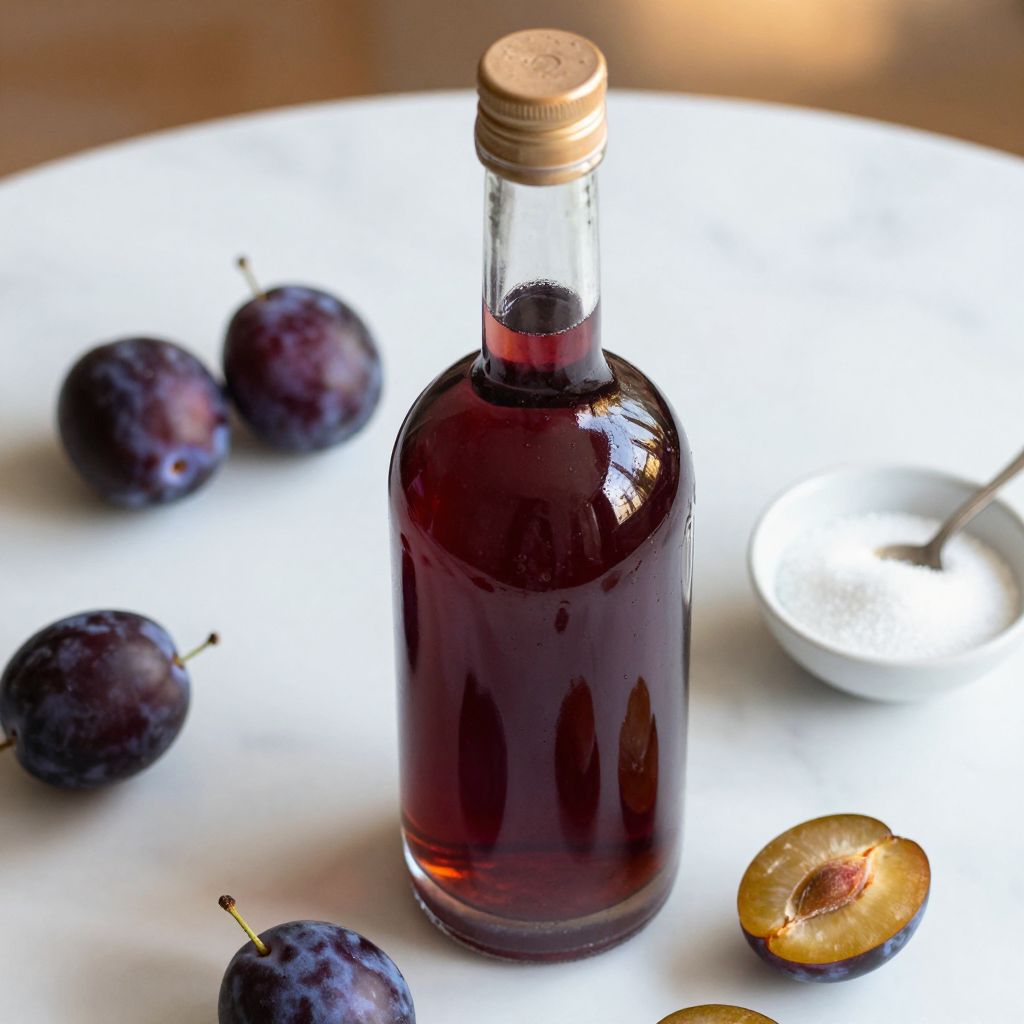
Plum Wine
Ingredients
Equipment
Method
- Wash and pit the plums, then chop them into smaller pieces.
- Place the chopped plums in a large pot and add water.
- Bring this mixture to a boil, then reduce to a simmer for about 30 minutes, stirring occasionally.
- After simmering, strain the mixture through a cheesecloth or fine strainer into a fermentation vessel.
- Stir in the sugar and citric acid until fully dissolved.
- Allow the mixture to cool to room temperature.
- Once cooled, sprinkle the yeast over the top and stir gently.
- Seal the fermentation vessel with an airlock.
- Place it in a cool, dark place for about 4 to 6 weeks.
- Once fermentation is complete, carefully siphon the wine into clean bottles.
- Seal the bottles and let them age for a few more weeks for improved flavor.