
That first sip of a warm oat milk latte on a quiet morning hits different when you’ve made it yourself at home. There’s something deeply satisfying about crafting a café-quality drink in your own kitchen, especially when you can control every ingredient and dial in the flavors exactly how you like them.
This recipe is special because it bridges the gap between convenience and quality, giving you a creamy, smooth latte without the dairy or the price tag of a daily coffee shop habit. The oat milk creates a naturally sweet, velvety texture that froths beautifully and complements espresso in ways that feel genuinely luxurious.
Whether you’re dairy-free, lactose-sensitive, or simply exploring plant-based alternatives, this latte delivers the comfort and richness you crave. Let’s make one together.
Why You’ll Love This Recipe
A oat milk latte at home gives you café-quality results for a fraction of the cost, and you’ll know exactly what’s in every sip. The creamy, naturally sweet flavor of oat milk pairs beautifully with espresso and froths like a dream.
- Ready in under 5 minutes with minimal cleanup.
- Naturally dairy-free, vegan, and gentle on sensitive stomachs.
- Customizable temperature, strength, and milk ratio to your taste.
- Oat milk froths gorgeously without special additives or barista skills.
- Perfect for busy mornings or a cozy afternoon pause.
My Experience Making This Recipe
I switched to oat milk lattes about two years ago after a friend raved about them, and honestly, I was skeptical at first. But the moment I steamed that first carton of oat milk, I understood the hype: the milk created a thick, luxurious microfoam without any weird grainy texture or thin, watery feel.
What surprised me most was how the natural sweetness of oat milk meant I rarely needed to add sugar or syrups. The coffee-to-milk balance felt more balanced and less harsh than my usual dairy routine, and my stomach felt better throughout the day.
Now I make these almost every morning, and I’ve gotten my partner and roommates hooked too. The ritual of steaming the milk, watching it swirl into the espresso, and settling into that first quiet moment before the day starts has become non-negotiable for me.
Recipe Overview
- Recipe Name: Oat Milk Latte
- Servings: 1
- Prep Time: 1 minute
- Cook Time: 3 minutes
- Total Time: 4 minutes
- Course: Beverage
- Cuisine: Café-style
- Calories per Serving: 130
Equipment You Will Need
- Espresso machine with a steam wand (or stovetop moka pot as backup).
- Milk pitcher (stainless steel 12-ounce recommended for easy handling).
- Coffee mug or latte cup (8-12 ounces).
- Digital or analog kitchen thermometer (optional but helpful).
- Small spoon for stirring (optional).
Ingredients for Oat Milk Latte
- Espresso: 1-2 shots (1.5-2 ounces), freshly pulled.
- Oat milk: 8-10 ounces, cold or at room temperature.
- Sweetener (optional): 0.5-1 teaspoon honey, maple syrup, or agave.
- Pinch of sea salt (optional): to enhance sweetness and balance bitterness.
Ingredient Notes and Substitutions
- Espresso: Freshly pulled shots deliver bold, balanced flavor and proper crema. If you don’t have an espresso machine, use 2-3 tablespoons of very strong brewed coffee or espresso powder mixed with hot water.
- Oat milk: Barista-blend oat milk froths more reliably than regular because it contains added stabilizers. Regular oat milk works but may produce looser foam; try brands like Oatly, Elmhurst, or Minor Figures.
- Sweetener: Oat milk is naturally sweet, so you may need less than with dairy milk. Maple syrup or honey dissolve faster and taste smoother than granulated sugar.
- Sea salt: A tiny pinch cuts acidity and draws out sweetness without tasting salty. Skip it if you prefer a cleaner, simpler profile.
How to Make Oat Milk Latte
Step 1: Pull Your Espresso Shots
Grind your beans to a fine consistency and load your espresso portafilter, distributing the grounds evenly for consistent extraction. Pull 1-2 shots into your mug, aiming for a bold, crema-topped shot rather than a weak, thin one.
Step 2: Pour Oat Milk Into Your Pitcher
Pour 8-10 ounces of cold oat milk into a stainless steel pitcher, filling it no more than halfway to allow room for foam expansion. Cold milk froths better than warm milk, so always start with refrigerated oat milk straight from the carton.
Step 3: Insert the Steam Wand
Position the steam wand just below the surface of the milk, angling the pitcher so the milk begins to swirl. The swirling motion breaks down larger bubbles into smaller ones, creating silky microfoam instead of large, airy bubbles.
Step 4: Introduce Air to the Milk
Keep the steam wand tip just below the surface for 2-3 seconds, listening for a gentle hissing sound as air enters the milk. This creates the initial foam layer; if you plunge too deep too soon, you’ll get a bubbly, oversized foam that tastes thin and separates easily.
Step 5: Submerge and Steam
Once you’ve created a thin layer of foam, push the steam wand deeper into the milk, keeping the pitcher at a slight angle to maintain that swirl. Steam until the milk reaches 150-155 degrees Fahrenheit (65-68 Celsius), which usually takes 30-45 seconds depending on your machine.
Step 6: Turn Off the Steam and Tap the Pitcher
Switch off the steam and remove the pitcher from the wand immediately to stop the heating process. Tap the pitcher gently on the counter once or twice to break up any large bubbles and help the foam integrate smoothly with the steamed milk.
Step 7: Pour the Milk Into Your Espresso
Hold the espresso cup at a slight angle and pour the milk in a slow, steady stream, keeping the foam back with a spoon at first. Once the cup is about two-thirds full, pour faster and let the remaining foam crown the top, creating that signature latte look.
Step 8: Add Optional Sweetener and Sip
If you’re using honey, maple syrup, or a pinch of salt, stir it in quickly while the drink is still hot so it dissolves completely. Sip immediately while the latte is at peak temperature and the foam is velvety.
Pro Tip: Oat milk separates quickly when overheated, so aim for 150-155 degrees Fahrenheit and avoid letting steam damage the milk’s proteins.
Tips for the Best Oat Milk Latte
- Always use barista-blend oat milk if you can find it; the added stabilizers make a huge difference in foam quality and texture consistency.
- Keep your espresso machine’s steam wand clean before and after each use to prevent milk buildup, which affects steam power and flavor.
- Cold milk froths better than warm milk, so pull your shots first and then froth your milk while the espresso is still hot and waiting in the cup.
- Pour slowly at first when combining espresso and frothed milk to prevent the hot espresso from scalding the foam; this keeps your texture smooth.
- If your oat milk isn’t frothing well, try shaking the carton gently before opening it to redistribute the stabilizers that may have settled.
- Experiment with your milk-to-espresso ratio to find your sweet spot; some people love a strong 1:1 ratio, while others prefer a milkier 1:3 or 1:4 ratio.
Common Mistakes to Avoid
- Overheating the milk past 160 degrees Fahrenheit causes the proteins to break down, resulting in a thin, watery texture and slightly burnt flavor.
- Plunging the steam wand too deep too fast creates giant bubbles instead of silky microfoam, leaving your drink tasting airy and thin.
- Using regular oat milk instead of barista-blend often results in poor foam that’s bubbly, loose, and separates immediately from the steamed milk.
- Waiting too long after steaming to pour the milk allows the temperature to drop and the foam to collapse, leaving you with a flat, disappointing latte.
- Pulling weak, under-extracted espresso shots makes the drink taste thin and acidic, no matter how perfect your milk technique is.
Serving Suggestions
A oat milk latte shines on its own, but you can build a whole moment around it with the right accompaniments. Pair it with pastries, toast, or breakfast items to round out your morning ritual.
- Buttery croissant or pain au chocolat for a classic café pairing.
- Thick toast with almond butter and sliced banana for a protein-packed breakfast.
- Blueberry muffin or banana bread for a sweet, comforting combo.
- Savory scone with cream cheese or avocado for a balanced brunch moment.
- A simple bowl of granola and yogurt for a lighter, complete breakfast.
Variations to Try
- Vanilla Oat Milk Latte: Add 0.5 teaspoon of vanilla extract or a vanilla syrup to the espresso before steaming the milk for a sweeter, more aromatic drink.
- Cinnamon Oat Milk Latte: Sprinkle a light dusting of ground cinnamon on top of the foam and stir a pinch into the espresso for warm, spiced warmth.
- Iced Oat Milk Latte: Pull your shots over ice, add cold oat milk directly without steaming, and stir well for a refreshing, creamy cold latte.
- Brown Sugar Oat Milk Latte: Dissolve 0.75 teaspoon of brown sugar in the hot espresso before adding milk for caramel-like notes and deeper sweetness.
- Cardamom Oat Milk Latte: Add a pinch of ground cardamom to the espresso for an exotic, subtly spiced twist that pairs beautifully with oat milk’s natural sweetness.
Dietary Adaptations
- Dairy-Free: This recipe is naturally dairy-free thanks to oat milk; no changes needed. The trade-off compared to dairy is a slightly less rich mouthfeel, though oat milk is actually creamier than many alternatives.
- Vegan: Skip any animal-based sweeteners and use maple syrup, agave, or coconut sugar instead of honey. The drink is vegan-friendly with these simple swaps.
- Gluten-Free: Pure oat milk is gluten-free, but check your brand’s label if you have celiac disease, as some oat products may be cross-contaminated. Espresso is naturally gluten-free.
- Low-Carb/Keto: Use unsweetened oat milk and skip added sweeteners to keep carbs minimal, though oat milk itself contains more carbs than almond or macadamia milk. You’ll need to account for roughly 1-2 grams of carbs per ounce of oat milk.
Storage and Reheating
Refrigerator
Store leftover oat milk in its original carton on a shelf (not the door) for up to 10 days after opening. Once opened, oat milk begins to separate and oxidize, so consume within this window for the best foam quality.
- Keep away from strong-smelling foods, as oat milk absorbs odors easily.
- Shake the carton gently before each use to redistribute stabilizers.
Freezer
Oat milk doesn’t freeze well because the separation and texture breakdown make it unsuitable for frothing after thawing. Skip freezing and instead consume within the recommended 10-day window.
- Frozen oat milk can be thawed and used in baking or smoothies, but not for lattes.
Reheating
If you’ve made a latte and it cools down, you can reheat it gently on the stovetop or in the microwave, though the foam will collapse. Microwave in 30-second bursts, stirring between intervals to avoid hot spots.
- Reheated lattes never taste quite as good as freshly made ones, so it’s better to make a fresh drink.
Nutrition Information
| Nutrient | Amount |
|---|---|
| Calories | 130 |
| Total Fat | 2.5g |
| Saturated Fat | 0.3g |
| Carbohydrates | 23g |
| Fiber | 2g |
| Sugar | 19g |
| Protein | 2g |
| Sodium | 120mg |
| Cholesterol | 0mg |
These values assume one double shot of espresso and 10 ounces of barista-blend oat milk with no added sweetener. Adding honey, syrup, or sugar will increase the calorie and carbohydrate content.
Frequently Asked Questions
Can I use regular oat milk instead of barista-blend oat milk?
You can, but regular oat milk often produces loose, bubbly foam that separates quickly because it lacks added stabilizers. Barista-blend oat milk is specifically formulated to handle heat and steam, so your results will be noticeably better and more consistent.
What if I don’t have an espresso machine?
Brew very strong coffee using a pour-over, French press, or AeroPress, and add a splash of hot water to dilute if needed. The flavor won’t be identical to espresso, but you’ll still get a delicious, strong latte that tastes great.
How do I know when the milk is steamed to the right temperature?
A kitchen thermometer takes the guesswork out, aiming for 150-155 degrees Fahrenheit. If you don’t have one, hold the pitcher in your hand and steam until you can comfortably hold it for only 3-5 seconds before it gets too hot.
Why is my oat milk foam separating immediately after I pour it?
Your milk may be too hot, oversteamed, or not fresh enough; check that your carton was opened less than 10 days ago and shake it before use. Also verify you’re using barista-blend and steaming to no more than 155 degrees Fahrenheit.
Can I make this with a milk frother instead of an espresso machine?
Yes, handheld and automatic milk frothers work, though they produce thinner foam and less integrated texture than an espresso machine’s steam wand. The drink will still taste creamy and delicious, just with a slightly different mouthfeel.
Is oat milk latte healthier than a dairy milk latte?
They’re nutritionally different rather than strictly healthier or worse; oat milk has fewer calories and no cholesterol, while dairy milk has more protein and calcium. Choose based on your dietary needs, taste preferences, and how your body responds to each option.
Final Thoughts
Making your own oat milk latte at home is one of those small rituals that pays huge dividends in both your wallet and your morning mood. Once you dial in your technique and find your favorite oat milk brand, you’ll wonder why you ever paid café prices for something this simple and delicious.
Start with the basic recipe, try a variation or two that sound appealing, and don’t stress if your first few attempts aren’t perfect. Even an imperfect homemade oat milk latte tastes better than the alternative of skipping your coffee entirely.
Explore more ways to craft specialty beverages at home by checking out our creamy oat milk recipe and our comprehensive coffee latte recipe guide for additional inspiration and techniques.
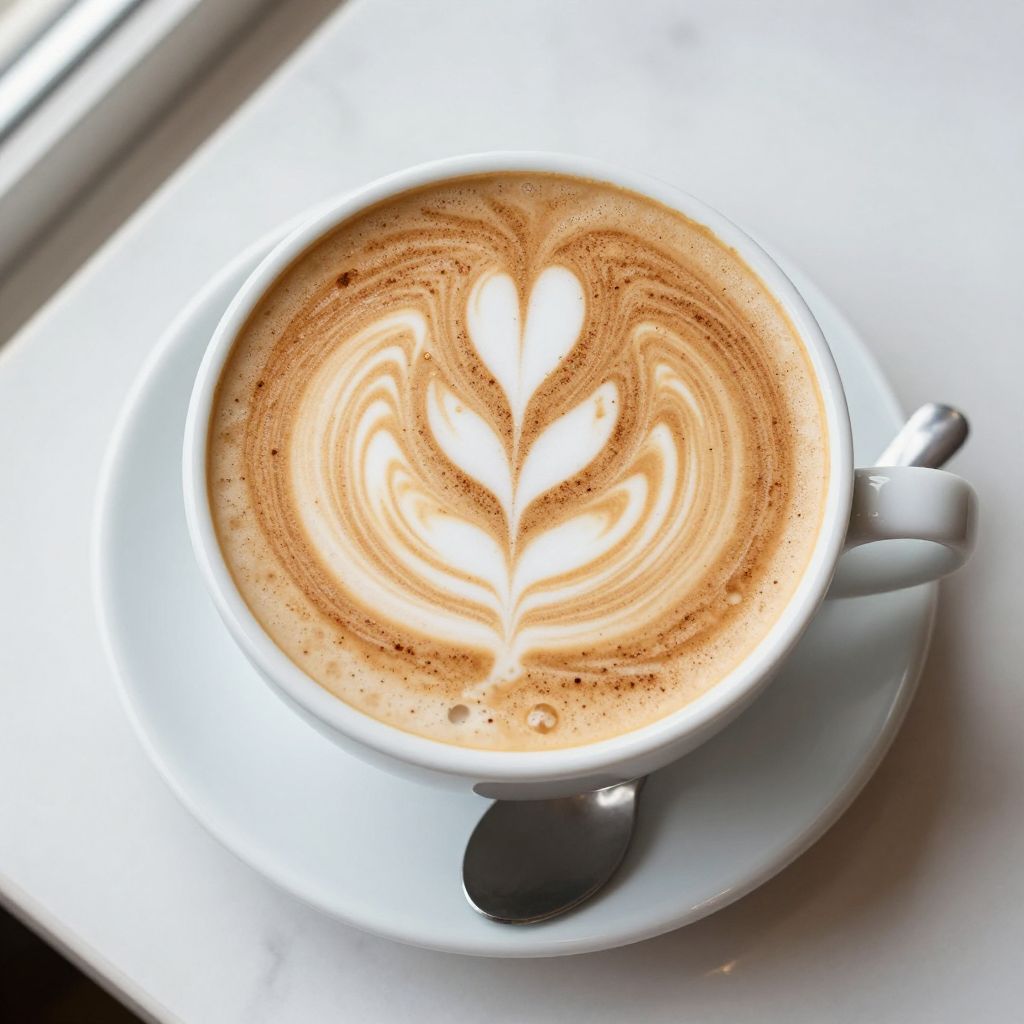
Oat Milk Latte
Ingredients
Equipment
Method
- Pull 1-2 shots (1.5-2 ounces) of fresh espresso using an espresso machine or strong brewed coffee as a substitute.
- Pour 8-10 ounces of cold oat milk into a 12-ounce milk pitcher, filling it no more than halfway.
- Position the steam wand just below the surface of the milk at an angle to create a swirling motion.
- Introduce air for 2-3 seconds by keeping the wand tip near the surface until you hear a gentle hissing sound.
- Submerge the wand deeper and steam the milk until it reaches 150-155°F (65-68°C), about 30-45 seconds.
- Turn off the steam, remove the pitcher, and tap it on the counter to break up large bubbles.
- Slowly pour the steamed milk into the espresso, starting gently and then increasing the flow to let the foam crown the top.
- Stir in honey, maple syrup, or a pinch of sea salt while hot, if desired, and serve immediately.