
There’s something deeply satisfying about making your own oat milk at home, watching cream-colored liquid pour from a blender and knowing exactly what went into it. Creamy oat milk is a game changer for anyone tired of store-bought versions that taste thin or watery, and it takes just five minutes to make.
This recipe delivers a rich, naturally sweet result that costs a fraction of what you’d pay at the grocery store. You’ll love how versatile it is: pour it into coffee, blend it into smoothies, use it in baking, or sip it straight from a glass.
Why You’ll Love This Recipe
Homemade oat milk beats the store-bought stuff in every way that matters. You control the creaminess, the sweetness, and every single ingredient.
- Ready in under five minutes with minimal cleanup
- Costs about one-third the price of commercial oat milk
- No gums, fillers, or mysterious additives
- Naturally creamy without added oils or starches
- Tastes fresher and more vibrant in coffee and smoothies
My Experience Making This Recipe
I started making oat milk at home after noticing how quickly store-bought cartons disappeared from my fridge. My family goes through it fast, and the cost was starting to pinch.
The first batch I made converted me instantly. The texture was silkier than anything I’d bought, and the subtle oat sweetness reminded me why this plant-based option deserves a spot in every kitchen.
What surprised me most was how quickly guests could tell the difference. I served a cappuccino made with homemade oat milk to a coffee-obsessed friend, and she asked where I bought it before I admitted I’d made it that morning.
Recipe Overview
- Recipe Name: Creamy Oat Milk
- Servings: 4 cups (about 8 servings)
- Prep Time: 5 minutes
- Cook Time: 0 minutes
- Total Time: 5 minutes
- Course: Beverage
- Cuisine: Plant-Based
- Calories per Serving: 35
Equipment You Will Need
- High-powered blender (Vitamix or similar recommended)
- Fine-mesh strainer or nut milk bag
- Large bowl
- Measuring cups
- Measuring spoons
- Airtight glass bottle or jar for storage
Ingredients for Creamy Oat Milk
- 1 cup rolled oats (old-fashioned, not instant)
- 4 cups filtered water, plus more for soaking
- 1 tablespoon maple syrup or agave nectar (optional, for sweetness)
- 1/4 teaspoon vanilla extract (optional, for flavor depth)
- Pinch of sea salt (brings out natural sweetness)
Ingredient Notes and Substitutions
- Rolled oats provide a creamy texture because of their starch content; steel-cut oats will produce a grainier result and are not recommended here.
- If you prefer no added sweetness, skip the maple syrup entirely; the oats themselves taste mildly sweet when blended well.
- Vanilla extract adds warmth and complexity to the flavor profile; almond extract works as a substitute if you prefer a different taste direction.
- Filtered water prevents mineral buildup and off-flavors; tap water will work but may affect the final taste depending on your water quality.
- Sea salt is optional but highly recommended; it amplifies the natural oat flavor and balances any bitterness from over-blending.
How to Make Creamy Oat Milk
Step 1: Measure and Rinse the Oats
Pour one cup of rolled oats into a fine-mesh strainer and rinse under cool running water for about 30 seconds. Rinsing removes surface starch that can make your milk slimy instead of creamy.
Step 2: Add Oats and Water to the Blender
Place the rinsed oats into your high-powered blender along with four cups of filtered water. Make sure your blender is clean and dry before starting so no residual flavors interfere with the mild oat taste.
Step 3: Add Optional Sweetener and Flavoring
If using maple syrup, vanilla extract, and sea salt, add them now to the blender. Adding these at the start ensures they blend evenly throughout the milk rather than settling to the bottom.
Step 4: Blend on High Speed
Secure the blender lid and blend on high speed for 45 to 60 seconds. Do not blend longer than one minute, or your oat milk will turn bitter and thick as the oat particles break down too much.
Step 5: Prepare Your Straining Setup
Place a fine-mesh strainer over a large bowl and position it in a stable spot where you can pour without spilling. Using a nut milk bag works too, but a strainer gives you more control over the pouring speed.
Step 6: Strain the Milk Through the Mesh
Carefully pour the blended mixture through the strainer into the bowl below. Pour slowly and let gravity do the work; forcing it through will push unwanted sediment into your milk and make it cloudier.
Step 7: Press the Oat Pulp Gently
Using the back of a spoon, press the oat pulp lightly against the strainer to extract any remaining liquid. Press gently because aggressive pressing will force fine particles through and muddy your milk.
Step 8: Transfer to Storage Bottles
Pour the finished oat milk into clean, airtight glass bottles or jars using a funnel if you have one. Glass bottles keep the milk fresher longer than plastic and don’t absorb flavors.
Pro Tip: Save your oat pulp in a container in the fridge; it’s perfect for adding to oatmeal cookies, pancake batter, or smoothie bowls for extra nutrition and moisture.
Tips for the Best Creamy Oat Milk
- Use rolled oats and not instant oats; instant oats are pre-broken down and will create a mushy, less flavorful milk regardless of blending time.
- Chill your milk in the fridge for at least one hour before using it in coffee; cold milk creates better microfoam and texture when steamed.
- Shake the bottle well before each use because oat milk naturally separates; the cream rises to the top and the water settles below.
- Invest in a quality high-powered blender if you make oat milk regularly; regular blenders often leave gritty texture and require longer blending times that introduce bitterness.
- Make fresh batches every three to four days for the best flavor; homemade oat milk lacks the preservatives of commercial versions and will start to taste sour after a week.
- If your milk tastes bitter, you blended too long; reduce your blend time to 45 seconds next time.
Common Mistakes to Avoid
- Blending longer than 60 seconds creates a bitter, overly thick liquid because you’re breaking down the oat particles too much and releasing unwanted compounds from the oat hull.
- Using instant oats instead of rolled oats produces a thin, grainy milk that never reaches the creamy texture you’re aiming for.
- Skipping the rinsing step leaves excess surface starch in your milk, making it slimy and unpleasant to drink.
- Forcing the mixture through the strainer aggressively pushes sediment into your milk and makes it cloudy instead of clear and clean-looking.
- Storing oat milk in plastic bottles accelerates spoilage; glass is always the better choice for longer shelf life and flavor preservation.
Serving Suggestions
Creamy oat milk shines in countless applications beyond just drinking it plain. Pour it into your morning coffee, blend it into smoothies, or use it anywhere you’d normally reach for dairy milk.
- Steam it into lattes and cappuccinos for a naturally creamy crema
- Blend it into smoothie bowls with frozen fruit and granola
- Use it as a one-to-one substitute for dairy milk in baking and cooking
- Pour it over hot cereal or granola for breakfast
- Mix it into iced tea or cold brew coffee for a creamy afternoon drink
Variations to Try
- Chocolate Oat Milk: Add one tablespoon of unsweetened cocoa powder and an extra tablespoon of maple syrup for a rich, naturally sweet chocolate drink that tastes indulgent.
- Cinnamon Spice Oat Milk: Stir in 1/2 teaspoon of ground cinnamon and a tiny pinch of nutmeg for a warming version perfect for fall mornings.
- Banana Oat Milk: Blend one frozen banana with the oats and water for a naturally sweet, thicker milk that works beautifully in smoothies.
- Turmeric Golden Milk: Add 1/4 teaspoon of turmeric powder, a pinch of ginger, and black pepper for an anti-inflammatory golden milk you can heat and sip warm.
- Coffee Oat Milk: Brew one cup of strong black coffee and use it instead of one cup of the water for a naturally caffeinated oat milk ready for your morning routine.
Dietary Adaptations
- Gluten-Free: Certified gluten-free rolled oats are readily available and work identically to regular oats; the process stays the same but ensures no cross-contamination.
- Dairy-Free: This recipe is already dairy-free; it’s a plant-based milk that works perfectly for anyone avoiding dairy products.
- Vegan: All ingredients in this recipe are plant-based, making it completely vegan and animal-product-free.
- Low-Carb/Keto: Oat milk contains about four grams of carbs per cup, which may be too high for strict keto diets; consider nut-based milks instead if you’re counting macros carefully.
Storage and Reheating
Refrigerator
Store your oat milk in an airtight glass bottle on a shelf in the main part of your fridge, not the door where temperature fluctuates. Homemade oat milk lasts three to four days before the flavor starts to turn slightly sour.
- Always shake well before pouring because separation is normal and expected
- Keep it toward the back of the fridge where it’s coldest
- Make smaller batches more frequently if your fridge gets warm
Freezer
Oat milk does freeze, though the texture becomes slightly grainy after thawing because ice crystals rupture the fat particles. Freeze it in ice cube trays for smoothies rather than trying to freeze full batches.
- Pour into ice cube trays and freeze for up to two months
- Thaw cubes in the blender when making smoothies for seamless blending
- Do not thaw at room temperature; use directly from frozen
Reheating
You can gently heat oat milk for warm drinks without any special technique. Pour it into a small saucepan and warm over medium-low heat, stirring occasionally until steam rises from the surface.
- Never boil oat milk as high heat can cause separation and curdling
- Heat only the amount you plan to use rather than reheating an entire batch
- Use heated oat milk in tea, hot chocolate, or to make warm lattes
Nutrition Information
| Nutrient | Amount |
|---|---|
| Calories | 35 |
| Total Fat | 1.5g |
| Saturated Fat | 0.3g |
| Carbohydrates | 6g |
| Fiber | 1g |
| Sugar | 0g (3g if maple syrup is added) |
| Protein | 1g |
| Sodium | 50mg |
| Cholesterol | 0mg |
Nutritional values are approximate and based on USDA data for standard rolled oats and filtered water without added sweetener. Individual results may vary slightly depending on your specific ingredient brands and how much milk you strain from the pulp.
Frequently Asked Questions
Can I use quick oats instead of rolled oats?
Quick oats are processed smaller than rolled oats and will produce a thinner, grainier milk that separates more quickly. Stick with old-fashioned rolled oats for the best creamy texture and taste.
How much oat milk does this recipe actually make?
One cup of oats plus four cups of water yields approximately four cups of finished oat milk after straining out the pulp. The exact amount depends on how thoroughly you strain and how much liquid you leave in the pulp.
Do I need to soak the oats before blending?
No soaking is required for this recipe; a quick rinse is all you need. Soaking would actually over-hydrate the oats and create a thinner, less flavorful milk.
Why does my oat milk separate when I heat it?
Separation happens when the proteins in oat milk denature from high heat, causing the liquid to split away from the fat particles. Keep heat to medium-low and stir frequently to prevent this.
Can I use a regular blender instead of a high-powered one?
A regular blender will work but requires longer blending time, which risks making the milk bitter; it also may not puree the oats fine enough for a truly creamy texture. A high-powered blender delivers superior results.
What can I do with the leftover oat pulp?
Add it to cookie dough, pancake batter, oatmeal, or smoothie bowls for extra fiber and nutrition. You can also compost it if you don’t plan to use it within a few days.
Final Thoughts
Making your own oat milk at home is one of those simple skills that pays dividends every single day. Once you taste how fresh and creamy homemade oat milk tastes, you’ll never look at store-bought versions the same way again.
Give this recipe a try this week and watch how quickly it becomes a staple in your kitchen. Your coffee will taste better, your smoothies will be creamier, and you’ll feel good knowing exactly what’s going into every cup.
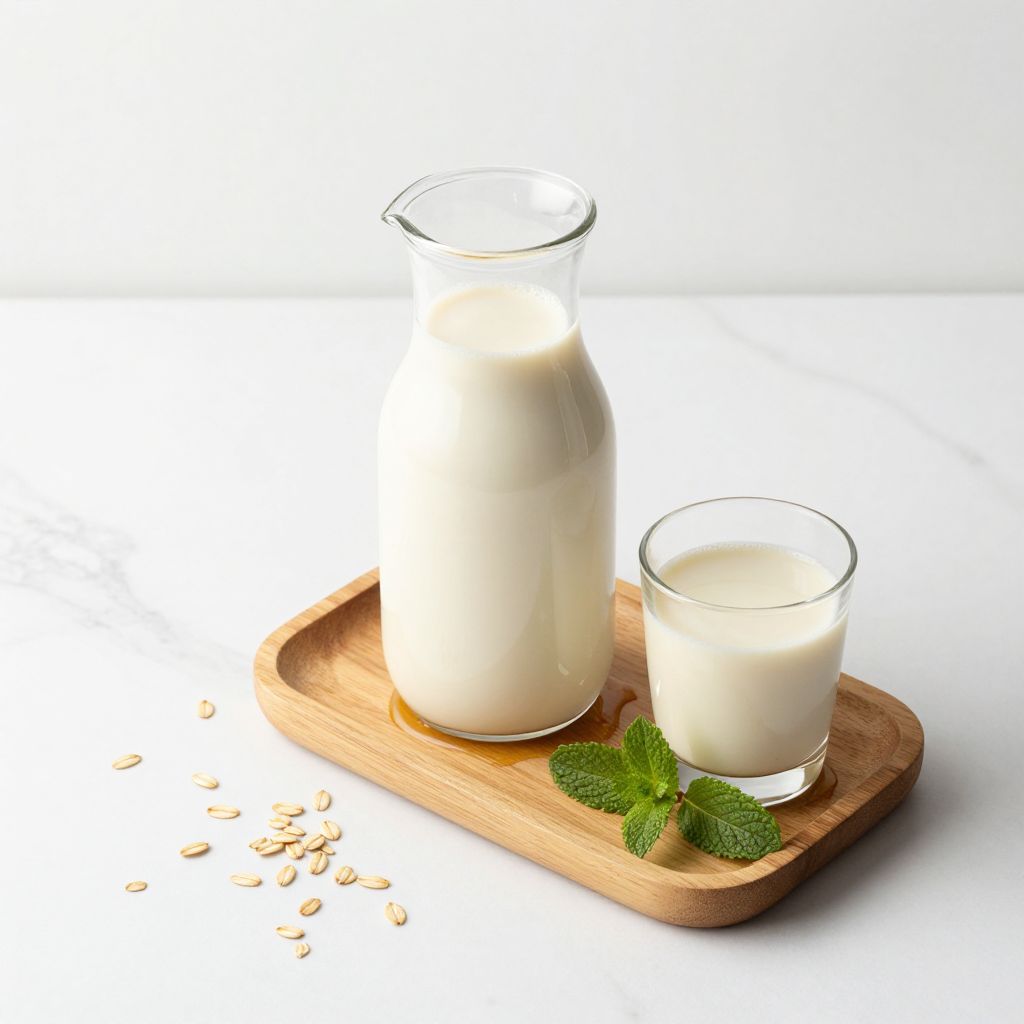
Creamy Oat Milk
Ingredients
Equipment
Method
- Pour one cup of rolled oats into a fine-mesh strainer and rinse under cool running water for about 30 seconds to remove surface starch that can make your milk slimy instead of creamy.
- Place the rinsed oats into your high-powered blender along with four cups of filtered water. Make sure your blender is clean and dry before starting.
- If using maple syrup, vanilla extract, and sea salt, add them now to the blender to ensure they blend evenly throughout the milk.
- Secure the blender lid and blend on high speed for 45 to 60 seconds. Do not blend longer than one minute, or your oat milk will turn bitter and thick.
- Place a fine-mesh strainer over a large bowl and position it in a stable spot where you can pour without spilling.
- Carefully pour the blended mixture through the strainer into the bowl below. Pour slowly and let gravity do the work to avoid pushing unwanted sediment into your milk.
- Using the back of a spoon, press the oat pulp lightly against the strainer to extract any remaining liquid. Press gently to avoid forcing fine particles through.
- Pour the finished oat milk into clean, airtight glass bottles or jars using a funnel if you have one. Glass bottles keep the milk fresher longer than plastic.