
Picture yourself on a warm summer day, sipping a refreshing drink that tickles your taste buds with its unique tang. Kvass is that delightful beverage, a traditional fermented drink that hails from Eastern Europe, known for its mild flavor and health benefits. This recipe is a wonderful way to explore fermentation at home, offering a subtly sweet and slightly sour drink that can easily be adapted to your taste. With only a few simple ingredients, you can create a fizzy, probiotic-rich treat that will impress your friends and family. Let’s dive into how to make your own batch of kvass!
Why You’ll Love This Recipe
This kvass recipe is a perfect balance of simplicity and flavor. It’s a fun project that yields a delicious drink.
- Easy to make with minimal ingredients.
- Rich in probiotics, great for gut health.
- Customizable with fruits or herbs.
- Perfectly refreshing on hot days.
- Minimal effort for maximum flavor.
My Experience Making This Recipe
When I first tried making kvass, I was surprised by how easy it was. The aroma of the bread as it ferments fills your kitchen with a cozy, inviting scent.
After just a couple of days, I took my first sip and was thrilled with the effervescence and unique flavor profile. It was a hit at my summer BBQ, with everyone asking for the recipe!
Recipe Overview
- Recipe Name: Kvass
- Servings: 8
- Prep Time: 15 minutes
- Cook Time: 5 days (fermentation)
- Total Time: 5 days 15 minutes
- Course: Beverage
- Cuisine: Eastern European
- Calories per Serving: 50
Equipment You Will Need
- Large jar or fermentation vessel
- Cheesecloth or clean kitchen towel
- Rubber band or string
- Measuring cups and spoons
- Wooden spoon or spatula
- Bottle for storing kvass
Ingredients for Kvass
- 1 loaf of rye bread (preferably stale for better flavor)
- 1 cup of sugar (adjust to taste)
- 10 cups of water (filtered is best)
- 1/4 cup of raisins (optional, for sweetness)
- 1/2 cup of sourdough starter or a piece of rye bread (for fermentation)
Ingredient Notes and Substitutions
- Rye bread: This gives kvass its characteristic flavor. You can use whole wheat or pumpernickel as alternatives.
- Sugar: Helps in fermentation and adds sweetness. Honey or maple syrup can be used as substitutes.
- Water: Filtered water is best for a clean taste. Tap water can work but may interfere with fermentation.
- Raisins: They add natural sweetness and carbonation. You can skip them if you prefer a less sweet kvass.
- Sourdough starter: This introduces beneficial bacteria. If you don’t have one, a piece of stale rye bread will suffice.
How to Make Kvass
Step 1: Prepare the Bread
Cut the rye bread into small cubes and toast them until golden brown. Toasting enhances the flavor and helps with the fermentation process.
Step 2: Combine Ingredients
In your fermentation vessel, add the toasted bread cubes, sugar, and raisins. Pour in the water and stir until the sugar dissolves.
Step 3: Add Sourdough Starter
Add the sourdough starter or piece of rye bread to the mixture. This will kickstart the fermentation process.
Step 4: Cover the Jar
Cover the jar with cheesecloth or a clean kitchen towel and secure it with a rubber band. This allows airflow while keeping out contaminants.
Step 5: Ferment the Mixture
Leave the jar at room temperature for about 3-5 days, stirring once a day. This lets the flavors develop and carbonation build up.
Step 6: Taste Test
After 3 days, taste your kvass. If it’s tangy and fizzy, it’s ready. If not, let it ferment longer until you reach your desired flavor.
Step 7: Strain and Bottle
Once fermented, strain the kvass through a fine mesh sieve into clean bottles. This removes the bread pieces and any solids.
Step 8: Refrigerate and Enjoy
Seal the bottles and refrigerate. Chilling the kvass enhances its refreshing qualities, perfect for sipping.
Pro Tip: Experiment with additional flavors by adding herbs or fruits during fermentation for a unique twist!
Tips for the Best Kvass
- Use stale bread for a richer flavor; fresh bread can lead to sogginess.
- Keep the fermentation environment warm but not hot to encourage yeast activity.
- Taste your kvass daily to find your perfect flavor balance.
- Store kvass in airtight bottles to maintain carbonation.
- Be mindful of fermentation time; over-fermented kvass can become too sour.
Common Mistakes to Avoid
- Using fresh bread: It can lead to uneven fermentation and soggy texture.
- Not stirring: Stirring daily helps distribute yeast and flavors evenly.
- Fermenting too long: Over-fermenting can result in overly sour kvass.
- Using chlorinated water: This can inhibit fermentation and alter the flavor.
Serving Suggestions
Kvass can be enjoyed on its own or paired with various dishes. Here are some great pairings to consider:
- Served chilled on a hot day as a refreshing drink.
- Pairs beautifully with grilled meats.
- Enjoy it alongside hearty soups or stews.
- Great with salty snacks like pretzels or cheese.
Variations to Try
- Add fruits like berries or citrus for a fruity twist.
- Incorporate herbs like mint or basil for added freshness.
- Use different types of bread for unique flavor profiles.
- Add spices like ginger or cinnamon for warmth and depth.
Dietary Adaptations
- Gluten-free: Use gluten-free bread alternatives like rice or corn bread.
- Dairy-free: This recipe is naturally dairy-free, so enjoy without worry.
- Vegan: All ingredients are plant-based, making it a perfect vegan beverage.
- Low-carb/keto: Substitute sugar with a low-carb sweetener for a keto-friendly option.
Storage and Reheating
Refrigerator
Store kvass in the refrigerator for up to two weeks. Make sure bottles are tightly sealed.
- Keep it chilled for the best flavor.
- Check for carbonation before serving.
Freezer
You can freeze kvass in ice cube trays for long-term storage. This is great for adding to smoothies or chilled drinks later.
- Thaw in the fridge before use.
- Use within six months for best quality.
Reheating
Reheating kvass isn’t typically done, as it is best served cold. However, if you wish to warm it, do so gently on low heat.
- Avoid boiling to preserve the probiotic benefits.
- Warm just enough to take the chill off, if desired.
Nutrition Information
| Nutrient | Amount |
|---|---|
| Calories | 50 |
| Total Fat | 0g |
| Saturated Fat | 0g |
| Carbohydrates | 13g |
| Fiber | 1g |
| Sugar | 10g |
| Protein | 1g |
| Sodium | 5mg |
| Cholesterol | 0mg |
This nutrition information is an estimate and can vary based on specific ingredients and portion sizes.
Frequently Asked Questions
Can I substitute the rye bread?
Yes, other types of bread can be used, but rye gives the best flavor.
How long can I make kvass ahead of time?
You can make kvass up to two weeks in advance if stored properly in the refrigerator.
What should I do if my kvass is too sour?
If it’s too sour, you can dilute it with water or sweeten it with a bit more sugar.
Can I use store-bought bread?
Yes, but avoid bread with preservatives, as they can hinder fermentation.
Is kvass gluten-free?
Regular kvass made with rye bread is not gluten-free. You can make a gluten-free version using suitable bread alternatives.
Final Thoughts
Making your own kvass can be a rewarding experience that brings a taste of tradition to your kitchen. I encourage you to experiment with flavors and enjoy the process as much as the drink itself.
If you loved this recipe, check out my other homemade beverages like kefir and fermented ginger beer for more delicious fun!
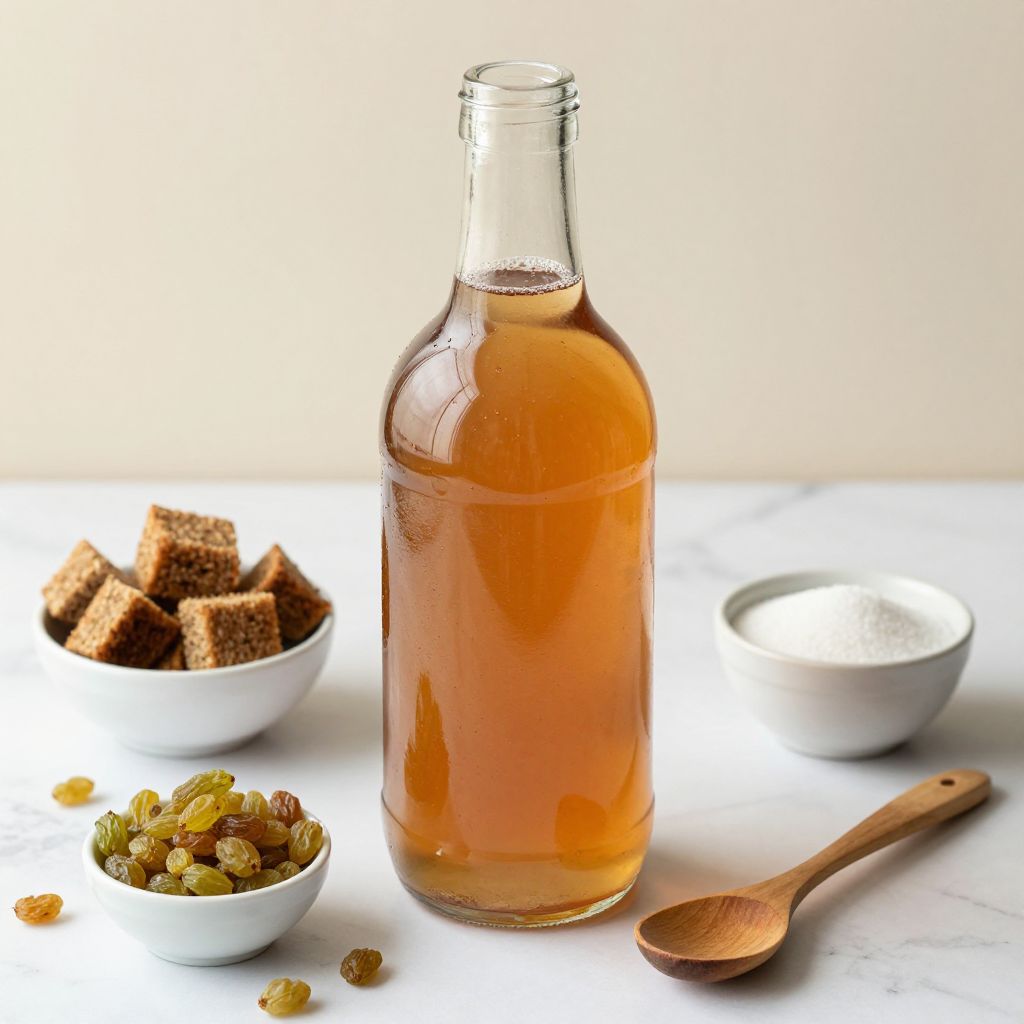
Kvass
Ingredients
Equipment
Method
- Cut the rye bread into small cubes and toast them until golden brown.
- In your fermentation vessel, add the toasted bread cubes, sugar, and raisins. Pour in the water and stir until the sugar dissolves.
- Add the sourdough starter or piece of rye bread to the mixture.
- Cover the jar with cheesecloth or a clean kitchen towel and secure it with a rubber band.
- Leave the jar at room temperature for about 3-5 days, stirring once a day.
- After 3 days, taste your kvass. If it’s tangy and fizzy, it’s ready.
- Once fermented, strain the kvass through a fine mesh sieve into clean bottles.
- Seal the bottles and refrigerate.