
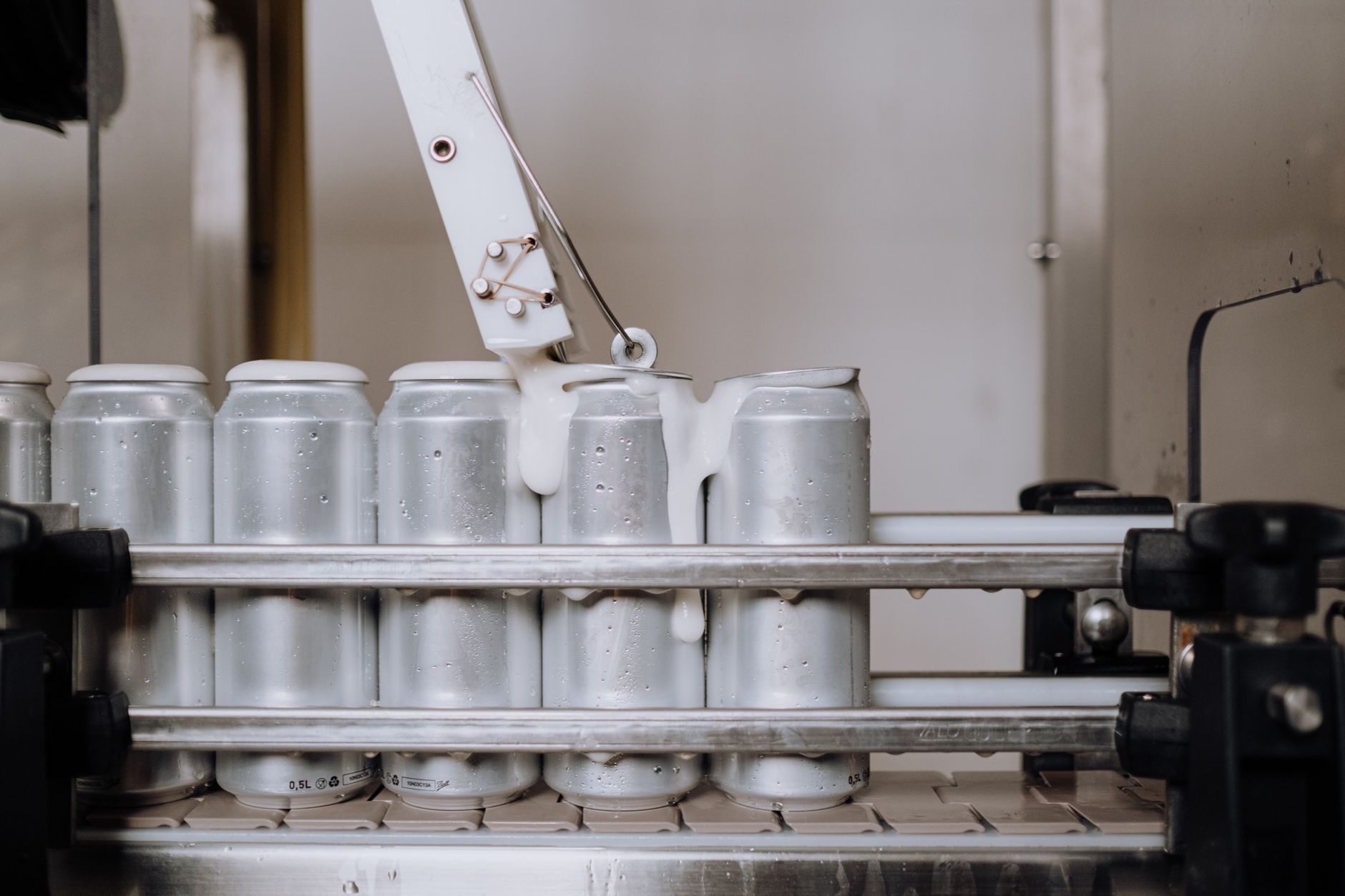
Kombucha in a can has rapidly gained popularity as a convenient and refreshing drink option. This effervescent beverage, made from fermented tea, offers a unique tart flavor profile that appeals to a wide range of palates. In this guide, we’ll explore everything you need to know about kombucha in a can, including its benefits, how it’s made, the best brands to try, and tips for incorporating it into your lifestyle.
Kombucha is often celebrated for its potential health benefits, including probiotics and antioxidants. While traditionally brewed at home or found in bottles, canned kombucha offers a convenient alternative that is perfect for on-the-go consumption. Let’s delve into the world of canned kombucha and see how it can enhance your beverage choices!
What Is Kombucha and Why Is It in a Can?
Kombucha is a fermented drink made from sweetened tea that is cultured with a symbiotic colony of bacteria and yeast, known as SCOBY. The fermentation process creates a bubbly drink that is slightly acidic, mildly sweet, and often flavored with a variety of fruits, herbs, and spices. The presence of probiotics from fermentation is what makes kombucha appealing to many health-conscious consumers.
Canning kombucha offers several advantages. First, cans are lightweight and portable, making them easy to transport for events, picnics, or a quick refreshment. Second, cans provide excellent light and oxygen protection, which can help preserve the drink’s flavor and probiotic content better than glass bottles. Third, canned kombucha tends to have a longer shelf life without refrigeration compared to bottled versions, making it a more versatile option.
The Benefits of Drinking Canned Kombucha
Canned kombucha is not only delicious, but it also comes with a range of benefits:
- Probiotics: Kombucha contains probiotics that promote gut health, aiding digestion and boosting the immune system.
- Antioxidants: The beverage is rich in antioxidants that combat oxidative stress in the body.
- Low-calorie: Compared to sodas and other sugary drinks, kombucha is usually low in calories, making it a healthier choice.
- Variety of Flavors: Canned kombucha comes in numerous flavors, catering to different taste preferences.
- Hydration: Kombucha in a can can be a refreshing alternative to water, helping keep you hydrated.
How Is Kombucha in a Can Made?
The process of making canned kombucha starts with brewing tea and adding sugar. Here is a high-level overview of the steps involved:
- Brewing the Tea: Begin by boiling water and then adding tea leaves or tea bags (black tea, green tea, or a blend) along with sugar to create a concentrated sweetened tea.
- Adding SCOBY: Once the tea has cooled, the SCOBY is introduced into the mixture, starting the fermentation process.
- Fermentation: The mixture is left to ferment for about 7 to 30 days, depending on the desired acidity and flavor profile.
- Bottling: After fermentation, the kombucha is strained to remove the SCOBY and any tea leaves, then carbonated, either naturally or through forced carbonation, before being canned.
During the carbonation process, the beverage becomes bubbly, enhancing its refreshing qualities. Following this, cans are sealed and often pasteurized or treated to preserve the probiotics and shelf life.
Choosing Your Canned Kombucha
There is no shortage of canned kombucha brands available in stores. Here are a few popular brands that you should consider trying:
- GT’s Living Foods: Known for its diverse flavor selection and commitment to organic ingredients.
- Brew Dr. Kombucha: Offers a range of classic and innovative flavors with a focus on quality.
- Health-Ade: Features unique flavor combinations and a balanced approach to fermentation.
- Reed’s Kombucha: A brand that brings a ginger twist to its kombucha, making it extra refreshing.
- Kombucha Wonder Drink: This brand combines various flavors with unique herbs and spices.
When selecting canned kombucha, look for options that are certified organic, contain no artificial flavors, and have minimal added sugars for a healthier beverage choice.
Flavor Profiles and Pairings
One of the exciting aspects of kombucha is the variety of flavors available. Here are some common flavor profiles and suggestions for pairing them:
- Ginger: This flavor is often spicy and invigorating. It pairs well with snacks like popcorn, pretzels, or light salads.
- Berry: Berry-flavored kombucha can be sweet and tart. These flavors go great with cheese platters, fruits, or desserts like tarts and brownies.
- Citrus: Kombucha with citrus notes is zesty and vibrant, making it an excellent companion for grilled meats and seafood.
- Herbal: Flavors infused with herbs (like mint or basil) provide a fresh experience. Pair these with dishes like savory soups or Mediterranean dishes.
Incorporating Canned Kombucha into Your Lifestyle
Here are some enjoyable ways to incorporate canned kombucha into your daily routine:
- As a Beverage Alternative: Swap sugary sodas or energy drinks with kombucha for a healthier option.
- Mixology: Use kombucha in cocktails as a mixer. It can add a fizzy twist to classic drinks or can be enjoyed in mocktails.
- Post-Workout Refreshment: Due to its hydration and electrolyte content, kombucha can serve as an energizing post-exercise drink.
- Morning Boost: Start your day with a can of kombucha instead of coffee for a unique caffeine source.
Storage and Shelf Life of Canned Kombucha
Canned kombucha has a decent shelf life, usually around 6-12 months, depending on how it’s processed and the storage conditions. It’s best kept in a cool, dark place to retain its flavor and fizz. Make sure to check the expiry date on the can, and once opened, consume it within 3-5 days for optimal taste.
Common Mistakes to Avoid with Canned Kombucha
When incorporating kombucha into your routine, consider these common pitfalls:
- Not checking the ingredients: Always read labels to avoid added sugars or artificial ingredients that can diminish its health benefits.
- Ignoring serving sizes: While kombucha has health benefits, it also contains some sugar and calories. Stick to the recommended serving size.
- Storing in direct sunlight: Exposure to light can spoil the flavor and degrade the probiotics. Store in a cool, dark place instead.
Frequently Asked Questions
Is canned kombucha as beneficial as bottled kombucha?
Yes, canned kombucha can provide the same health benefits as bottled versions, as long as it’s made with quality ingredients and properly brewed. The key is to choose high-quality brands.
Can children drink kombucha?
While kombucha contains beneficial probiotics, it does contain small amounts of alcohol (usually less than 0.5%). Consult with a pediatrician before introducing it to children.
Can I make my own kombucha in a can?
While making kombucha at home is possible, canning requires specialized equipment to ensure safety and shelf stability. It’s often easier and safer to purchase pre-canned options.
Final Thoughts on Canned Kombucha
Kombucha in a can offers a flavorful, refreshing drink packed with potential health benefits. Its portability, variety of flavors, and unique taste make it a fun addition to your beverage rotation. Use this guide to explore different brands and incorporate kombucha into your healthy lifestyle.
For those who want to explore making their own version, you can dive into our hard kombucha recipe for insight into brewing techniques or experiment with different flavor combinations at home.