
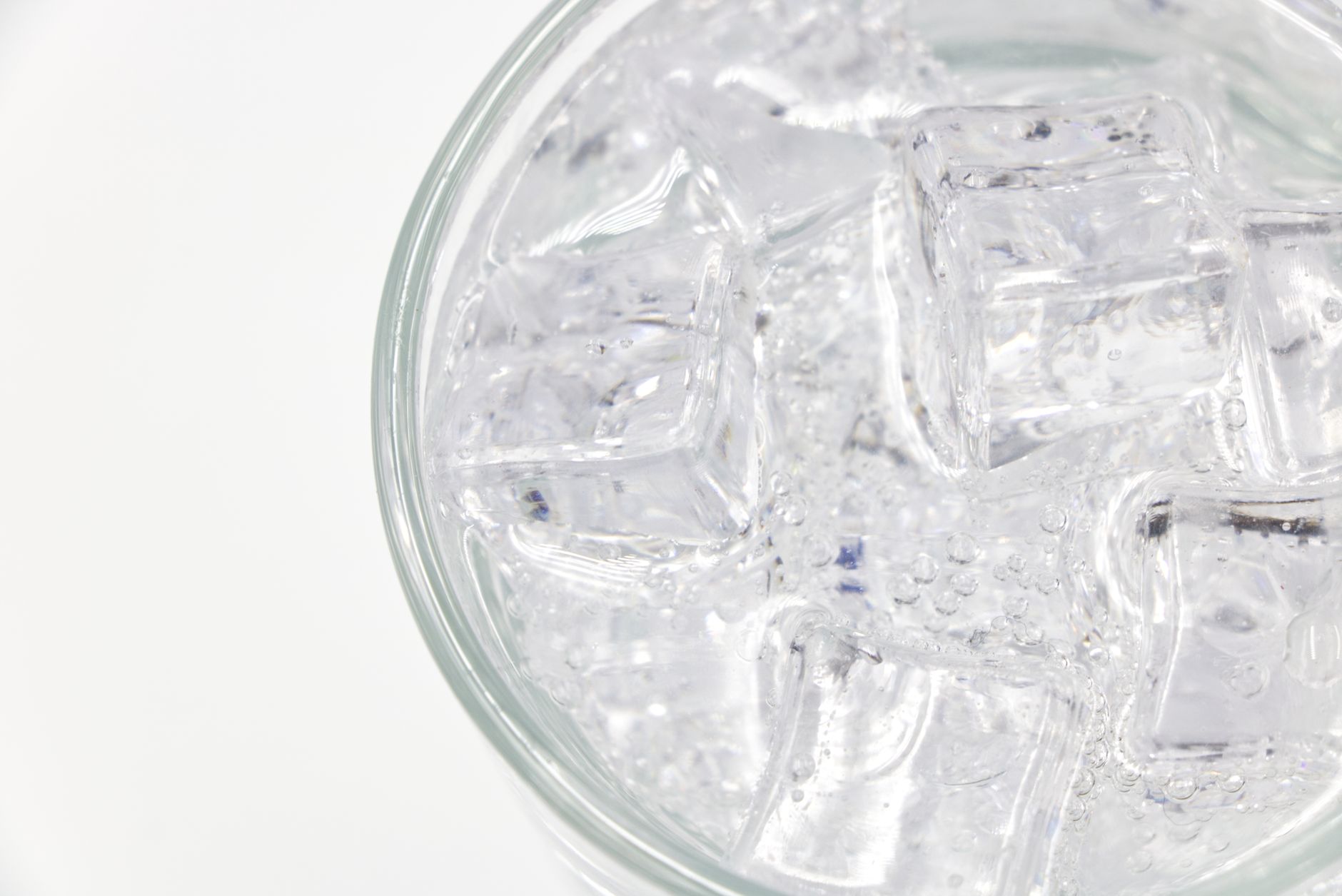
Sparkling water has become a popular alternative to sugary drinks and traditional water, but is it actually good for hydration? This article explores the benefits and downsides of sparkling water, helping you decide whether to include it in your hydration routine.
We will cover the composition of sparkling water, its effects on hydration, and some tips on how to incorporate it into your diet effectively. With a variety of sparkling water options available, understanding their properties can enhance your hydration choices.
Is Sparkling Water Good For Hydration?
Yes, sparkling water can be a good source of hydration. It contains the same water content as still water, so it effectively quenches thirst and contributes to overall fluid intake. However, be mindful of added sugars or sodium, which can affect its health benefits.
The Composition of Sparkling Water
To understand how sparkling water hydrates, it’s essential to know what it contains. Sparkling water primarily consists of water infused with carbon dioxide gas under pressure, giving it that characteristic fizz. This process creates carbonic acid, which provides a slightly sour taste.
- Types of Sparkling Water: There are various forms, including natural mineral water, club soda, tonic water, and flavored sparkling water. Each type varies in mineral content and taste.
- Added Ingredients: Some sparkling waters contain added minerals or sodium. It’s important to read labels, as some variations are not just carbonated water.
Sparking Water vs. Still Water: Hydration Comparison
When it comes to hydration, the fundamental component in both sparkling and still water is H2O. For most intents and purposes, sparkling water hydrates just as well as still water. However, there are nuances to consider.
Carbonation Effects
The carbonation process introduces bubbles that may provide a feeling of fullness, potentially reducing the desire to drink more fluids. For some, this might lead to consuming less overall fluid than with still water.
Thirst Quenching
Some people find carbonated beverages more enjoyable, leading to increased fluid intake. If sparkling water entices you to drink more than still water, it can be a helpful hydration tool.
Health Benefits of Sparkling Water
In addition to quenching thirst, sparkling water can offer various health benefits, depending on the type you choose.
Mineral Content
Natural mineral waters contain naturally occurring minerals such as calcium, magnesium, and bicarbonate. These minerals can contribute to your daily intake and support bodily functions.
Low-Calorie Option
Plain sparkling water is a zero-calorie beverage, making it an excellent alternative to sugary drinks that can lead to weight gain. By substituting sugary beverages with sparkling water, you can help maintain hydration without excess calories.
Possible Digestive Benefits
Some studies suggest that sparkling water may aid digestion. The carbonation can promote gastric mobility and help relieve feelings of fullness after meals.
Considerations When Choosing Sparkling Water
While sparkling water has many benefits, there are certain factors to consider to make the best choice for hydration.
Avoiding Added Sugars
Flavored sparkling waters can sometimes include added sugars. Read labels carefully to avoid drinks that may negatively affect hydration and overall health. Opt for unsweetened or naturally flavored sparkling waters.
Sodium Content
Some brands, particularly those labeled as electrolyte waters, may contain added sodium. While this can be beneficial after strenuous exercise, daily consumption might not be suitable for everyone. Check the sodium content to align with your dietary needs.
How to Incorporate Sparkling Water into Your Diet
Making sparkling water a part of your hydration routine can be enjoyable and easy. Here are some practical tips on how to do so effectively:
Flavorful Additions
Boost the flavor profile of your sparkling water by adding natural ingredients:
- Fresh fruits like lemon, lime, or berries
- Herbs such as mint or basil
- Ginger slices for a refreshing zing
Mixing Cocktails and Mocktails
Use sparkling water as a mixer in cocktails or mocktails to add effervescence and flavor without added sugars. Some popular blends include:
- Gin Fizz: A refreshing mix of gin, lemon juice, and sparkling water.
- Fruit Spritzers: Combine sparkling water with your favorite fruit juices for a light drink.
Meal Pairing
Sparkling water can complement your meals. Its carbonation can enhance the dining experience by cleansing the palate, particularly during a multi-course meal. It pairs well with a variety of dishes.
Common Myths about Sparkling Water and Hydration
There are several misconceptions regarding sparkling water and hydration that are worth addressing.
Myth 1: Sparkling Water Dehydrates
This myth stems from the carbonation, but studies show that sparkling water can hydrate just as well as still water. As long as no sugar or unhealthy additives are included, it is beneficial for hydration.
Myth 2: Carbonation Causes Bloating
While some individuals may experience bloating with excess carbonation, this varies from person to person. Most people can enjoy sparkling water without discomfort. If bloating occurs, you might consider switching to still water or reduced carbonation options.
Myth 3: Sparkling Water is Harmful for Dental Health
There is concern that the carbonation in sparkling water might erode tooth enamel. However, plain sparkling water is less acidic than sugary sodas and not significantly harmful in moderation. Maintaining good oral hygiene is key.
Common Mistakes to Avoid with Sparkling Water
When incorporating sparkling water into your diet, keep the following tips in mind to maximize hydration and enjoyment:
Don’t Rely Solely on Sparkling Water
While sparkling water is a great addition, it shouldn’t replace your entire fluid intake. Incorporate a variety of beverages, including still water, to ensure proper hydration.
Watch Portion Sizes
Even though it is calorie-free, excessive consumption of sparkling water can lead to discomfort or bloating for some individuals. Make sure to listen to your body and adjust your intake accordingly.
Mind Your Drinking Habits
Drinking sparkling water too quickly may cause gas or discomfort. Take your time and savor each sip to enhance your experience.
Storing Sparkling Water Properly
To maintain the quality and fizz of your sparkling water, consider these storage tips:
Temperature Control
Keep your sparkling water stored in a cool, dry place. Ideal temperatures prevent premature loss of carbonation and flavor.
Avoid Direct Sunlight
Protect your sparkling water from light exposure. Sunlight can affect flavors and promote discoloration over time.
Reseal or Refrigerate After Opening
Once opened, reseal your sparkling water tightly to preserve carbonation, or store it in the refrigerator for optimal freshness.
Summary of Health Insights
Sparkling water can be a refreshing and hydrating alternative to still water, provided it is consumed without excess sugars and sodium. Understanding its benefits and limitations enables you to make educated choices about your hydration strategy.
Ultimately, enjoy sparkling water as part of a balanced hydration plan that includes a variety of fluids. This will maximize hydration while keeping your beverage routine interesting and enjoyable.
Ready to explore the versatility of sparkling water further? Check out our club soda recipe for a refreshing twist and learn how to make a delightful gin fizz cocktail that highlights the uniqueness of sparkling beverages!