
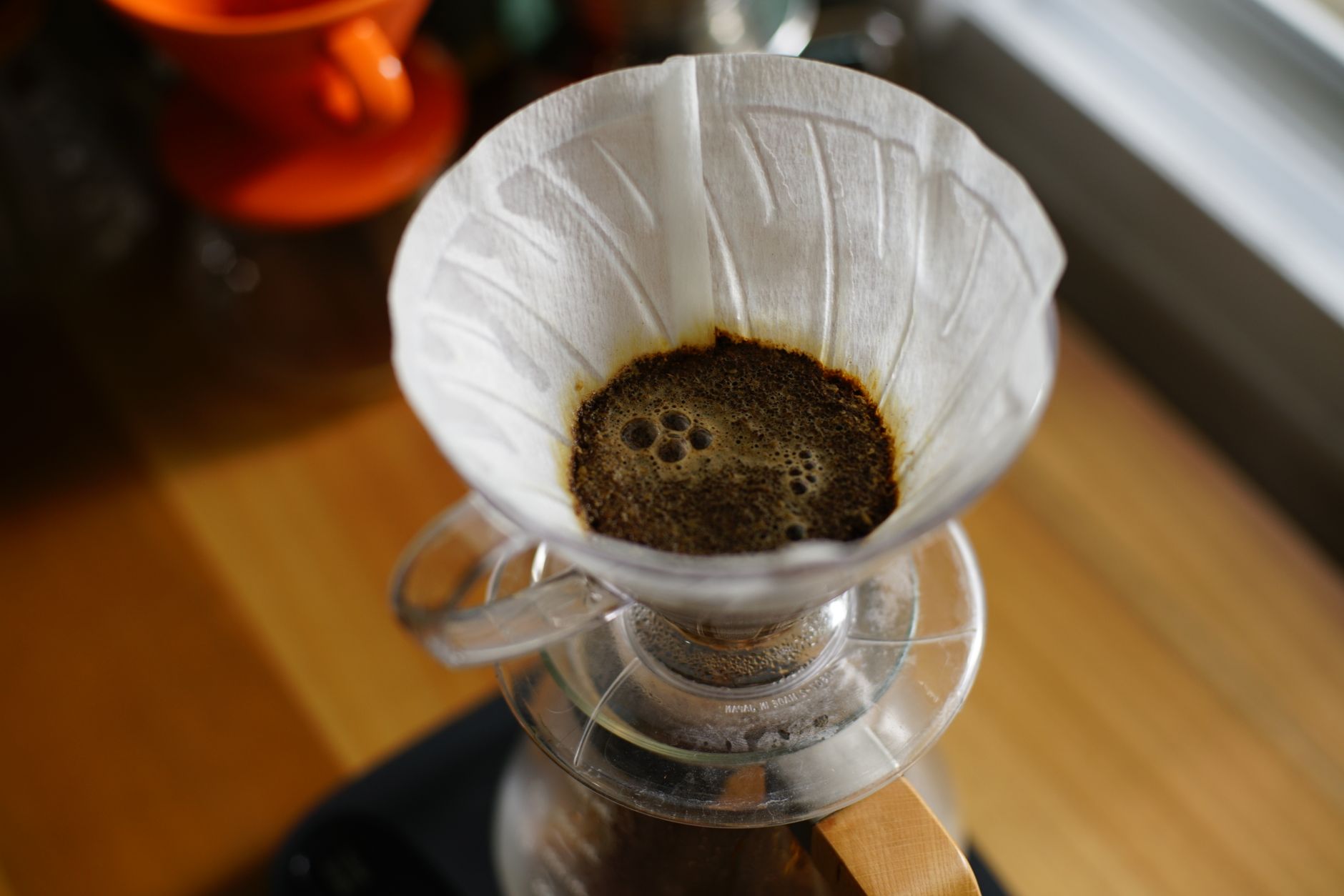
Drip coffee is one of the most popular brewing methods in households and cafes across the globe. Known for its ability to produce a rich, flavorful cup with minimal effort, it’s a technique embraced by both casual drinkers and coffee aficionados alike. Whether you’re a novice or an expert, understanding drip coffee can enhance your coffee-making experience.
This guide will explore what drip coffee is, how it works, the equipment needed, the ideal beans, and some helpful tips for perfecting your brew.
What Is Drip Coffee?
Drip coffee refers to a method of brewing coffee where hot water extracts flavors from coffee grounds as it passes through them. This process results in a clean and aromatic cup of coffee, typically made using a drip coffee maker, pour-over setup, or similar apparatus. The finished product generally exhibits a balanced flavor profile that many coffee lovers appreciate.
The History of Drip Coffee
Though variations of coffee brewing have existed for centuries, drip coffee as we know it began to gain prominence in the early 20th century. The invention of the electric drip coffee maker in the 1970s revolutionized how people made coffee at home. This method allowed for convenient, consistent brewing and quickly became a staple in kitchens worldwide.
Essential Equipment for Drip Coffee
Brewing drip coffee requires specific equipment, ranging from modest manual setups to advanced electric machines. Here’s a rundown of the most commonly used tools:
- Drip Coffee Maker: An electric machine that automates the brewing process, ideal for making multiple cups.
- Pour-Over Brewer: A manual method using a cone-shaped filter where water is poured over coffee grounds slowly.
- Coffee Filter: Commonly paper or metal, these filters separate the coffee grounds from the brewed coffee.
- Coffee Grinder: Essential for freshly grinding whole coffee beans before brewing, enhancing flavor.
- Water Kettle: For both electric and stovetop use, it allows precise temperature control for brewing.
- Measuring Tools: Accurate coffee to water ratio measurements are crucial for a well-balanced brew.
Choosing the Right Coffee Beans
The coffee beans you choose significantly impact your drip coffee’s flavor profile. Here are some tips for selecting the right beans:
- Types of Beans: Arabica and Robusta are the two primary types of coffee beans. Arabica tends to have a milder flavor while Robusta is bolder and stronger.
- Freshness: Opt for whole beans and grind them just before brewing to preserve freshness. Check for roast dates on packages—freshly roasted is best.
- Roast Profile: Light, medium, and dark roasts each offer distinct flavor notes. Experiment with different roast levels to find your favorite.
- Single Origin vs. Blends: Single-origin coffee often has unique characteristics from a specific region, while blends provide a balanced taste.
How to Brew Drip Coffee
Brewing drip coffee can be straightforward, but attention to detail is crucial for a desirable outcome. Below is a detailed step-by-step guide covering the basics for both a drip coffee maker and a pour-over method.
Using a Drip Coffee Maker
- Measure your coffee: Use a ratio of 1 to 2 tablespoons of coffee grounds for every 6 ounces of water, adjusting to taste.
- Prepare the coffee maker: Insert a clean coffee filter into the basket and add the measured coffee grounds.
- Add water: Fill the machine’s reservoir with fresh, filtered water. The quality of your water can affect the final taste.
- Start brewing: Plug in the machine and turn it on. Most models will take a few minutes to brew a full pot.
- Serve: Once brewing is complete, pour your coffee into a mug and enjoy it hot.
Using a Pour-Over Method
- Boil water: Heat water to about 200°F (93°C), just off the boil.
- Measure coffee: Use the same 1 to 2 tablespoons of coffee grounds for every 6 ounces of water.
- Prepare the filter: Place a coffee filter in the pour-over cone and rinse it with hot water to remove any paper taste.
- Add coffee: Place the coffee grounds into the filter and gently shake to level them.
- Bloom the coffee: Pour a small amount of hot water over the grounds to allow them to bloom for about 30 seconds. This helps release carbon dioxide.
- Continue pouring: Slowly pour the remaining hot water over the grounds in a circular motion. The water should spend about 3 to 4 minutes passing through the coffee.
- Serve: Once the coffee has dripped through, remove the filter and serve the coffee.
Understanding Coffee Ratios
The ratio of coffee to water is crucial for brewing flavorful cup. While the standard guideline is 1 to 2 tablespoons of coffee for every 6 ounces of water, this can be adjusted based on individual taste preferences. Here’s how it impacts your drink:
- Stronger Coffee: Increase the amount of coffee used without changing the water quantity.
- Weaker Coffee: Decrease the coffee amount or increase the water to dilute the brew.
Common Mistakes When Brewing Drip Coffee
Even experienced coffee drinkers can make mistakes that affect the final product. Here are some common pitfalls to avoid:
- Using Stale Coffee: Coffee beans lose flavor quickly after roasting. Always use fresh beans and store them properly.
- Incorrect Water Temperature: Water that is too hot may scorch the coffee grounds, while water that is too cold will under-extract flavors.
- Not Measuring: The correct coffee-to-water ratio is essential for tastes that are too weak or too harsh.
- Over-Brewing: Letting the coffee sit in the pot for too long can lead to bitter flavors. Transfer brewed coffee to a thermal carafe if not consuming immediately.
Storage Tips for Coffee
Proper storage of coffee beans can retain their freshness and flavor for as long as possible. Here are some effective storage methods:
- Airtight Containers: Store coffee beans in airtight containers to keep oxygen out, which can degrade freshness.
- Cool, Dark Places: Avoid direct sunlight and heat, which can affect flavor over time. A pantry or cupboard is generally best.
- Freezing is Fine: If you buy in bulk, consider freezing your beans in small portions to maintain freshness. Just make sure to thaw them before use.
Drip Coffee Variations
Drip coffee is versatile, and you can create various styles and flavors by making simple adjustments. Here are some popular variations:
- Flavored Coffee: Add flavored syrups, extracts, or spices like cinnamon during brewing for unique flavors.
- Iced Drip Coffee: Brew your coffee at double strength, then pour it over ice for a refreshing cold drink.
- Cold Brew Variation: Use the drip method with cold water and steep for an extended period (12-24 hours) for a smoother, less acidic cup.
Pairing Food with Drip Coffee
Pairing food with drip coffee can enhance both the taste of the coffee and the meal. Here are suggestions for great pairings:
- Breakfast Foods: Drip coffee pairs beautifully with breakfast staples like pancakes, waffles, and eggs.
- Desserts: Rich desserts such as brownies, chocolate cake, or butter cookies complement the coffee’s flavors.
- Savory Dishes: Lightly seasoned meals like oatmeal or savory pastries can highlight the coffee’s profile.
Health Considerations
While coffee can be a delightful beverage, it’s important to consume it in moderation. Here are a few considerations:
- Caffeine Sensitivity: Individuals sensitive to caffeine may want to monitor their intake, especially in larger quantities.
- Acidity Levels: Drip coffee can be acidic, which may not suit people with acid reflux or digestive issues.
Conclusion
Drip coffee, with its straightforward preparation and rich flavor, continues to be a beloved brewing method for many coffee enthusiasts. Understanding how to brew it properly, choose the right beans, and avoid common mistakes can heighten your daily coffee experience. Whether enjoying it as a simple cup in the morning or a customized beverage, drip coffee is sure to satisfy your caffeine cravings.
If you are interested in exploring more varieties of coffee, be sure to check out delicious recipes for a long black coffee or experiment with a refreshing blended iced coffee.