
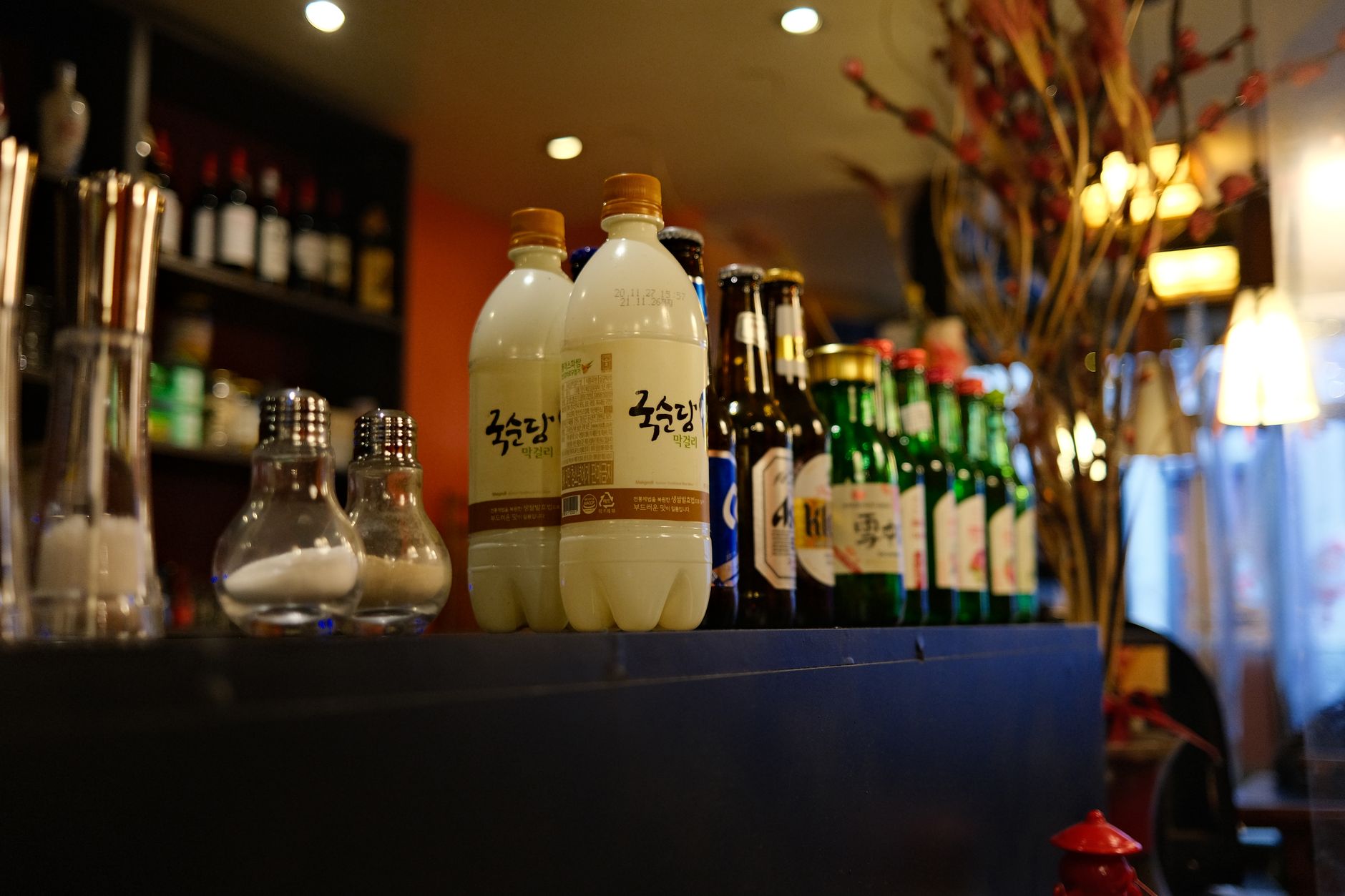
Sake is a traditional Japanese beverage often consumed during celebrations and meals, but there’s ongoing debate about whether it can be classified as beer. Understanding its ingredients, brewing process, and characteristics can clarify its true nature. This guide will explore the fundamental differences between sake and beer, so you can better appreciate this unique beverage.
By examining the production methods and flavor profiles of sake, you’ll see why it is often considered a distinct category of alcoholic beverage rather than a type of beer. Let’s dive into the details surrounding sake and its categorization.
Is Sake Beer?
No, sake is not beer. While both beverages are fermented alcoholic drinks, they arise from different ingredients and production methods. Sake is brewed using rice, water, yeast, and koji mold, while beer is generally made from malted grains, hops, yeast, and water.
Understanding Sake
To comprehend the nature of sake better, let’s explore its origins, production process, and types.
Origin of Sake
Sake has been a significant part of Japanese culture for centuries. The earliest records of sake production date back to the 8th century. Originally, sake was made using a method called “sake-making,” which involved fermentation with rice, similar to the modern process, but considerably less refined.
Ingredients in Sake
As previously stated, sake primarily involves four main ingredients:
- Rice: Specially grown sake rice (shuzokotekimai) is used because it has higher starch content and is more suitable for fermentation.
- Water: Water quality is paramount in sake production. Soft water is often preferred, as it influences the final flavor and clarity.
- Yeast: Specific yeast strains chosen for sake fermentation affect the aroma and taste profile of the final product.
- Koji mold: This mold helps convert the rice starches into sugars, which are essential for alcohol production.
The Sake Brewing Process
The production of sake involves several steps that differentiate it markedly from beer brewing:
- Preparation of Rice: The rice is polished to remove the outer layers, which contain fats and proteins that can adversely affect flavor.
- Washing and Soaking: The polished rice is washed and soaked to achieve the right moisture level before steaming.
- Steaming: The rice is steamed, making it soft enough for yeast and koji to work effectively.
- Koji Cultivation: Steamed rice is inoculated with koji spores, allowing it to ferment for a couple of days.
- Fermentation: The koji rice is mixed with steamed rice, yeast, and water in a multiple parallel fermentation process, where sugars are converted to alcohol simultaneously.
- Pressing and Filtration: The mixture is pressed to separate the liquid sake from the solid rice, then filtered for clarity.
- Pasteurization and Aging: The sake is often pasteurized to kill off any remaining yeast and bacteria, followed by an aging period to develop flavors.
- Bottling: Finally, the sake is bottled and prepared for distribution.
Types of Sake
Sake can be categorized into several different types, each with its own flavor profile and brewing techniques:
- Junmai: Made with pure rice, water, and koji, showing a rich flavor.
- Ginjo: Polished rice grain to 60% or less, offering a fruity aroma and light taste.
- Daiginjo: An even higher rice polish of 50% or less, leading to a refined flavor and more complex aroma.
- Nigori: Unfiltered sake with a cloudy appearance, resulting in a sweeter and creamier profile.
- Honjozo: A small amount of distilled alcohol is added, leading to a more fragrant drink.
Comparing Sake and Beer
Now that we’ve established what sake is, let’s explore some key differences between sake and beer.
Base Ingredients
The base ingredients are one of the most significant differences between the two beverages. Beer primarily uses malted grains (usually barley), hops, yeast, and water. In contrast, sake uses rice, koji mold, yeast, and water. This fundamental discrepancy in core ingredients creates distinct flavors and aromas.
Brewing Process
The brewing process also showcases differences. Beer is made through a process called mashing, where the malted grains are soaked in hot water to convert starches into fermentable sugars. Sake employs the koji fermentation process, which breaks down starch into sugars while allowing yeast to convert those sugars into alcohol simultaneously.
Alcohol Content
Sake typically has a higher alcohol content than most beers. Most sake ranges between 15% to 20% alcohol by volume (ABV), whereas beer usually contains around 4% to 6% ABV, with some craft beers exceeding that range. The higher alcohol content relates to the unique fermentation process of sake.
Flavor Profiles
Beer usually has a wide range of flavors, influenced by the type of malt, hops, yeast, and additional ingredients. It can be bitter, malty, fruity, or spicy. Sake, on the other hand, exhibits distinct flavor profiles defined by the rice variety, water quality, and fermentation process, resulting in flavors that can be floral, fruity, or even umami-like.
Serving Sake
Serving sake correctly enhances the experience. Here’s how to enjoy this unique drink:
Temperature
Sake can be enjoyed at various temperatures, depending on the type:
- Chilled: Most premium sake, like Ginjo and Daiginjo, is best served chilled to highlight their delicate flavors.
- Room Temperature: Some styles, like Junmai, can be enjoyed at room temperature.
- Warm: Lower-grade sake can be warmed to enhance certain flavors, but this method is less common with premium varieties.
Glassware
While sake can be served in regular glasses, traditional sake cups called “ochoko” or “masu” (wooden boxes) add to the authenticity of the experience. Many Japanese restaurants also serve sake in ceramic decanters called “tokkuri.”
Pai Apart
Sake pairing with food is also an enjoyable factor. Sake can complement diverse dishes, including sushi, grilled meats, and light salads. The key is to consider the sake’s flavor profile when selecting food pairings.
Common Myths About Sake
Misinformation about sake can lead to misconceptions. Here are some common myths to clarify:
- All Sake is Sweet: Not true. While some sake can be sweeter, there are numerous varieties ranging from dry to sweet.
- Sake is Rice Wine: While sake is made from rice, its brewing process aligns more with beer than wine, making it a unique alcoholic beverage.
- You Should Always Serve Sake Warm: Warming sake is not universally recommended; different types of sake shine at specific temperatures.
Practical Tips for Enjoying Sake
Here are some helpful tips for those new to sake or looking to enhance their knowledge:
- Experiment with different types: Try a Junmai and follow with a Ginjo to experience the contrasting flavors.
- Pay attention to flavor: Notice the aroma and taste combinations; keep a tasting journal if you’re adventurous.
- Match sake with food: Don’t be afraid to explore sake pairings. It can enhance flavors in unexpected ways.
- Store properly: Sake should be stored upright in a cool, dark place. Once opened, it’s best enjoyed within a week or two.
Frequently Asked Questions
Can I Use Sake in Cooking?
Yes, sake can be a wonderful addition to various recipes, offering complex flavors. It is often used in marinades, soups, and sauces.
Is Sake Gluten-Free?
Yes, sake is gluten-free since it is made from rice, making it suitable for those with gluten intolerance.
How Should I Store Sake?
Sake should be kept upright in a cool, dark place. Once opened, it’s best consumed within a couple of weeks for optimal flavor.
Conclusion
Understanding that sake is not beer but a unique beverage with its origins creates a more profound appreciation for what it offers. By exploring its production process, types, and flavors, you can enjoy this traditional Japanese drink confidently and knowledgeably. Embrace the potential of sake in both drinking and cooking, and expand your culinary repertoire.
For more interesting recipes and drinks, check out our sake recipe or hard kombucha recipe for refreshing summer alternatives.