
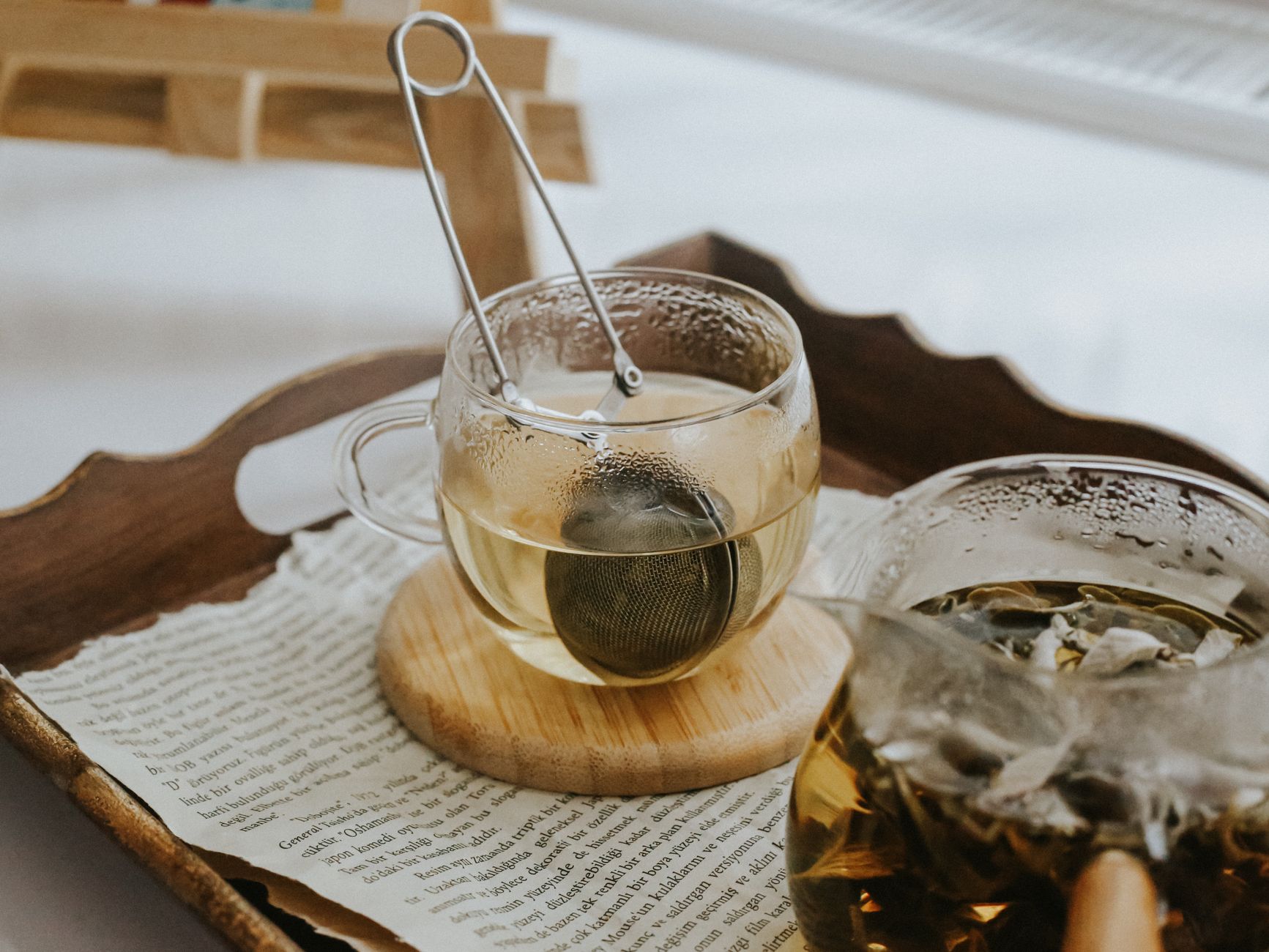
Mullein tea has gained popularity for its potential health benefits and soothing properties. Known for its mild flavor and herbal aroma, this tea is made from the leaves and flowers of the mullein plant. Many people consider it a natural remedy, but is it truly good for you?
In this guide, we will explore the benefits, uses, and key facts surrounding mullein tea, including its preparation, potential health benefits, and any considerations to keep in mind.
Is Mullein Tea Good For You?
Yes, mullein tea may offer several health benefits, including respiratory support, anti-inflammatory effects, and soothing properties for certain ailments. However, more research is needed to fully establish its medicinal effects.
What Is Mullein?
Mullein, scientifically known as Verbascum thapsus, is a flowering plant native to Europe, Asia, and North America. It is characterized by its tall stalks and soft, hairy leaves. Traditionally, mullein has been used for various purposes, from herbal medicine to as a natural fabric. The leaves and flowers are most commonly used to make tea.
Benefits of Mullein Tea
There are several potential benefits associated with drinking mullein tea. Here are some of the most notable:
- Respiratory Support: Mullein tea is often praised for its ability to help alleviate respiratory issues. It may assist in loosening mucus and reducing inflammation in the respiratory tract.
- Anti-Inflammatory Properties: The anti-inflammatory compounds found in mullein may aid in reducing swelling and discomfort associated with various ailments.
- Antioxidant Effects: Mullein contains antioxidants which can help protect your body from oxidative stress and free radical damage.
- Digestive Health: Some traditional uses of mullein include its benefits for digestive health. It may help soothe the digestive tract and improve overall gut health.
- Skin Health: Mullein has been used topically in some cultures to treat minor skin irritations and wounds, promoting healing.
Uses of Mullein Tea
Mullein tea can be enjoyed in various ways, aside from being a soothing beverage. Here are some common uses:
- Soothing Coughs: The tea is often consumed to help soothe a dry cough or sore throat.
- Alleviating Cold and Flu Symptoms: Mullein tea may help clear mucus and reduce congestion during cold and flu season.
- Relaxing Beverage: Many people enjoy mullein tea for its calming effects, making it a perfect evening drink.
- Herbal Mixes: Mullein can be combined with other herbs like thyme and peppermint to enhance flavor and benefits.
How to Prepare Mullein Tea
Making mullein tea is quite simple. Here’s a step-by-step guide:
Ingredients
- 1-2 teaspoons of dried mullein leaves or flowers
- 1 cup of boiling water
Essential Equipment
- Kettle or pot for boiling water
- Teapot or cup for steeping
- Strainer or fine mesh sieve
Step-by-Step Method
- Boil water in a kettle or pot.
- Place the dried mullein leaves or flowers in a teapot or cup.
- Pour the boiling water over the mullein.
- Let it steep for 10 to 15 minutes. The longer it steeps, the stronger the tea will be.
- Strain the tea to remove the plant materials. Mullein leaves can be coarse, so it’s important to strain well.
- Enjoy your mullein tea as is, or add honey, lemon, or other herbs to enhance the flavor.
Flavor Profile and Variations
Mullein tea has a mild, earthy flavor with subtle herbal notes. Some people may find it slightly sweet, making it pleasant on its own. However, if you’re looking to enhance the taste or add more health benefits, consider these variations:
- Add Honey: Sweetening with honey can also add additional soothing properties for sore throats.
- Add Lemon: A squeeze of lemon can brighten the flavor and add a dose of vitamin C.
- Mix with Other Herbs: Combining with herbs like peppermint, thyme, or ginger can create a unique flavor and add different health benefits.
Potential Side Effects and Precautions
While mullein tea is generally safe for most people, certain precautions should be observed:
- Some individuals may experience allergic reactions to mullein. It’s essential to start with a small amount and monitor for any adverse effects.
- Pregnant or breastfeeding women should consult their healthcare provider before consuming mullein tea.
- Mullein may interact with certain medications, especially those affecting the respiratory system. Always check with a healthcare professional if you have concerns.
Common Mistakes When Making Mullein Tea
To enjoy the best flavor and benefits, avoid these common mistakes:
- Using Too Much Plant Material: Overusing mullein can lead to a bitter taste and may increase the risk of allergic reactions.
- Not Straining Properly: Mullein leaves can be coarse; failing to strain thoroughly can result in an unpleasant experience.
- Skipping the Steeping Time: Not allowing the tea enough time to steep can result in a weak flavor and reduced potency.
Storage and Make-Ahead Guidance
If you want to enjoy mullein tea regularly or prepare ahead of time, here are some tips:
- Storing Dried Mullein: Keep dried mullein in an airtight container in a cool, dark place to maintain freshness.
- Preparing Tea in Advance: Brew a larger batch and store it in the refrigerator for up to 3 days. Reheat as needed.
- Flavor Infusion: Consider making a herbal infusion by steeping dried mullein with other flavors for enhanced taste.
Exploring Other Herbal Teas
If you find mullein tea beneficial, you might also be interested in experimenting with other herbal teas that share similar health benefits. Here are a few options to consider:
- Throat-soothing Herbal Tea: Chamomile tea can provide a calming effect and also helps with throat irritations.
- Anti-Inflammatory Teas: Ginger tea is known for its anti-inflammatory properties and can be consumed with or without mullein.
- Digestive Herbal Tea: Peppermint tea is another excellent option for aiding digestion.
Conclusion
Mullein tea presents a host of potential benefits, particularly for respiratory health, anti-inflammatory support, and soothing effects. Its preparation is simple, making it easy to incorporate this herbal tea into your wellness routine. However, as with any herbal remedy, it’s advisable to consult with a healthcare professional, especially if you have pre-existing conditions or are pregnant.
To explore more about preparing mullein tea, check out the mullein tea recipe or discover additional recipes like our anti-inflammatory tea recipe. Each can add variety and enhance your health.