
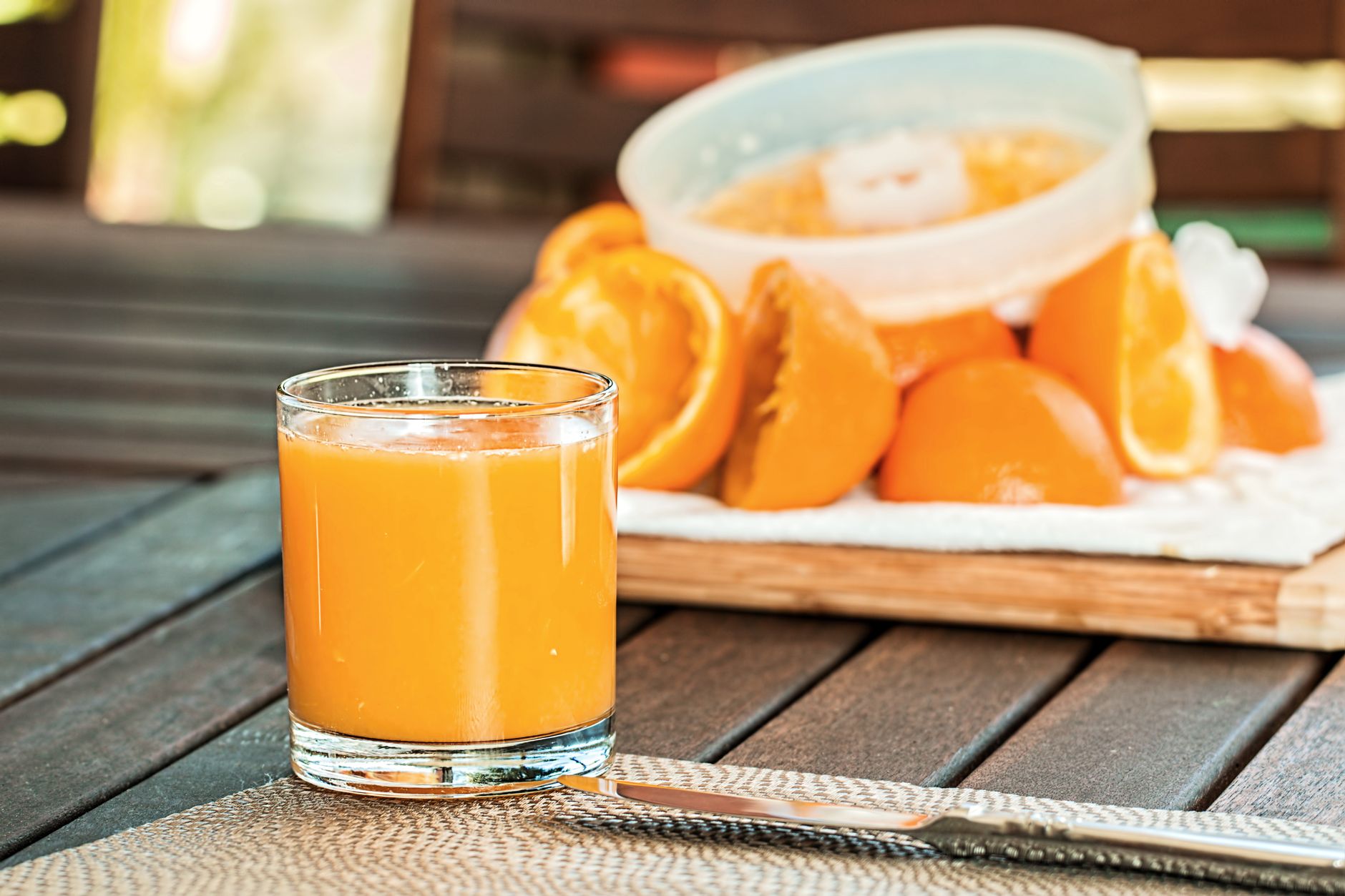
Orange juice is a popular beverage enjoyed for its refreshing taste and vitamin C content. However, many wonder whether it’s suitable to drink orange juice at night. This article examines the effects of consuming orange juice in the evening, discussing potential benefits, drawbacks, and tips for making informed choices.
While orange juice can be a nutritious option, drinking it at night may not be ideal for everyone. Various factors, including sugar content, acidity, and individual digestive health, play a role in determining whether it’s a good idea to sip on orange juice before bedtime.
Is It Bad To Drink Orange Juice At Night?
Drinking orange juice at night isn’t inherently bad, but it may pose certain issues for some individuals. The high sugar content can lead to a spike in blood sugar levels, potentially affecting sleep quality. Additionally, the acidity may cause discomfort for those with acid reflux or sensitive stomachs. Overall, moderation and personal response to the juice are key factors.
Understanding Orange Juice
Orange juice is primarily made from the juice of fresh oranges and is rich in essential nutrients. Let’s delve deeper into its components to understand its impact on health.
Nutritional Composition
Orange juice contains several important nutrients:
- Vitamin C: A powerful antioxidant that supports immune function and skin health.
- Folate: Vital for cell division and important during pregnancy for fetal development.
- Potassium: Essential for heart health and muscle function.
- Thiamine: Important for energy metabolism and nerve function.
Despite its nutritional benefits, it’s essential to consider portion sizes, especially at night.
The Effects of Sugar at Night
One of the concerns with consuming orange juice in the evening is its sugar content. A typical serving of orange juice (about 8 ounces) can contain around 20 to 25 grams of sugar, most of which comes from fructose.
Impact on Blood Sugar Levels
Drinking orange juice can lead to a rapid increase in blood sugar levels, which may not be ideal at night. Elevated blood sugar can affect sleep patterns and may lead to wakefulness, making it difficult for some to fall asleep or stay asleep
Insulin Response
The body’s insulin response is also affected by sugar intake. The release of insulin helps regulate blood sugar levels, but high sugar consumption can lead to insulin resistance over time. This is particularly concerning when sugar is consumed close to bedtime.
Acidity and Digestive Issues
Another factor to consider is the acidity of orange juice. While this acidity contributes to its refreshing taste, it may cause discomfort for some people, especially those with digestive issues.
Acid Reflux and Heartburn
For individuals prone to gastroesophageal reflux disease (GERD) or heartburn, orange juice might exacerbate symptoms. The acidic nature can irritate the esophagus, leading to discomfort when lying down.
General Digestive Health
In some cases, drinking orange juice at night, especially in large amounts, may lead to bloating or gas, making sleep uncomfortable.
Potential Benefits of Drinking Orange Juice at Night
Despite the aforementioned concerns, drinking orange juice at night isn’t all negative. There are instances where it may actually be beneficial.
Rich Source of Nutrients
As mentioned earlier, orange juice is packed with antioxidants and vitamins. Consuming it at night can be a way to boost your nutrient intake if you have not met your daily needs.
Hydration
Being primarily water, orange juice can contribute to hydration, especially if you’ve not consumed enough fluids throughout the day. Staying hydrated is crucial for maintaining overall health.
Strategies for Drinking Orange Juice at Night
If you enjoy orange juice and want to include it in your nighttime routine, consider the following tips:
Opt for Fresh Squeezed or 100% Pure Juice
Choose fresh-squeezed or 100% pure orange juice without added sugars or preservatives. This ensures you’re getting the most nutrients without extra calories from sweeteners.
Limit Portion Sizes
Smaller servings can help mitigate the effects of sugar. Consider limiting your intake to half a serving (around 4 ounces) to help prevent significant blood sugar spikes.
Pair with Healthy Proteins or Fats
Combining orange juice with a small snack containing protein or healthy fats may help slow down sugar absorption. Try pairing your juice with nuts, yogurt, or cheese.
Be Mindful of Timing
Consider consuming orange juice earlier in the evening, allowing your body time to digest before bed. This can help minimize potential digestive discomfort.
Monitor Your Body’s Response
Everyone’s body reacts differently to foods and drinks. Pay attention to how your body responds to orange juice consumed at night, and adjust your habits accordingly.
Alternatives to Orange Juice at Night
If you find orange juice does not agree with you at night, there are several alternatives that provide hydration and nutrients without the potential drawbacks of orange juice.
Herbal Teas
Caffeine-free herbal teas can be a soothing option. Chamomile, peppermint, or ginger tea can aid digestion and promote relaxation, making them suitable for evening consumption.
Infused Water
Infusing water with citrus fruits, berries, or herbs can provide flavor without the high sugar content of juice. This is a great way to stay hydrated with pleasant flavors.
Other Juices
Vegetable juices, such as carrot juice or cucumber juice, can be lower in sugars and more digestively friendly, making them a good choice for evening consumption.
Final Thoughts
Drinking orange juice at night isn’t universally bad, but it does come with potential challenges, particularly concerning sugar content and acidity. Being aware of your body’s responses can help you make healthier choices. If you enjoy the taste and want to include it in your evening routine, moderation and mindful pairing can go a long way.
Ultimately, the decision to drink orange juice at night should align with your personal health goals and body chemistry. If in doubt, consult with a healthcare professional to tailor the best practices for your dietary needs.
For more ideas on delicious fruit beverages, be sure to check out our Orange Cello Recipe and explore the refreshing Fruit Punch Juice Recipe for delicious alternatives!